
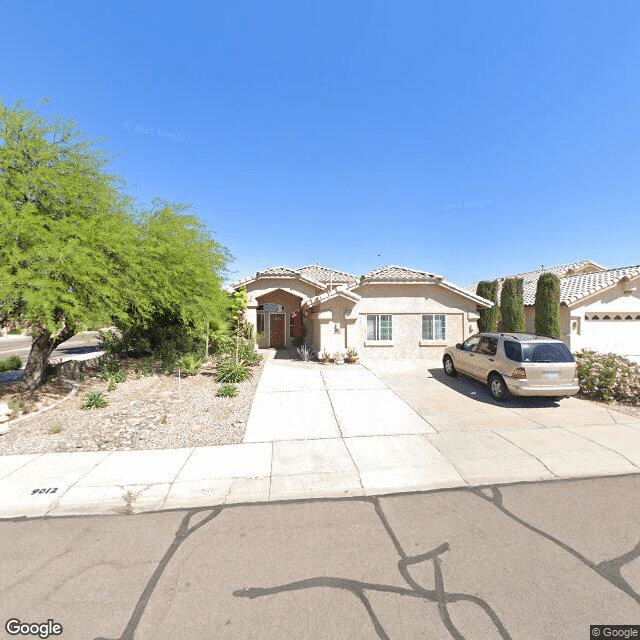
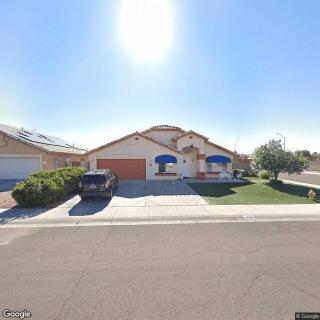
9012 West Sandra Terrace, Peoria, AZ 85382
For more information about senior living options: (866) 208-4318
Peoria Adult Care Home Costs & Pricing
Peoria Adult Care Home offers competitive pricing for its services when compared to both Maricopa County and the broader state of Arizona. For semi-private rooms, residents can expect to pay $2,500 per month, which is notably lower than the county average of $2,801 and the state average of $2,820. Similarly, those opting for private accommodations will find Peoria's monthly rate of $3,000 to be more economical than the county's average of $3,318 and the state's average of $3,345. This positions Peoria Adult Care Home as a cost-effective choice for families seeking quality care in a comfortable environment without compromising on essential services.
| Floor plans | Peoria Adult Care Home | Maricopa County | Arizona |
|---|---|---|---|
| Semi-Private | $2,500 | $2,801 | $2,820 |
| Private | $3,000 | $3,318 | $3,345 |
Assisted Living communities with a similar price nearby
-
from +$300 / mo
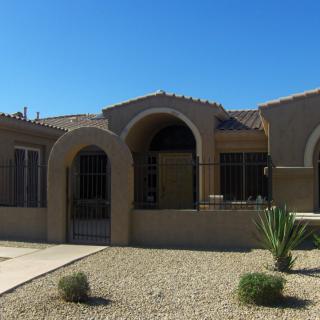
Pinnacle Peak Assisted Living
$2,800 to $3,100 / month20.1 miles away -
from +$400 / mo
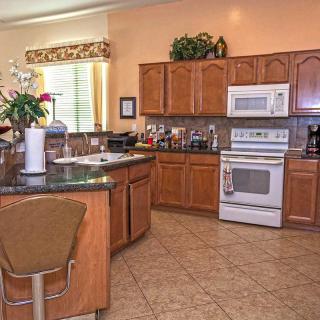
Royal Paradise Care
$2,900 to $3,800 / month5.8 miles away -
from +$350 / mo

Covenant Care Assisted Living Home
$2,850 to $3,705 / month9.5 miles away -
About the same
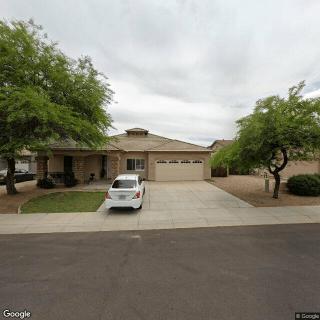
Anc Assisted Living Homes I
$2,500 to $3,500 / month11.8 miles away -
from -$100 / mo
Arabian Views Assisted Living One
$2,400 to $3,200 / month16.6 miles away
Overall Review of Peoria Adult Care Home
Pros
 The care provided was excellent.
- The home treated residents like family and welcomed visiting families with warmth.
- The facility is family-owned, professional, loving, and very clean.
- The staff are patient and work well with families on finances, including the VA.
- The care improves residents’ quality of life and makes them feel loved.
- The staff spend time with residents, take them out for strolls, and keep families informed.
- The facility is clean, welcoming, and respectful, with residents’ wishes respected.
Cons
 They were disappointed that, despite excellent care earlier, no one would answer their calls or speak with the family about a refund.
- They felt this was not the way to treat families and wanted a phone call to resolve the refund issue.
- The tour was nice, but nothing about the facility stood out to them.
- They felt it was not the right fit for them, even though the tour was fine.
Review
Peoria Adult Care Home is best suited for families seeking a small, family-style environment where care feels personal, attentive, and consistently visible to loved ones. This community fits seniors who need help with daily activities but do not require a high level of medical complexity. The appeal lies in a home-like setting, direct access to administrators, and caregivers who treat residents like family. Families that value open communication, regular status updates, and the flexibility to work out finances or VA benefits with administrators will find the strongest alignment here. In short, this is a fit for those who want a warm, intimate atmosphere with hands-on, compassionate staff who prioritize relationships alongside care.
Those who may want to consider alternatives include families seeking a larger facility with a broader menu of amenities, more formalized programming, or a setting with a clearer escalation path for medical needs. If the priority is guaranteed rapid escalation of care, a hospital-like cadence, or a highly structured, corporate environment, a bigger assisted living or memory-care campus may offer more predictable systems. For seniors whose care requires substantial medical oversight, complex medications, or 24/7 nursing with visible on-site physicians, a larger operation could better meet expectations. Additionally, if financial disputes or slow responses to billing questions are a concern, exploring communities with more established dispute-resolution processes would be prudent.
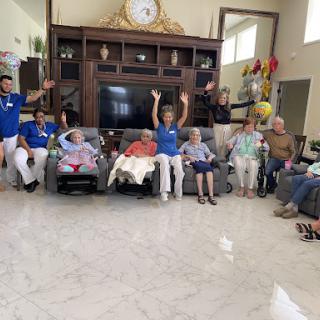
On the upside, the strongest pros are hard to overlook. The home earns praise for being caring, compassionate, and family-owned, with staff who welcome visits and treat residents with genuine warmth. Residents consistently note improvements in quality of life when embraced by a loving, respectful team that keeps families informed. Cleanliness and a home-like atmosphere are recurring strengths, and staff are described as patient and collaborative when navigating finances, including VA benefits. The ability to tailor arrangements around a resident’s preferences, like taking strolls outdoors and maintaining dignity and respect, adds meaningful dimension to daily living. For families who prioritize personalized attention and frequent, candid communication, these advantages often outweigh the smaller-scale drawbacks.
The main drawbacks center on administration and fit rather than the core care itself. A notable concern from families is an experience where refunds after a loved one’s passing were not promptly or readily resolved, accompanied by difficulty reaching the responsible party. This kind of issue erodes trust during times of grief and transition and stands in sharp relief against otherwise solid care. Another common theme is the variable sense of fit; while many families feel the place is a wonderful match, some tours and initial impressions fail to crystallize what sets the home apart, leaving prospective residents unsure. Room configurations vary, with some doubles that feel cozy but may not suit everyone’s privacy preferences. These operational gaps, though not universal, can tilt decisions for families weighing options with tighter timelines or stronger expectations for administrative responsiveness.
Ultimately, the pros-to-cons balance makes this community a strong choice for families prioritizing intimate, high-touch care and easy family involvement. The care ethos rings true in daily life: residents are treated with respect, routines are flexible to individual wishes, and communication with families remains a central practice. However, the signal-to-noise ratio of administrative responsiveness matters. When billing questions arise or refunds are needed, expect a more reactive experience unless preemptive clarity is established in writing. For those open to a smaller, family-owned environment, Peoria Adult Care Home delivers reliable warmth, consistent cleanliness, and care that feels like a well-loved home. For others, especially where medical complexity or formal systems take precedence, alternatives with larger staff networks and more rigid financial processes may be a safer match.
 10 resident community capacity
 Assisted Living
 Board and Care Home
 Respite Care
 Cats allowed
 Dogs allowed
 Activities off-site
 Air-conditioning
 Bath tubs
 Beautician on-site
 Cable or satellite TV
 Devotional services off-site
 Dining room
 Fully furnished
 Garden
 Handicap accessible
 Housekeeping services
 Indoor common areas
 Kitchenette
 Move-in coordination
 Outdoor common areas
 Private
 Private bathrooms
 Telephone
 Wheelchair accessible showers
 Wi-Fi/high-speed internet available
 Phoenix Sky Harbor International (20 miles away)
 24-hour supervision
 Assistance with bathing
 Assistance with dressing
 Assistance with transfers
 Diabetes diet
 Diabetic care
 High acuity care
 Meal preparation and service
 Medication management
 Special dietary restrictions
 Transportation arrangement (medical)
 Transportation to doctors appointments
 Art classes
 Bible study group
 Book club
 Cards / pinochle club
 Current events club
 Day trips and outings
 Educational speakers / life long learning
 Happy hour
 Stretching classes



 Assisted Living Expenses and Long-Term Care Insurance: A Comprehensive Exploration
 Securing Financial Support for Assisted Living: A Comprehensive Overview
 Social Security Benefits and Assisted Living: Navigating Options Across the U.S.