Orchard Pointe at Terrazza in Peoria, AZ

Save

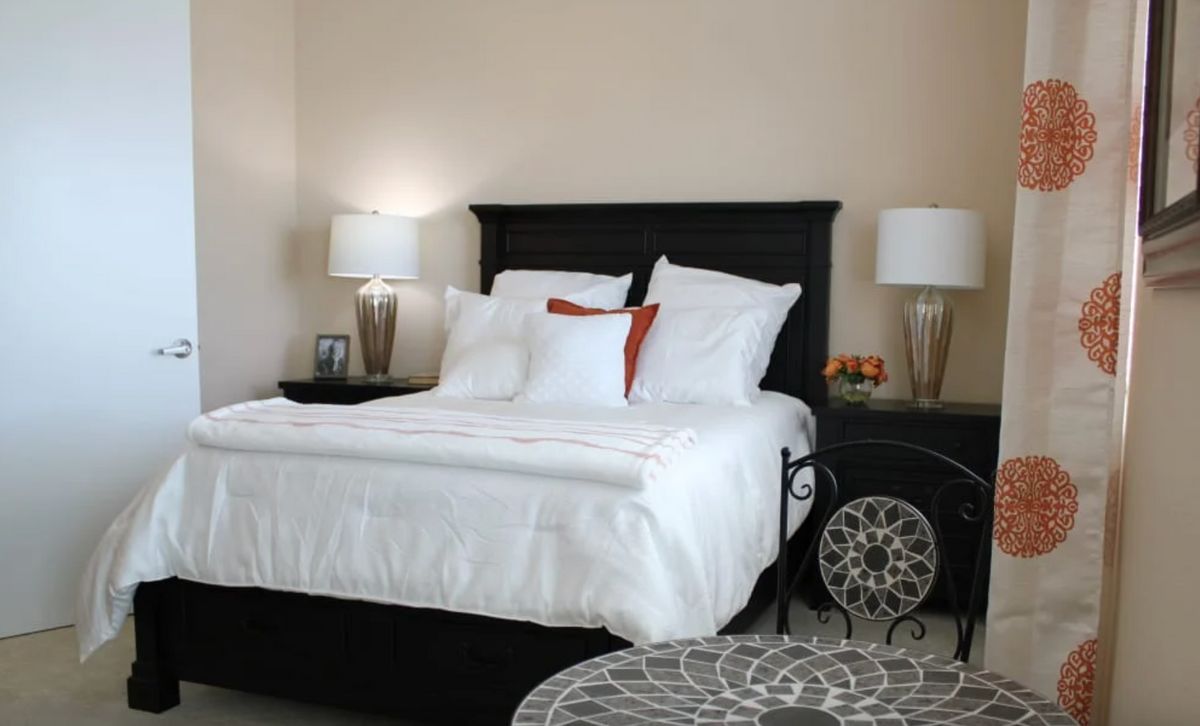
  • Interior

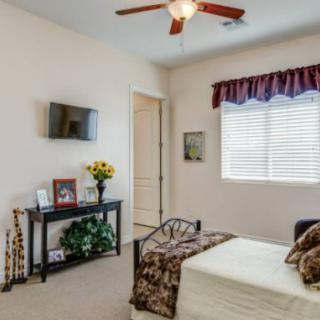
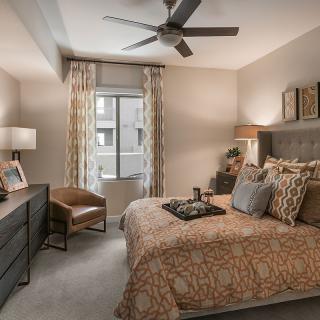
    A cozy bedroom with a neatly made bed and matching bedside lamps.
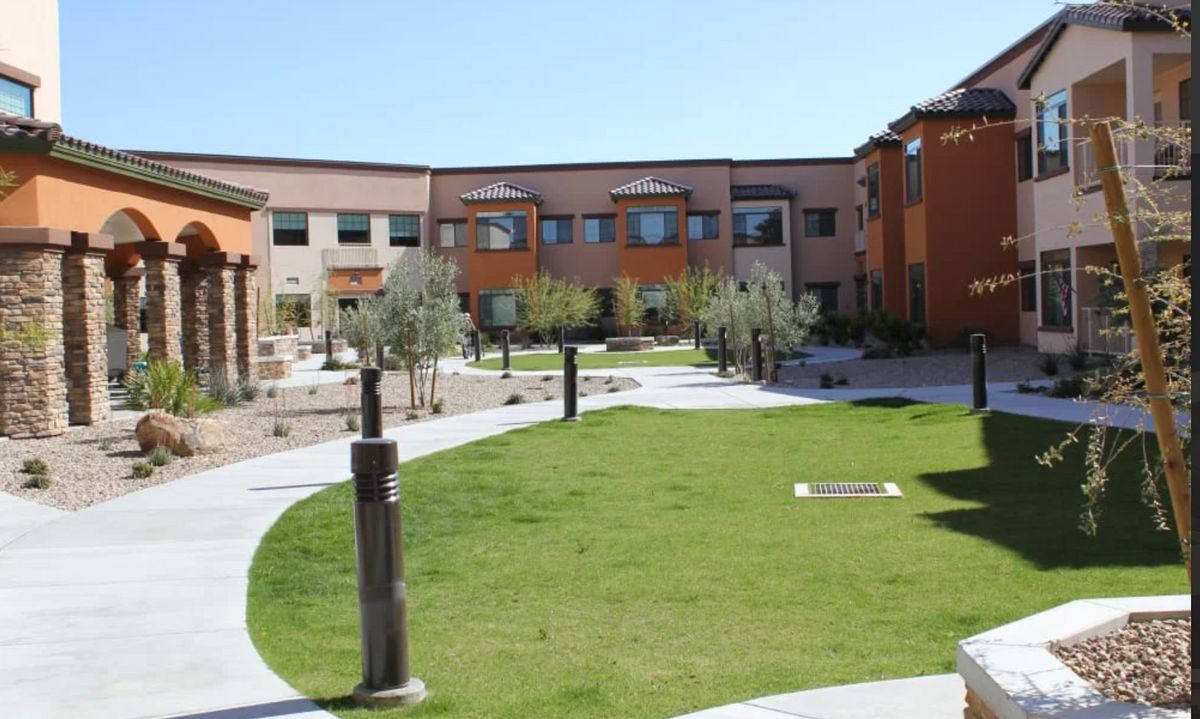
  • Outdoors

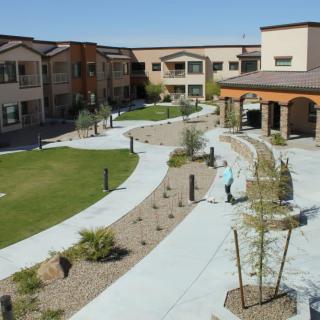
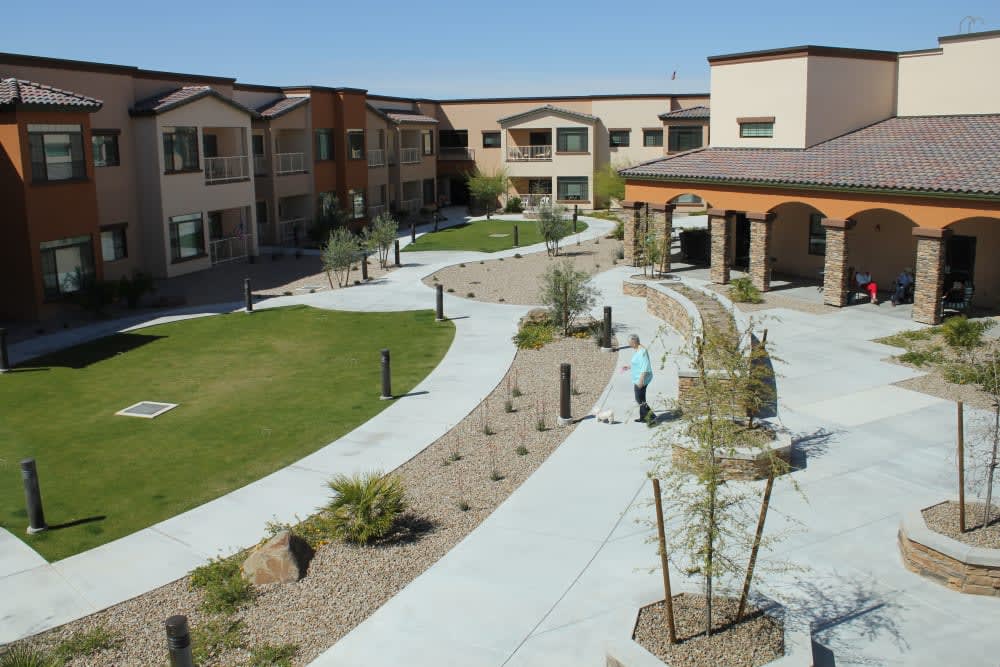
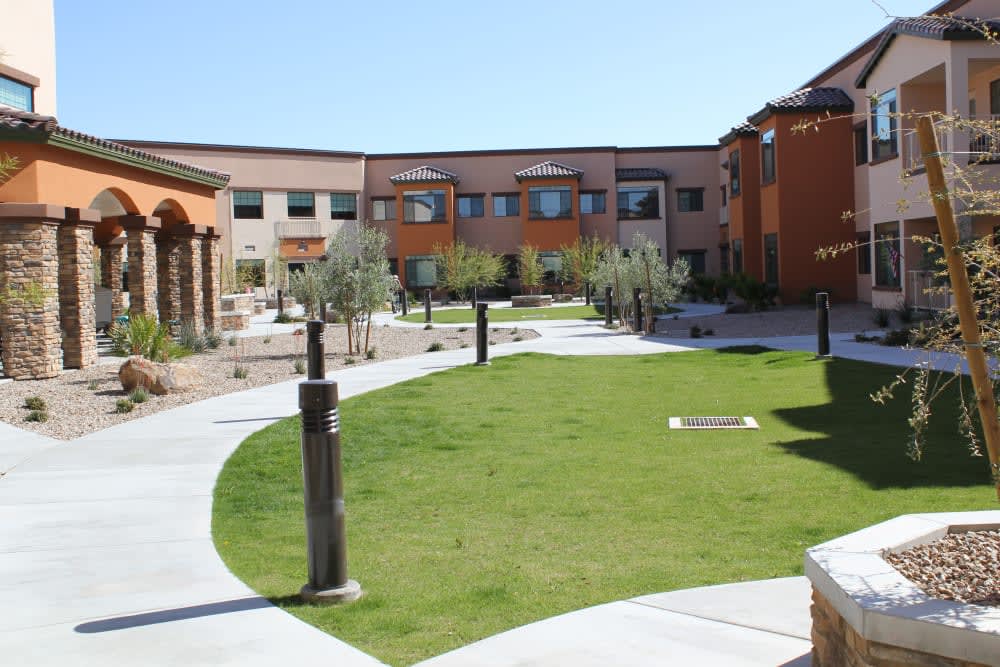
    A tranquil courtyard surrounded by modern buildings with green grass and pathways.
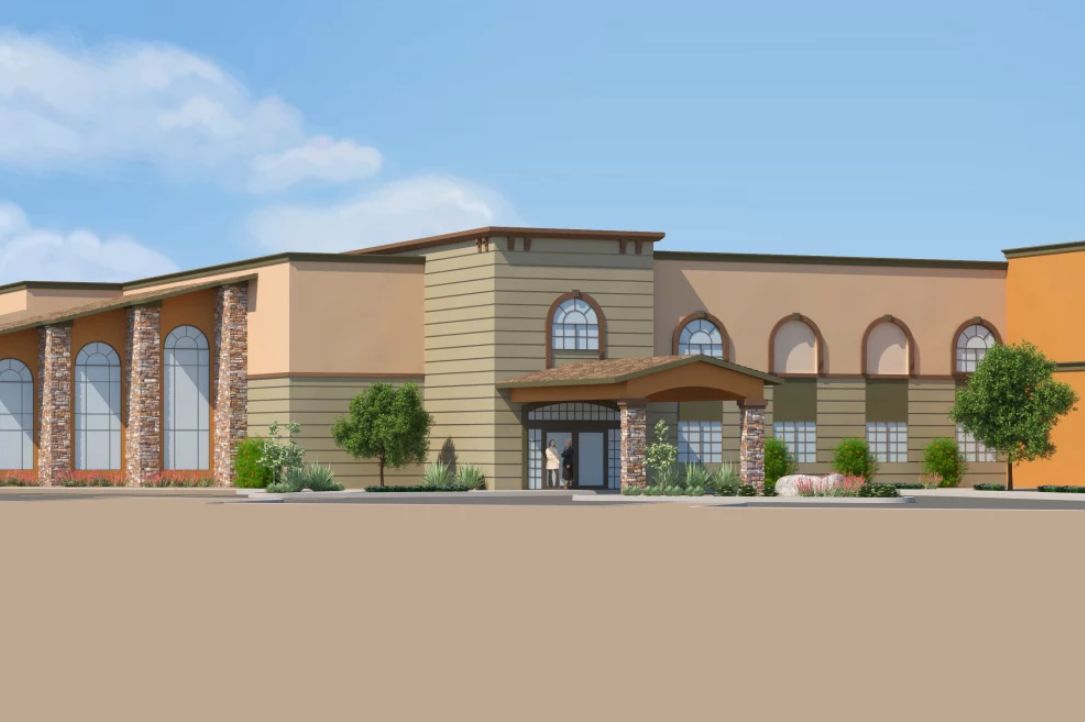
  • Building

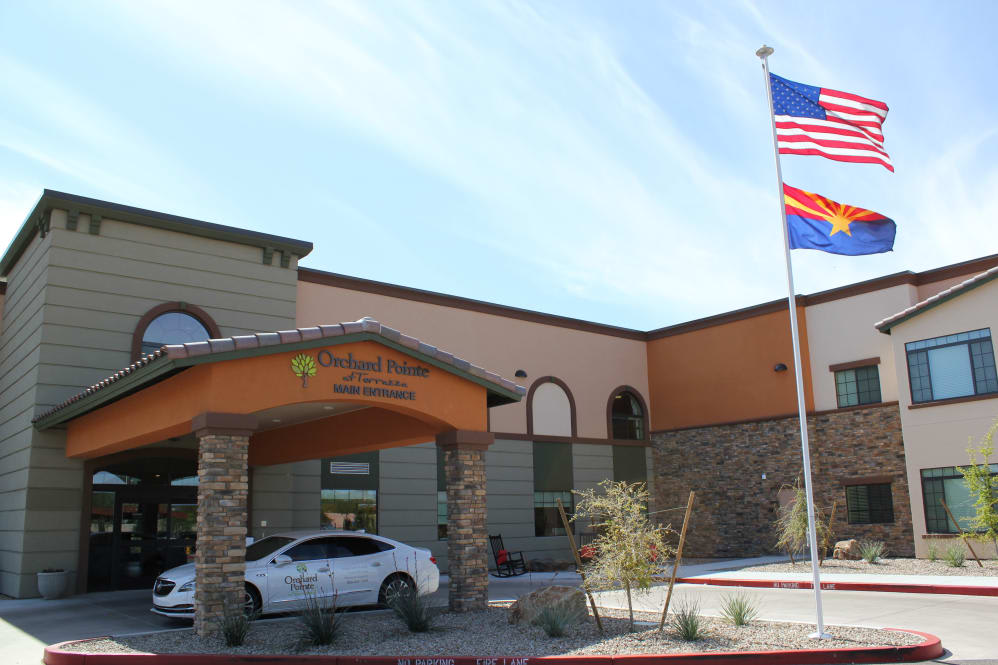
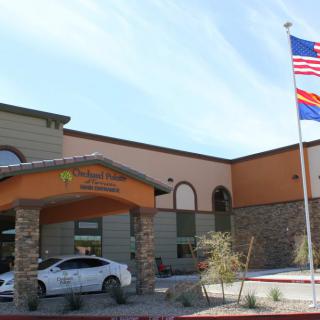
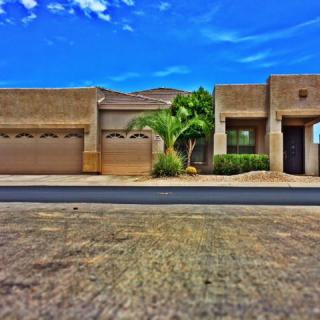
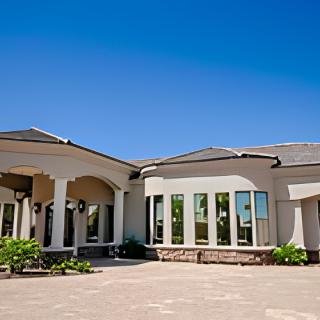
    A modern building with an inviting entrance and decorative facade.
  • Architecture

    A modern courtyard with landscaped greenery and surrounding buildings.
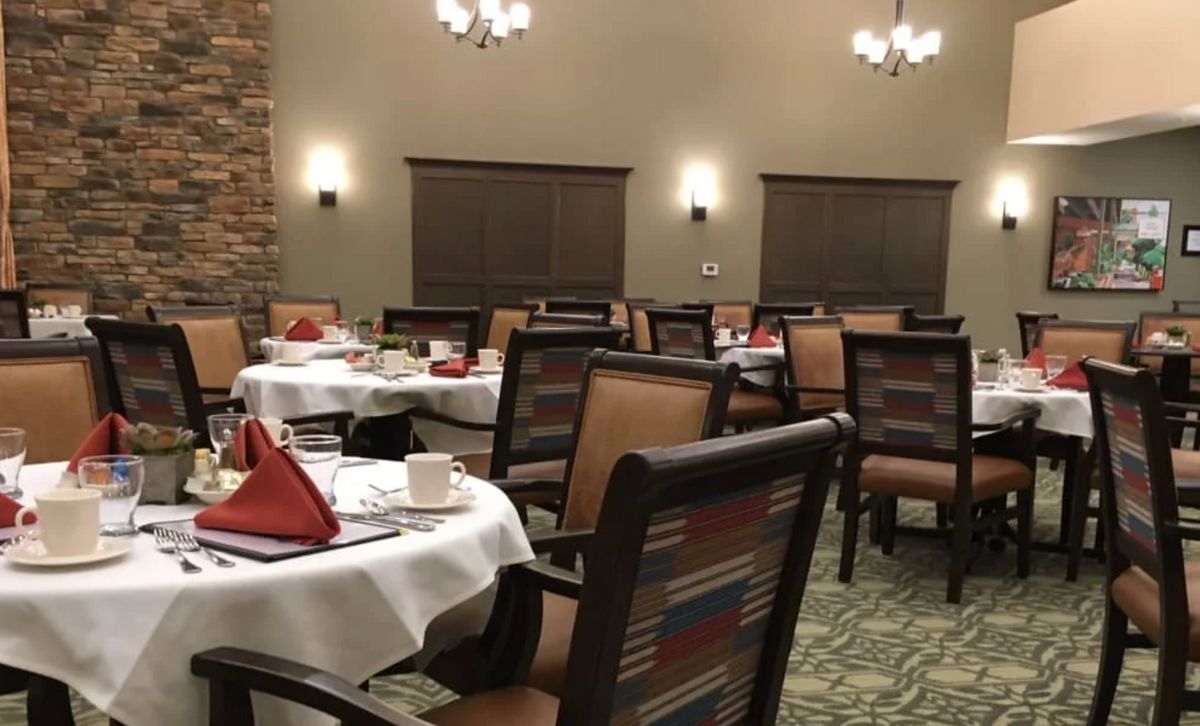
  • Dining

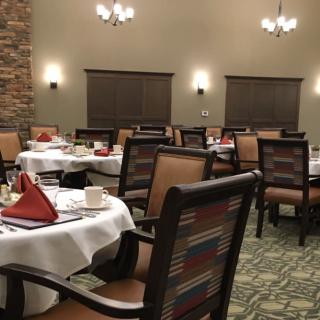
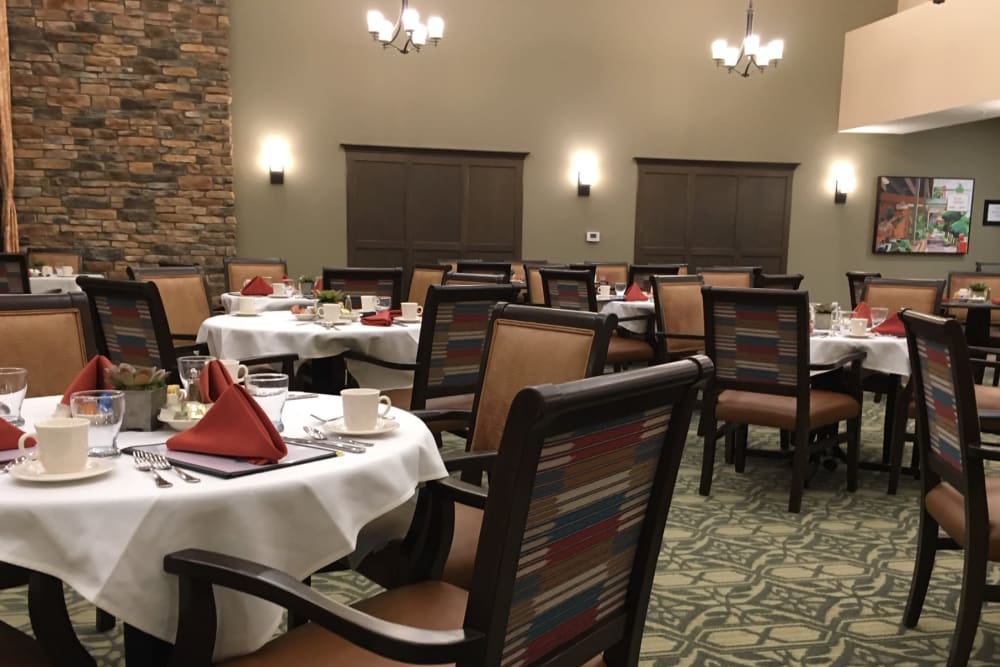
    A cozy restaurant dining room with neatly arranged tables and chairs.
  • Landscaping

    A landscaped courtyard in a residential apartment complex with walkways and greenery.
  • Entrance

    Entrance of a healthcare facility with a car parked and flags waving.
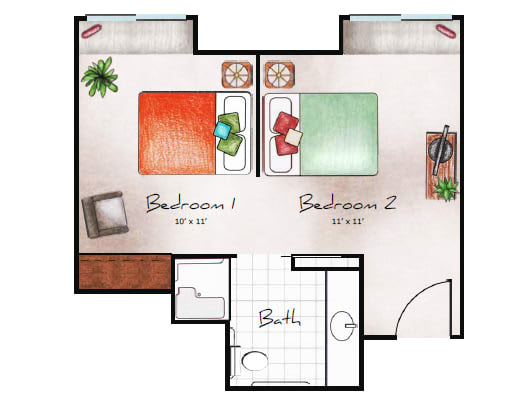
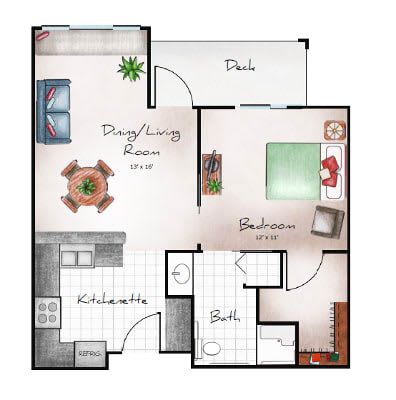
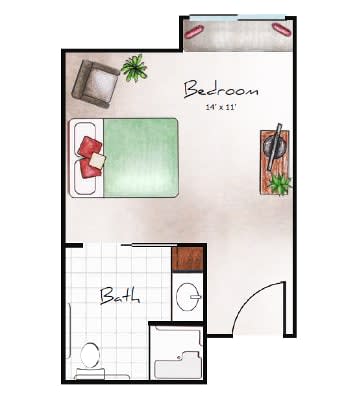
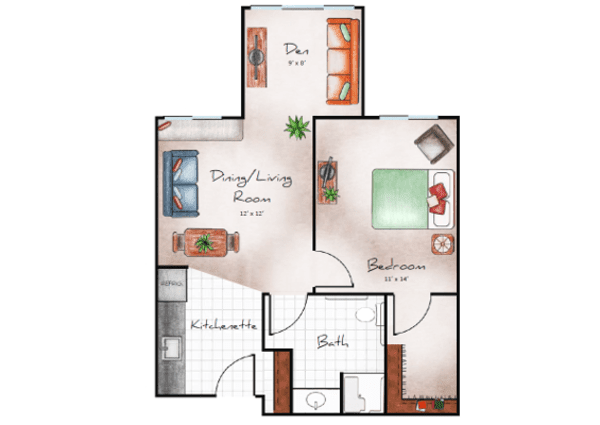
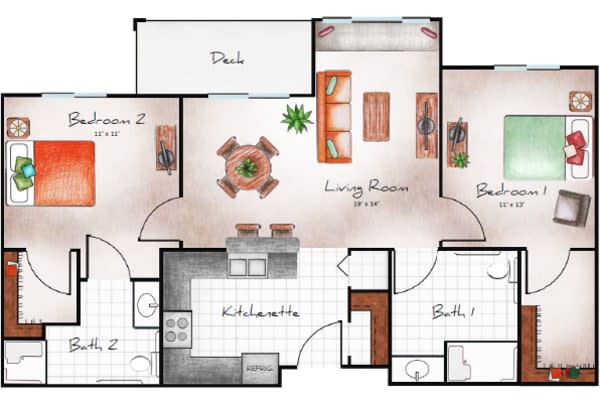
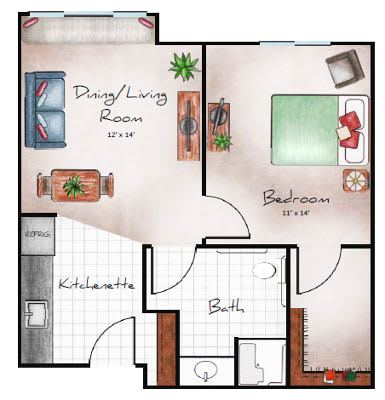
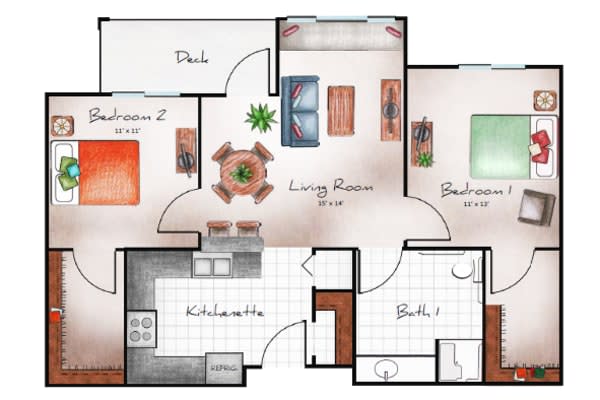
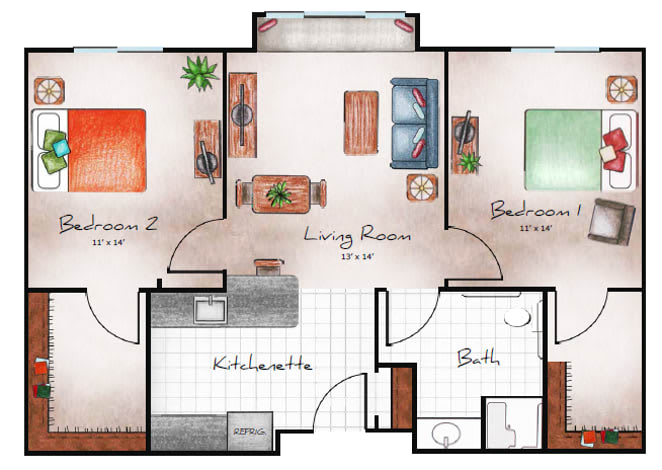
  • Floor Plan

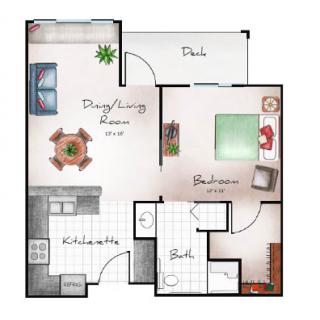
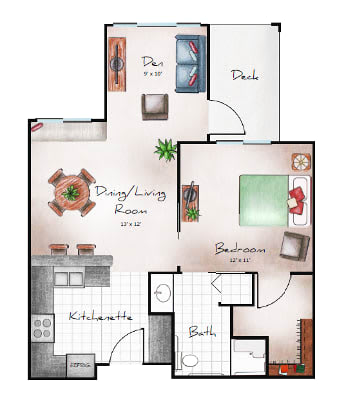
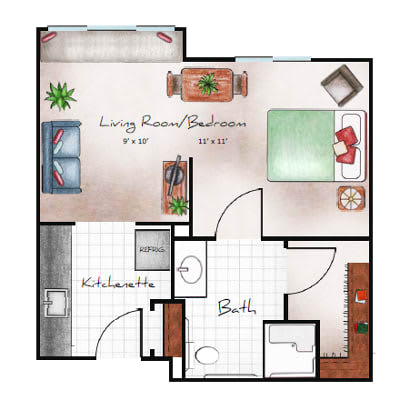
    A 1-bedroom apartment floor plan featuring a living room, kitchen, bathroom, and patio.
  • Patio

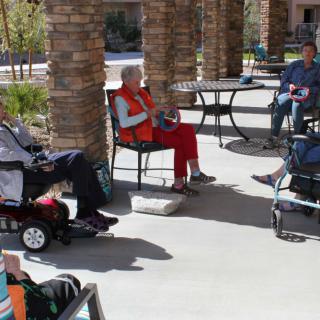
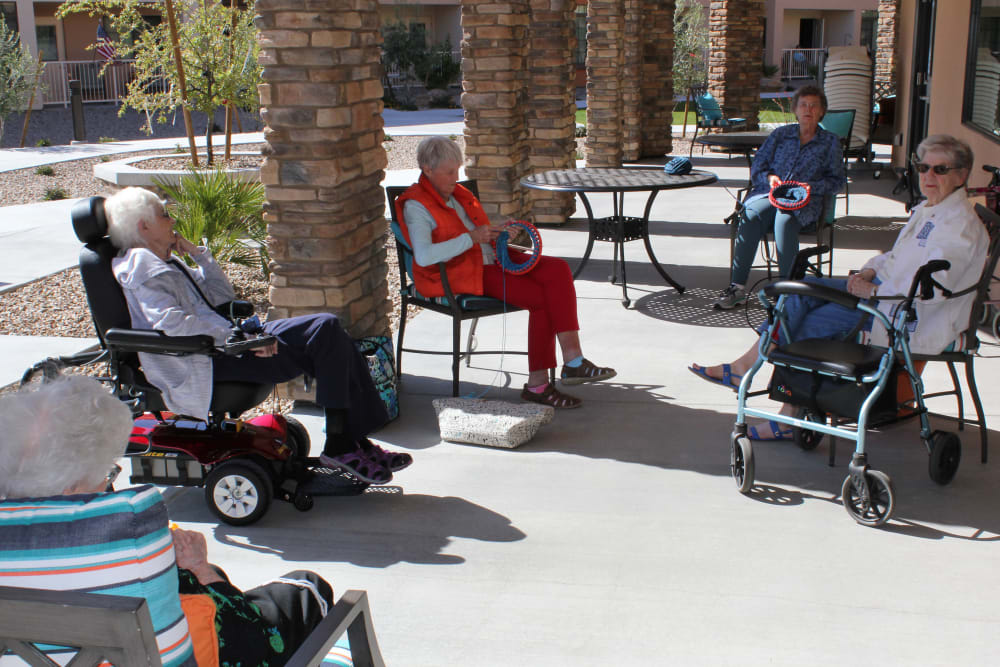
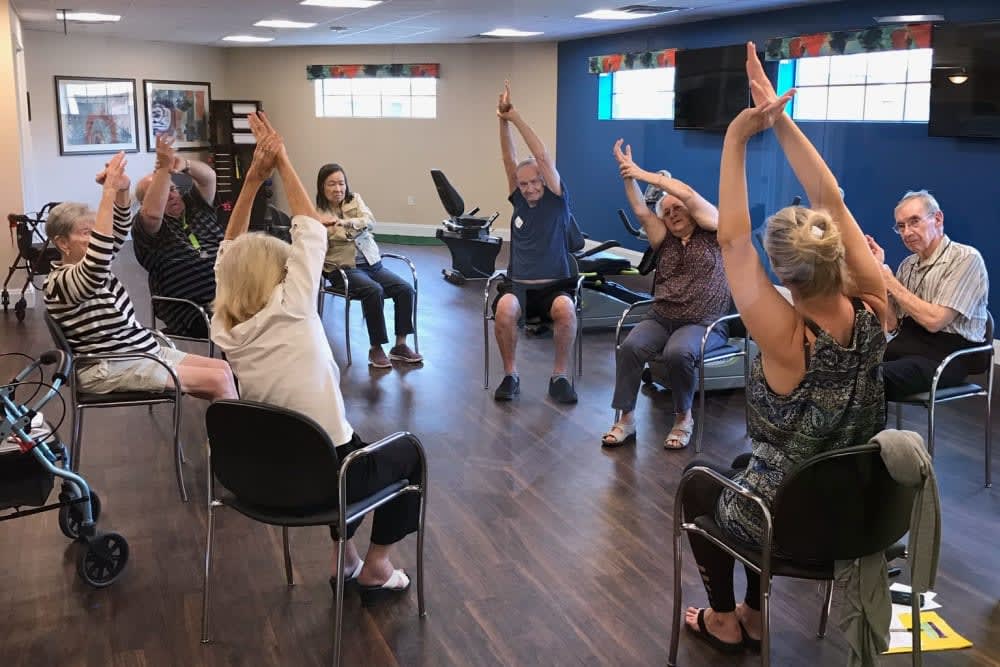
    A group of seniors socializing outdoors on a sunny patio, with some using wheelchairs.
  • Chandelier

    A neatly arranged dining room with tables set for guests, featuring comfortable chairs and elegant lighting.
  • Grass

    A person preparing to putt on a golf course with buildings in the background.
  • Coffee Station

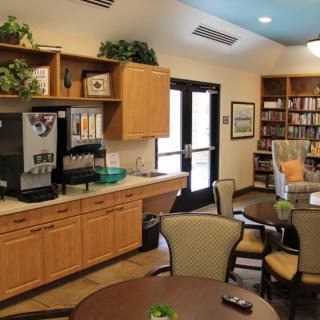
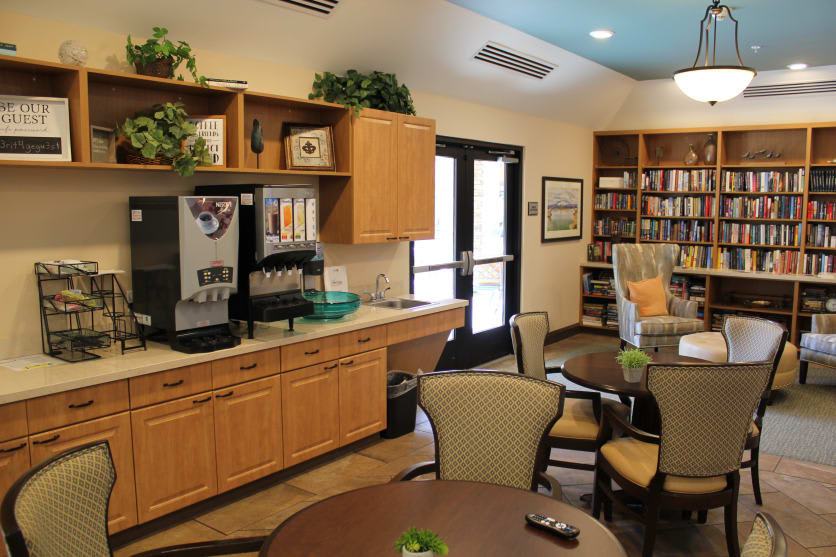
    A cozy cafe area featuring a coffee station, tables, chairs, and a bookshelf.

Orchard Pointe at Terrazza in Peoria, AZ

6775 West Happy Valley Road, Peoria, AZ 85383

For more information about senior living options: (844) 490-3973

4.8 from 74 reviews
5 stars
66
4 stars
5
3 stars
0
2 stars
1
1 stars
2

Assisted Living Independent Living Memory Care

Orchard Pointe at Terrazza Costs & Pricing

Orchard Pointe at Terrazza offers competitive pricing within the context of Maricopa County and the state of Arizona. For a one-bedroom unit, residents can expect to pay $3,400 per month, which is slightly lower than the county average of $3,473 and the state average of $3,532. The two-bedroom option is priced at $4,200, aligning closely with both Maricopa County's average of $4,112 and Arizona's average of $4,106. However, studio apartments at Orchard Pointe are priced at $4,330 - a premium compared to the county's rate of $3,960 and the state's average of $3,829. Interestingly, for semi-private rooms, the cost is notably higher at $5,575 compared to Maricopa County's average of just $2,801 and Arizona's statewide figure of $2,820. Overall, while Orchard Pointe provides appealing options for many configurations - especially one- and two-bedroom units - the premium associated with studios and semi-private spaces may reflect additional amenities or services offered by the facility.

Floor plansOrchard Pointe at TerrazzaMaricopa CountyArizona
1 Bedroom$3,400$3,473$3,532
2 Bedrooms$4,200$4,112$4,106
Studio$4,330$3,960$3,829
Semi-Private$5,575$2,801$2,820

What level of care are you interested in?

Assisted Living

Memory Care

Independent Living

Skilled Nursing Facility

Continuing Care Retirement Community (CCRC)CCRC

Other


Request a tour at Orchard Pointe at Terrazza

    Overall Review of Orchard Pointe at Terrazza

    Pros

    • pro Orchard Pointe at Terrazza is a beautiful community with a warm, welcoming environment where residents are treated like family.
    • pro The staff are amazing, friendly, and consistently greet residents with smiles and good mornings.
    • pro The memory care team is caring, patient, and goes above and beyond to support residents and their families.
    • pro Families describe the facility as clean, well-maintained, and providing excellent care.
    • pro Shelly Drews and Alicia are amazing teachers; their caregiver classes are informative and engaging.
    • pro The caregiver trainings at Orchard Pointe are highly recommended for their hands-on approach and practical content.
    • pro The dementia training events featuring Teepa Snow are well organized, informative, and inspiring for caregivers.
    • pro The leadership in memory care is compassionate and communicative; families feel supported.
    • pro Orchard Pointe is frequently described as a top-quality memory care community with great activities and meals.
    • pro Residents enjoy a rich program of activities, and the staff truly cares for their well-being.

    Cons

    • pro The in-house director position turned over three times in two years and was eliminated.
    • pro Management from the adjacent building was unresponsive.
    • pro They created another level of care and cost without adding any additional care.
    • pro The bed alarm was not allowed, and the resident fell several times.
    • pro Staff turnover was constant.
    • pro The executive director allegedly told caregivers not to talk to family members about anything having to do with their resident, which should be illegal.
    • pro The facility was understaffed and some caregivers lacked a basic understanding of dementia.
    • pro It was not the right fit for less mobile or less active residents.
    • pro There were concerns about ant infestation and security issues (e.g., master keys) in independent living.

    Review

    Orchard Pointe at Terrazza in Peoria, AZ is best suited for families seeking a beautiful, emotionally supportive memory-care-forward community where staff turnover is outweighed by genuine warmth, hands-on caregiving, and a culture that treats residents like family. The campus blends polished amenities with a robust memory-care program and a wide array of activities, making it a compelling choice for seniors who want meaningful engagement, structured support, and accessible care as needs evolve. The memory-care wing is a clear anchor, but the property also hosts assisted living and independent living options, which matters for families planning transitions over time. When the priority is a staff-led environment that prioritizes personal connections and purposeful days, Orchard Pointe consistently rises to the occasion.

    Those most likely to want alternatives are families who require a consistently stable leadership and staffing structure at all times or who have acute safety concerns that demand strict operational controls. Several reviews flag a history of executive-director turnover in memory care, with one family noting multiple leadership changes and even a shift that reduced direct oversight - setting a tone of unsteadiness. Other critiques point to understaffing and communication gaps, including one account describing a director who discouraged families from discussing resident issues. For some, those dynamics translate into difficult experiences around safety, responsiveness, and transparency. If stability and predictable, tightly managed operations are nonnegotiable, alternative communities with less turnover or different governance structures may be worth vetting.

    The pros at Orchard Pointe strongly offset many of the potential drawbacks. The care teams are repeatedly described as earnest, personable, and relentlessly positive, with staff who "step up" and remain upbeat through tough days. The memory-care director Dayna and the leadership cadre are frequently praised for hands-on involvement, with caregivers and ancillary staff earning trust through consistent engagement and genuine warmth. Families report clean facilities, welcoming dining experiences, and a culture that feels like a true community rather than a sterile campus. The emphasis on enrichment - robust activities, social programming, and a life-enrichment team - creates a sense of purpose for residents that many other communities struggle to sustain. The value of in-house dementia training, Teepa Snow events, and caregiver certifications also signals a deep institutional commitment to quality care beyond surface appearances.

    But the weight of the negative experiences cannot be ignored. A recurring thread among reviewers is that results vary by unit and by leadership tenure, with some families feeling the care did not live up to promises during memory-care transitions. There are accounts of resident safety concerns tied to staffing levels and alarm policies, and of frustration when families perceived a lack of timely, candid communication. Food quality, while praised by many, is not universally lauded in every report, and turnover in culinary leadership has at times affected consistency. One family's drastic move to another facility after perceiving overmedication and disengagement underscores that the gap between the aspirational picture and everyday realities can be real. These voices matter and should be weighed against the many comforting testimonies.

    For families weighing the decision, the practical steps are clear. Arrange comprehensive tours with both the independent-living and memory-care teams, and push for candid conversations about staffing ratios, shift coverage, and how safety is maintained when memory-impaired residents are at higher risk. Ask for specifics on how care plans are communicated to families, how often updates occur, and who is the on-site point of contact during evenings and weekends. Verify pricing structures, especially if moving from independent to assisted living or memory care, and demand a transparent view of any anticipated escalators in care costs. Talk to current residents and families about daily life, the frequency and quality of activities, and the responsiveness of management to concerns.

    In the end, Orchard Pointe at Terrazza stands out as a top-tier option for families who prize a warm, active community with strong memory-care programming and devoted staff. It is especially compelling for those who want a facility that invests in caregiver education and resident enrichment, and where the human elements - smiling faces, easy accessibility to staff, and proactive life-enrichment - are palpable. However, this should be balanced against concerns about leadership stability and the variability some families experienced in memory-care outcomes. If mission-aligned leadership, consistent staffing, and transparent, responsive communication are non-negotiables, proceeding with thorough due diligence and direct inquiries will determine whether Orchard Pointe truly fits the elder-care vision or if another community better aligns with the family's expectations and needs.

    Features

    Housing

    • 22 resident community capacity 22 resident community capacity
    • 1-bedroom apartments 1-bedroom apartments1-bedroom apartments are important for seniors because they provide a sense of independence, privacy, and autonomy while still offering the necessary space for comfortable living. These apartments allow seniors to maintain their own personal space and lifestyle preferences in a supportive community setting.
    • 2-bedroom apartments 2-bedroom apartments2-bedroom apartments are important for seniors because they provide extra space for guests, hobbies, and caregivers, as well as potential for additional income through roommates or rental.
    • Studio apartments Studio apartmentsStudio apartments are important for seniors because they offer a smaller, more manageable living space that is easier to navigate and maintain as physical abilities decline. Additionally, studio apartments provide seniors with independence and privacy while still being part of a community that offers support and social opportunities.

    Types of Care

    • Assisted Living Assisted LivingAssisted living facilities provide crucial support and care for seniors who may need help with daily tasks such as medication management, bathing, and meal preparation. These communities offer a safe and comfortable environment where seniors can maintain their independence while receiving the assistance they need to thrive in their golden years.
    • Independent Living Independent LivingIndependent living communities are important for seniors because they offer a safe and supportive environment where older adults can live independently while still having access to amenities and services that enhance their quality of life. These communities provide social opportunities, recreational activities, and assistance with daily tasks, promoting overall well-being and allowing seniors to maintain their independence for as long as possible.
    • Memory Care Memory CareMemory care is crucial for seniors as it provides specialized support and services for individuals with dementia or Alzheimer's disease. These programs offer a safe and secure environment where residents receive personalized care, cognitive stimulation, and help with daily activities. Memory care helps seniors maintain their independence, quality of life, and dignity while also providing peace of mind for their families.

    Pets

    • Cats allowed Cats allowed"Pet friendly" senior living communities are important for seniors because pets provide companionship, reduce feelings of loneliness and depression, promote physical activity and mental stimulation, and offer a sense of purpose and responsibility. Pets can improve overall well-being and quality of life for seniors in many ways.
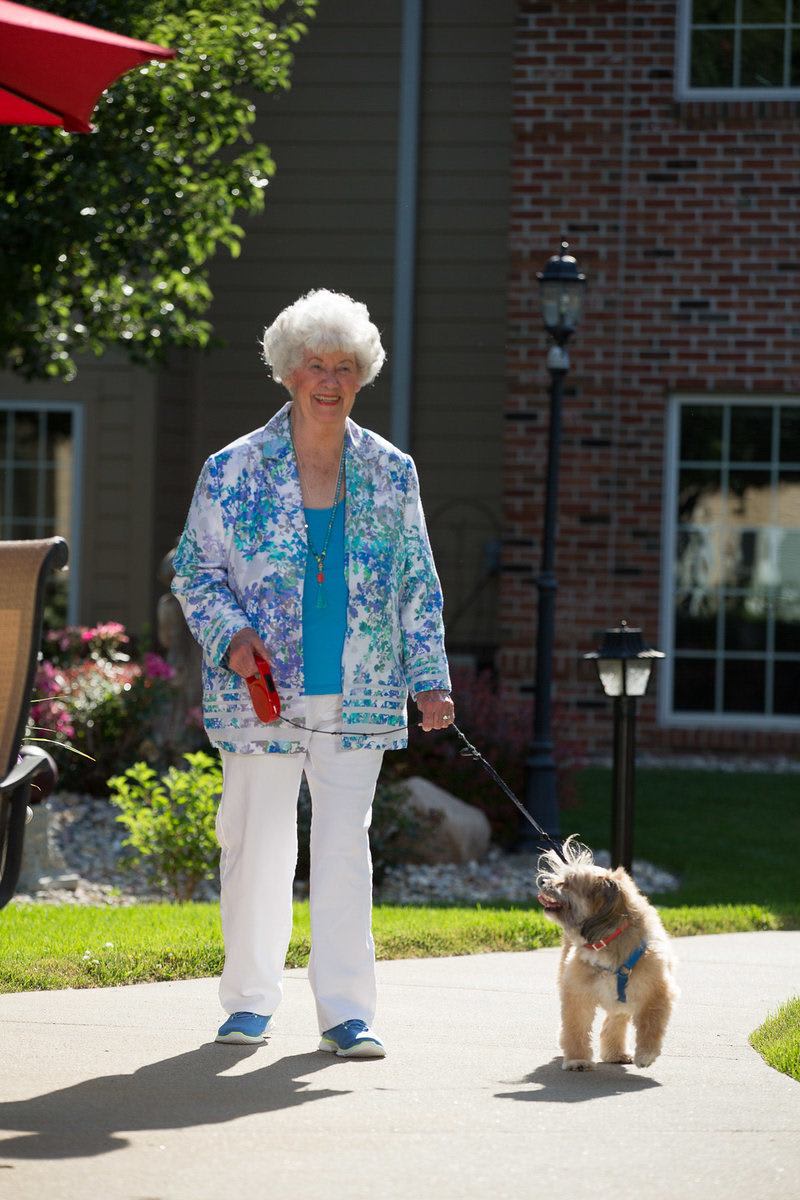
    • Dogs allowed Dogs allowed"Pet friendly" senior living communities are important for seniors because pets provide companionship, reduce feelings of loneliness and depression, promote physical activity and mental stimulation, and offer a sense of purpose and responsibility. Pets can improve overall well-being and quality of life for seniors in many ways.

    Amenities

    • Activities off-site Activities off-siteEngaging in off-site activities is crucial for seniors to maintain social connections, stay active, and stimulate their minds. It promotes overall well-being and helps combat feelings of isolation and loneliness.
    • Activities on-site Activities on-siteActivities on-site are important for seniors because they provide opportunities for socialization, mental stimulation, physical activity, and overall well-being. Engaging in activities can help seniors stay active, maintain their independence, and improve their quality of life.
    • Air-conditioning Air-conditioningAir conditioning is important for seniors as they are more vulnerable to heat-related illnesses and may have underlying health conditions that make it difficult for them to regulate their body temperature. It helps to keep them comfortable, safe, and healthy in hot weather.
    • Beautician on-site Beautician on-siteHaving a beautician on-site at a senior living community is important for seniors as it allows them to easily access grooming and personal care services, boosting their self-esteem and overall well-being. It also provides convenience and helps seniors maintain their sense of independence and personal style.
    • Beauty salon Beauty salonBeauty salons are important for seniors because they provide a space for them to feel pampered, socialize, and maintain their personal grooming and hygiene. Regular visits to a beauty salon can help boost seniors' self-esteem and overall well-being.
    • Cable or satellite TV Cable or satellite TVCable or satellite TV is important for seniors because it provides entertainment, news, and companionship, helping to combat loneliness and boredom. It also offers a wide range of programming options tailored to different interests and preferences.
    • Devotional services off-site Devotional services off-siteDevotional services off-site are important for seniors as they provide spiritual nourishment, social engagement, and a sense of community outside of the senior living facility. This can enhance overall well-being and help combat feelings of isolation and loneliness often experienced by older adults.
    • Devotional services on-site Devotional services on-siteDevotional services on-site provide seniors with spiritual support and a sense of community, as well as an opportunity for reflection and guidance during their senior living experience. This can promote emotional well-being and connection to others, leading to a more fulfilling and enriching lifestyle in their later years.
    • Dining room Dining roomDining rooms are important for seniors as they provide a space for socialization, connection, and nutritious meals. They offer opportunities for residents to bond over shared meals, foster a sense of community, and promote healthy eating habits. Dining rooms also ensure that seniors have access to well-balanced meals tailored to their dietary needs and preferences.
    • Full kitchen Full kitchenHaving a full kitchen in a senior living facility is important for seniors because it allows them to maintain their independence and prepare their own meals. This promotes healthy eating habits, saves money on dining out, and provides a sense of familiarity and comfort for residents.
    • Fully furnished Fully furnishedFully furnished senior living communities are important for seniors because they provide convenience, comfort, and a hassle-free moving experience. Seniors can easily settle into their new living space without the stress of having to buy and move furniture. This allows them to focus on enjoying their new home and community.
    • Garden GardenGardens are important for seniors as they provide a peaceful and therapeutic environment for relaxation, physical activity, and socialization. Being in nature has been shown to reduce stress, improve mood, and promote overall well-being. Gardens also offer opportunities for seniors to engage in gardening activities, which can improve mobility, flexibility, and cognitive function. Additionally, gardens create a sense of community and connection with others who share a passion for plants and outdoor spaces.
    • Ground floor units Ground floor unitsGround floor units are important for seniors because they provide easy accessibility, reduced risk of falls and injuries, and convenience for those with mobility issues. Seniors can avoid climbing stairs or using elevators, making daily tasks and activities more manageable and enjoyable.
    • Handicap accessible Handicap accessible"Handicap accessible" amenities are crucial for seniors to ensure they can easily navigate and access facilities, services, and activities without barriers or limitations due to physical impairments. This promotes independence, safety, and inclusivity for seniors in senior living communities.
    • Housekeeping services Housekeeping servicesHousekeeping services are important for seniors because they help maintain a clean and safe living environment, promote independence, and reduce the risk of accidents or illnesses. Additionally, having assistance with household chores can alleviate physical strain and allow seniors to focus on other aspects of their well-being.
    • Indoor common areas Indoor common areasIndoor common areas are crucial for seniors as they provide a space for socialization, recreation, and community engagement, promoting overall well-being and reducing feelings of isolation and loneliness.
    • Kitchenette KitchenetteKitchenettes are important for seniors living in senior living communities because they provide the convenience and independence of being able to prepare simple meals and snacks in the comfort of their own living space. This can help promote a sense of autonomy and well-being for seniors, allowing them to maintain some level of control over their dietary choices and daily routines.
    • Move-in coordination Move-in coordinationMove-in coordination is important for seniors because it helps ease the transition into their new living environment. It ensures that all logistics, such as packing, organizing movers, and setting up utilities are taken care of, allowing seniors to focus on settling in and adjusting to their new home. Having a smooth move-in process can alleviate stress and anxiety, making the transition smoother and more enjoyable for seniors.
    • Outdoor common areas Outdoor common areasOutdoor common areas are important for seniors as they provide a space for socialization, physical activity, and relaxation. Being outside in nature can improve mood and overall well-being, while also encouraging movement and engagement with others. These spaces can help combat feelings of isolation and promote a sense of community among residents.
    • Outdoor space Outdoor spaceOutdoor spaces are important for seniors as they provide opportunities for physical activity, social interaction, exposure to natural light and fresh air, and a sense of connection to nature. Having access to outdoor spaces can improve overall well-being and quality of life for older adults living in senior communities.
    • Respite or short term stays offered Respite or short term stays offeredRespite or short term stays provide seniors with a temporary solution when their regular caregiver is unavailable, offering them the opportunity to receive additional care and support during times of need, while also giving caregivers a chance to rest and recharge.
    • Restaurant-style dining Restaurant-style diningRestaurant-style dining is important for seniors because it allows them to enjoy delicious, nutritious meals in a social and upscale setting. This enhances their dining experience, promotes healthy eating habits, and fosters socialization with fellow residents, ultimately contributing to their overall well-being and quality of life.
    • Small library Small librarySmall libraries are important for seniors as they provide access to a variety of reading materials, including books, newspapers, and magazines. This can help stimulate their minds, keep them engaged, and provide a sense of community through book clubs and other social activities. Additionally, reading has been shown to improve cognitive function and overall mental well-being in older adults.
    • Swimming pool / hot tub Swimming pool / hot tubSwimming pools and hot tubs are important for seniors as they provide a safe and enjoyable way to stay active, improve mobility, reduce joint pain, and promote relaxation. Regular use of these amenities can contribute to overall well-being and quality of life for older adults living in senior communities.
    • Telephone TelephoneTelephones are important for seniors as they provide a lifeline for communication with loved ones, emergency services, and healthcare providers. They offer a sense of security and independence, enabling seniors to stay connected and access assistance when needed.
    • Wheelchair accessible showers Wheelchair accessible showersWheelchair accessible showers are crucial for seniors as they provide a safe and independent bathing option for those with mobility challenges. These showers help prevent falls and allow seniors to maintain their dignity and autonomy while ensuring they can bathe comfortably.
    • Wi-Fi/high-speed internet available Wi-Fi/high-speed internet availableWi-Fi/high-speed internet is important for seniors to stay connected with loved ones, access online resources, and participate in virtual activities to combat feelings of loneliness and isolation. It also allows them to easily manage healthcare needs, access entertainment, and engage in lifelong learning opportunities.

    Transportation

    • Phoenix Sky Harbor International (22 miles away) Phoenix Sky Harbor International (22 miles away)
    • Transportation arrangement (non-medical) Transportation arrangement (non-medical)Transportation arrangements are essential for seniors as they provide access to essential services, activities, and social interactions outside the home. This service helps maintain independence, mobility, and overall well-being for seniors who may have limited transportation options.
    • Transportation to doctors appointments Transportation to doctors appointmentsTransportation to doctors appointments is crucial for seniors as it ensures they have access to necessary medical care and support, promoting their health and well-being. It allows them to receive timely treatment, monitor existing conditions, and address any new health concerns efficiently. Additionally, transportation services can help seniors maintain their independence and quality of life by enabling them to stay connected with their healthcare providers.

    Care Services

    • 12-16 hour nursing 12-16 hour nursing12-16 hour nursing care is crucial for seniors in order to ensure around-the-clock monitoring, timely medication administration, and prompt response to any health concerns or emergencies. This level of care helps to promote the overall well-being and safety of seniors living in senior living communities.
    • 24-hour call system 24-hour call system24-hour call systems are important for seniors because they provide peace of mind and immediate assistance in case of emergencies. This technology ensures that help is always available, promoting safety and security for elderly individuals living alone or in assisted living facilities.
    • 24-hour supervision 24-hour supervision24-hour supervision is important for seniors to ensure their safety, well-being, and access to immediate assistance in case of emergencies or health issues. This constant support provides peace of mind for both seniors and their loved ones, allowing them to age in place with dignity and security.
    • Activities of daily living assistance Activities of daily living assistanceActivities of daily living assistance are important for seniors because they provide essential support with tasks such as eating, bathing, dressing, and mobility. This assistance helps seniors maintain their independence, dignity, and overall quality of life as they age.
    • Ambulatory care Ambulatory care"Ambulatory care services provide essential medical support and treatment to seniors without requiring hospitalization, allowing them to maintain their independence and quality of life while managing chronic conditions or receiving routine medical care."
    • Assistance with bathing Assistance with bathingAssistance with bathing is crucial for seniors as it helps maintain personal hygiene, prevents infections, and ensures their overall well-being and comfort. It also provides a sense of dignity and independence for seniors who may struggle with this task on their own.
    • Assistance with dressing Assistance with dressingAssistance with dressing is important for seniors because it helps maintain their independence, promotes personal hygiene, prevents accidents and injuries, and improves overall quality of life. This service ensures that seniors can continue to dress comfortably and confidently, despite any physical limitations they may have.
    • Assistance with transfers Assistance with transfersAssistance with transfers is crucial for seniors as it helps prevent falls and injuries, maintains their independence, and ensures they can safely navigate their living environment. It also provides peace of mind for both seniors and their loved ones.
    • Diabetes diet Diabetes dietA diabetes diet is crucial for seniors as it helps manage blood sugar levels, reduce risks of complications, and improve overall health and well-being. By following a balanced and nutritious diet tailored to their specific needs, seniors can better control their diabetes and enhance their quality of life.
    • Diabetic care Diabetic careDiabetic care is crucial for seniors as they are more susceptible to developing diabetes due to aging and other health conditions. Proper management of diabetes can help prevent complications such as heart disease, vision loss, and nerve damage, improving the overall quality of life for seniors in senior living communities.
    • Incontinence care Incontinence careIncontinence care is essential for seniors to maintain their dignity, hygiene, and overall quality of life. By addressing incontinence issues promptly and effectively, seniors can enjoy a sense of independence and comfort in their daily activities.
    • Meal preparation and service Meal preparation and serviceMeal preparation and service are crucial for seniors as they may have limited mobility or energy to cook nutritious meals. Having access to healthy and convenient food options can ensure they are getting the proper nutrition needed to maintain their overall health and well-being.
    • Medication management Medication managementMedication management is crucial for seniors to ensure they are taking the right medications at the correct dosages and times. This helps prevent adverse drug interactions, reduces the risk of medication errors, and promotes overall health and well-being. Proactive management also allows for adjustments as needed based on changing health conditions or new prescriptions.
    • Mental wellness program Mental wellness programMental wellness programs are essential for seniors as they promote cognitive stimulation, emotional support, and social engagement. These programs help prevent isolation, depression, and cognitive decline, ultimately enhancing the overall quality of life for older adults.
    • Mild cognitive impairment Mild cognitive impairment"Mild cognitive impairment" is important for seniors because it is an early stage of cognitive decline that can potentially progress to more severe conditions such as dementia. Recognizing and addressing mild cognitive impairment can help seniors receive appropriate care and support to maintain their quality of life and independence for as long as possible.
    • Special dietary restrictions Special dietary restrictionsSpecial dietary restrictions are important for seniors because age-related changes in metabolism and health conditions can make it difficult for their bodies to process certain foods. By following a diet tailored to their specific needs, seniors can maintain their overall health and well-being, manage chronic conditions, and reduce the risk of complications such as malnutrition or food interactions with medications.
    • Specialized memory care programming Specialized memory care programmingSpecialized memory care programming is crucial for seniors with cognitive impairments such as dementia or Alzheimer's disease. These programs provide a safe and supportive environment tailored to the unique needs of individuals with memory loss, helping them maintain their independence, dignity, and quality of life.

    Dining

    • Anytime dining Anytime diningAnytime dining is important for seniors because it allows them the flexibility to eat when they are hungry, rather than being restricted to set meal times. This can be especially beneficial for those with medical conditions or medications that affect their appetite, as well as those who may have difficulty adhering to a strict dining schedule. Overall, anytime dining promotes independence and overall well-being for seniors in senior living communities.
    • Diabetes diet Diabetes dietA diabetes diet is crucial for seniors as it helps manage blood sugar levels, reduce risks of complications, and improve overall health and well-being. By following a balanced and nutritious diet tailored to their specific needs, seniors can better control their diabetes and enhance their quality of life.
    • Guest meals Guest mealsGuest meals are important for seniors living in senior living communities because they provide an opportunity for socialization and companionship. Sharing a meal with friends, family, or new acquaintances can help combat feelings of loneliness and isolation, promote a sense of community, and enhance overall well-being. Additionally, guest meals allow seniors to enjoy delicious food in a comfortable setting without the hassle of cooking or cleaning up, making dining a pleasurable and stress-free experience.
    • Meals provided Meals provided"Meals provided" are crucial for seniors in assisted living communities as it ensures they have access to nutritious, balanced meals without the stress of meal planning and preparation. This can help promote overall health and well-being for seniors who may have limited mobility or cognitive abilities.
    • Restaurant style dining Restaurant style diningRestaurant style dining is important for seniors as it offers them a social and enjoyable dining experience, promotes healthy eating habits, and provides personalized menu options to cater to their dietary needs and preferences. This type of dining setting can enhance their overall quality of life and create a sense of community within the senior living facility.
    • Room service Room serviceRoom service is important for seniors in a senior living community because it provides convenience and allows them to have their meals delivered directly to their room. This can be especially beneficial for seniors who may have mobility issues or difficulty accessing the dining area. Room service ensures that seniors are able to receive nutritious meals without having to navigate through the facility, allowing them to maintain their independence and overall well-being.
    • Special dietary restrictions Special dietary restrictionsSpecial dietary restrictions are important for seniors because age-related changes in metabolism and health conditions can make it difficult for their bodies to process certain foods. By following a diet tailored to their specific needs, seniors can maintain their overall health and well-being, manage chronic conditions, and reduce the risk of complications such as malnutrition or food interactions with medications.

    Activities

    • Art classes Art classesArt classes are important for seniors because they provide a creative outlet, improve cognitive function, reduce stress and anxiety, promote socialization, and enhance overall well-being and quality of life.
    • Catholic services Catholic servicesCatholic services are important for seniors because they provide spiritual support, a sense of community, and opportunities for social interaction that can enhance overall well-being and quality of life in their later years.
    • Community-sponsored activities Community-sponsored activitiesCommunity-sponsored activities are important for seniors as they provide opportunities for social interaction, mental stimulation, and physical activity. These activities can help improve overall well-being, combat loneliness and isolation, and promote a sense of belonging and purpose among older adults.
    • Cooking classes Cooking classesCooking classes are important for seniors as they provide opportunities for social interaction, enhance cognitive skills, promote healthy eating habits, and boost confidence in the kitchen.
    • Day trips and outings Day trips and outingsDay trips and outings are important for seniors as they provide opportunities for socialization, mental stimulation, physical activity, and a break from daily routines. These experiences can enhance overall well-being and quality of life for older adults living in senior communities.
    • Devotional activities offsite Devotional activities offsiteDevotional activities offsite are important for seniors because they provide social engagement, spiritual growth, and a sense of community outside of their living environment. This can improve overall well-being, mental health, and combat feelings of isolation or loneliness.
    • Devotional activities on-site Devotional activities on-siteDevotional activities on-site provide seniors with a sense of community, spiritual fulfillment, and emotional support, promoting overall well-being and a positive sense of purpose in their lives.
    • Educational speakers / life long learning Educational speakers / life long learningEducational speakers and lifelong learning opportunities are crucial for seniors as they provide mental stimulation, promote social engagement, and contribute to overall well-being. Continuous learning helps seniors stay mentally sharp, build new skills, and maintain a sense of purpose and fulfillment in their lives. It also allows them to stay connected to the world around them and fosters a sense of community within senior living facilities.
    • Happy hour Happy hourHappy hour is important for seniors as it provides a social activity that promotes camaraderie and reduces feelings of loneliness or isolation. It also offers an opportunity for older adults to relax, unwind, and enjoy some drinks or snacks in a fun and welcoming atmosphere.
    • Karaoke KaraokeKaraoke provides seniors with a fun and social activity that can boost mood, confidence, and cognitive function. It encourages social interaction, physical movement, and creative expression, making it an important form of entertainment for senior living communities.
    • Live musical performances Live musical performancesLive musical performances can provide seniors with a sense of joy, nostalgia, and connection. Music has the power to evoke emotions and memories, improve mood and cognitive function, and foster social interaction among seniors. It can also serve as a form of therapy and stress relief for older adults, making it an important activity to include in senior living communities.
    • Live well programs Live well programs"Live well programs are essential for seniors as they provide opportunities for physical activity, social engagement, and mental stimulation, ultimately promoting overall health and well-being in later years."
    • Resident-run activities Resident-run activitiesResident-run activities are important for seniors as they encourage social interaction, creativity, and a sense of autonomy. These activities empower seniors to stay engaged and active in their community while fostering meaningful connections with their peers.
    • Scheduled daily activities Scheduled daily activitiesScheduled daily activities are important for seniors because they provide structure, socialization, mental stimulation, and physical activity. Engaging in regular activities can improve overall well-being and quality of life for seniors living in a community setting.
    • Visiting Rabbi Visiting Rabbi"Visiting rabbis provide spiritual and emotional support to seniors in assisted living communities, helping them connect with their faith, find comfort in times of need, and maintain a sense of community and belonging."
    • Wine tasting Wine tastingWine tasting can be a fun and social activity for seniors, allowing them to engage their senses, learn about different varieties of wine, and potentially meet new friends. It also offers health benefits such as improved cognitive function and reduced risk of heart disease when consumed in moderation.

    Description

    Orchard Pointe at Terrazza is a vibrant and inclusive assisted living community located in Peoria, AZ. We offer a variety of housing options, including 2-bedroom apartments and studio apartments, providing residents with comfortable and spacious living arrangements.

    At Orchard Pointe, we provide a range of care services to meet the individual needs of our residents. Our dedicated staff is available 24/7 to offer assistance with activities of daily living, such as bathing, dressing, and transferring. We also offer specialized memory care programming for those with Alzheimer's or dementia.

    Our community is designed to ensure that residents have access to a wide range of amenities and activities to enhance their overall well-being. On-site, we offer various activities and programs to keep residents engaged and entertained. These include live musical performances, cooking classes, educational speakers/life-long learning opportunities, wine tastings, happy hour events, and resident-run activities. Additionally, we organize day trips and outings for residents to explore the surrounding area.

    Orchard Pointe also boasts an array of amenities that promote comfort and convenience. Residents can enjoy our beautiful garden and outdoor common areas or take advantage of our swimming pool/hot tub for relaxation. Our indoor common areas are perfect for socializing or quiet relaxation in a comfortable setting. Wi-Fi/high-speed internet is provided throughout the community.

    Residents can savor delicious meals in our restaurant-style dining room or have meals delivered directly to their rooms through room service. We cater to special dietary restrictions including diabetes diets.

    Nearby our location are several cafes, parks, pharmacies, physicians' offices/hospitals, restaurants, places of worship and theaters giving easy access to various services outside the community.

    At Orchard Pointe at Terrazza in Peoria AZ we strive to create a warm and welcoming environment where residents can enjoy an active lifestyle while receiving the personalized care they need.

    Nearby Places of Interest

    This area of Peoria, Arizona offers a convenient and comfortable living environment for seniors. With a variety of dining options within close proximity such as Mochilero Kitchen, The Cafe, and McDonald's, seniors can enjoy delicious meals without having to travel far. Additionally, there are numerous places of worship including Christ's Church of the Valley and St Thomas More Parish for spiritual fulfillment. Nearby pharmacies like Fry's Pharmacy and Walgreens ensure easy access to medication and healthcare needs. Parks like Mountain Ridge Park and Thunderbird Park provide opportunities for outdoor recreation and relaxation. Medical facilities such as Arrowhead Dermatology PC and HonorHealth Medical Group offer quality healthcare services nearby. For leisurely activities, cafes like The Well Coffee Company and Panera Bread are great spots to socialize with friends over coffee. With theaters like AMC Arrowhead 14 and Arrowhead Fountains 18 close by, seniors can enjoy the latest movies in a comfortable setting. Overall, this part of Peoria provides a well-rounded community for seniors seeking a peaceful and vibrant lifestyle.

    Restaurants

    • Mochilero Kitchen (0.1 miles)
    • The Cafe (0.2 miles)
    • McDonald's (0.3 miles)
    • Biscuits Cafe (1.9 miles)
    • Babbo Italian Eatery (2.9 miles)
    • Zipps Sports Grill (3.5 miles)
    • Cantina Gueros (3.7 miles)

    Places of Worship

    • CCV Childrens Building (0.2 miles)
    • Christ's Church of the Valley (0.2 miles)
    • Phoenix Arizona Temple (2.1 miles)
    • Copper Hills Church (2.5 miles)
    • St Thomas More Parish (3.4 miles)
    • The Church At Arrowhead (4.2 miles)

    Pharmacies

    • Fry's Pharmacy (0.2 miles)
    • Walgreens (0.2 miles)
    • CVS Pharmacy (1.6 miles)
    • CVS Pharmacy (3.8 miles)
    • CVS Pharmacy (3.8 miles)
    • Walgreens (4 miles)
    • CVS Pharmacy (4.1 miles)

    Parks

    • Mountain Ridge Park (1.6 miles)
    • Thunderbird Park (1.7 miles)
    • Green Belt (2.2 miles)
    • Fletcher Heights Park (2.8 miles)
    • Foothills Park (4.1 miles)
    • Paseo Highlands Park (4.3 miles)

    Physicians

    • Arrowhead Dermatology PC (2.3 miles)
    • Kevin Turner (3.5 miles)
    • Phoenix Neurology & Sleep Medicine (3.7 miles)
    • Pleasant Pediatrics (3.8 miles)
    • Arrowhead Hospital - Bryan Ficarra, DO (3.9 miles)
    • HonorHealth Medical Group - West Union Hills - Primary Care (3.9 miles)
    • SimonMed Imaging (3.9 miles)

    Cafes

    • The Well Coffee Company (3 miles)
    • Black Rock Coffee Bar (3.8 miles)
    • Panera Bread (3.9 miles)
    • Starbucks (3.9 miles)
    • Starbucks (4.2 miles)
    • Dutch Bros Coffee (5.1 miles)
    • Starbucks (5.3 miles)

    Hospitals

    • HonorHealth Health Center (4.2 miles)

    Theaters

    • AMC Arrowhead 14 (4.8 miles)
    • AMC Deer Valley 30 (5.6 miles)
    • Arrowhead Fountains 18 (5.9 miles)

    Frequently Asked Questions

    How much does it cost to live at Orchard Pointe at Terrazza in Peoria, AZ?
    What floor plans and room types does Orchard Pointe at Terrazza offer?
    Where is Orchard Pointe at Terrazza?
    Does Orchard Pointe at Terrazza provide care for residents with dementia or Alzheimer's disease?
    Does Orchard Pointe at Terrazza allow residents to have pets?
    What photos are available for Orchard Pointe at Terrazza in Peoria, Arizona?

    Nearby Communities

    • Villa Lindo Senior Living

      Villa Lindo Senior Living

      Peoria, AZ

       
      $3,500 to $4,000 / month

      pro Comprehensive amenities and care services with private accommodations.

    • Sunset Vista II

      Sunset Vista II

      Peoria, AZ

       
      $2,000 to $2,500 / month

      pro Competitive pricing for private and semi-private rooms with easy access to nearby amenities.

    • Avalon Assisted Living Home

      Avalon Assisted Living Home

      Peoria, AZ


      pro Intimate 5-bed setting with 24/7 supervision and transportation to appointments.

    • Family Matters Care

      Family Matters Care

      Peoria, AZ

      5 from 4 reviews
      $2,500 to $3,500 / month

      pro Affordably priced care with a warm, family-like environment and attentive staff.

    • Az Happy Valley Royal Care Home

      Az Happy Valley Royal Care Home

      Peoria, AZ


      pro Small, personalized assisted living with 24-hour supervision, ADL support, and diabetes-friendly meals.

    • Divine Garden Retreat

      Divine Garden Retreat

      Glendale, AZ


      pro Luxurious, full-service assisted living with personalized care, meals, and ample amenities.

    • Fletcher Heights Assisted Living

      Fletcher Heights Assisted Living

      Peoria, AZ

      4.7 from 6 reviews
       

      pro Caring, experienced staff in a clean, well-organized memory care home.

    • Inspira Arrowhead

      Inspira Arrowhead

      Glendale, AZ

      4.5 from 71 reviews
      $3,595 to $6,200 / month

      pro Compassionate, consistent care and engaging activities in a modern, clean memory care environment.

    • Arrowhead Valley Retirement Resort

      Arrowhead Valley Retirement Resort

      Peoria, AZ

      4.9 from 35 reviews
      $3,224 to $4,261 / month

      pro Caring staff, good dining, and engaging activities.

    Related Resources

    • when to move from assisted living to nursing home8 Key Indicators That Suggest It May Be Time to Transition from Assisted Living to Skilled Nursing Care

      The transition from assisted living to skilled nursing care is often prompted by complex medical needs that assisted living cannot meet, with key indicators including frequent health declines, increased falls, severe memory issues, and caregiver burnout. Families should recognize these signs early to discuss options with healthcare providers and prepare for the emotional and logistical aspects of moving to a facility that offers comprehensive medical support.

    • best foods for dementia patients to eatNourishing the Mind: Essential Dietary Approaches for Dementia

      Dementia is characterized by cognitive decline, with nutrition playing a vital role in brain health; while no specific diet can prevent or reverse it, a nutrient-dense diet rich in antioxidants and healthy fats may support cognitive function. The MIND diet, which emphasizes beneficial foods and limits processed items, along with proper hydration and individualized meal strategies, can enhance the well-being of dementia patients.

    • dementia behaviorsUnderstanding Dementia Behaviors: Practical Insights and Strategies for Caregivers
      Dementia affects memory and cognitive function in older adults, presenting challenges for caregivers due to behavioral changes such as confusion and mood swings. Compassionate, person-centered care that considers individual history and preferences, along with effective communication and environmental modifications, is essential for supporting both patients and their caregivers.


    Get Pricing Ask A Question Schedule A Tour Contact Senior Advisor