

7736 West Maui Lane, Peoria, AZ 85381
For more information about senior living options: (866) 208-4318
Maui Care Home Costs & Pricing
Maui Care Home offers competitive pricing for its residents, particularly when compared to both Maricopa County and the broader Arizona market. For a semi-private room, the monthly cost at Maui Care Home is $2,500, which is notably lower than the average costs in Maricopa County and across Arizona, standing at $2,801 and $2,820, respectively. Similarly, for those seeking more privacy with a private room, Maui Care Home's rate of $2,800 remains attractive against the local averages of $3,318 in Maricopa County and $3,345 statewide. This price point not only emphasizes Maui Care Home's commitment to affordability but also highlights its appeal within a competitive landscape.
| Floor plans | Maui Care Home | Maricopa County | Arizona |
|---|---|---|---|
| Semi-Private | $2,500 | $2,801 | $2,820 |
| Private | $2,800 | $3,318 | $3,345 |
Assisted Living communities with a similar price nearby
-
from +$300 / mo
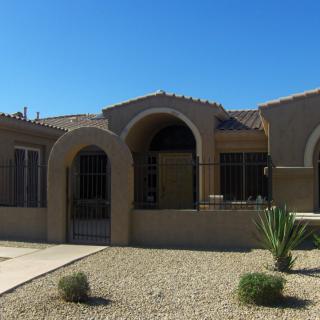
Pinnacle Peak Assisted Living
$2,800 to $3,100 / month18.9 miles away -
from +$400 / mo
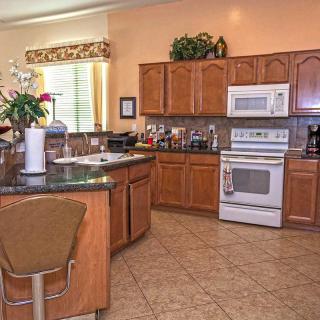
Royal Paradise Care
$2,900 to $3,800 / month7.2 miles away -
from +$350 / mo

Covenant Care Assisted Living Home
$2,850 to $3,705 / month10.8 miles away -
About the same
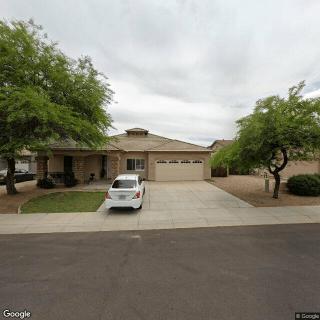
Anc Assisted Living Homes I
$2,500 to $3,500 / month13.3 miles away -
from -$100 / mo
Arabian Views Assisted Living One
$2,400 to $3,200 / month15.2 miles away
Overall Review of Maui Care Home
Pros
 The caregivers go above and beyond expectations to love their residents and provide the best care.
- The care at Maui Care Home is fantastic, with attentive and caring staff.
- The staff showed the utmost care, kindness, and respect to residents in their final year.
- From arrival, residents are made to feel at home, treated like family.
- The nurses, aides, and the entire team are always attentive, keeping residents comfortable, engaged, and well cared for.
- They take the time to know residents’ likes and what makes them smile, making their days as fulfilling as possible.
- The warmth and compassion shown by the staff extend to families during difficult moments.
- Families have immense peace of mind knowing their loved ones are in loving hands.
- The team makes families feel welcome, like a second family.
- They encourage visits and coordinate with hospice to meet all needs.
- Maui Care Home comes highly recommended for compassionate, kind, and excellent care.
Cons
 There are no activities for residents.
- The main caregiver is rude and rough with residents and rude to families.
- The snacks provided are not healthy, described as Twinkles and puffed cheese balls.
- Residents sit in wheelchairs all day with little or no interaction.
Review
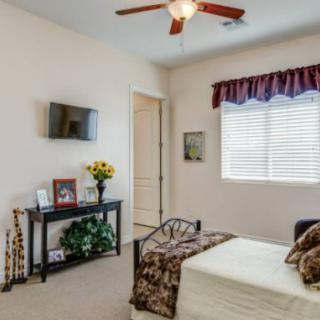
Maui Care Home in Peoria, AZ is best suited for families seeking a small, nurse-owned, home-like setting where care feels personal, compassionate, and highly attentive. It works well for residents who value dignity, gentle end-of-life support, and a family-oriented atmosphere over formal programming. The strongest appeal is a sense that the resident will be treated as a person with preferences, not just a number, and that hospice or long-term comfort needs can be met with hands-on, consistent attention. For families navigating the later stages of illness or recovery, this community can deliver peace of mind through a tightly knit, “in-home” caregiver ecosystem.
That said, some families will want to consider alternatives. The drawbacks noted in several reviews point to limited structured activities and engagement opportunities, which may leave residents with fewer outlets for social interaction and stimulation. There are clear warnings about inconsistent demeanor from a primary caregiver and snacks that don’t meet expectations, alongside reports of residents remaining seated in wheelchairs for long stretches. If a resident thrives on daily programming, social clubs, outings, or a more regimented activity calendar, Maui Care Home may feel restrictive. Families should weigh the value of warmth and individualized attention against the cost of limited engagement options.
The strongest pros center on the human quality of care. Reviewers repeatedly describe caregivers as loving, attentive, and genuinely devoted to knowing each resident’s likes, dislikes, and routines. The environment feels like a second family, with staff who work closely with families and hospice teams to align care with comfort, dignity, and daily meaning. The nurse-owned structure appears to foster a tightly coordinated approach to health needs, with a palpable emphasis on respect, empathy, and personal connection. For families seeking a compassionate, low-stress pathway through progressive illness or end-of-life care, these advantages are meaningful and often decisive.
These benefits, however, do not fully negate the main cons. The absence of robust daily activities can undermine mood, cognitive engagement, and social belonging for residents who crave interaction beyond casual conversations and occasional events. The reports of a single caregiver’s rough or rude behavior toward residents and families raise legitimate concerns about consistency, training, and the potential for untreated friction to affect the resident’s daily experience. Snack quality and dietary variety, while seemingly minor, reflect overall programming standards and can influence satisfaction for residents with specific preferences. In other words, warmth and dignity are present, but a lack of proactive engagement can dampen overall quality of life for some residents.
Decision-making hinges on prioritizing what matters most. If the priority is a genuinely caring residence where staff know the resident well, advocate for open communication with caregivers, and welcome hospice collaboration, Maui Care Home delivers with authority. Families should still insist on observing a typical day, meeting multiple team members, and requesting a concrete activity plan to fill daytime hours. Those considering this community should confirm staffing coverage, address any behavior concerns head-on, and inquire about menu revisions and snack options to ensure nutritional and cultural needs are respected. The right fit thrives on alignment between the resident’s social needs and the care philosophy in place.
In the end, Maui Care Home stands out for warmth, dignity, and individualized care that can make a difficult transition feel manageable and humane. It is especially compelling for families seeking a homelike, intimate setting where end-of-life or recovery care is treated with reverence and consistent empathy. Yet for residents who require richer daily programming, more dynamic engagement, or reassurance against occasional caregiver friction, it may be wise to compare with larger assisted-living options that foreground activity schedules and diversified staffing. For the right resident and family, Maui Care Home can be a sanctuary; for others, a measured pivot to an option with more structured engagement may be warranted.
 9 resident community capacity
 Assisted Living
 Board and Care Home
 Cats allowed
 Dogs allowed
 Activities on-site
 Bath tubs
 Beautician on-site
 Cable or satellite TV
 Devotional services on-site
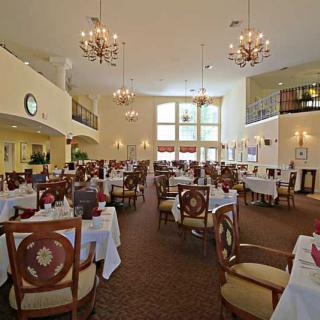
 Dining room
 Fully furnished
 Garden
 Housekeeping services
 Indoor common areas
 Move-in coordination
 Outdoor common areas
 Private
 Private bathrooms
 Respite or short term stays offered
 Swimming pool / hot tub
 Telephone
 Wheelchair accessible showers
 Wi-Fi/high-speed internet available
 Phoenix Sky Harbor International (18 miles away)
 24-hour supervision
 Assistance with bathing
 Assistance with dressing
 Assistance with transfers
 Diabetes diet
 Diabetic care
 High acuity care
 Incontinence care
 Meal preparation and service
 Medication management
 Special dietary restrictions
 Transportation arrangement (medical)
 Transportation to doctors appointments
 Exploring the Contrasts Between Assisted Living and Skilled Nursing
 8 Key Indicators That Suggest It May Be Time to Transition from Assisted Living to Skilled Nursing Care
 Vibrant Senior Living: A Comprehensive Guide for Active Older Adults