







8854 West Irma Lane, Peoria, AZ 85382
For more information about senior living options: (866) 208-4318
Overall Review of Agave Assisted Living Home II
Pros
 Kim is amazing.
- She truly cares about everyone in the house.
- The care workers are amazing.
- They are taking such care with him.
- The owner goes above and beyond to meet families so residents can get to know her.
- The staff provides one-on-one attention and keeps families updated.
- They arrange doctors to visit the home, making care easier for residents.
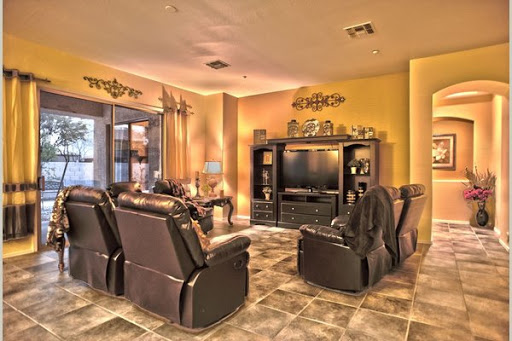
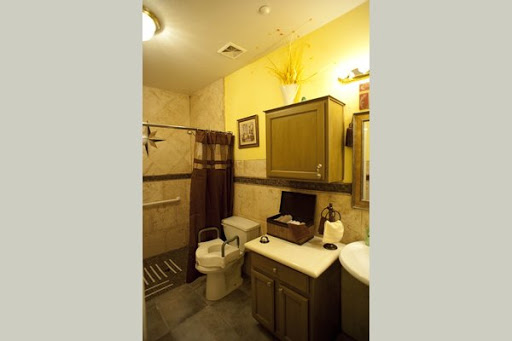
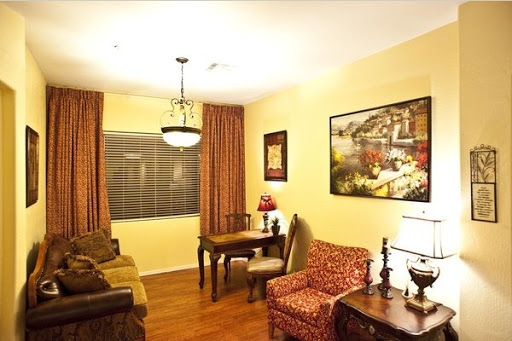
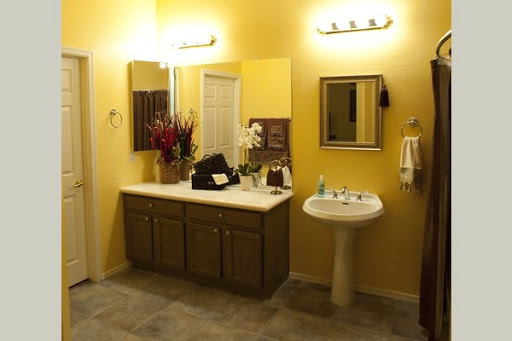
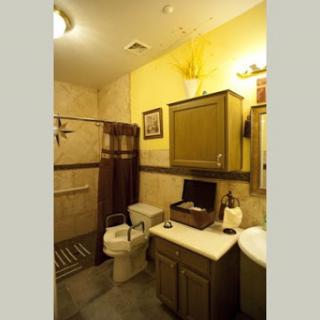
- The house is clean, odor-free, and welcoming.
- They provide home-cooked meals, activities, and crafts that keep residents engaged and make them feel special.
Cons
 One reviewer felt uncomfortable leaving their grandmother at any of the other facilities.
 - The reviewer notes that other facilities smelled of urine.
- The reviewer looked at at least five places and did not feel comfortable leaving a loved one at any of them before finding this home.
Review
Agave Assisted Living Home II in Peoria, AZ is best suited for families seeking a warm, intimate, home-like setting where seniors receive highly personalized attention, private living arrangements, and hands-on support from staff who treat residents like family. It excels for loved ones who value one-on-one interactions, consistent warmth from caregivers, and the peace of mind that comes with on-site coordination of care, including doctors visiting the home. Residents who thrive in a domestic environment, enjoy home-cooked meals, and participate in regular crafts and holiday celebrations will find this community aligns with their daily rhythm. The model is clearly built around personal familiarity, predictable routines, and a sense of belonging rather than a large, institutionalized atmosphere.
Those considering alternatives should weigh upward against needs that go beyond a small, home-based setting. If a senior requires around-the-clock skilled nursing, intensive medical oversight, or a highly structured daily schedule with formal memory-care programming, a larger facility or dedicated memory-care community may be a better fit. For families seeking expansive social calendars, diverse on-site activities, or highly specialized care teams on site at all hours, the intimate home model can feel limited by scale. In short, this is a superior match for residents who prioritize privacy, individualized attention, and a genuine home environment over breadth of services.
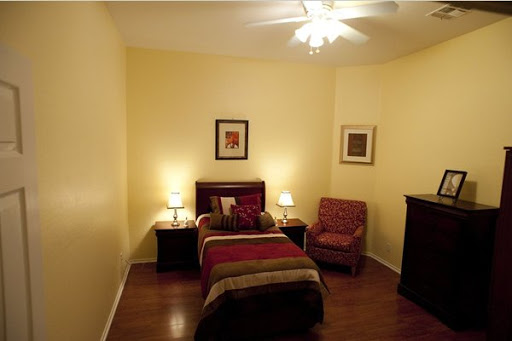
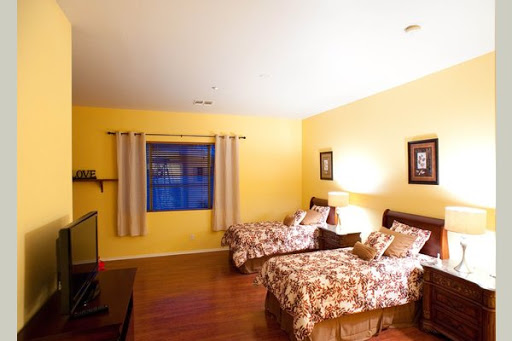
The strongest upside lies in the care model itself. Private spaces with separate bedrooms and shared living and dining areas foster both independence and social connection without sacrificing safety or supervision. Cleanliness and a home-like ambience are consistently noted, along with the absence of institutional odors and a clear pride in upkeep. The staff is described as extraordinarily caring, with many reviews highlighting one-on-one attention and a culture where residents are treated as individuals with distinct routines and preferences. The ability to tailor meals, activities, and daily rhythms to the person, paired with home-cooked meals and frequent celebratory touches, helps residents feel valued and secure.
Communication is another standout pro. Families repeatedly express ease of contact and timely updates about medical issues or changes in status. The owner and staff are perceived as trustworthy, accessible, and proactive about coordinating with outside medical providers who visit the home, which reduces the friction often associated with arranging in-home care. This level of responsiveness and transparency is particularly meaningful for families juggling multiple responsibilities, giving them confidence that the loved one’s needs are monitored closely without becoming a burden to the care team. In practical terms, this translates to fewer anxious calls and more consistent reassurance.
A potential limitation, drawn from the same sets of observations, is the inherent trade-off of a smaller, domestic setting: the breadth of medical resources and structured programming found in larger facilities. While doctors visit the home and mobile care providers participate actively, there may be occasions when more specialized care or a broader schedule of on-site activities is desirable. Yet the core pros, personalized attention, rapid communication, and a genuine sense of home life, large-scale pros tend to dilute. When medical needs remain manageable within a home-style framework and the priority is emotional comfort and daily quality of life, these limitations are largely offset by the demonstrated commitment of staff and the intimate environment.
In the end, Agave Assisted Living Home II stands as a clear recommendation for families prioritizing a warm, private, family-like atmosphere with dedicated caregivers who know residents well and coordinate medical care seamlessly. It is especially compelling for seniors who value companionship in a home setting, regular personal interactions, and thoughtful touches that mark everyday life as meaningful. For families whose loved one requires heavy nursing support, highly regimented memory-care protocols, or a bustling, facility-scale social schedule, it is prudent to examine larger communities. The decisive choice hinges on whether the priority is a home-centered approach with personal attention and straightforward doctor access, or a more institutional setting with broader medical and programming resources.
 10 resident community capacity
 Assisted Living
 Board and Care Home
 Respite Care
 Activities on-site
 Cable or satellite TV
 Devotional services off-site
 Dining room
 Fully furnished
 Garden
 Housekeeping services
 Indoor common areas
 Move-in coordination
 Outdoor space
 Telephone
 Wi-Fi/high-speed internet available
 Phoenix Sky Harbor International (22 miles away)
 24-hour supervision
 Ambulatory care
 Assistance with bathing
 Assistance with dressing
 Assistance with transfers
 Diabetes diet
 Diabetic care
 Meal preparation and service
 Medication management
 Special dietary restrictions
 Transportation arrangement (medical)
 Transportation to doctors appointments





 A Detailed Exploration of Assisted Living Medicaid Waivers Across the United States
 Comprehensive Residential Support and Assisted Living Solutions for Individuals with Disabilities
 Comprehensive Supportive Living Arrangements for Adults with Disabilities