
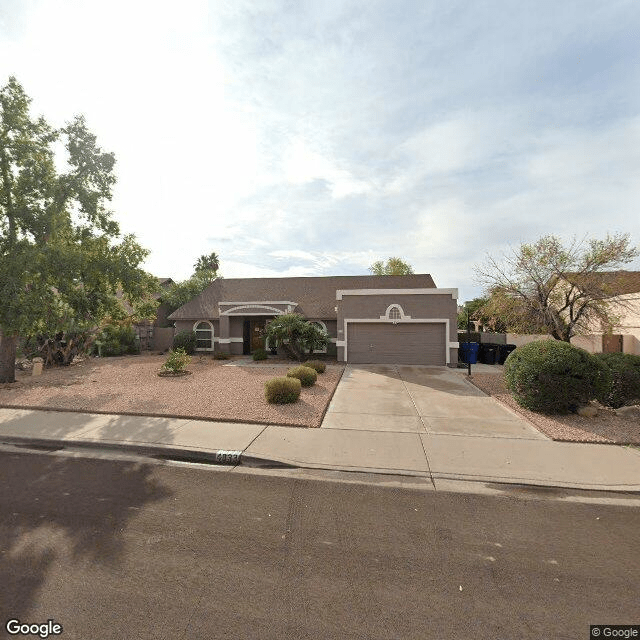
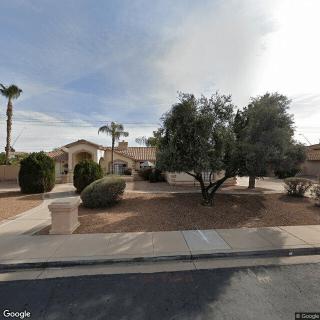
4833 East Mc Lellan Road, Mesa, AZ 85205
For more information about senior living options: (866) 208-4318
Seven Haven Costs & Pricing
At Seven Haven, the monthly costs for accommodations are thoughtfully positioned to provide value while remaining competitive within the broader market landscape of Maricopa County and Arizona. For a semi-private room, residents can expect to pay $2,700, which is notably lower than the county average of $2,801 and the state average of $2,820. Similarly, for those seeking greater privacy in a private room, Seven Haven offers a rate of $3,300 - a figure that also falls below both the county's average of $3,318 and Arizona's average of $3,345. This strategic pricing not only enhances accessibility for potential residents but also reflects Seven Haven's commitment to delivering quality care without compromising on comfort or financial considerations.
| Floor plans | Seven Haven | Maricopa County | Arizona |
|---|---|---|---|
| Semi-Private | $2,700 | $2,801 | $2,820 |
| Private | $3,300 | $3,318 | $3,345 |
Assisted Living communities with a similar price nearby
-
from +$100 / mo

Pinnacle Peak Assisted Living
$2,800 to $3,100 / month20.5 miles away -
About the same

The Eldercare Home Of Tempe
$2,625 to $3,412 / month11.2 miles away -
from -$300 / mo
Arabian Views Assisted Living One
$2,400 to $3,200 / month19.2 miles away -
from -$200 / mo
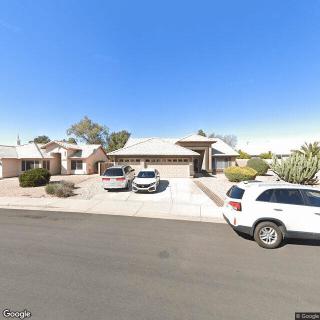
Bella Vista Assisted Living Home
$2,500 to $3,000 / month4.5 miles away -
from +$500 / mo

Evergreen Assisted Living
$3,200 to $7,500 / month16.9 miles away
Overall Review of Seven Haven
Pros
 The community is owned by a mother-daughter team and they are absolutely wonderful.
- They treat residents like family and genuinely care about their loved ones.
- It is a super clean facility; nothing is out of place.
- Even though there aren’t many activities, the mother-in-law is progressing very well.
- The food is excellent, home-cooked, and smells great.
- They care for residents very well, which leads others to recommend the community.
Cons
 There isn't many activities.
Review
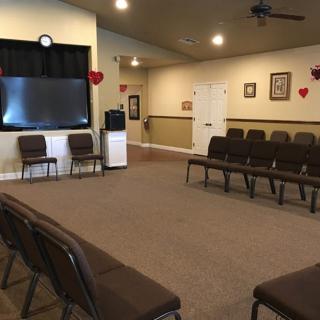
Seven Haven in Mesa, AZ is best suited for families seeking a small, family-owned assisted living where residents are treated like kin. The mother-daughter ownership translates into steady, hands-on oversight and a culture anchored in personal care rather than corporate distance. It works especially well for seniors who value predictable routines, warm human connection, and meals that feel like home. The emphasis on cleanliness and a calm, home-like atmosphere makes this community an attractive option for someone whose well-being hinges on reliable oversight, gentle supervision, and steady, incremental progress.
That said, this setting may not be the right fit for every family. Those who prioritize a robust activities calendar, intensive clinical programming, or a more resort-like atmosphere with high-frequency programming should consider alternatives. If structured social engagement, frequent group outings, or formal therapy services are non-negotiable, other communities with larger staff teams and broader programming will likely serve those needs better.
The chief positives are clear and actionable. The family ownership directly translates into trust, accessibility, and a culture where caregivers are genuinely invested in each resident’s welfare. The facility shines in cleanliness, every corner feels orderly, and the environment minimizes disorder and confusion that can unsettle seniors. Home-cooked meals that smell inviting reinforce a sense of comfort and daily satisfaction, contributing to overall well-being and mood. Crucially, the resident’s progress is noticeable, signaling that the care plan is responsive, attentive, and aligned with individual goals.
Where the gap shows up, the lack of extensive activities could be a drawback for residents who crave constant stimulation and a busy social calendar. Yet the upside of the intimate, high-touch environment is that the staff can deliver highly personalized engagement tailored to each resident’s interests, even if those activities aren’t formally scheduled. The owners’ hands-on approach allows care to adapt fluidly, one-on-one chats, small in-house social moments, or spontaneous light programming, so meaningful connection remains a daily possibility. The combination of a clean setting, excellent meals, and attentive staff often translates into meaningful days, even without a packed activity slate.
For families evaluating options, the practical move is to ask pointed questions during visits: What does a typical day look like for a resident who is similar to theirs? How are activities chosen, and who leads them? How flexible is programming when a resident’s interests shift? What is the staff-to-resident ratio during peak hours? Can the kitchen accommodate dietary restrictions and cultural preferences? Inquire about progression milestones for residents, and whether staff regularly update care plans as needs evolve. This due diligence will clarify whether the intimate, home-like model will continue to meet evolving needs or if a more diversified program is required.
In the end, Seven Haven stands out as a thoughtful, well-run choice for families seeking a warm, family-centric atmosphere in Mesa. It delivers on cleanliness, genuine caregiver warmth, and meals that feel like home, with clear indications of positive, individualized progress. If those attributes align with the senior’s temperament and family priorities, the decision becomes straightforward: this is a dependable, high-touch option that excels where it matters most, personal connection and daily comfort. If, however, the priority is a richly structured activities program or advanced therapeutic offerings, a closer look at alternative communities is warranted to avoid mismatches between expectations and daily life.
 8 resident community capacity
 Assisted Living
 Board and Care Home
 Cable or satellite TV
 Dining room
 Fully furnished
 Garden
 Housekeeping services
 Move-in coordination
 Outdoor space
 Private
 Telephone
 Wi-Fi/high-speed internet available
 Phoenix Sky Harbor International (16 miles away)
 24-hour supervision
 Activities of daily living assistance
 Assistance with bathing
 Assistance with dressing
 Assistance with transfers
 Diabetes diet
 Diabetic care
 Incontinence care
 Meal preparation and service
 Medication management
 Special dietary restrictions
 Transportation arrangement (medical)
 Transportation to doctors appointments



 Understanding Medicaid Coverage for Assisted Living: A Comprehensive Guide
 How and When Medicaid May Cover Assisted Living Costs
 A Detailed Exploration of Assisted Living Medicaid Waivers Across the United States