

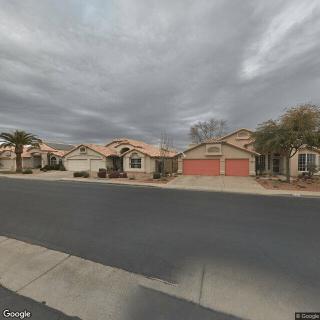
1103 West Mendoza Avenue, Mesa, AZ 85210
For more information about senior living options: (866) 208-4318
Ibransie Loving Care Home Costs & Pricing
Ibransie Loving Care Home offers competitive pricing for its services compared to the broader market in Maricopa County and the state of Arizona. For a semi-private room, residents can expect to pay $2,000 per month, which is significantly lower than the county average of $2,801 and the state average of $2,820. Similarly, those opting for a private room at Ibransie Loving Care Home will find their monthly cost to be $2,500, well below Maricopa County's average of $3,318 and Arizona's statewide figure of $3,345. These rates reflect not only an affordable option for families seeking quality care but also underscore Ibransie's commitment to providing exceptional value in a supportive environment.
| Floor plans | Ibransie Loving Care Home | Maricopa County | Arizona |
|---|---|---|---|
| Semi-Private | $2,000 | $2,801 | $2,820 |
| Private | $2,500 | $3,318 | $3,345 |
Assisted Living communities with a similar price nearby
-
About the same

Angel's Adult Group Home
$2,000 to $3,000 / month8.5 miles away -
About the same

Divine Mercy Assisted Living Home
$2,005 to $3,110 / month9.5 miles away -
from +$255 / mo

Windsor Luxury Assisted Living, LLC
$2,255 to $5,950 / month12.5 miles away -
from +$225 / mo

Harts Home - Exceptional Elder Care
$2,225 to $5,500 / month14.6 miles away -
from -$200 / mo

Divine Grace Assisted Living Home
$1,800 to $2,500 / month14.6 miles away
Overall Review of Ibransie Loving Care Home
Pros
 The facility feels like a home with family, and the care exceeds expectations.
- The married couple who run the home are loving and very attentive to everyone’s needs, including visitors.
- The home is clean, and the homemade meals are delicious.
- The mom received attentive care for a year and felt like a friend to the caregivers.
- The family would vouch for them to care for loved ones as they would themselves.
- The staff are patient and caring, frequently checking in to ensure comfort.
- The community is a clean, private residence where residents are well cared for and enjoy services like manicures and pedicures.
Cons
 The caretaker left early, leaving a person with dementia alone for the rest of the shift and fudged the timecard to bill for full hours.
- They advise against using the company because it will not call or show up.
- Ray failed to show up for an in-home assessment and did not communicate the delay.
- The service was unreliable and dishonest, with caregivers frequently late or not showing up and no backup plan.
- There was no clock-in/clock-out system, allowing lateness or no-shows to go untracked.
- There were incidents of theft and misuse, including a caregiver using the client’s credit card.
- Caregivers allegedly borrowed the client’s car for personal errands and left early to get paid.
- The company violated privacy by requesting and sending photos of the client without permission.
Review
This community is best suited for families seeking an intimate, home-like environment where care feels personal and the residents are treated as part of a private family. It works well for seniors who savor a cozy, small-house feel, regular meals shared with others, and light daily routines rather than a large, clinical setting. Prospective residents who value direct access to the owners and a warm, materially clean home environment will especially appreciate the atmosphere, as the couple who run the house are described as loving, attentive, and genuinely invested in each resident’s comfort. It suits someone who can thrive on social meals, simple activities, and the sense of being known by name and by routine.
At the same time, alternatives should be on the radar for families with higher needs for reliability, medical oversight, or formal activities programs. If 24/7 guaranteed supervision, consistent staffing, or advanced medical support is non-negotiable, this setting may fall short. Those who require a robust schedule, clear back-up coverage when staff are sick or running late, or a strict privacy and security framework will want to compare options with licensed facilities or home-care partners that maintain consistent, documented staffing and stronger incident-tracking. The reality echoed in several reviews is that dependence on a separate caregiving agency can introduce unpredictable gaps in coverage and accountability.
The strongest positives here center on a genuine, family-driven care ethos. Residents benefit from a clean, homey environment, with meals described as homemade and appealing, and housekeeping that keeps bedrooms and common areas orderly. The staff are praised for patience and attentiveness, and the community can feel social through shared meals and indoor walking or outdoor time. The owners’ direct involvement, helping a resident settle in, coordinating hospice when needed, and maintaining a family-like rapport with both residents and visiting family, delivers a level of personal attention that is hard to replicate in larger facilities. For families prioritizing warmth, accessibility, and a quieter pace, these advantages carry real weight.
Yet the most serious red flags come from care-provider reliability and governance when a separate agency is involved. Reviews repeatedly describe caregivers arriving late or not showing up, with little backup when gaps occur. Incidents of timecard misrepresentation and even theft, plus reports of a caregiver using a resident’s financial resources and inquiries about borrowing a car, sketch a pattern that directly undercuts safety and trust. Other concerns include outdated training, intrusive internal requests for photos of the client without clear consent, and a sense that communication from the care provider can be inconsistent or unprofessional. Taken together, these issues tilt the risk/reward balance away from stability and toward potential disruption of daily life and safety.
Those tensions are exactly why the pros do not entirely neutralize the cons. The intimate, home-first setting offers undeniable comfort and a sense of belonging, and hospice coordination can be a decisive relief for families in transition. But if staffing unpredictability persists, and if privacy or financial-safety concerns remain unresolved, the advantage of a familial atmosphere can quickly feel hollow. In practical terms, the best-fit judgment hinges on whether the resident’s needs can be met with dependable local oversight and a clear, enforceable plan for backup staffing. Without that, the family-run charm risks becoming a liability rather than a blessing.
For families weighing this community, a disciplined, proactive due diligence plan is essential. Visit with the owners to understand who provides day-to-day caregiving and whether staff are in-house or contracted, and request a written staffing schedule with backups. Demand a clear policy on privacy, including who may view or share a resident’s information or images. Ask for recent references beyond anecdotes, and inquire about incident logs, back-up coverage, and how emergencies are handled. Compare this model against a licensed assisted living option or a reputable home-health partner that guarantees coverage, standardized training, and transparent accountability. The decision should hinge on the degree of comfort with a small, private home and the storehouse of reliability that can be proven up front.
 5 resident community capacity
 Assisted Living
 Board and Care Home
 Respite Care
 Activities on-site
 Bath tubs
 Beautician on-site
 Cable or satellite TV
 Devotional services on-site
 Dining room
 Fully furnished
 Garden
 Housekeeping services
 Indoor common areas
 Move-in coordination
 Outdoor common areas
 Private
 Private bathrooms
 Telephone
 Wheelchair accessible showers
 Wi-Fi/high-speed internet available
 Phoenix Sky Harbor International (10 miles away)
 24-hour supervision
 Ambulatory care
 Assistance with bathing
 Assistance with dressing
 Assistance with transfers
 Diabetes diet
 Diabetic care
 High acuity care
 Incontinence care
 Meal preparation and service
 Medication management
 Special dietary restrictions
 Transportation arrangement (medical)
 Transportation to doctors appointments






 Senior Transition Services: Understanding Their Role, Cost, and Importance
 Exploring the Path to Senior Living: A Comprehensive Look at Independent Living and Assisted Living
 Is Assisted Living Deductible on Your Taxes? Understanding the Complexities of Assisted Living Expenses and Deductions