
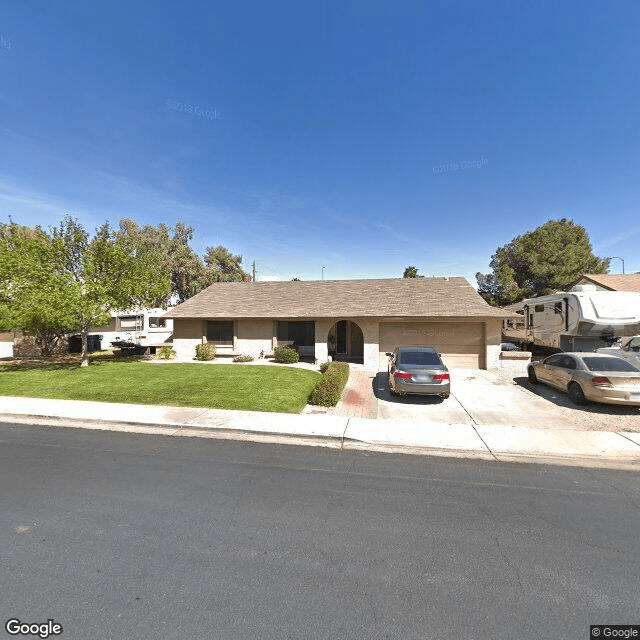
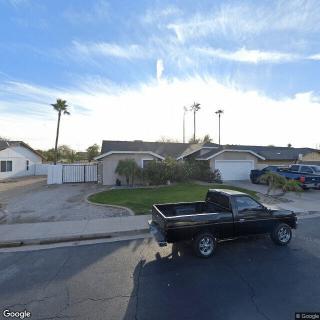
1339 N Parsell, Mesa, AZ 85203
To contact a resident: (480) 733-5389
For more information about senior living options: (866) 208-4318
Hohokam Adult Care Home Costs & Pricing
Hohokam Adult Care Home offers competitively priced accommodations, particularly when compared to the broader Maricopa County and state averages. For semi-private rooms, residents can expect to pay $1,500 per month, which is significantly lower than the county's average of $2,801 and the statewide average of $2,820. Similarly, private rooms at Hohokam are available for $1,800 monthly, contrasting sharply with Maricopa County's average of $3,318 and Arizona's overall average of $3,345. This pricing structure positions Hohokam Adult Care Home as an appealing choice for those seeking quality care without the financial strain often associated with similar facilities in the area.
| Floor plans | Hohokam Adult Care Home | Maricopa County | Arizona |
|---|---|---|---|
| Semi-Private | $1,500 | $2,801 | $2,820 |
| Private | $1,800 | $3,318 | $3,345 |
Senior living communities with a similar price nearby
-
from +$100 / mo

Maria's Garden Of Eden
$1,600 to $1,800 / month21.3 miles away -
from +$200 / mo
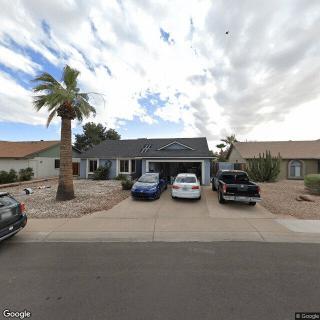
Straford MC Adult Care Home
$1,700 to $2,000 / month7.3 miles away -
from -$105 / mo

Heritage Lane Behavioral - East
$1,395 to $1,750 / month3.6 miles away -
from +$95 / mo

The Citadel
$1,595 to $2,080 / month5.5 miles away -
from +$295 / mo
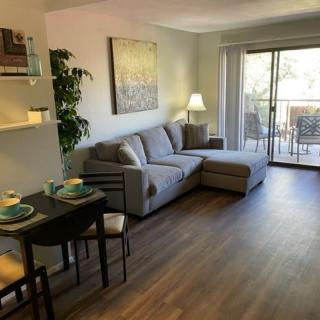
LifeStream at Glendale
$1,795 to $3,750 / month24.4 miles away
Overall Review of Hohokam Adult Care Home
Pros
 Stan and Eleanor are caring and helpful owners.
- They make every effort to ensure your family member is well taken care of every single day.
Review
Hohokam Adult Care Home in Mesa, AZ is best suited for families seeking a small, home-like setting where care is intensely personal and overseen by the owners themselves. This community excels when the priority is daily, hands-on attention and a reliable, consistent presence that translates into tangible peace of mind for families. The owners’ involvement, clear from the outset, significantly reduces the sense of disconnect that can come with larger facilities, making it a strong fit for residents who thrive on routine, direct communication, and a warm, familiar environment.
Those who may want to consider alternatives are seniors with more complex medical needs or those looking for a broader slate of on-site services and programming. A larger campus with on-site nursing staff, therapy options, secure memory care, or a wider menu of social activities can offer a different kind of support. If the expectation is scalable medical oversight, a broader activity calendar, or more formalized clinical resources, it is prudent to compare with facilities designed around those strengths rather than a small, owner-led home setting.
The single standout pro in the available feedback centers on the owners’ character and daily diligence. Stan and Eleanor are described as caring and helpful, with a clear commitment to making certain that every family member is well cared for each day. That ownership model translates into a level of responsiveness, accountability, and continuity that is rare in larger operators. Families can expect direct access to the people making decisions about care, a steady hand guiding daily routines, and a transparent sense of who is responsible for the resident’s welfare.
No explicit drawbacks are cited in the available testimony, which signals a high level of satisfaction with the arrangement. That absence of stated cons, however, should not be mistaken for a guarantee. In any small, home-style setting, potential considerations warrant verification: the scope of medical support on site, emergency response practices, staff-to-resident ratios, and proven processes for care planning and transition if needs shift. The lack of noted negatives invites a thorough due diligence check, including a visit, conversations with current residents or families, and a clear outline of the facility’s licensing, safety measures, and escalation procedures.
The pros, principally owner-driven care, daily hands-on oversight, and a warm, personalized environment, tend to offset the typical trade-offs associated with smaller homes. When the most important goal is consistent, empathetic engagement and dependable day-to-day care, the strong personal commitment from Stan and Eleanor delivers a level of trust that larger settings often struggle to replicate. The intimate scale supports frequent touchpoints, rapid problem-solving, and finely tuned routines that can help a resident feel secure, valued, and understood, even as medical or mobility needs evolve.
For decision-makers, the takeaway is clear. Hohokam Adult Care Home stands out as a compelling option for families prioritizing intimate attention, dependable daily care, and a sense of home added by dedicated ownership. It is not the default choice for those requiring substantial on-site medical programming or a wide array of amenities; in those cases, explore alternatives that emphasize clinical resources and larger activity ecosystems. If proceeding, plan a structured visit, inquire about care planning processes, request details on staffing patterns and licensing, and observe firsthand how staff interact with residents and how the owners participate in daily care. In the balance of factors, this community earns strong consideration for families who value personal stewardship and a steady, affectionate caregiving presence.
 Board and Care Home
 Private
 Private bathrooms
 Phoenix Sky Harbor International (12 miles away)
 Ambulatory care
 Diabetic care



 Engaging Brain Games and Innovative Apps to Keep Senior Minds Active
 Effective Strategies for Keeping Seniors' Minds Active: A Deep Dive into Brain Games and Apps
 In-Depth Look at the VA Aid and Attendance Program