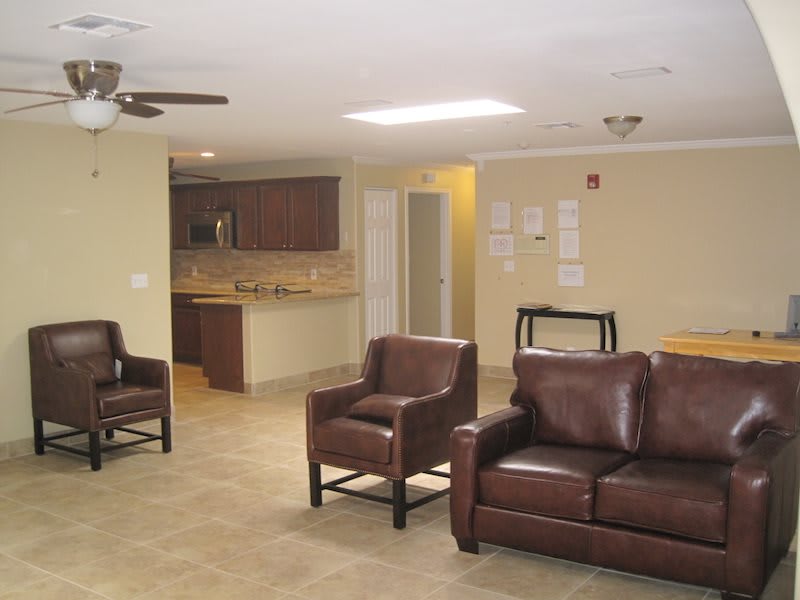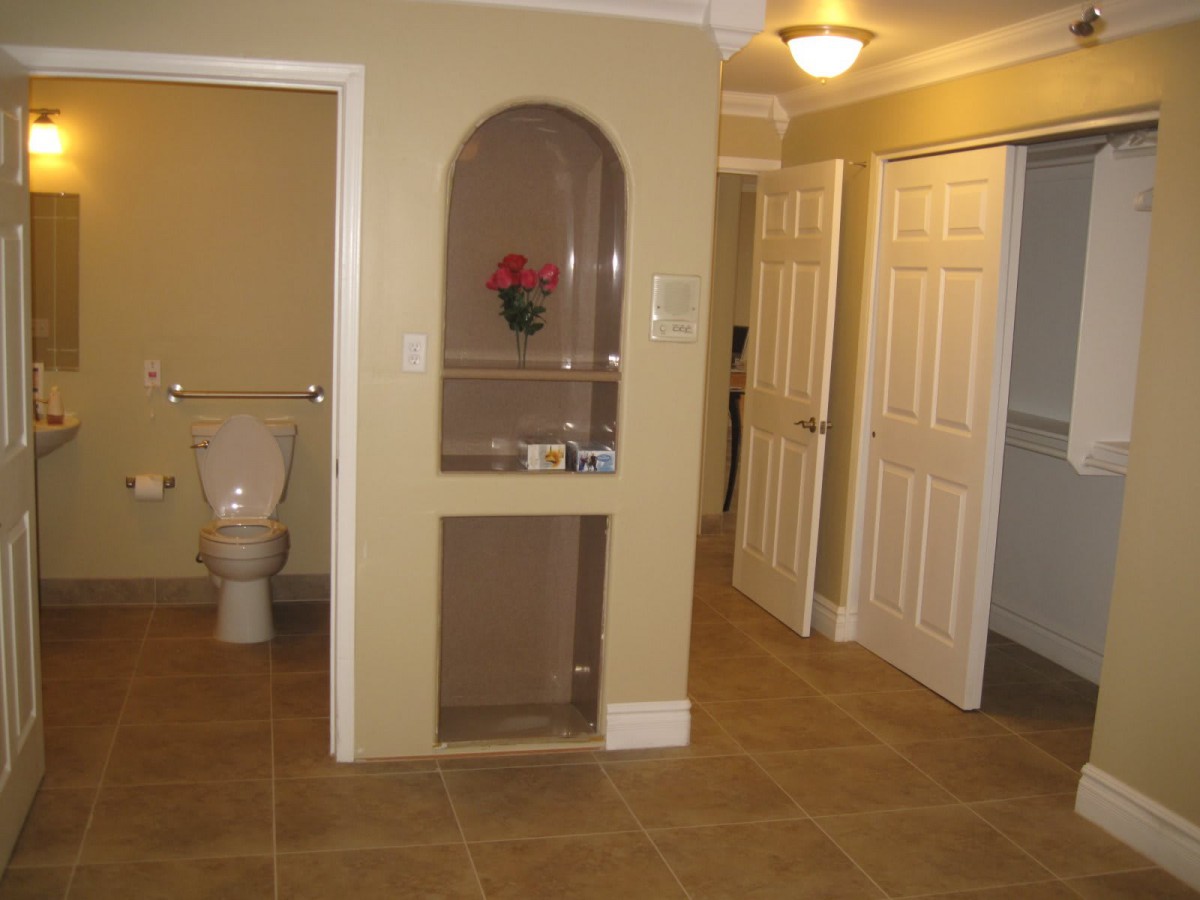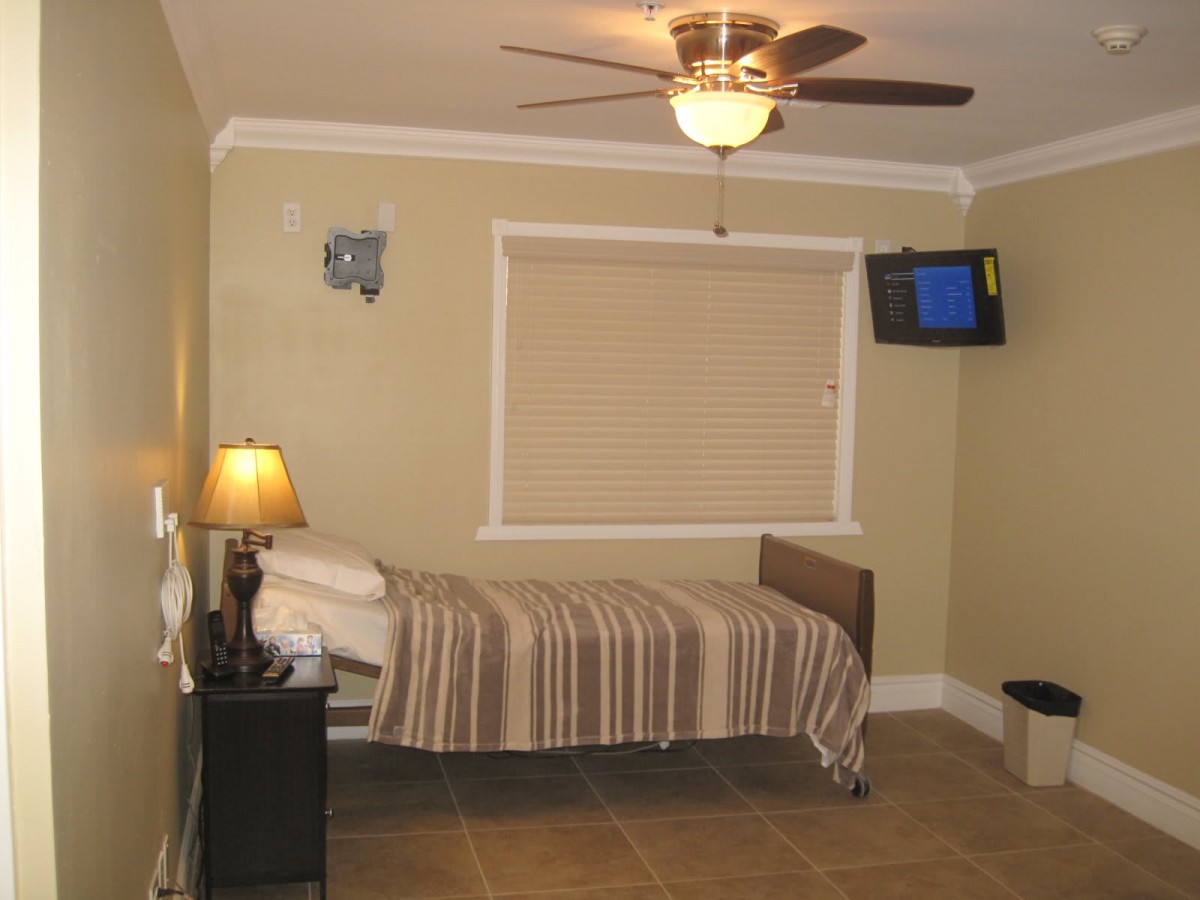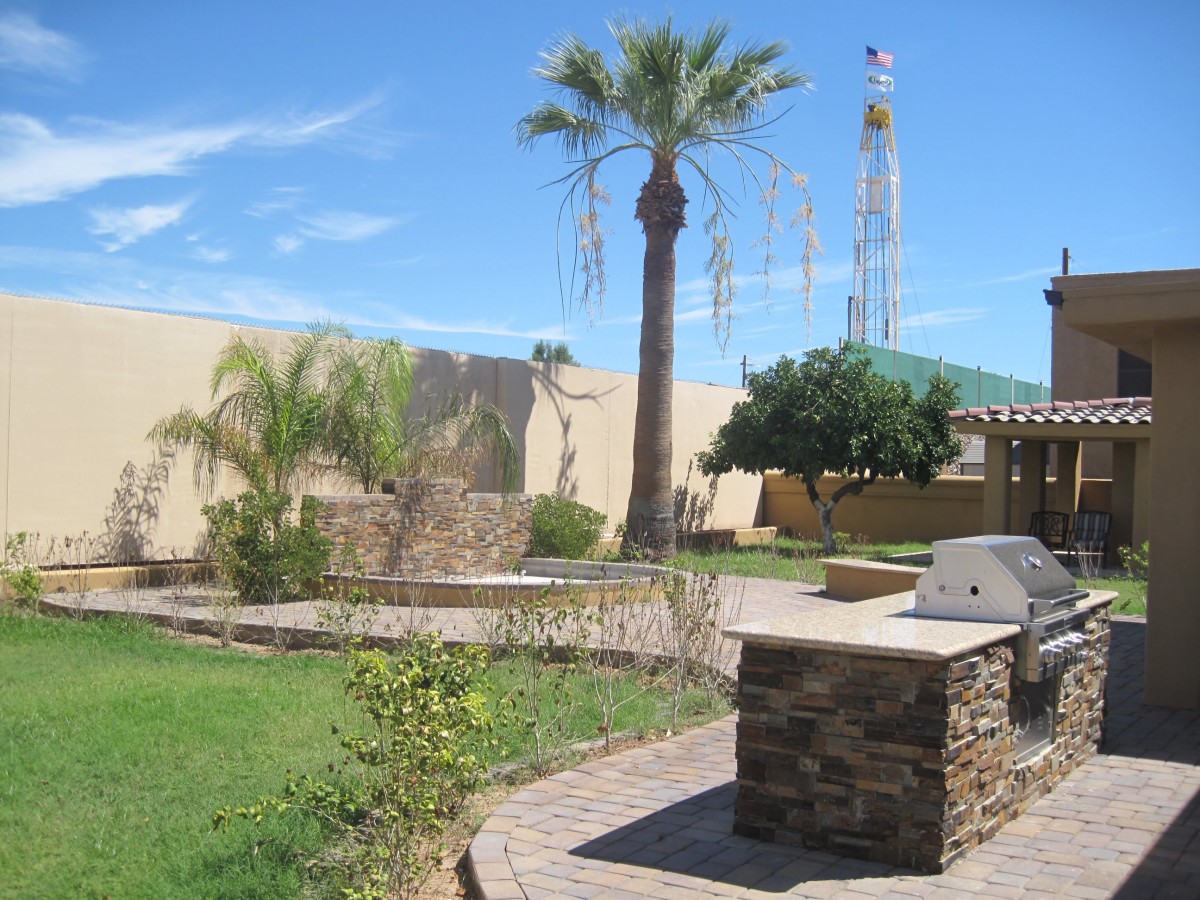



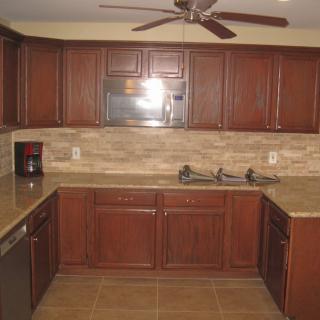
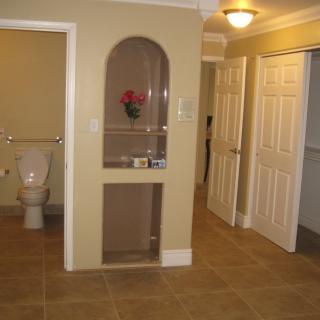

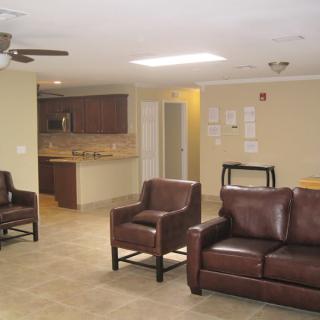
949 N Stapley Dr, Mesa, AZ 85203
To contact a resident: (480) 834-9898
For more information about senior living options: (866) 208-4318
Assisted Living of Mesa Costs & Pricing
Assisted Living of Mesa offers competitive pricing compared to the broader market in Maricopa County and the state of Arizona. For semi-private accommodations, residents can expect to pay $2,500 per month, which is notably lower than the county average of $2,801 and the statewide average of $2,820. When considering private room options, Assisted Living of Mesa provides a range from $3,000 to $6,338, aligning closely with the county's average rate of $3,318 and slightly under the state average of $3,345. This pricing strategy reflects a commitment to affordability while maintaining quality care standards in an increasingly competitive landscape for assisted living services.
| Floor plans | Assisted Living of Mesa | Maricopa County | Arizona |
|---|---|---|---|
| Semi-Private | $2,500 | $2,801 | $2,820 |
| Private | $3,000 to $6,338 | $3,318 | $3,345 |
Assisted Living communities with a similar price nearby
-
from +$300 / mo

Pinnacle Peak Assisted Living
$2,800 to $3,100 / month19.3 miles away -
from +$125 / mo

The Eldercare Home Of Tempe
$2,625 to $3,412 / month6.8 miles away -
from -$100 / mo
Arabian Views Assisted Living One
$2,400 to $3,200 / month17.0 miles away -
About the same
Bella Vista Assisted Living Home
$2,500 to $3,000 / month7.9 miles away -
About the same
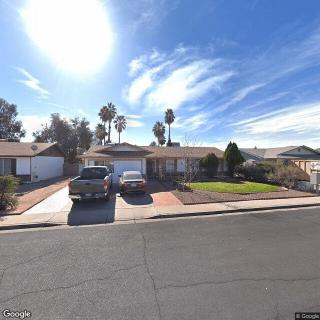
Coming Home Assisted Living Home
$2,500 to $3,000 / month3.2 miles away
Overall Review of Assisted Living of Mesa
Pros
 Jean and her staff provide excellent care for residents.
- They communicate residents' progress to families on a regular basis.
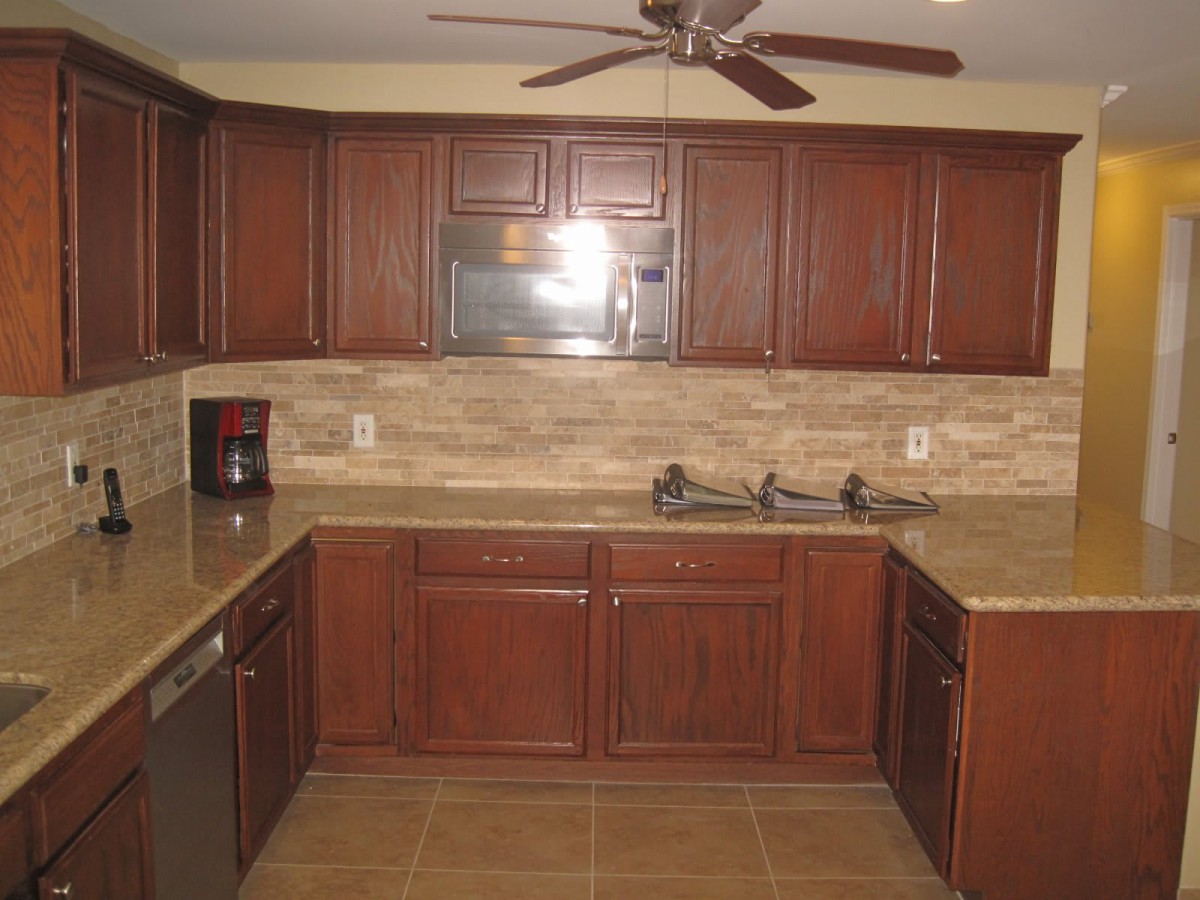
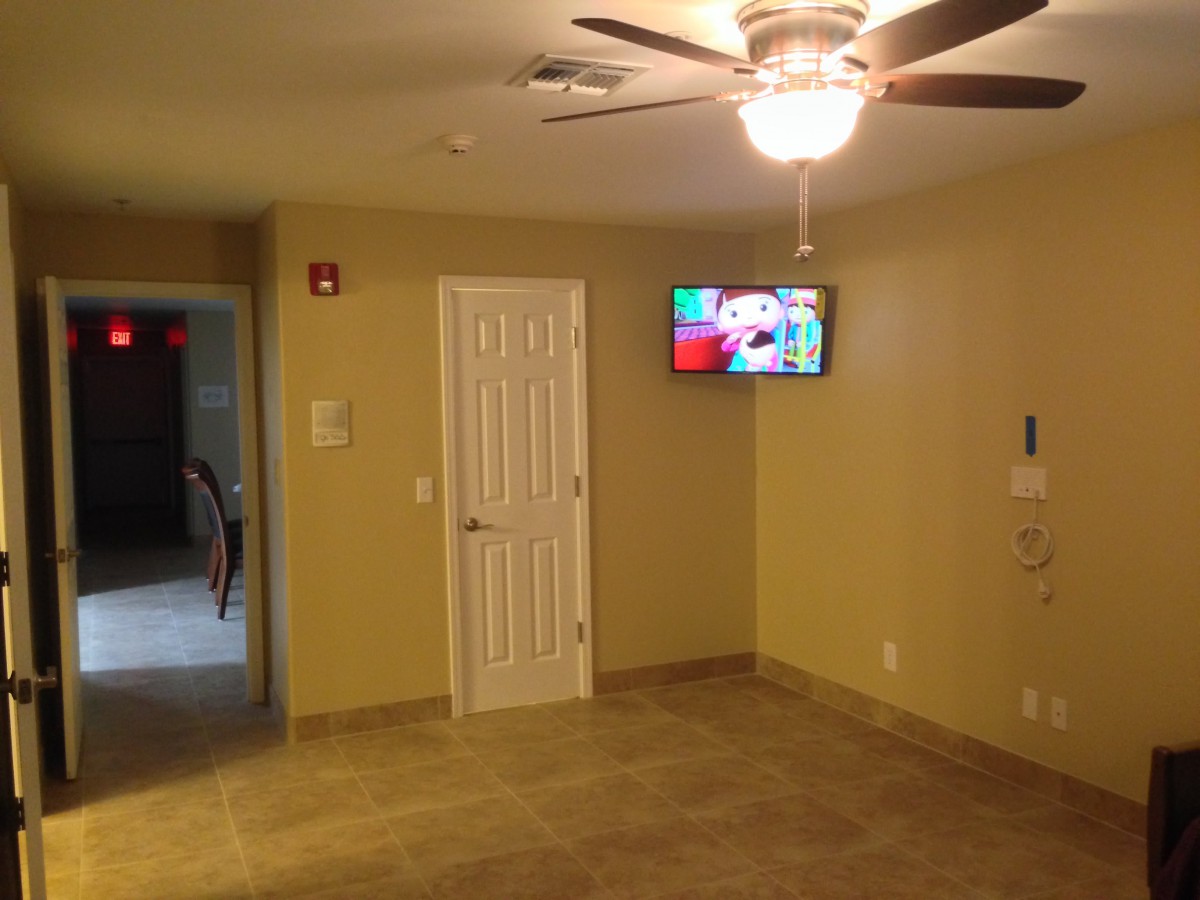
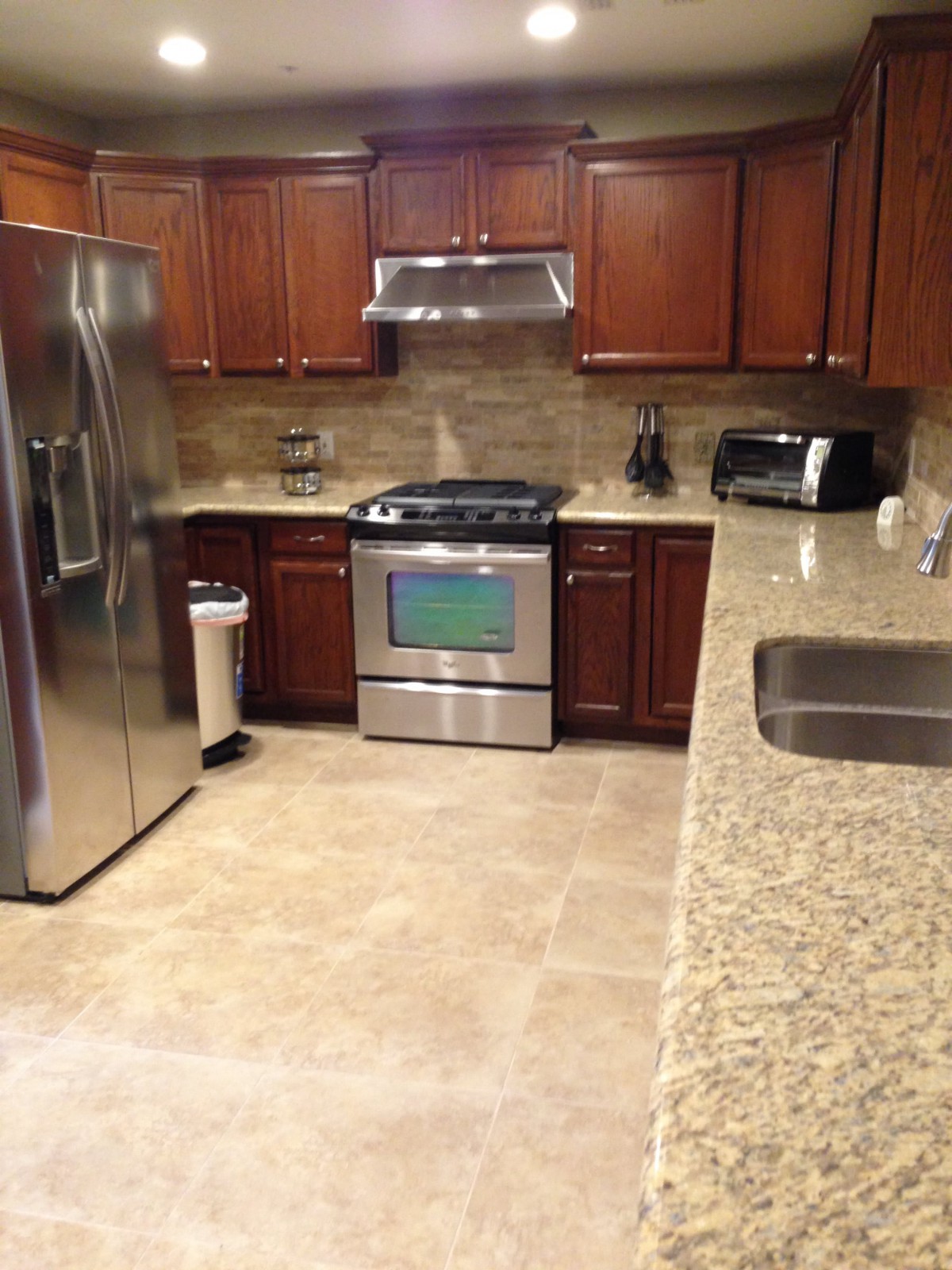
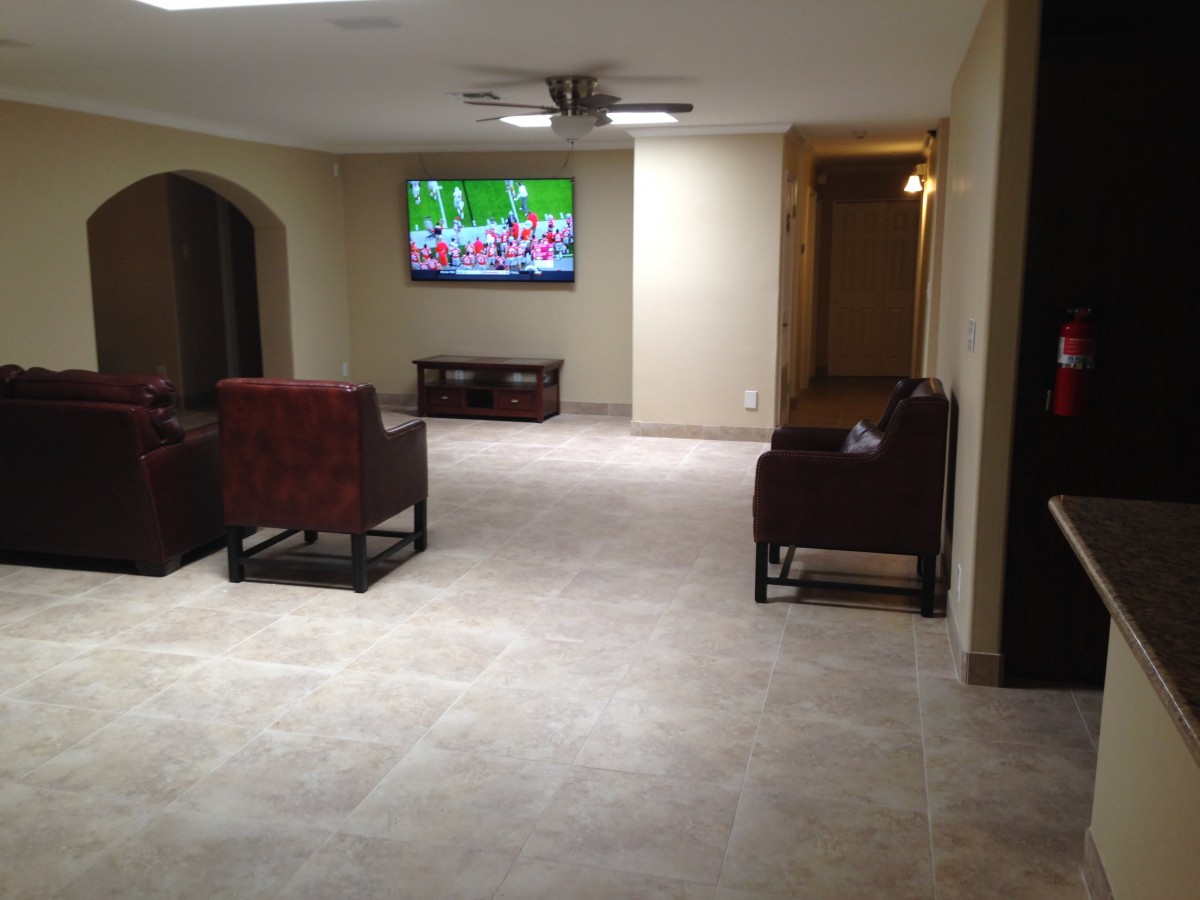
- The group homes are beautiful, accommodating, and clean, with knowledgeable staff delivering amazing care.
- The new homes are well-regarded and highly recommended.
- The facility is clean and orderly, and the staff treat residents like family.
- Families report that residents are happy, well-dressed, and engaged, with staff ensuring meals and medications.
- The environment includes celebrations and pleasant amenities that uplift residents, such as events and a mini golf putting course.
- Caregivers go above and beyond to support residents' well-being.
Cons
 They were not very experienced in hospice care.
- The food was not very good since the main cook left.
Review
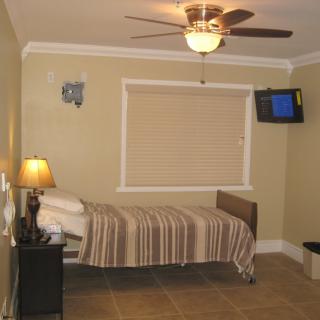
Assisted Living of Mesa is best suited for families seeking a warm, home-like setting where an older adult receives daily assistance, steady caregiver attention, and transparent, ongoing family communication. The community earns its keep on the strength of its staff, many of whom come across as consistently compassionate and engaged, the kind of caregivers who stay with residents across years and learn to read subtle mood changes, appetite cues, and medication routines. Cleanliness and order are not afterthoughts here; reviews repeatedly note tidy environments, well-kept common spaces, and a calm pace that makes daily routines feel manageable rather than rushed. The recent expansion to a new home signals financial commitment and an intent to improve living space, aligning with families who want comfort, predictability, and visible care planning for a resident who benefits from regular human contact.
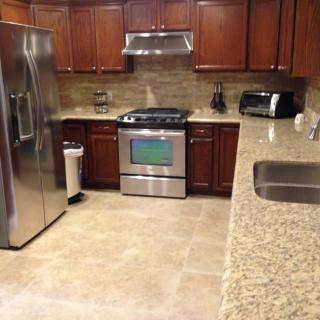
Prospective families should consider alternatives if the resident requires hospice-level clinical oversight or highly specialized medical management. While caregivers are described as loving and attentive, hospice-specific expertise was not the focus of the reviews, and residents with needs for advanced pain control, frequent clinical assessments, or complex wound care may wish to explore facilities with stronger medical-oversight structures. Similarly, for those for whom a gourmet dining experience matters as a priority, the feedback about food quality is a real caveat, an area that may stabilize as the newly expanded kitchen and staff normalize, but it remains a risk if dining quality is non-negotiable. Memory-care needs also warrant verification of whether a dedicated memory-care unit exists and how staff are trained to manage cognitive challenges.
From the positive side, the community’s strengths are tangible and straightforward: staff who communicate progress regularly with families, a genuinely warm approach to care that makes residents feel valued, and a clean, orderly environment where daily life unfolds with predictable routines. Residents consistently appear well-dressed and engaged during visits, and stories about staff going the extra mile, such as one caregiver using humor or a playful dance to lift a mood, underline a culture of personal connection. The addition of a new home reflects growth, not merely expansion, and the willingness to invest in better spaces often translates into more attentive care, increased capacity for meaningful activities, and improved privacy in private rooms or smaller-group settings. The involvement of long-standing, engaged staff, Dr. D’s weekly visits and Maweem’s caregiving, also reinforces clinical reassurance and continuity.
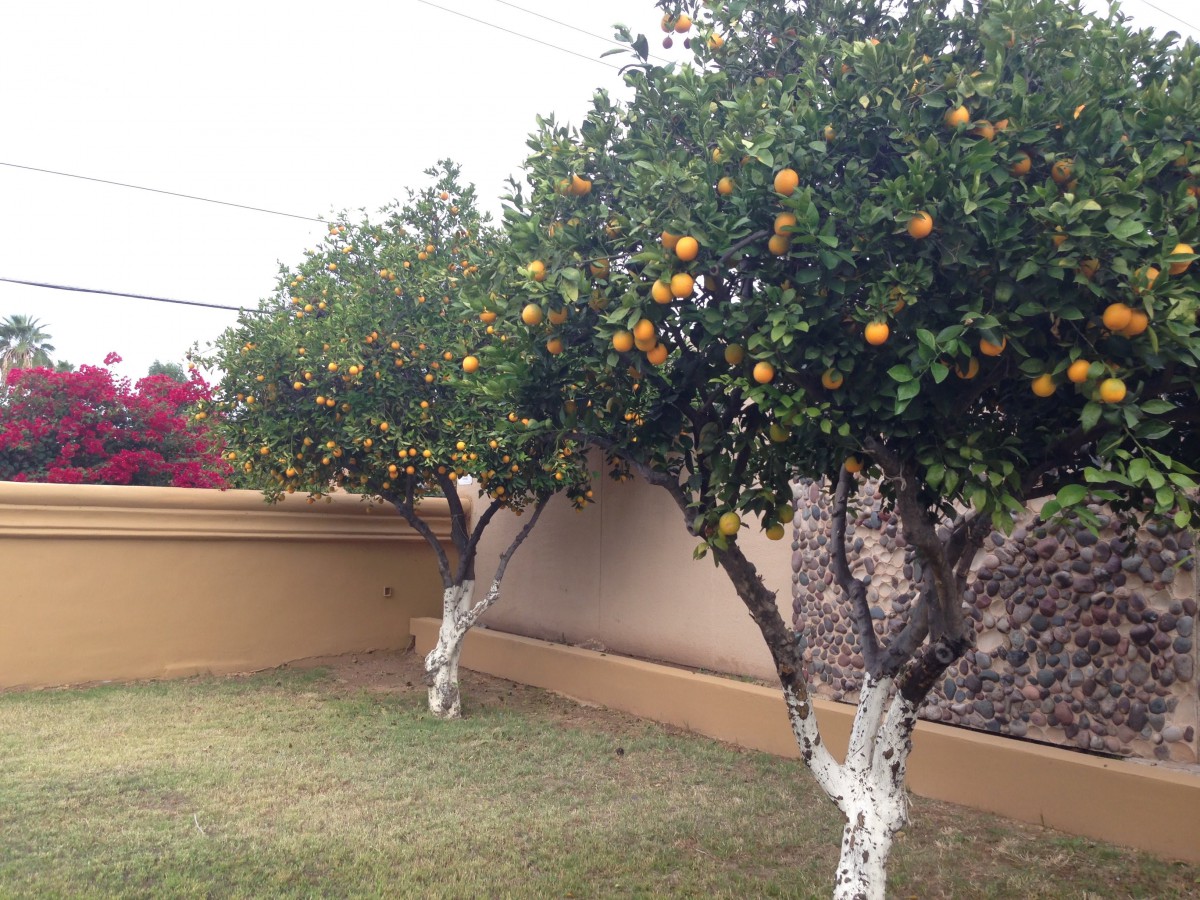
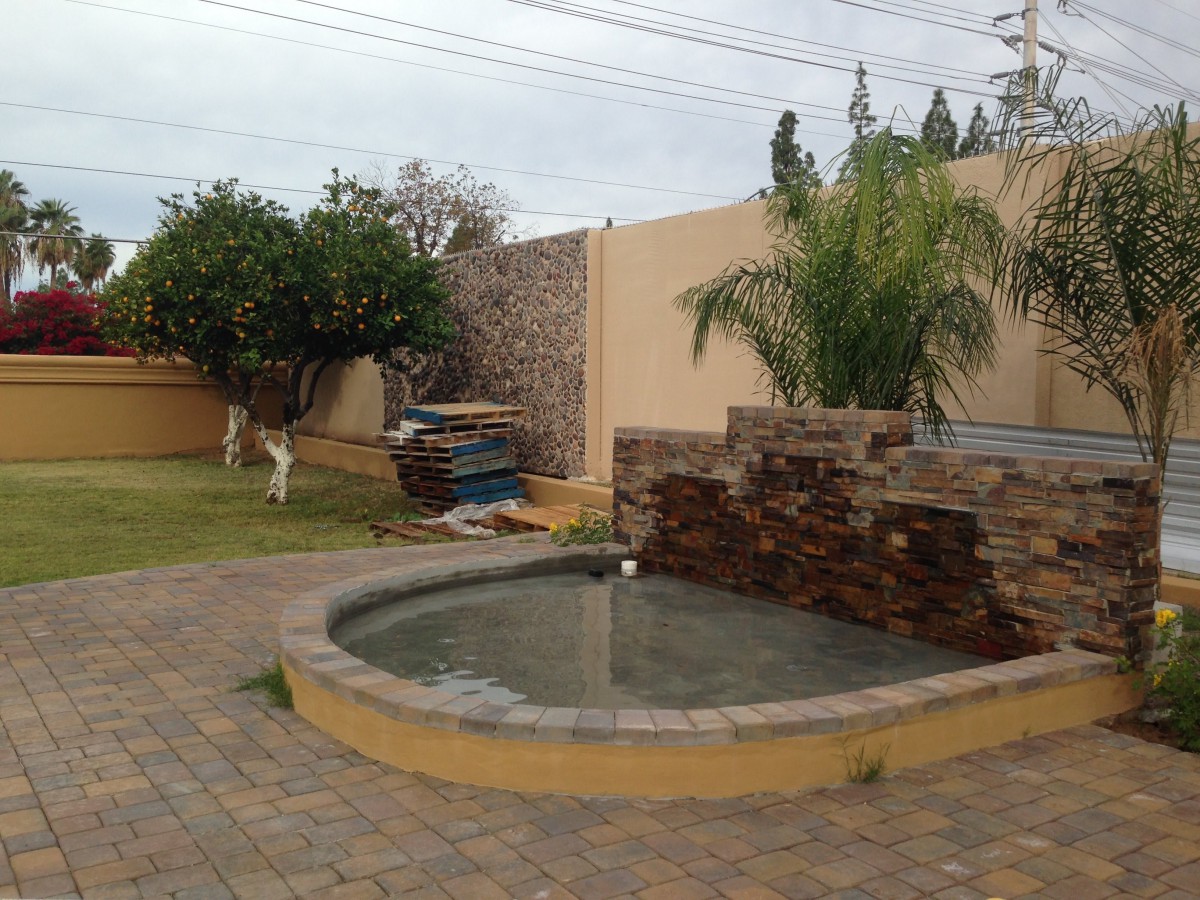
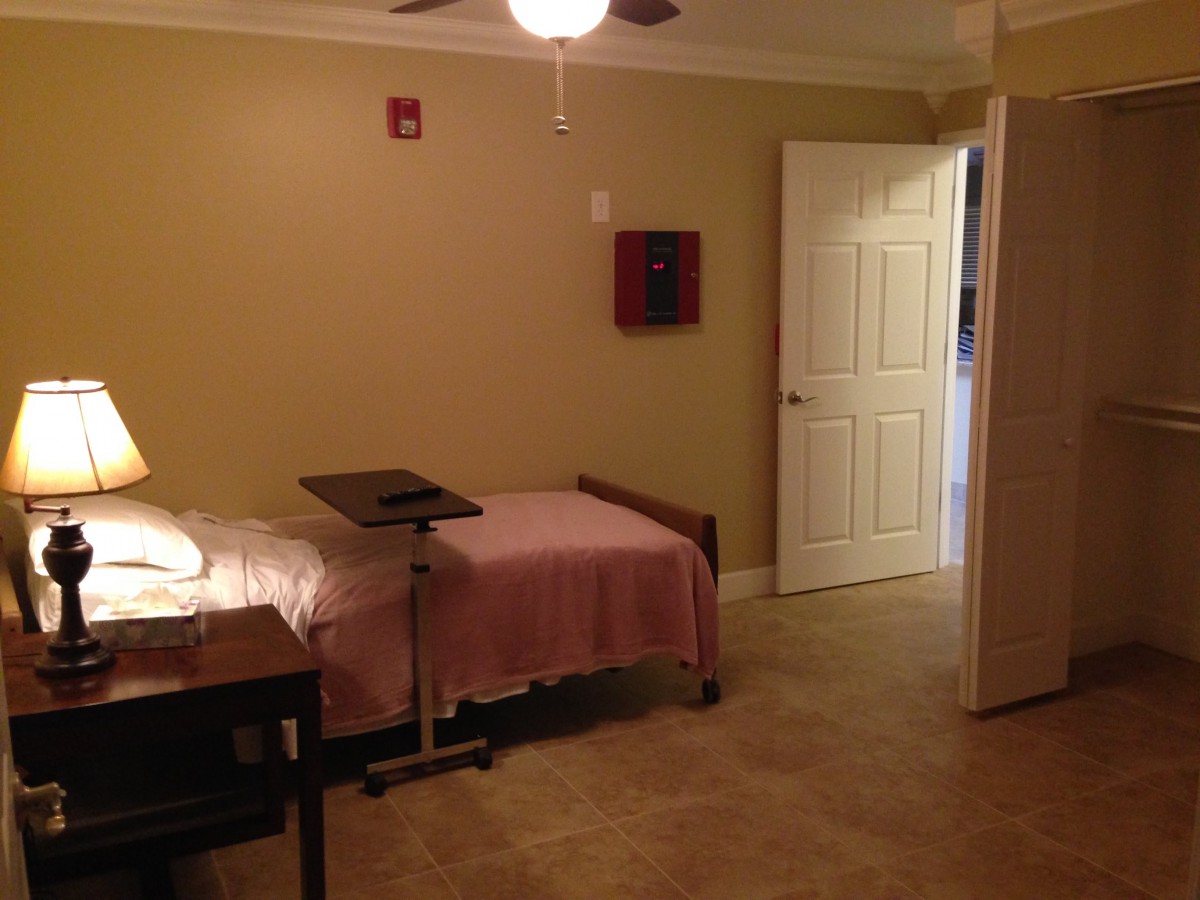
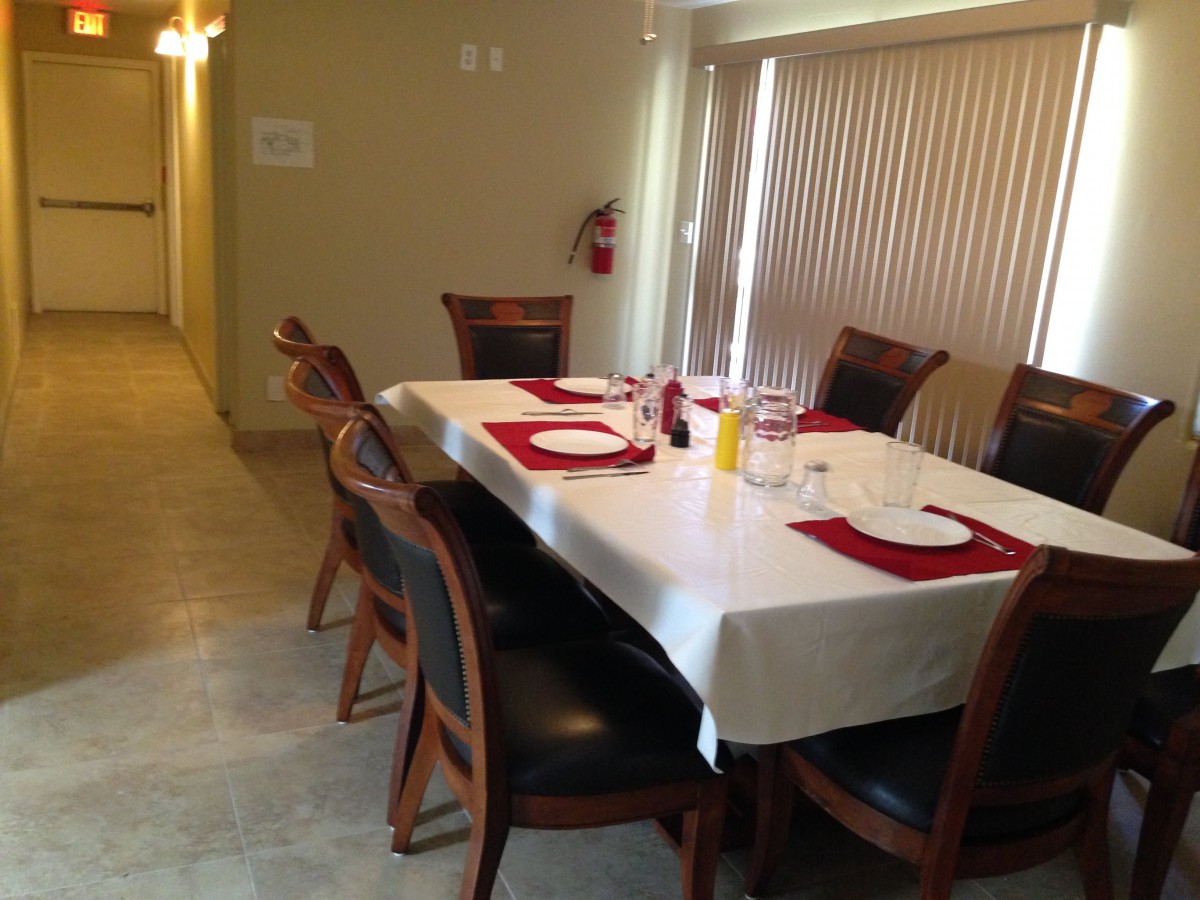
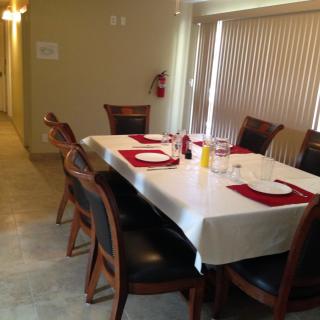
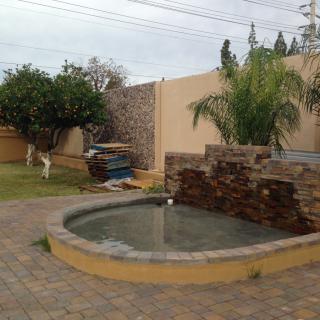
Residents and families also benefit from a genuine home atmosphere. The facility is described as clean and orderly, with caregivers treating residents like family and with visitation that accommodates busy schedules. The social calendar, birthdays and holidays celebrated, group activities, and even a backyard mini-golf setup, adds a sense of normalcy and pleasure that supports appetite, mood, and social connection. There is evidence that attentive staff can mitigate common risk factors in care settings, such as dehydration and medication adherence, by staying alert to changes and communicating with families about daily needs. These practical positives often translate into steadier quality of life for residents who thrive on regular human contact and predictable routines.
When evaluating Assisted Living of Mesa, families should ask pointed questions during tours: how does the kitchen address menu stability after staff changes, and what interim plans exist when the cook departs? Who leads medical coordination, and what is the scope of Dr. D’s involvement for ongoing care? What are the staffing ratios on different shifts, and how is resident intake matched with available caregiving hours? How are emergencies handled after hours, and what is the process for updating families about changes in health status or medications? And finally, is there a clear memory-care pathway if cognitive needs evolve? These specifics help determine whether the day-to-day reality aligns with expectations and the resident’s evolving care requirements.
Bottom line: Assisted Living of Mesa offers a compelling, practical option for families prioritizing warmth, consistent caregiving, and a clean, home-like environment. The notable caveats, limited hospice-specific expertise and occasional concerns about dining quality, should be weighed against the strong social fabric, staff dedication, and proven ability to keep residents engaged and well cared-for. For many seniors who require steady daily help, regular family communication, and a sense of belonging, this community is a strong fit. If those medical acuities or dining standards are non-negotiable, alternative communities with deeper clinical resources or culinary programming should be explored with the same rigor as any other senior-living decision.
 10 resident community capacity
 Assisted Living
 Board and Care Home
 Respite Care
 Activities on-site
 Air-conditioning
 Bath tubs
 Cable or satellite TV
 Dining room
 Fully furnished
 Garden
 Handicap accessible
 Housekeeping services
 Indoor common areas
 Move-in coordination
 Outdoor common areas
 Private
 Private bathrooms
 Telephone
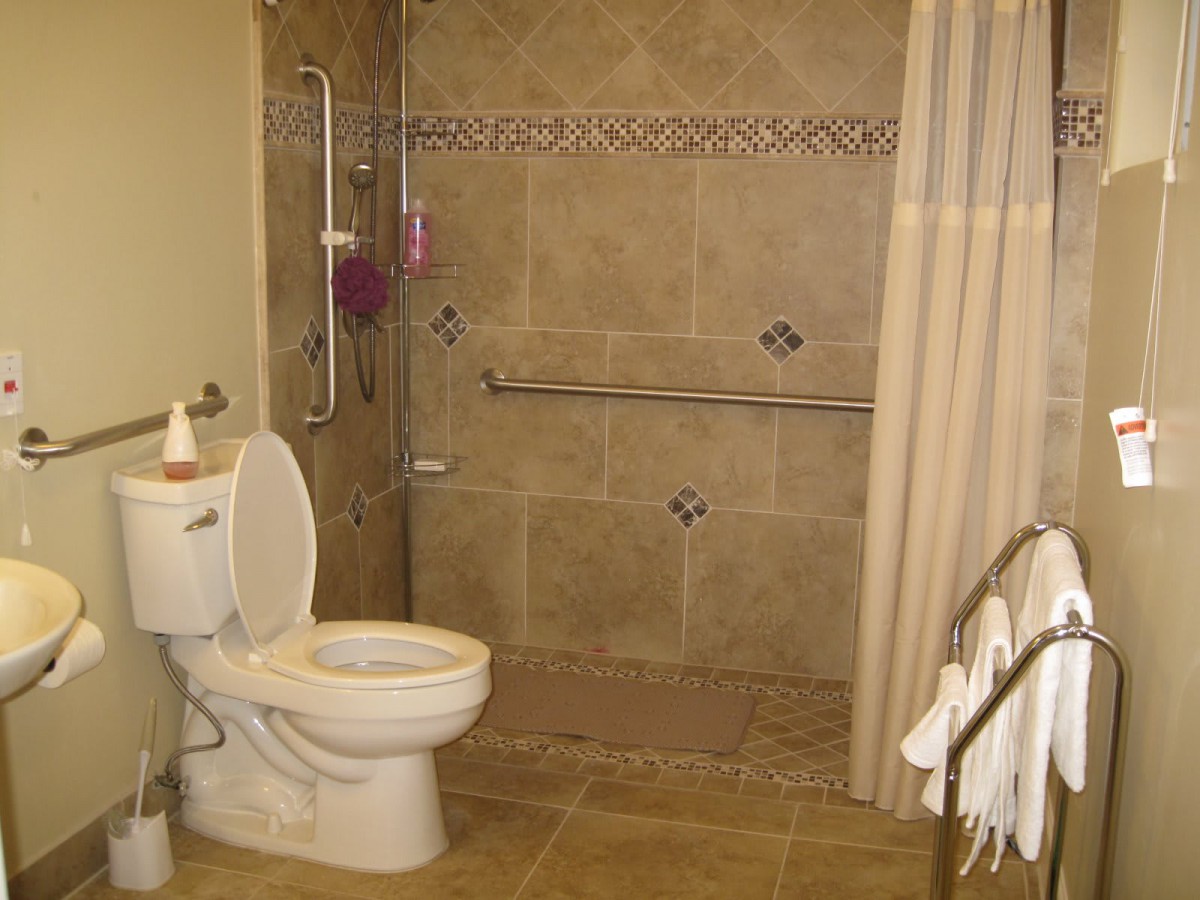
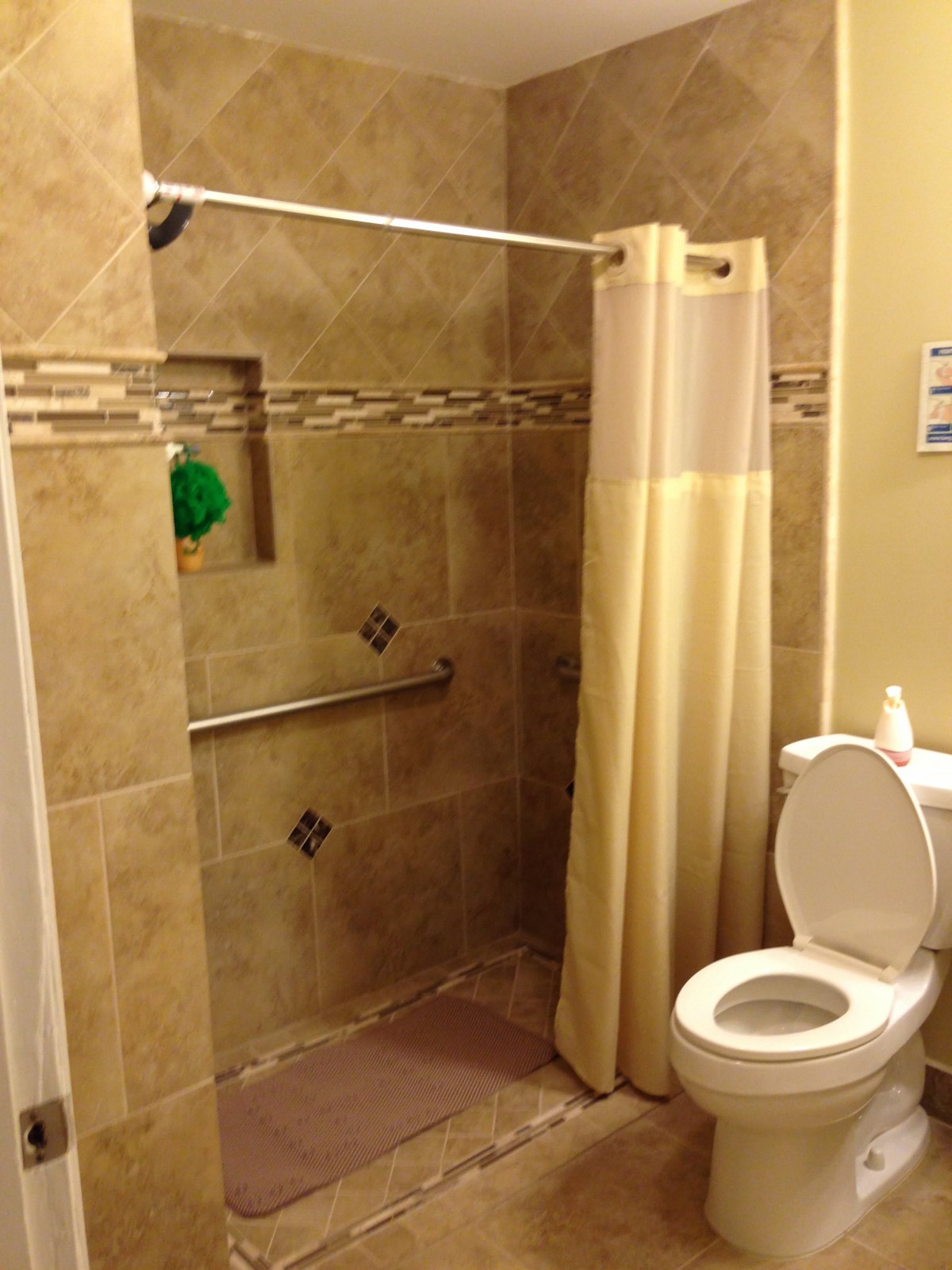
 Wheelchair accessible showers
 Wi-Fi/high-speed internet available
 Phoenix Sky Harbor International (12 miles away)
 24-hour supervision
 Assistance with bathing
 Assistance with dressing
 Assistance with transfers
 Diabetes diet
 Diabetic care
 High acuity care
 Meal preparation and service
 Medication management
 Special dietary restrictions
 Transportation arrangement (medical)
 Transportation to doctors appointments
 BBQs or picnics
 Birthday parties
 Trivia games




 Beyond the Bingo Hall: 50+ Enriching Activities for Seniors in Assisted Living
 Understanding the Distinctions: Assisted Living and Memory Care Explained
 Guiding Elderly Parents Who Refuse Assisted Living: 6 Practical Steps