
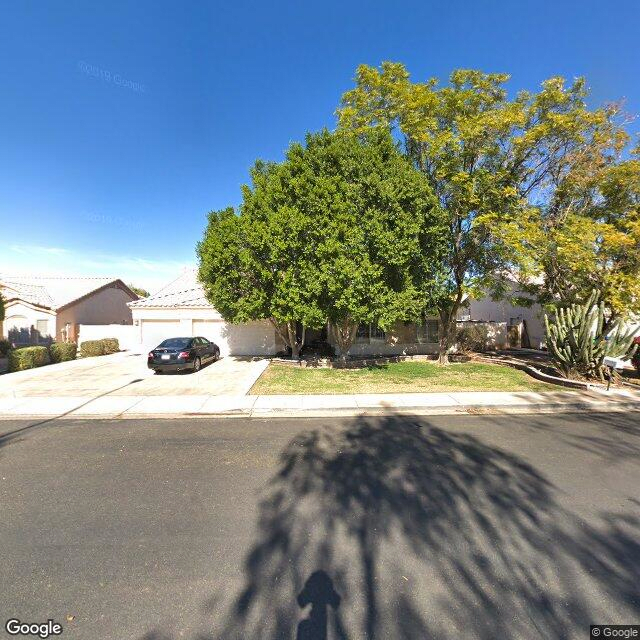
2962 E. Encanto Street, Mesa, AZ 85213
To contact a resident: (480) 827-1575
For more information about senior living options: (866) 208-4318
Family Care Homes – Encanto House Costs & Pricing
At Family Care Homes - Encanto House, the cost for a private room is set at $2,200 per month, which is notably more affordable compared to the average rates in Maricopa County and across Arizona. In Maricopa County, the typical monthly fee for similar accommodations is approximately $3,318, while the statewide average reaches about $3,345. This competitive pricing at Encanto House not only reflects a commitment to providing quality care but also positions it as an attractive option for families seeking affordable yet supportive living arrangements for their loved ones.
| Floor plans | Family Care Homes – Encanto House | Maricopa County | Arizona |
|---|---|---|---|
| Private | $2,200 | $3,318 | $3,345 |
Senior living communities with a similar price nearby
-
from -$255 / mo

Home Instead - Fountain Hills, AZ
$1,945 to $3,525 / month12.3 miles away -
from -$339 / mo

Endeavor Senior In-Home - Mesa
$1,861 / month2.7 miles away -
from +$425 / mo
The Eldercare Home Of Tempe
$2,625 to $3,412 / month8.7 miles away -
from -$200 / mo
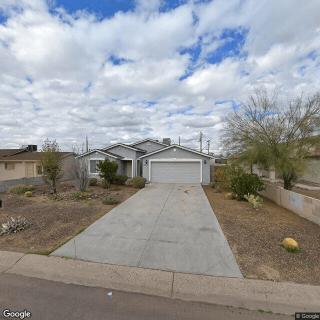
Garcia's Assisted Living Home LLC
$2,000 / month14.8 miles away -
from +$300 / mo
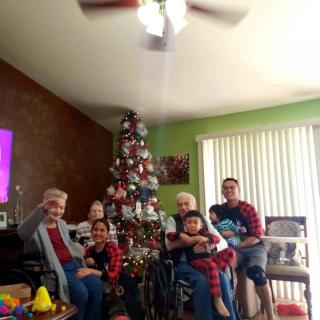
La Bella Vita ALH
$2,500 to $7,000 / month6.2 miles away
Overall Review of Family Care Homes – Encanto House
Pros
 He loves it.
- They take wonderful care of him.
- The staff is kind.
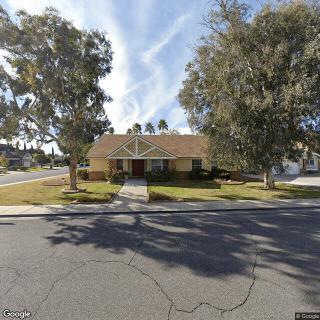
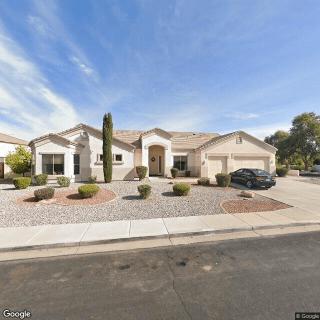
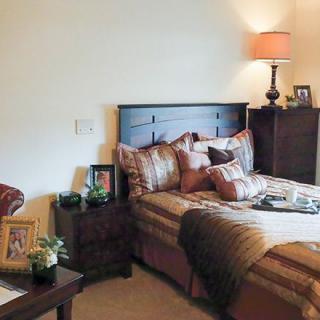
- The house is nice.
- The food is great.
- Interactions with others are great.
Review
Encanto House in Mesa, AZ is best suited for seniors who want a true home-like setting with hands-on, attentive care and meaningful social engagement. This is a family-style care environment where caregivers become part of daily life, enabling quick response to needs and a familiar rhythm to meals, rest, and conversation. It especially serves residents who value personal attention, warm interactions, and a steady, intimate caregiving team over the amenities of a large campus. For a 99-year-old resident highlighted in the positive feedback, the model delivers love, steady supervision, and a sense of belonging that keeps daily life predictable and dignified.
Those who may want alternatives include seniors with higher medical acuity or specialized care needs that demand consistent on-site nursing, complex therapies, or memory-care protocols. Family Care Homes–Encanto House offers a smaller, more homey footprint, which is excellent for companionship and supervision but may fall short on the breadth of clinical services and structured, facility-wide programming found in larger assisted living communities. Families seeking extensive rehab options, advanced wound care, or highly regulated cognitive-care environments should compare with facilities that provide dedicated on-site medical teams, memory-care wings, and more formal care plans. It is prudent to explore options that scale care up or down, depending on changing health needs.
The strongest positives here center on staff warmth, the home atmosphere, and the social texture of daily life, with meals and interaction cited as standout features. The intimate setting means staff can notice small changes quickly, tailor routines, and foster genuine connections that support emotional well-being. The positive anecdote about the 99-year-old resident emphasizes reliability, kindness, and a pleasant living space, all of which translate into reduced anxiety for families seeking peace of mind. These advantages offset the main trade-offs typical of small, family-style homes, less formal programming, potentially slower access to medical services, and fewer on-site specialists, by delivering a high-touch, person-centered experience that keeps residents engaged and comfortable.
However, the reality of a smaller home setting is that consistency and breadth of resources can vary. The lone 1-star voice in the reviews, while not detailed here, suggests there can be moments of dissatisfaction around staffing coverage, pace of response, or daily variety if expectations tilt toward a larger campus model. The balance, then, hinges on whether the priority is a steady, affectionate daily routine and staff familiarity or a demand for robust clinical oversight and a wider menu of specialized activities. For most residents who thrive on predictable care and social warmth, the pros significantly outweigh these potential drawbacks, but families should verify the cadence of help during nights and weekends, the availability of on-call medical support, and the range of activities offered beyond dining and casual events.
Practical decision criteria should shape the inquiry: confirm the caregiver-to-resident ratio during key hours, learn the exact licensing status and what healthcare oversight looks like on-site, and ask how medications are managed, what triggers clinician involvement, and how emergencies are handled after hours. Inquire about room configurations, meal options, and the degree of family involvement in daily routines. Also clarify any limits on guest visits, transportation for appointments, and respite care possibilities. Understanding these operational details helps determine whether Encanto House can sustain the resident’s needs as health or mobility changes occur, without compromising the intimate, home-like experience that distinguishes it.
Bottom line: Encanto House is a strong choice for seniors who prize intimate care, frequent social interaction, and a peaceful, homey environment over the breadth of services typically available at larger communities. It is less well-suited for residents requiring intensive medical management, highly specialized memory care, or a campus-style program with expansive therapeutic offerings. Families should move forward with a focused tour and candid conversations about staffing patterns, medical support, and daily activity options to ensure alignment with the resident’s current needs and any potential shifts. A measured visit, watching mealtime dynamics, meeting several staff members, and speaking with current residents, will reveal whether the warmth and attentiveness translate into durable, scalable comfort for the long term.
 Board and Care Home
 Private
 Phoenix Sky Harbor International (14 miles away)
 Diabetic care

 Home Health Care Demystified: A Comprehensive Guide for Families and Caregivers
 Seniors and Modern Transportation: Exploring Uber, Lyft, and Other Ride-Hailing Options
 Comprehensive Guide to Qualifying for Home Health Care Services