
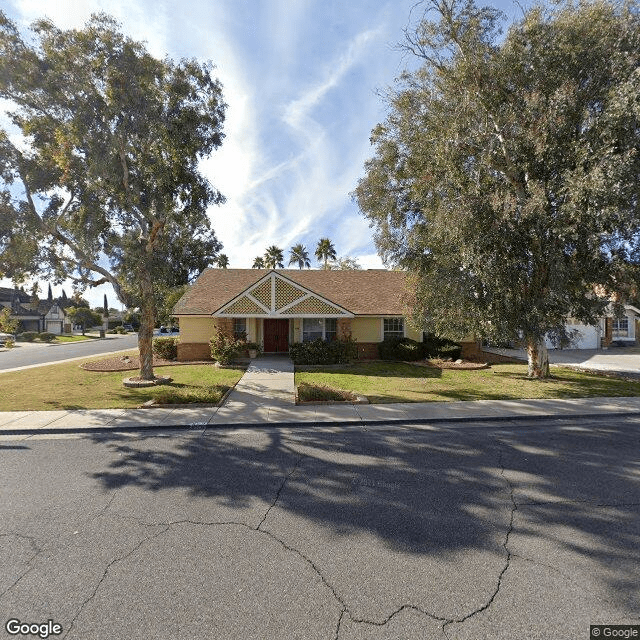
908 North Winthrop Circle, Mesa, AZ 85213
For more information about senior living options: (866) 208-4318
Christian Adult Care Home Costs & Pricing
Christian Adult Care Home offers competitive pricing for its services compared to the broader market in Maricopa County and across Arizona. For a semi-private room, residents pay $2,000 per month, significantly lower than the county average of $2,801 and the state figure of $2,820. When it comes to private rooms, the cost is set at $2,400, which again provides a cost-effective alternative compared to both Maricopa County's average of $3,318 and Arizona's statewide average of $3,345. This makes Christian Adult Care Home an attractive option for individuals seeking quality care without compromising their budget.
| Floor plans | Christian Adult Care Home | Maricopa County | Arizona |
|---|---|---|---|
| Semi-Private | $2,000 | $2,801 | $2,820 |
| Private | $2,400 | $3,318 | $3,345 |
Assisted Living communities with a similar price nearby
-
About the same
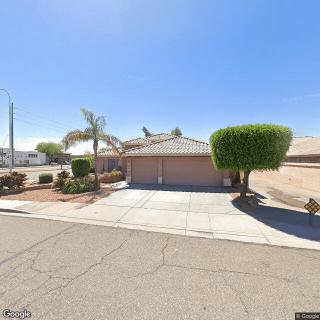
Angel's Adult Group Home
$2,000 to $3,000 / month15.0 miles away -
About the same
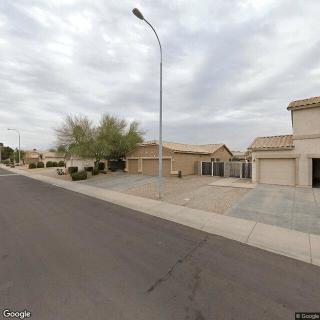
Divine Mercy Assisted Living Home
$2,005 to $3,110 / month13.9 miles away -
from +$255 / mo

Windsor Luxury Assisted Living, LLC
$2,255 to $5,950 / month13.0 miles away -
from +$225 / mo
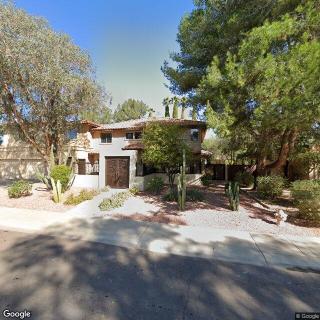
Harts Home - Exceptional Elder Care
$2,225 to $5,500 / month12.4 miles away -
from -$200 / mo
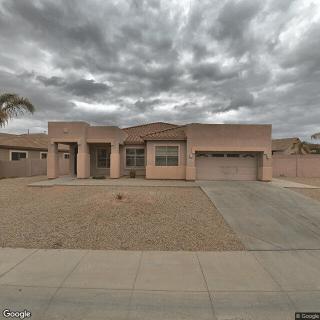
Divine Grace Assisted Living Home
$1,800 to $2,500 / month10.4 miles away
Overall Review of Christian Adult Care Home
Pros
 The caregivers are lovely; they do their best.
- The environment is very clean, efficient, and caring, with staff who know how to treat the elderly with compassion and respect.
- They are professional, caring, and maintain a well-kept home.
Review
This Mesa community is best suited for seniors who value a warm, home-like setting and personalized attention from staff who treat residents with patience and respect. It shines for families seeking a small, tightly run environment where caregiving feels hands-on, consistent, and attentive rather than corporate. The home-style atmosphere, clean surroundings, and a values-driven tone anchored in Christian principles help residents settle in quickly and maintain a sense of dignity day after day. In practice, this means predictable routines, steady caregiver presence, and a quiet, respectful backdrop that minimizes the disorienting feeling that can come with larger facilities. It is a place where comfort and familiarity are the default, not the exception.
However, those with higher-acuity needs or a preference for secular programming should consider alternatives. If 24/7 skilled nursing supervision, memory care for advanced dementia, long-term rehab, or a broad slate of campus amenities are critical, this setting may feel limited. Families seeking a robust calendar of social activities, clubs, or on-site therapy services might find the offering lean. For residents who require intensive medical monitoring or rapid escalation of care, a larger, state-licensed community with an on-site nurse team could provide more reassurance. The same applies to those who want a secular environment or a program designed around non-religious community life.
Three clear strengths emerge from the residents’ days: the caregivers are lovely and clearly giving their best; the home environment is very clean, efficient, and cared for; and the staff understand how to engage with older adults in a compassionate and respectful way. These factors translate into practical advantages: dependable daily supervision, quick response to needs, gentle handling during routines, and a consistent, dignified pace that reduces anxiety. The professional presentation and well-kept spaces also reinforce safety and comfort, making family members feel confident in the setting. In short, the day-to-day experience aligns with what many families are seeking: warmth, reliability, and a sense that elders are treated as valued individuals.
That strength matters when weighing trade-offs. The same intimate scale that yields attentive, personalized care can limit what is available in terms of medical oversight, rehabilitation options, and breadth of social programming. Yet the quality of interactions, staff who know residents’ histories, preferences, and routines, often offsets these gaps by preventing miscommunications and missteps that larger campuses sometimes suffer. The Christian orientation provides a values-based framework that can support peace of mind for families who want consistent ethics and a familiar spiritual environment. When combined with a well-maintained home, these positives form a strong case for selecting this community for everyday living rather than for episodic care needs.
Nevertheless, a careful buyer should acknowledge the potential downsides. The small size may mean fewer on-site services, fewer specialized memory care options, and reliance on external providers for higher-level medical attention. If a resident’s health status is unpredictable or requires frequent hospital-level care, a transition to a larger campus could become necessary. The intimate setting can limit the breadth of social programming and resident-led activities compared with bigger communities. Price and included services matter; confirming what level of care is bundled, plus any add-ons such as transportation, therapy, or pastoral support, will prevent unpleasant surprises later.
Decision-makers prioritizing dignity, calm, and consistent, compassionate daily life will find this community compelling. The recommended next steps are pragmatic: visit during a typical day to observe interactions; speak with several caregivers about how they handle common needs; review the care plan process, including input from family and residents; ask about nurse availability and how medical needs are coordinated with external providers; and confirm spiritual services and pastoral support align with the family’s faith expectations. If those boxes are checked, the setting offers a trustworthy home base for steady living. If not, it is wise to explore alternatives with deeper medical capabilities or broader activity programs to fit evolving needs.
 6 resident community capacity
 Assisted Living
 Board and Care Home
 Respite Care
 Cable or satellite TV
 Dining room
 Fully furnished
 Garden
 Housekeeping services
 Move-in coordination
 Outdoor space
 Private
 Private bathrooms
 Telephone
 Wi-Fi/high-speed internet available
 Phoenix Sky Harbor International (14 miles away)
 24-hour supervision
 Activities of daily living assistance
 Assistance with bathing
 Assistance with dressing
 Assistance with transfers
 Diabetes diet
 Diabetic care
 High acuity care
 Meal preparation and service
 Medication management
 Special dietary restrictions
 Transportation arrangement (medical)
 Transportation to doctors appointments
 Christian services

 A Detailed Exploration of Assisted Living Medicaid Waivers Across the United States
 Comprehensive Residential Support and Assisted Living Solutions for Individuals with Disabilities
 Comprehensive Supportive Living Arrangements for Adults with Disabilities