
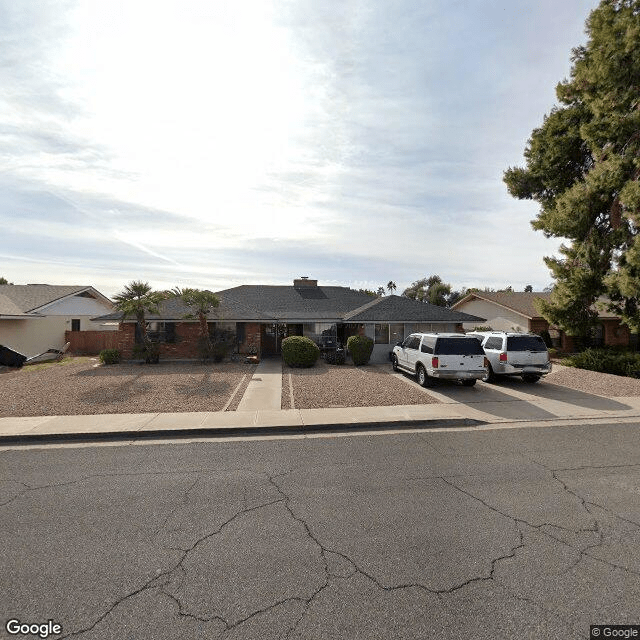
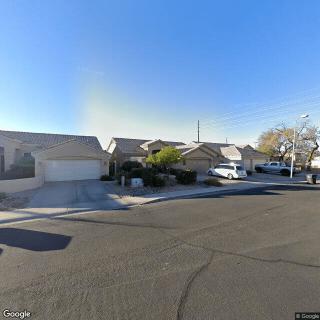
2509 E Enrose St, Mesa, AZ 85213
To contact a resident: (602) 579-5363
For more information about senior living options: (866) 208-4318
Dignity 1St Home Care Solutions LLC Costs & Pricing
Dignity 1st Home Care Solutions LLC offers competitive pricing for their private room accommodations at $2,800 per month, which is notably lower than the average costs in both Maricopa County and the broader state of Arizona. In Maricopa County, the typical monthly rate for similar services stands at approximately $3,318, while across Arizona it averages around $3,345. This positions Dignity 1st as an attractive option for those seeking quality care without compromising on affordability, allowing families to access essential support services while managing their budget effectively.
| Floor plans | Dignity 1St Home Care Solutions LLC | Maricopa County | Arizona |
|---|---|---|---|
| Private | $2,800 | $3,318 | $3,345 |
Senior living communities with a similar price nearby
-
About the same
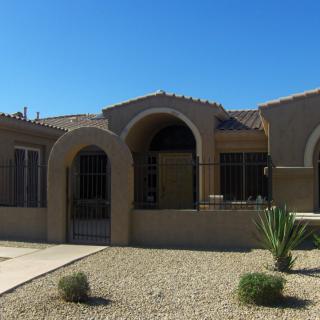
Pinnacle Peak Assisted Living
$2,800 to $3,100 / month20.0 miles away -
from -$175 / mo

The Eldercare Home Of Tempe
$2,625 to $3,412 / month8.1 miles away -
from +$150 / mo
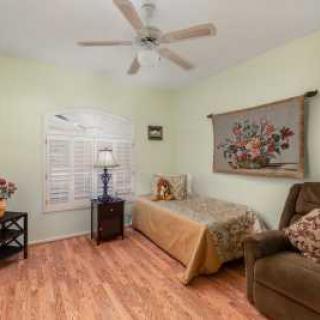
Endeavor AL I
$2,950 to $4,200 / month19.0 miles away -
from -$300 / mo
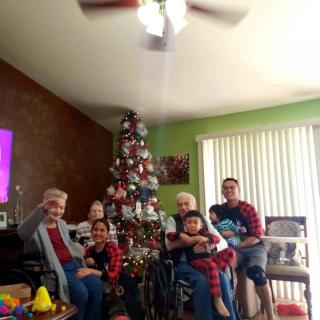
La Bella Vita ALH
$2,500 to $7,000 / month6.7 miles away -
from -$400 / mo
Golden Touch One Adult Care Home
$2,400 to $5,800 / month6.0 miles away
Overall Review of Dignity 1St Home Care Solutions LLC
Pros
 Enrose Estates Assisted Living provides a very loving atmosphere and care.
- The staff treated Mom as their own, calling her Mom and caring for her like their own mother.
- They helped Mom enjoy more life in the short time she had left.
- Mom enjoyed warm showers, guitar serenades, and the Hawaiian show at Enrose.
- At Enrose, Mom was moved about in a special chair, felt the fresh air in the back yard, saw fireworks, and watched hula dancers.
- The family could celebrate Mom's and a sister's birthday in Enrose's formal dining room.
- Enrose is described as a place of loving care for a loved one when families face difficult decisions.
Review
Enrose Estates Assisted Living is best suited for families who have exhausted in-home caregiving resources and now seek a deeply human, home-like setting for a loved one. The community shines when the goal is quality-of-life through intimate attention, warmth, and meaningful daily moments. It works particularly well for residents who thrive on social engagement, gentle encouragement, and the sense that caregivers view them as family rather than as a task. This is not a place for those pursuing clinical intensity or a highly regimented, impersonal environment; it is for families prioritizing dignity, connection, and everyday joy in the time that remains.
That said, certain families may want to consider alternatives. For residents requiring robust medical management, specialized memory care, or a larger campus with formal programs and standardized protocols, other options are worth exploring. If cost transparency, predictable monthly charges, or a strong emphasis on clinical oversight are priorities, a more traditional, physician-led setting may be a better fit. Likewise, those seeking a high degree of privacy, independence, or a strictly structured daily schedule might find a different community better aligned with expectations.
The strongest pros center on emotional resonance and personalized attention. Staff and ownership clearly cultivate a family atmosphere, with residents treated as cherished individuals rather than mere occupants. The care style emphasizes life enrichment: gentle assistance with daily activities, opportunities for social connection, and moments that celebrate personhood, such as special outings, shared meals, and family gatherings. The vivid anecdotes, music, performances, outdoor time, and celebratory dinners, demonstrate a capacity to preserve meaning and joy even as health needs evolve. In practical terms, these strengths translate into lower stress for families and a resident experience that feels dignified and cherished.
Meanwhile, the main cons are not spelled out in the testimonials, which requires a careful, anticipatory read. Possible gaps typical of smaller, home-like communities include less on-site medical staff presence, fewer dedicated spaces for clinical care, and a tighter menu of structured activities compared with larger facilities. Privacy and routine may hinge more on the individual caregiver-resident relationship than on formal policies. These factors do not negate the warmth and engagement described; they do suggest that Enrose Estates shines most when medical needs are manageable within a hands-on caregiving model and when families are comfortable balancing ease of access to affection with potentially less clinical oversight.
For families evaluating fit, practical trust-building steps matter. First, observe how staff interact with the resident, does the tone feel naturally affectionate, and do caregivers know preferences and histories? Inquire about daily care plans, medication administration, and emergency protocols, and ask how residents transition if more intensive support becomes necessary. Look for signs of genuine celebration of individuality, favorite activities, personal routines, and meaningful rituals, alongside responsive problem-solving. The dining room as a gathering hub and the inclusion of family events can be strong indicators of the culture families want to anchor in.
Ultimately, the recommendation flows from how much value is placed on warmth and life-enrichment relative to formal medical oversight. Enrose Estates delivers an extraordinary level of loving engagement, where staff and owners appear to invest in the resident’s emotional well-being as fervently as in daily care. For families prioritizing a nurturing, home-like experience that honors memory-making and personal dignity, this community can be transformative. If the priority shifts toward intensive clinical management, specialized memory care, or a larger, more regimented setting, seek alternatives that place those needs front and center. The right choice aligns the resident’s health trajectory with a home environment that sustains meaning, companionship, and presence every single day.
 Board and Care Home
 Private
 Private bathrooms
 Respite or short term stays offered
 Phoenix Sky Harbor International (13 miles away)
 Ambulatory care
 Diabetic care
 High acuity care

 Understanding Hospice Care at Home: Comprehensive Services, Key Benefits, and Eligibility
 Understanding the Full Cost of 24/7 In-Home Care: A Detailed Overview
 Exploring the World of Home Health Nurses: Qualifications, Roles, and Hiring Tips