




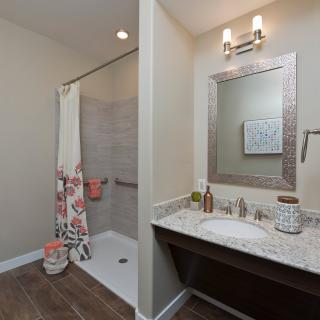
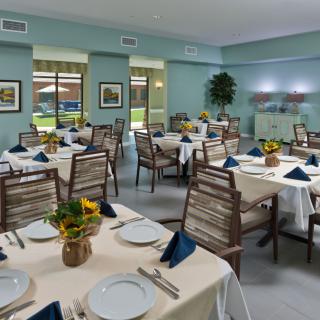
7311 E Oasis St, Mesa, AZ 85207
To contact a resident: (480) 948-0600
For more information about senior living options: (866) 208-4318
Canyon Winds Assisted Living and Memory Care Costs & Pricing
At Canyon Winds Assisted Living and Memory Care, the pricing structure for various room types reflects a competitive positioning within both Maricopa County and the broader Arizona market. For instance, the monthly cost for a studio apartment is set at $3,750, which is notably lower than the county average of $3,960 yet remains slightly above the state average of $3,829. In contrast, the semi-private rooms are priced at $3,950, significantly higher than both county and state averages of $2,801 and $2,820 respectively. This trend continues with one-bedroom units at Canyon Winds costing $4,350 - above county and state averages of $3,473 and $3,532. Two-bedroom accommodations are offered at $4,850; again higher than Maricopa County's average of $4,112 but aligning closely with the state average of $4,106. Overall, Canyon Winds provides a premium living experience that reflects its quality and services while still remaining competitive in many areas against local averages.
| Floor plans | Canyon Winds Assisted Living and Memory Care | Maricopa County | Arizona |
|---|---|---|---|
| Studio | $3,750 | $3,960 | $3,829 |
| Semi-Private | $3,950 | $2,801 | $2,820 |
| 1 Bedroom | $4,350 | $3,473 | $3,532 |
| 2 Bedrooms | $4,850 | $4,112 | $4,106 |
Memory care communities with a similar price nearby
-
from +$250 / mo
Sunrise Assisted Living Facility
$4,000 to $5,000 / month10.8 miles away -
from -$250 / mo
Jim & Patti Jones II
$3,500 to $4,500 / month6.8 miles away -
About the same

Hazelwood Manor
$3,700 / month13.4 miles away -
from -$250 / mo
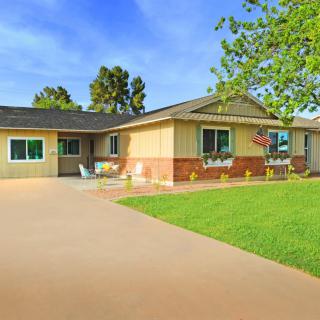
Comfy Couch Assisted Living
$3,500 to $4,000 / month17.6 miles away -
from +$350 / mo

Sunshine Village
$4,100 to $4,500 / month23.2 miles away
Overall Review of Canyon Winds Assisted Living and Memory Care
Pros
 Canyon Winds is truly one of a kind.
- The staff feels like family.
- They keep residents busy with fun activities.
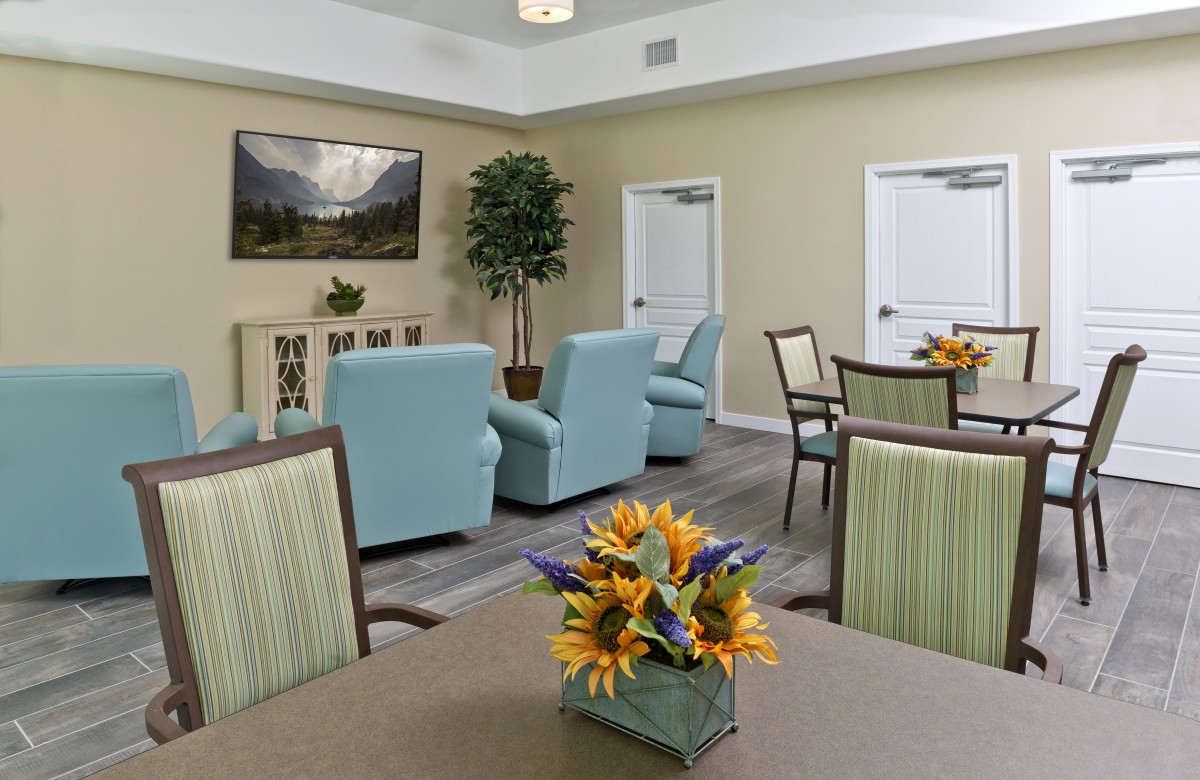
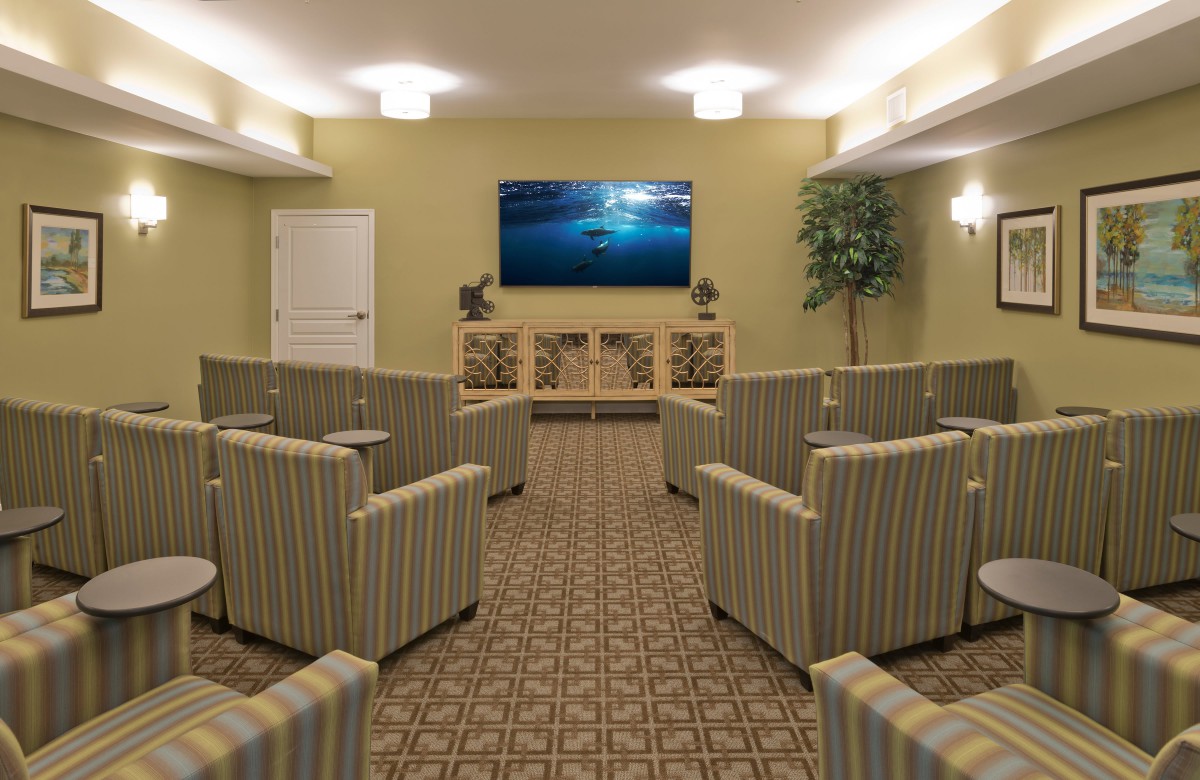
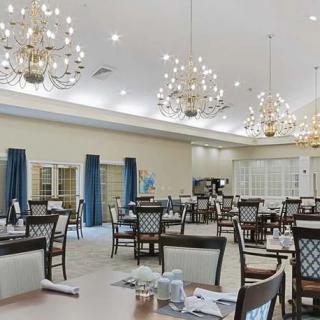
- The facility feels more like a luxury hotel.
- The entire team is outstanding.
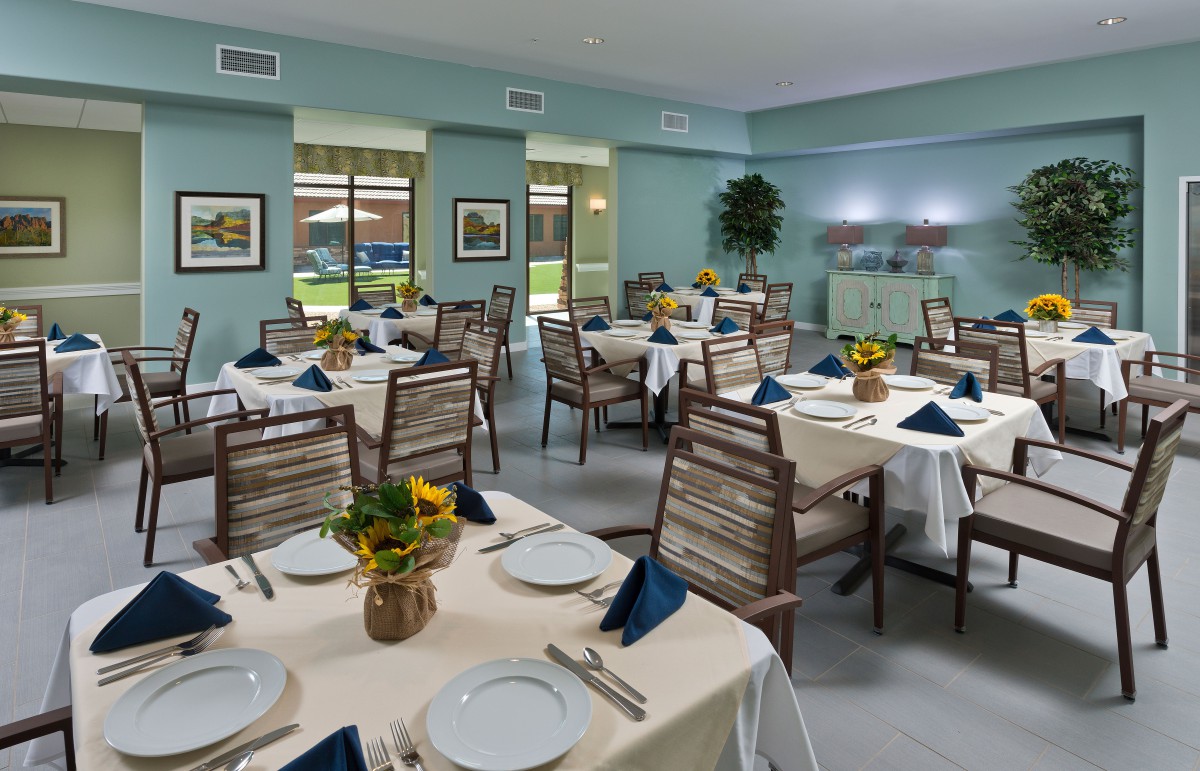
- The chef is excellent.
- The locals have embraced residents and made them feel incredibly welcome.
- Canyon Winds is a caring and safe environment for its residents.
Cons
 There are concerns about the facility.
- They need at least one additional care staff member.
- The meals are too trendy and are not always well received.
- The waitstaff are not always aware of new dietary requirements.
- The personal apartment does not seem to get cleaned.
- They wish the communication was better.
- They worry about staff turnover and that staff may not be treated well or fairly compensated.
- The rooms are not cleaned as they are supposed to be.
- Management was not receptive and could never be reached.
- They would not recommend this community to anyone.
Review
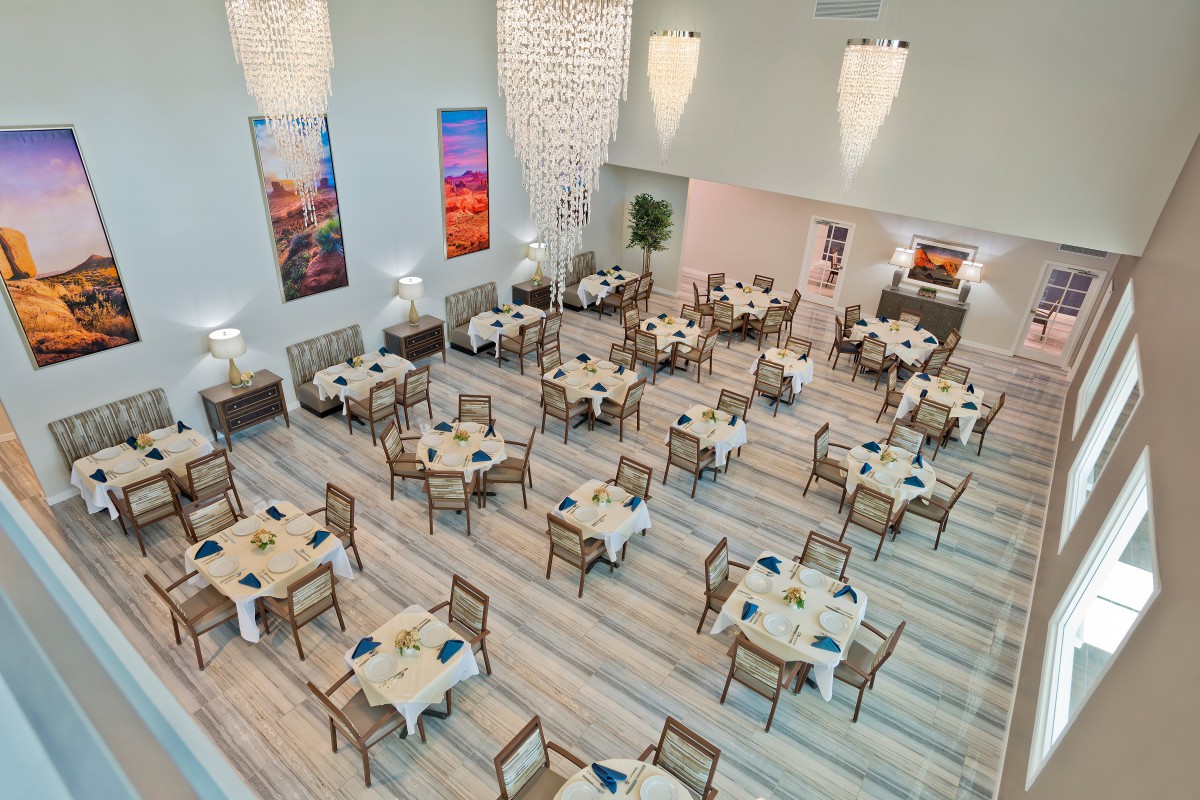
Canyon Winds Assisted Living and Memory Care in Mesa, Arizona, is best suited for families seeking a warm, engaged living environment where residents are treated like family and daily life feels more like a polished, hotel-like experience than a clinical setting. The community earns strong praise for its memory care and assisted living offerings, underpinned by programming that keeps residents active and connected. It appeals to those who want a high-touch atmosphere, where staff visibility, genuine care, and social opportunities are prioritized, and where a “home away from home” vibe is a tangible benefit rather than a peripheral feature.
Who may want to consider alternatives? If housekeeping discipline, staffing stability, and predictable, traditional dining are non-negotiable, this may not be the perfect fit. Families weighing access to more consistent, around-the-clock care staff with minimal turnover and tighter control of daily operations might prefer other communities. For those requiring rigorous dietary accommodation without occasional menu conflicts, or for families who need a more responsive administrator and easier lines of communication, Canyon Winds may present trade-offs to assess carefully before committing.
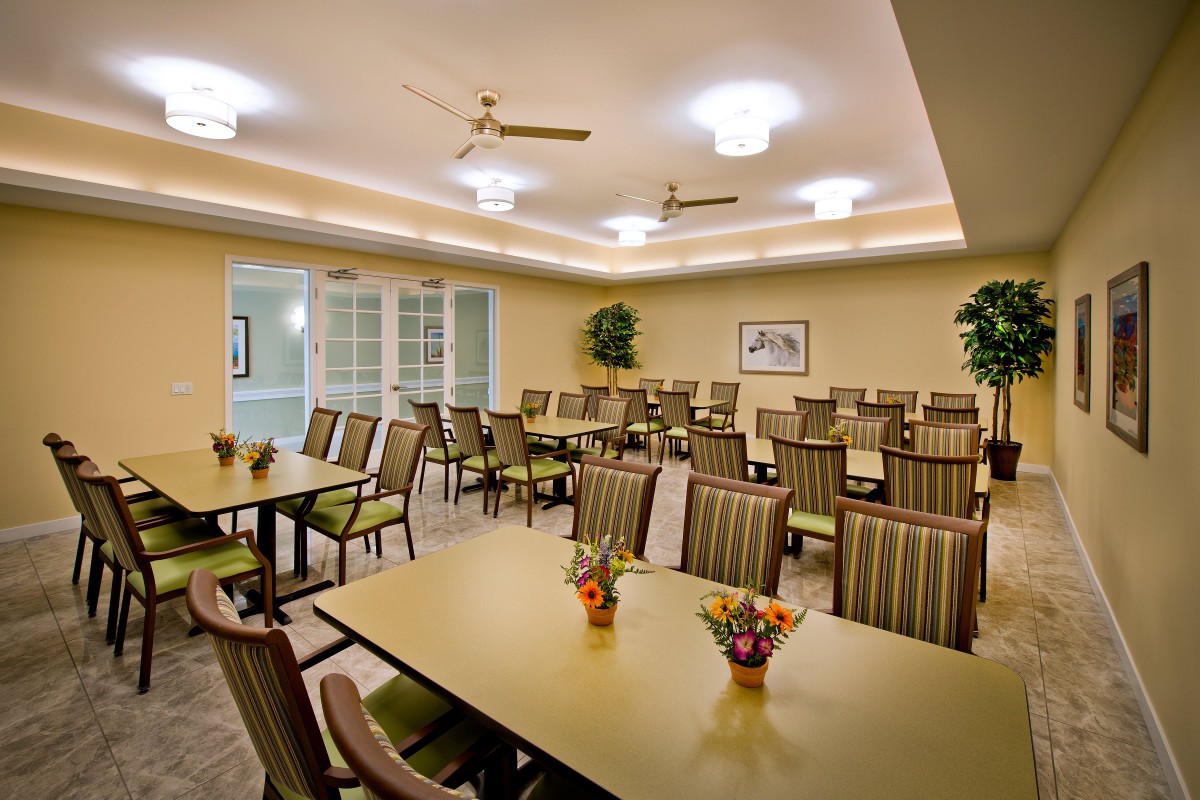
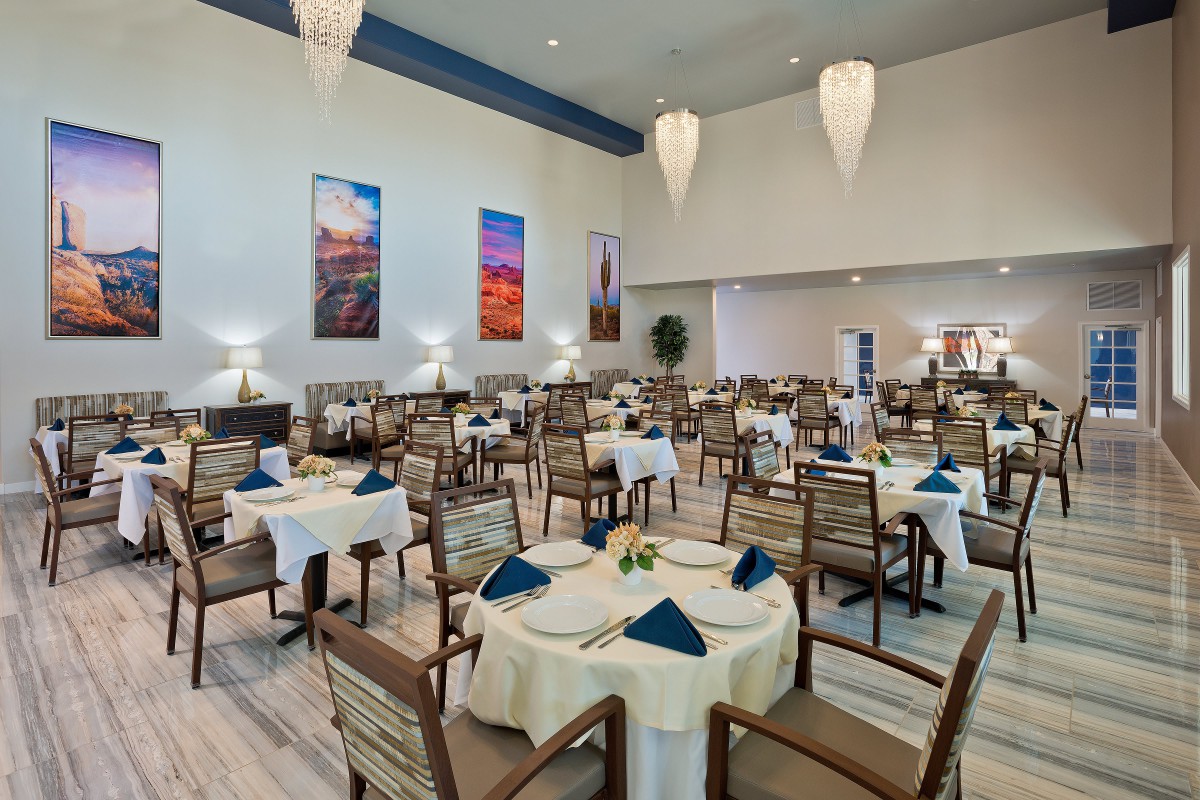
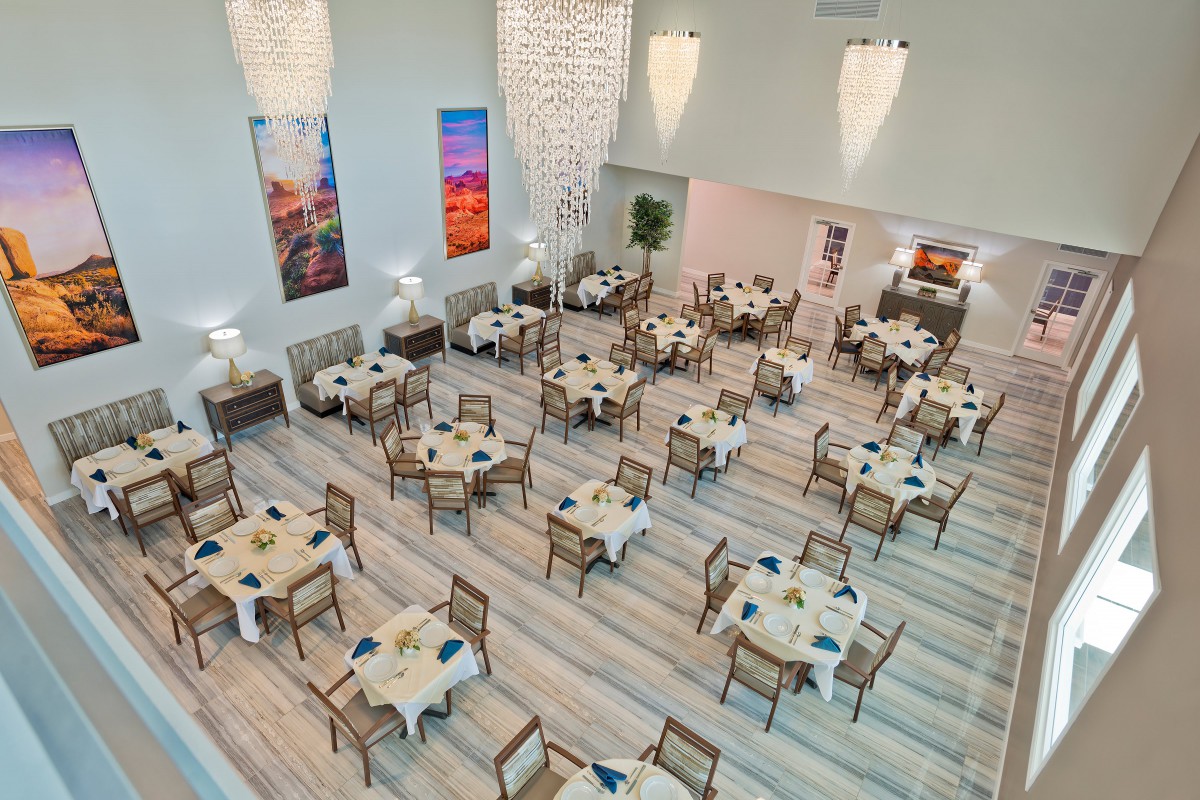
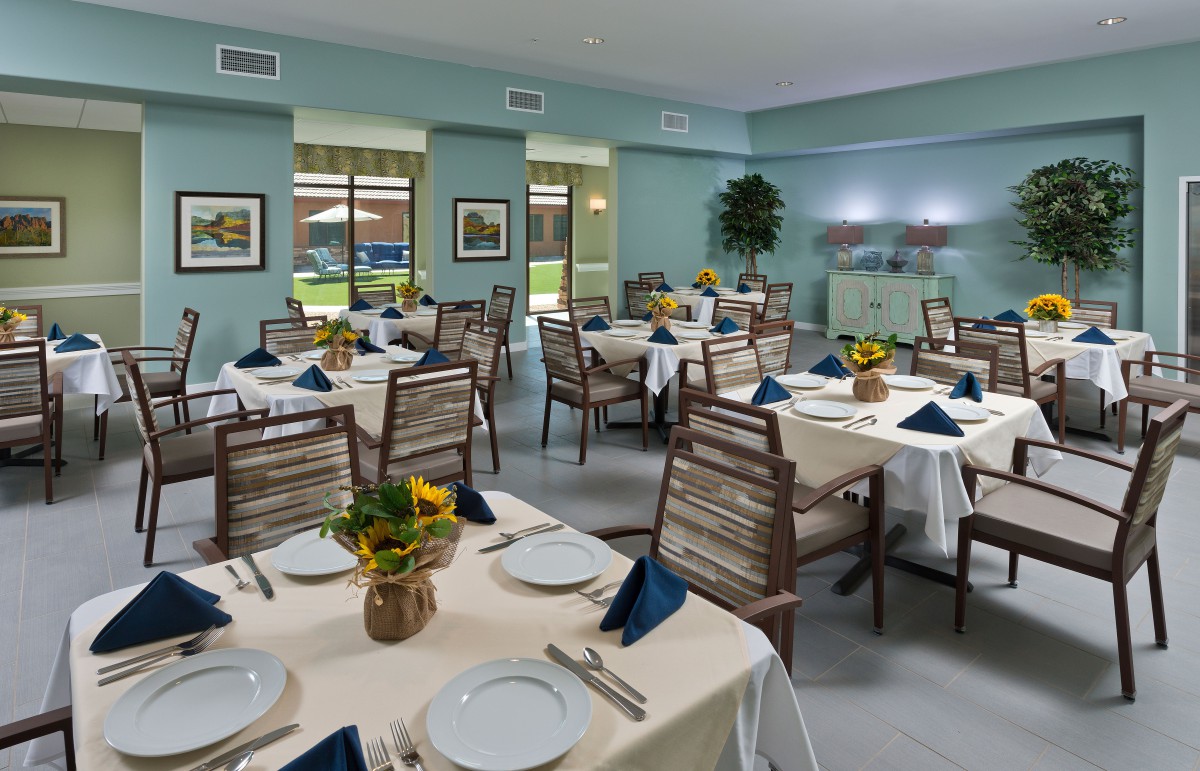
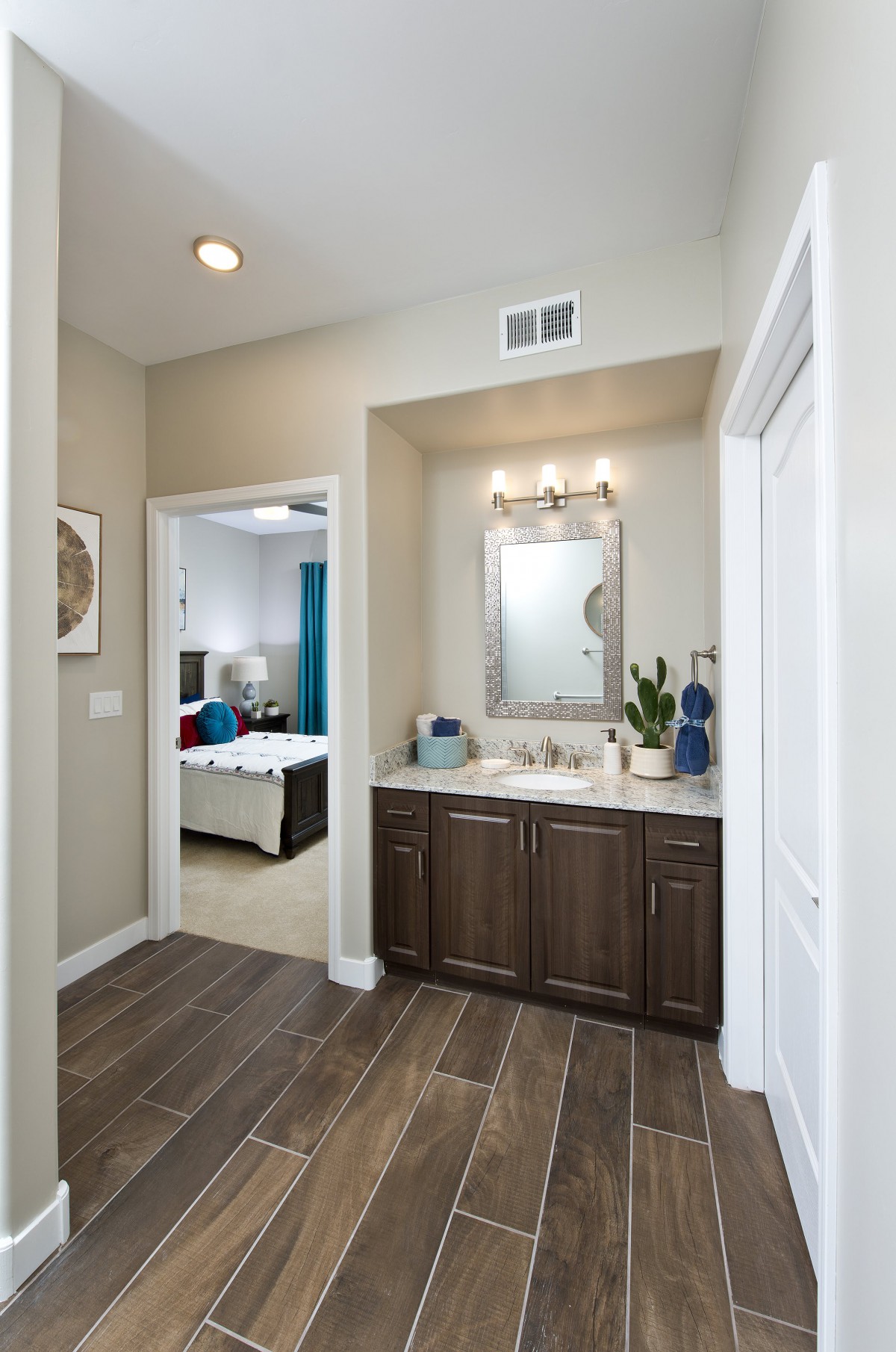
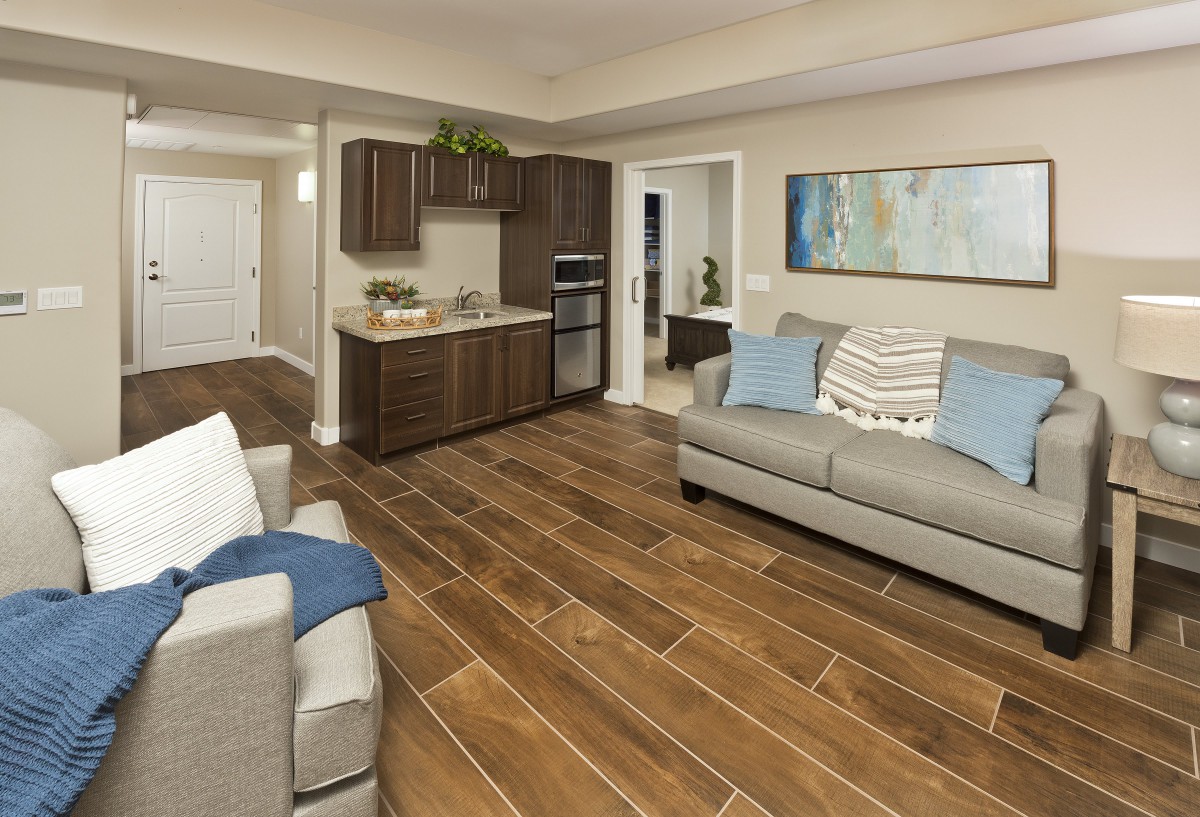
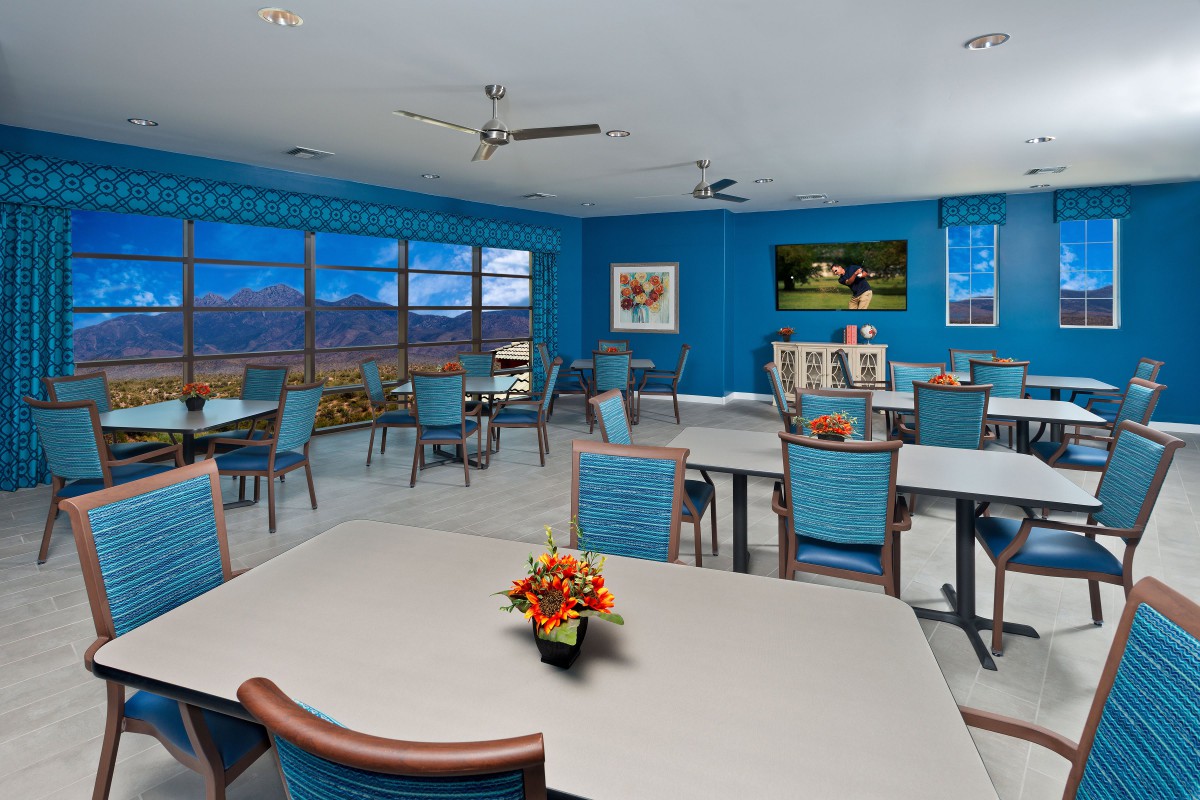
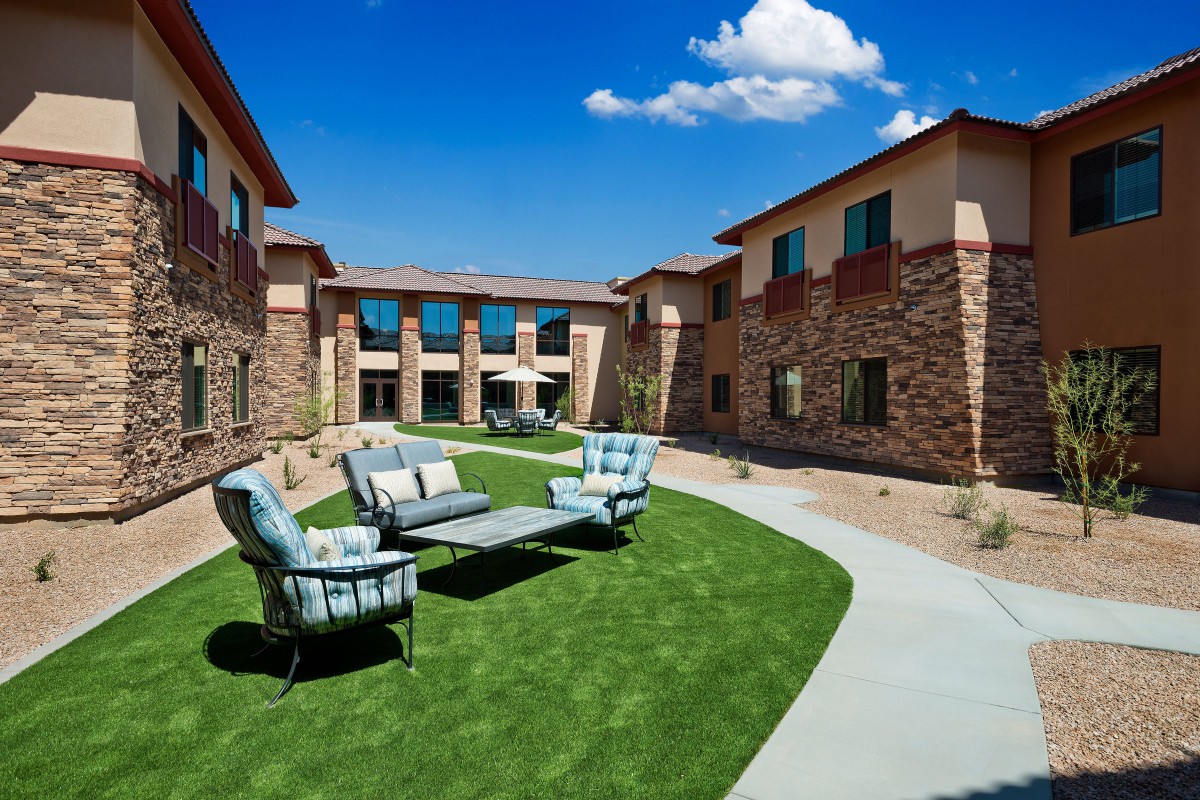
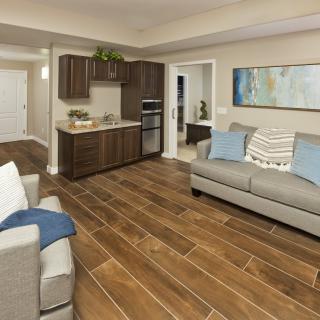
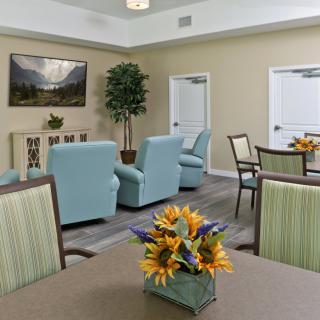
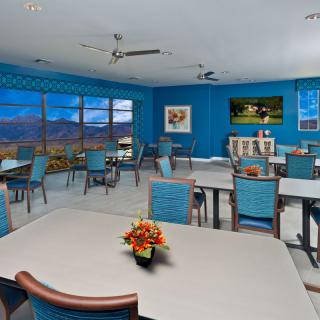
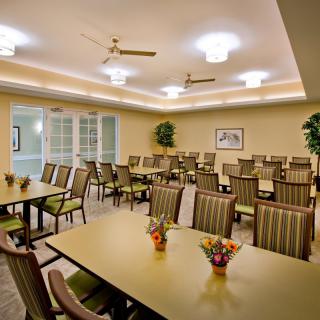
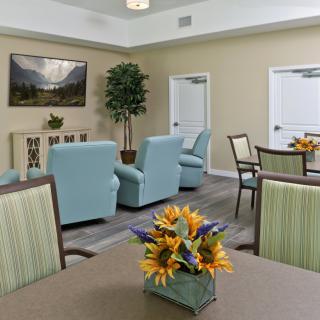
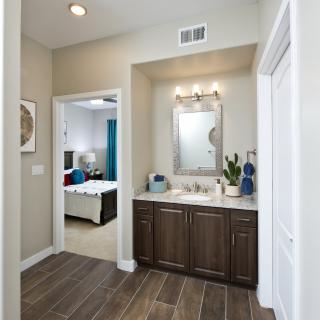
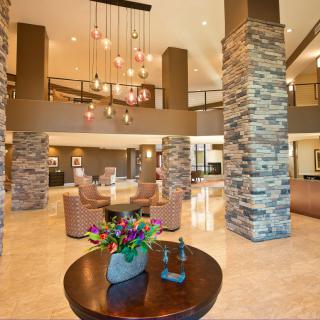
The strongest positives revolve around people and atmosphere. Staff feel like family, and residents report feeling safe and genuinely cared for. The daily rhythm includes engaging activities that keep minds and bodies active, and the overall environment presents a luxury feel, tasteful apartments and well-kept common areas that contribute to a sense of being well cared for. The chef earns high marks for quality, and staff are praised for recognizing residents’ communication needs, including those with speech difficulties, which fosters inclusivity. Families appreciate regular updates and collaboration to tailor care to each resident’s wishes.
On the downside, several concrete concerns surface in reviews. There is a perception that more direct care staff are needed to maintain consistent attention and timely responses. Some residents and families note meals that feel overly trendy and not always suitable for all preferences, with waitstaff occasionally unaware of specific dietary requirements. Personal apartments can suffer from less frequent cleaning, and the management team is described by some families as hard to reach or slow to respond. Worries about staff turnover and compensation also color the experience, with at least one review explicitly advising against the community. These elements can ripple into day-to-day satisfaction if not actively managed.
The core pros offset the main cons when viewed through a practical lens. The warmth of the caregiving team, the feeling of safety, and the social calendar offer meaningful quality of life that can outweigh occasional service gaps. A hotel-like ambiance, coupled with a chef-driven dining program, elevates everyday living and reduces the friction many families fear in senior care. Strong family communication and a culture of inclusion for residents with speech difficulties help maintain trust and reduce anxiety for loved ones. Yet these advantages depend on staffing stability and consistent administration; without those, even superb dining and activities may struggle to fully compensate.
For families weighing a decision, Canyon Winds represents a solid, if not flawless, option. It is a compelling match for those prioritizing warmth, robust social programming, and a dignified setting where caregivers feel like a second family. If the priority is ironclad housekeeping, rock-solid staffing ratios, and an administration that is always immediately accessible, explore alternatives or insist on concrete assurances during tours and trial periods. Prospective residents should schedule a thorough tour, meet the administrator, and ask pointed questions about staff-to-resident ratios, memory care programs, housekeeping protocols, and the cadence of family updates. References from current residents’ families can illuminate day-to-day realities beyond the brochure.
 Assisted Living
 Memory Care
 Cats allowed
 Dogs allowed
 Activities off-site
 Beautician on-site
 Cable or satellite TV
 Devotional services on-site
 Ground floor units
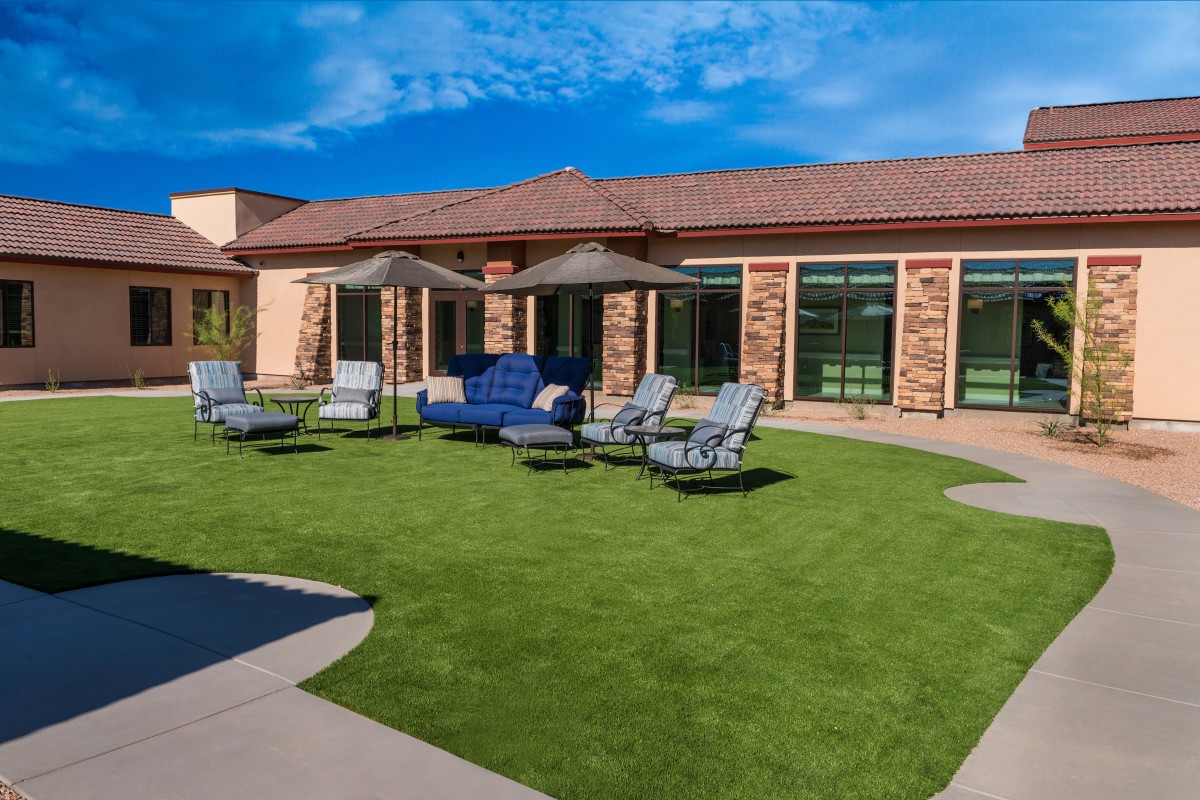
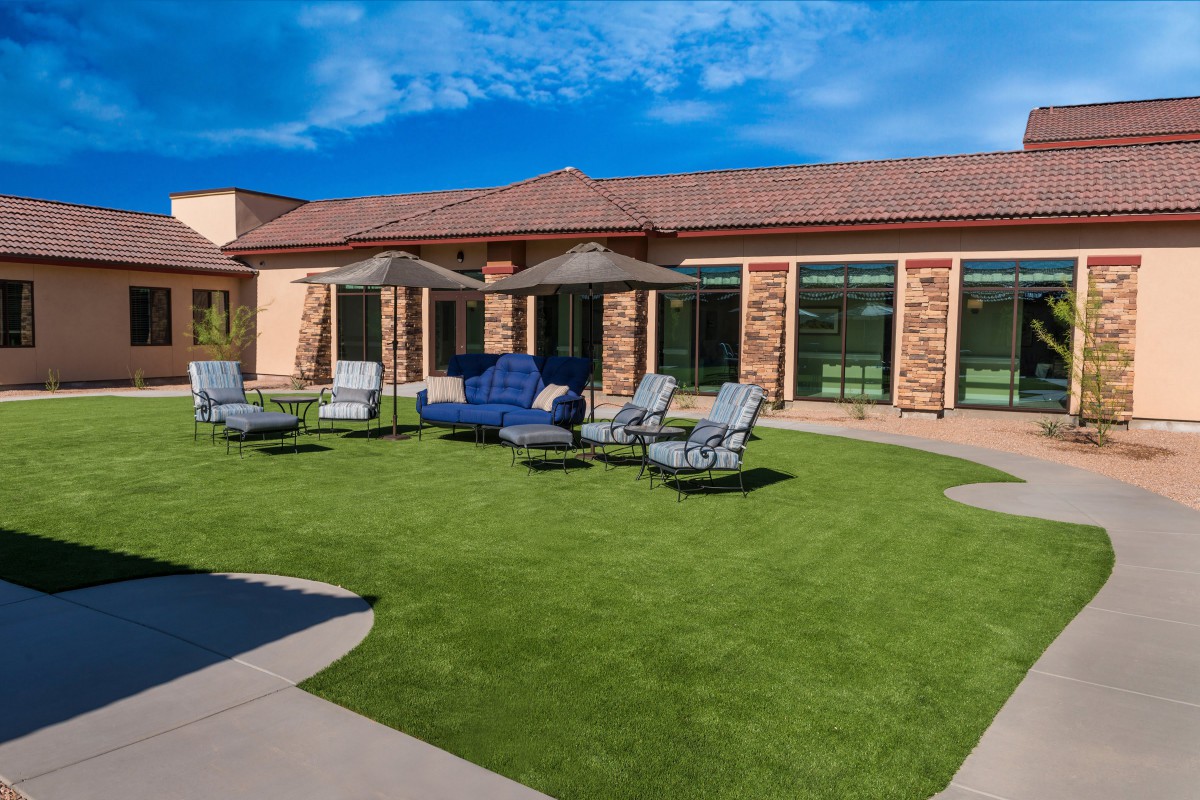
 Indoor common areas
 Kitchenette
 Outdoor common areas
 Respite or short term stays offered
 Swimming pool / hot tub
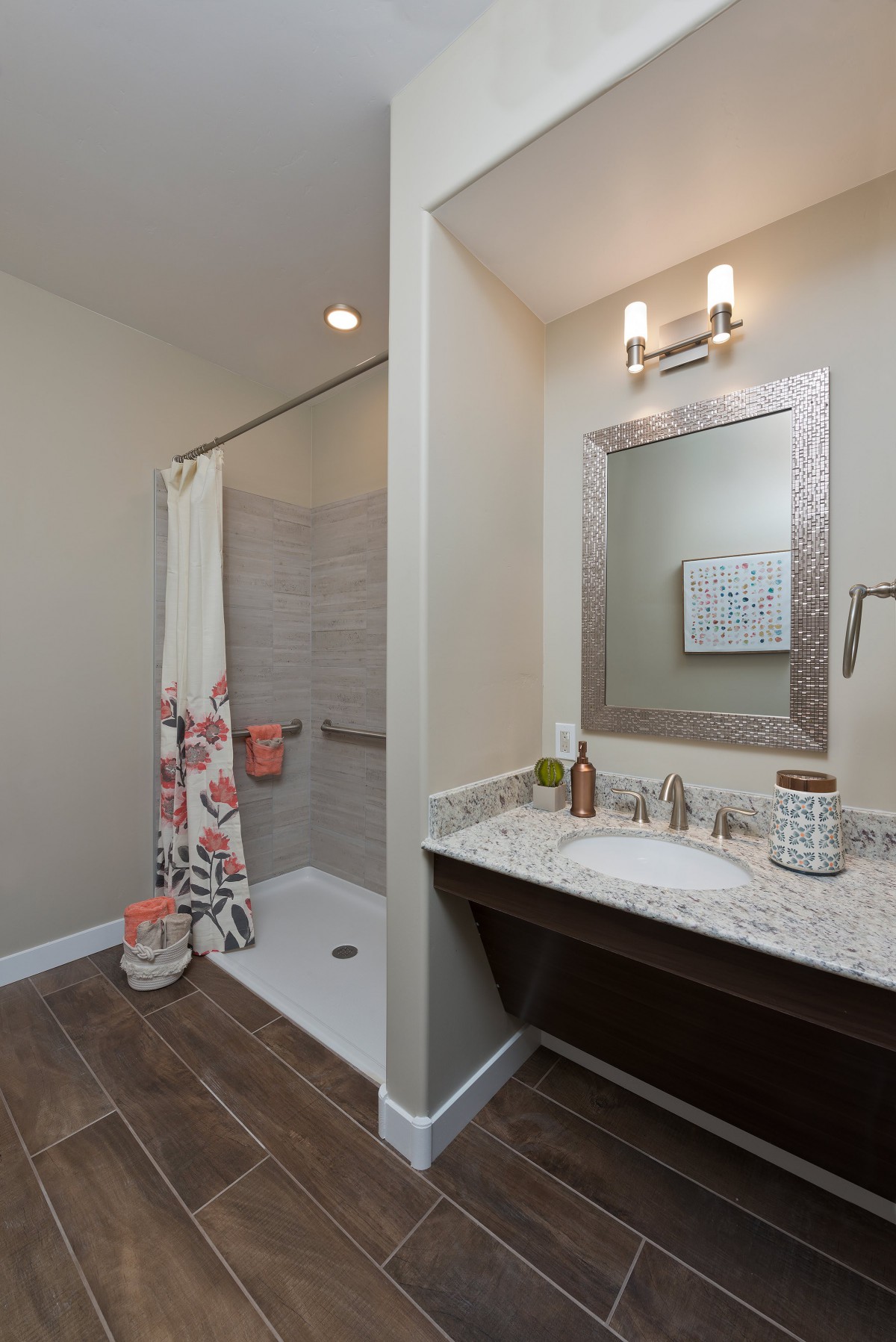
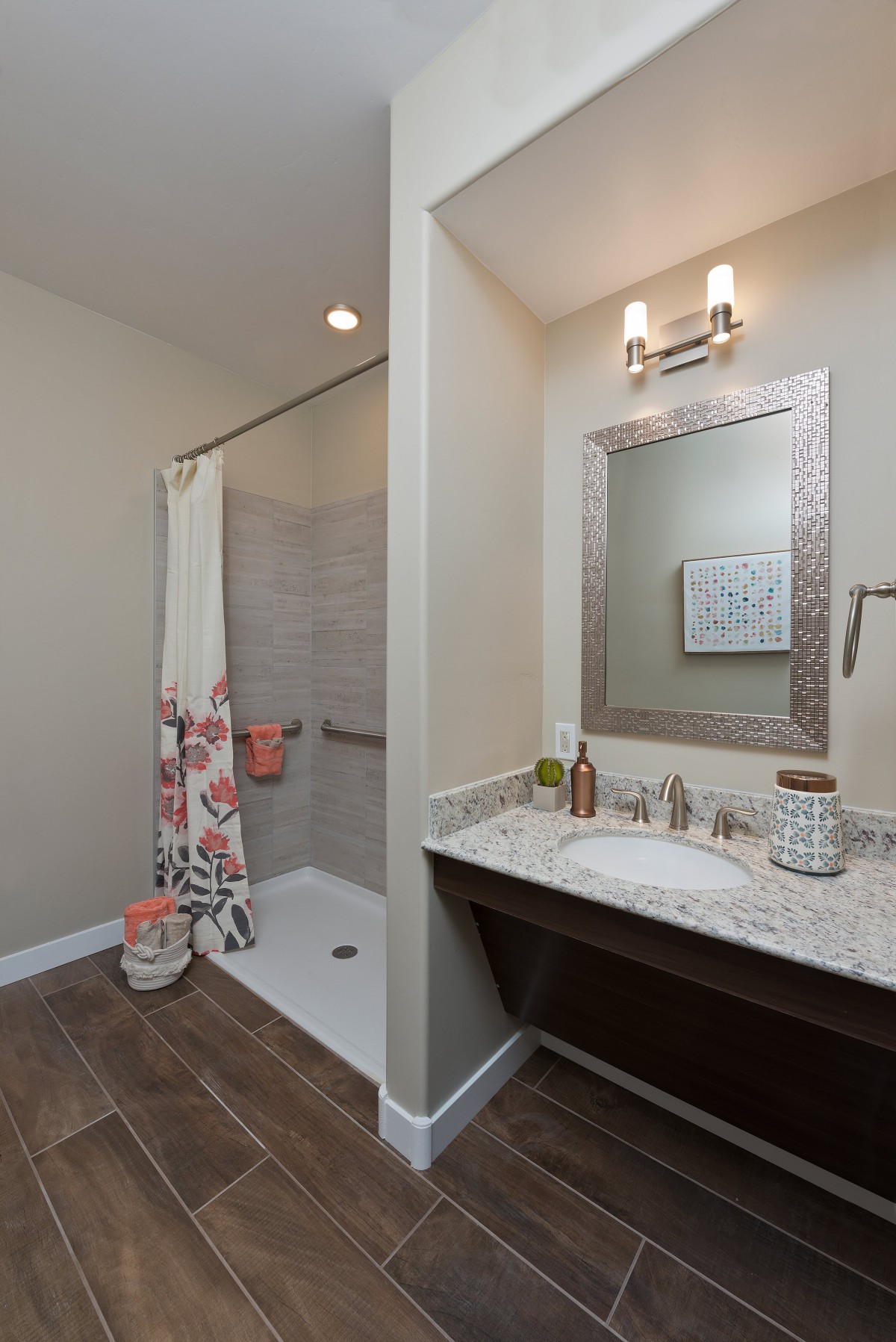
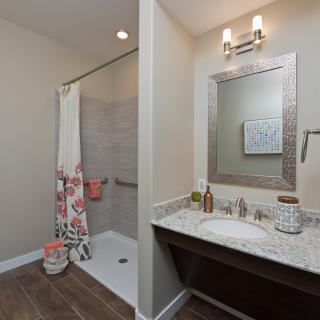
 Wheelchair accessible showers
 Wi-Fi/high-speed internet available
 Phoenix Sky Harbor International (19 miles away)
 Ambulatory care
 Diabetic care
 Incontinence care
 Medication management
 Guest meals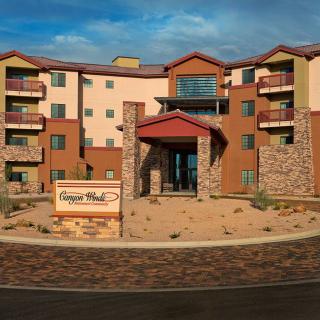



 Illuminating Insights About Alzheimer's Disease: Ten Crucial Realities
 A Thorough Discussion of Medications Potentially Linked to Dementia Risk
 Why Do Dementia Patients Sleep So Much? Understanding Oversleeping, Stages, and Care Approaches