

1024 N Ridge Cir, Mesa, AZ 85203
To contact a resident: (480) 695-5943
For more information about senior living options: (866) 208-4318
Asela's Care Home - Mesa Costs & Pricing
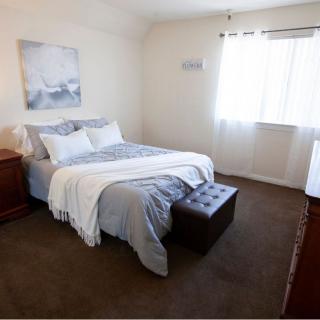
Asela's Care Home - Mesa offers competitive pricing for its residents compared to broader regional averages. For a semi-private room, the monthly cost is $1,800, which is significantly lower than the Maricopa County average of $2,801 and the state average of $2,820. Similarly, the private room option at Asela's is priced at $2,500, again undercutting the county's average of $3,318 and Arizona's state-wide average of $3,345. This makes Asela's Care Home an attractive choice for individuals seeking quality care without exceeding their budget in comparison to other facilities in both Maricopa County and across Arizona.
| Floor plans | Asela's Care Home - Mesa | Maricopa County | Arizona |
|---|---|---|---|
| Semi-Private | $1,800 | $2,801 | $2,820 |
| Private | $2,500 | $3,318 | $3,345 |
Senior living communities with a similar price nearby
-
from +$145 / mo

Home Instead - Fountain Hills, AZ
$1,945 to $3,525 / month11.9 miles away -
from +$61 / mo

Endeavor Senior In-Home - Mesa
$1,861 / month3.1 miles away -
from +$200 / mo
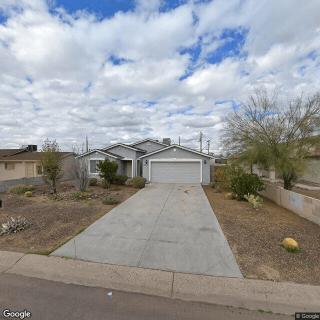
Garcia's Assisted Living Home LLC
$2,000 / month13.5 miles away -
from +$200 / mo
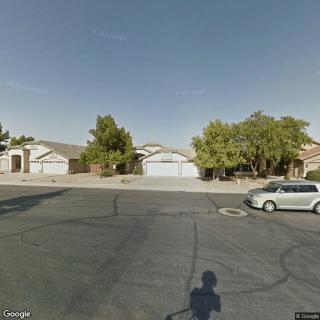
Santo Nino Villas 2
$2,000 to $2,300 / month10.1 miles away -
from +$200 / mo
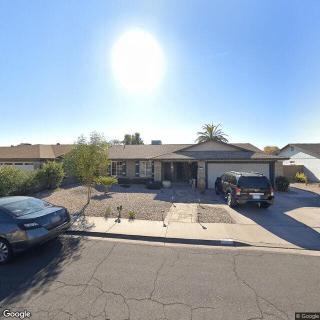
Martha Bonilla Care Loving Home
$2,000 to $2,200 / month6.0 miles away
Overall Review of Asela's Care Home - Mesa
Pros
 Stan and Eleanor are caring and helpful owners.
- They make every effort to ensure your family member is well taken care of every single day.
Review
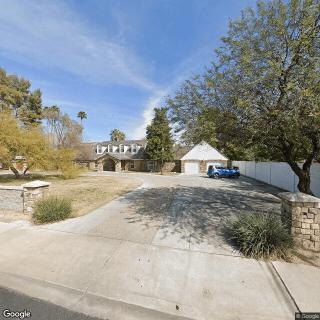
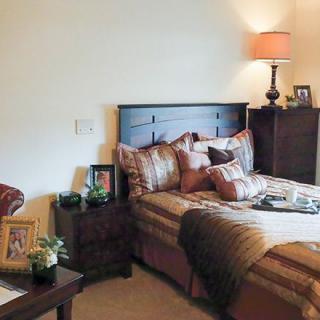
Asela's Care Home in Mesa is best suited for families seeking a warm, intimate setting where ownership is directly involved in daily care. This community shines when a senior lives best in a home-like environment rather than a large campus, and when steady, hands-on oversight is a top priority. The standout factor is clear: Stan and Eleanor are Caring and Helpful Owners who make every effort to ensure the resident is well taken care of every single day. That level of personal investment translates into reliable relationships, quick adjustments to routines, and a sense that a family member is known and valued rather than processed.
Those evaluating alternatives should consider the needs that come with a small, owner-operated model. If medical complexity requires regular on-site nursing, highly structured clinical programs, or a broad menu of daily activities, a larger community may be more appropriate. The intimate size of this home naturally yields fewer on-site specialists and a narrower range of organized programs. Families must weigh whether the resident’s day-to-day expectations, safety, supervision, and accessible care, can be met within the home’s capacity without compromising essential medical support or timely interventions.
The primary pros, personal attention, responsive care, and a consistent, family-like atmosphere, offset several common concerns associated with smaller facilities. The owners’ daily involvement helps reduce anxiety about caregiver turnover and enables rapid communication and plan adjustments. Residents benefit from a stable, predictable routine crafted with hands-on knowledge of preferences, habits, and dietary needs. In practice, that translates to a level of warmth and accountability that can be hard to secure in larger settings, where staff rotation and standardized processes may dilute individualized attention.
Yet the trade-offs deserve clear consideration. The same advantages that make the home feel welcoming can coincide with limits on breadth of services and social programming. For families seeking a calendar packed with excursions, diverse clubs, or on-site specialists, this option may feel limiting. The key is ensuring the resident’s quality of life will be sustained through daily interactions, meaningful routines, and prompt medical responsiveness. If these priorities align, valuing reassurance, daily hands-on care, and a true sense of belonging, the balance tips strongly in favor of this model.
Decision-making steps should center on firsthand observation and targeted questions. Schedule a visit to gauge how staff interact with residents and to observe the owners’ engagement throughout a typical day. Inquire about caregiver-to-resident ratios, staffing consistency, and the home’s ability to accommodate medical equipment or evolving care needs. Review sample menus, daily activity rhythms, and guest policies to understand how nourishment and social engagement are actually delivered. Clarify emergency procedures and proximity to medical facilities so that safety measures match the resident’s health profile. These checks will reveal whether the lived experience aligns with expectations and long-term well-being.
In sum, Asela's Care Home in Mesa is a strong fit for families prioritizing a warm, intimate, owner-led environment where daily care is highly personalized. It offers a compelling, low-gestation option for seniors who prize predictable routines, clear communication, and a palpable sense of belonging over the scale of amenities. Those with complex medical needs or a desire for a broad array of activities and on-site clinical services should explore larger communities or specialized facilities. With careful due diligence, the decision will align the resident’s comfort, safety, and overall well-being with a living arrangement that feels like home.
 Board and Care Home
 Private
 Phoenix Sky Harbor International (13 miles away)
 Diabetic care


 Understanding Hospice Care at Home: Comprehensive Services, Key Benefits, and Eligibility
 Understanding the Full Cost of 24/7 In-Home Care: A Detailed Overview
 Exploring the World of Home Health Nurses: Qualifications, Roles, and Hiring Tips