
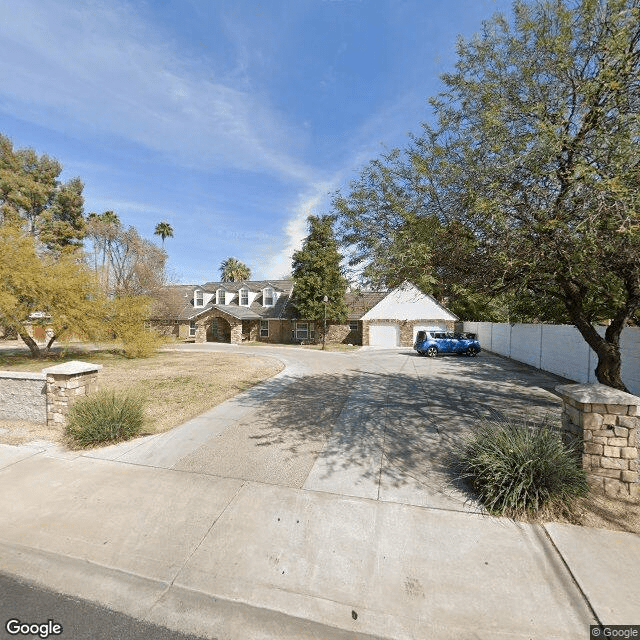
1511 N Gilbert Rd, Mesa, AZ 85203
To contact a resident: (480) 827-1575
For more information about senior living options: (866) 208-4318
Family Care Homes-Gilbert House Costs & Pricing
Family Care Homes-Gilbert House offers a range of accommodation options with pricing that reflects the unique care and environment it provides. For private rooms, costs vary between $2,200 and $4,000 per month, which is notably lower than the average for Maricopa County at $3,318 and the statewide average in Arizona of $3,345. This competitive pricing positions Gilbert House as an appealing choice for those seeking personalized care in a home-like setting. Similarly, the semi-private room option is priced at $3,000, aligning closely with county and state averages of $2,801 and $2,820 respectively. Overall, Family Care Homes-Gilbert House stands out not only for its affordability but also for its commitment to quality care within a supportive community.
| Floor plans | Family Care Homes-Gilbert House | Maricopa County | Arizona |
|---|---|---|---|
| Private | $2,200 to $4,000 | $3,318 | $3,345 |
| Semi-Private | $3,000 | $2,801 | $2,820 |
Senior living communities with a similar price nearby
-
from -$255 / mo

Home Instead - Fountain Hills, AZ
$1,945 to $3,525 / month11.9 miles away -
from -$339 / mo

Endeavor Senior In-Home - Mesa
$1,861 / month3.0 miles away -
from +$425 / mo
The Eldercare Home Of Tempe
$2,625 to $3,412 / month8.0 miles away -
from -$200 / mo
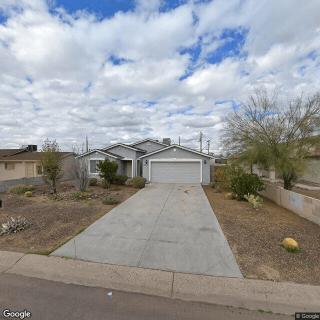
Garcia's Assisted Living Home LLC
$2,000 / month13.7 miles away -
from +$300 / mo

La Bella Vita ALH
$2,500 to $7,000 / month7.5 miles away
Overall Review of Family Care Homes-Gilbert House
Pros
 He loves this house.
- They take wonderful care of him.
- The staff is kind.
- The house is nice.
- The food and interaction with others is great.
Review
Family Care Homes-Gilbert House in Mesa, AZ is best suited for families seeking a small, home-like assisted living experience where elderly residents receive highly personalized attention, ample social interaction, and a warm, non-institutional atmosphere. The setting prioritizes intimate care, with a strong emphasis on daily routines that feel more like living with family than residing in a large campus. It is the kind of place where a resident who thrives on frequent staff interaction, familiar faces, and a comfortable, homely environment can settle in confidently. For seniors who value privacy paired with steady, attentive caregiving and meaningful connection, Gilbert House delivers a compelling match.
At the same time, this community may not align with expectations for those requiring intensive medical oversight or a broad continuum of services on site. Alternatives should be considered for residents needing 24/7 skilled nursing, complex wound care, infusion therapies, or robust memory-care programming within a larger, more resource-rich setting. Families seeking a campus with a wide array of on-site amenities, scheduled medical specialists, or a formal, hospital-like environment may find that bigger facilities better meet those needs. One review note signals that not all families experience flawless service, underscoring the importance of concrete checks during a visit.
The strongest positives center on care quality and a genuinely warm daily life. The resident experience described is one of consistent, attentive staff, a pleasant and clean home atmosphere, and opportunities for social engagement with peers. The anecdote about a nonagenarian resident who loves living there highlights reliable caregiving, kindness from staff, appealing meals, and meaningful interaction with others. These elements translate into tangible benefits: residents tend to feel secure, valued, and engaged, which in turn reduces anxiety and behavioral symptoms associated with aging in place. In a small, tightly run setting, consistent caregivers often know preferences, routines, and health cues in a way that larger facilities struggle to replicate.
However, the presence of a lone one-star review cannot be ignored. It signals that, despite strong overall sentiment, certain residents or families may encounter gaps or frustrations. The precise sources of dissatisfaction are not spelled out in public notes, but potential concerns typically revolve around staffing continuity, the availability of specialized medical services, privacy considerations, or the pace of life and activity options in a small home. These arenā€™t universal disqualifiers, but they are credible risk factors to investigate. The key defense against such concerns is rigorous due diligence: verify current staffing ratios, confirm the capacity to meet specific medical needs, and assess how care plans are developed, updated, and communicated.
To make a well-informed decision, prospective families should approach a tour with a practical checklist. Inspect the physical layout for safety features and accessibility, and inquire about daily schedules, meal quality, and any unique activity options that match personal interests. Request conversations with current residents or families to gather nuanced impressions about consistency of care and responsiveness to changing needs. Review the formal care plan process, response times for calls, and the availability of on-call medical attention. Clarify pricing inclusions, dietary accommodations, and the possibility of trial stays or short-term respite to gauge fit without long-term commitment. In short, verify that the warmth of the environment matches the reliability of care.
Overall, Family Care Homes-Gilbert House stands out for families prioritizing a warm, intimate setting where care feels personalized and social life remains lively. The positive experiences cited by most residents provide strong justification for considering this option as a primary choice for suitable candidates. Yet the single critical voice should not be dismissed; it serves as a prudent reminder to scrutinize specific needs, especially around medical oversight and service breadth. For residents whose requirements align with a small, compassionate home rather than a large, service-rich campus, Gilbert House offers a compelling, well-regarded path, one that rewards careful verification and clear alignment between individual needs and the level of on-site support.
 Board and Care Home
 Private
 Phoenix Sky Harbor International (13 miles away)
 Diabetic care



 Comprehensive Insights into Palliative Home Care: What It Is and What to Expect
 Skilled Nursing Facilities vs. Nursing Homes: Making Sense of the Differences
 A Detailed Examination of Nursing Home Costs Across the U.S.