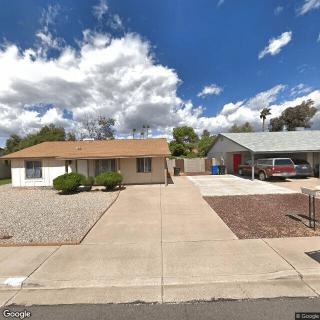
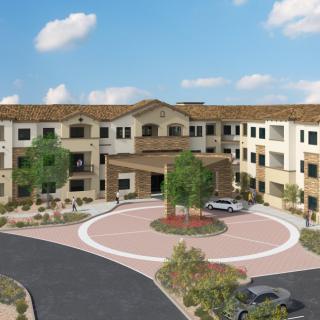
Allegiance Assisted Living

Save
Allegiance Assisted Living

Allegiance Assisted Living

2243 South Gaucho, Mesa, AZ 85202

For more information about senior living options: (844) 490-3973

4 from 100 reviews
5 stars
64
4 stars
12
3 stars
3
2 stars
2
1 stars
19

Assisted Living Board and Care Home Respite Care

Allegiance Assisted Living Costs & Pricing

Allegiance Assisted Living offers competitive pricing for its residents, particularly when compared to both Maricopa County and the wider Arizona market. For a semi-private room, Allegiance's monthly cost is $2,000, significantly lower than the county's average of $2,801 and the state average of $2,820. Similarly, those opting for a private room will find Allegiance's rate of $2,300 to be more affordable than Maricopa County's average of $3,318 and Arizona's general cost of $3,345. This positioning not only reflects Allegiance's commitment to providing quality care at an accessible price but also makes it an attractive option for families seeking supportive living arrangements in a budget-conscious manner.

Floor plansAllegiance Assisted LivingMaricopa CountyArizona
Semi-Private$2,000$2,801$2,820
Private$2,300$3,318$3,345

What level of care are you interested in?

Assisted Living

Memory Care

Independent Living

Skilled Nursing Facility

Continuing Care Retirement Community (CCRC)CCRC

Other


Request a tour at Allegiance Assisted Living

    Overall Review of Allegiance Assisted Living

    Pros

    • pro Allegiant's staff are described as friendly and patient with residents.
    • pro The facility is praised as very pretty with good food.
    • pro Visitors report a warm welcome from staff upon arrival at Allegiant of Mesa.
    • pro The building is beautiful and in a great location, with an attentive DON.
    • pro The rehabilitation team is described as wonderful, with care and concern for patients' needs.
    • pro The respiratory therapist is praised as the best in the state.
    • pro The DON and administrator are welcoming, and the facility is clean with a nice atmosphere.
    • pro The staff and nurses are kind, courteous, and helpful, and the facility is clean.
    • pro Hospice transitions and respite care are noted as smooth and appreciated.

    Cons

    • pro They missed 16 doses of his IV antibiotic over six weeks.
    • pro The staff were lazy and failed to provide needed therapy.
    • pro There was a huge HIPAA violation with little concern from staff.
    • pro He left with a pressure sore on his foot.
    • pro He was given only three showers in six weeks.
    • pro The curtains had mold and the bathroom sink wouldn't drain.
    • pro Transportation for dialysis was poorly managed, causing missed treatments.
    • pro A nurse (Stacy) was unprofessional, yelling and lying to family.
    • pro Doctors did not respond and the front desk often did not assist.
    • pro The DON was seen rummaging through a coworker's desk and personal belongings.
    • pro The facility had a bad reputation under new management.
    • pro The facility felt dirty and unsafe and should be avoided.

    Review

    A troubling cross-section of patient experiences at Allegiant Healthcare of Mesa reveals a range of serious concerns about safety, care quality, and communication, interwoven with a few brighter notes about dedicated staff and usable therapy programs. Across many reviews, families describe a facility that at times appears to struggle with basic medical administration, consistent therapy, and reliable daily care. The most alarming stories center on life-and-death risks - missed medications, the development or worsening of pressure ulcers, and delays that in at least one case coincided with septic complications and extended hospitalizations. In several accounts, loved ones who relied on IV antibiotics, careful monitoring, and timely interventions felt those needs were not met, sometimes with catastrophic consequences.

    The core of the worry centers around patient safety and medical management. One family recounts that their quadriplegic relative, who required a strong IV antibiotic due to antibiotic resistance, experienced 16 missed doses over a six-week stay. The same set of reviews notes delays or failures in addressing new pressure sores, and in one particularly stark case, a brother reportedly developed sepsis and suffered serious complications that culminated in loss of toes and renal failure before a transfer to a tertiary hospital occurred. The patient's condition and outcomes are contrasted with mentions of new management taking over after some departures, but the sentiment in several comments is that the new leadership has not changed the perceived risk or quality problems. These stories underscore a pervasive anxiety about whether the facility can deliver timely, preventive, and responsive medical care.

    Rehabilitation and therapy emerge as another battleground. Several reviewers argue that therapy is underutilized or misdirected, with treatments limited to in-bed range of motion rather than progressive functional therapy that could support sitting tolerance and core strength. One reviewer, drawing on professional experience, suggests that documented progress - such as measurable range-of-motion improvements across multiple joints - could be accomplished within the six-week window if properly prioritized, billing codes were correctly used, and therapy goals were clearly communicated. There are mixed messages about the therapy team: some praise specific therapists and case managers as competent and compassionate, while others report communication breakdowns, such as failed or mis-scheduled care meetings and a lack of coordination between PT and family input. A few patients highlight particularly positive experiences with dedicated therapists who helped them regain movement or address rehabilitation goals, but these voices sit alongside numerous complaints about inconsistent therapy access and unclear pathways for family input.

    Environment and cleanliness add another layer of frustration for families. A recurring theme is moldy curtains, sinks that fail to drain, and other basic maintenance issues that children and adults alike would expect to see promptly resolved in a medical setting. Some reviews describe parts of the facility as attractive, clean, and pleasant, with nice d?cor and a comfortable atmosphere, but these positives coexist with reports of equipment left in hallways, inadequate housekeeping in patient rooms, and limited opportunities for essential hygiene - such as shower frequency and timely assistance with daily care. In some narratives, the concern about environmental conditions intersects with patient safety - one family notes delays and neglect that coincide with the care they received for urgent medical needs, amplifying the perception that the facility is not consistently prioritizing cleanliness and the safe, respectful handling of residents.

    Staffing and professional conduct present a spectrum from praise to severe criticism. A number of reviews highlight friendly, courteous, and patient-centered staff who are responsive and committed, sometimes going above and beyond to support patients and families. There are, however, persistent refutations of professionalism and reliability in other accounts: reports of unprofessional behavior by individual nurses, claims of yelling or dishonesty with families, and a sense that some departments fail to respond promptly to concerns. A few reviews mention leadership tensions or distrust in management, including an assertion that the administrative leadership, including the Director of Nursing, may not be adequately safeguarding patient welfare or maintaining appropriate oversight. The inconsistency across staff experiences appears to be a significant contributor to overall impressions, leaving families unsure about what to expect on any given day.

    Transportation and logistical planning for patient care also feature prominently in the complaints. Several families recount transportation mishaps that disrupted critical transitions - timing around dialysis or hospital discharges, late pickups, and insufficient planning that forced patients to endure extended periods without appropriate mobility or medical support. In a few cases, families had to improvise alternatives or rely on emergency services to bridge gaps, which only added to the sense of disorganization and frustration. These transportation issues compound other concerns about timely medical care and the overall efficiency of patient flow through the facility.

    Despite the negative assessments, there are a handful of positive notes that recur in some reviews. A few residents or family members describe the facility as visually appealing, with a clean environment and pleasant dining experiences. Several reviews commend specific staff members, including standout therapy team members and a few nurses or aides who provided compassionate care and consistent support. Some patients indicate that, when their own needs were met, they experienced meaningful improvements in function and well-being, and that certain departments or individuals helped them maintain dignity during difficult health journeys. These stories remind readers that, within Allegiant Healthcare of Mesa, there are instance-by-instance successes that contrast with broader patterns of dissatisfaction.

    In sum, the collective experiences paint a complex portrait. For many families, Allegiant Healthcare of Mesa represents a place where care can falter in critical areas - medication administration, timely therapy, sanitation, and reliable transportation - creating fear and frustration about the safety and well-being of loved ones. Yet within the same ecosystem, there are moments of genuine care, professional competence, and patient-centered outcomes from dedicated staff and teams. The balance of voices suggests significant variation by shift, by staff, and perhaps by program or management changes over time. Anyone considering this facility would do well to probe current practices directly: ask about medication administration protocols, recent infection control outcomes, how therapy goals are set and documented, the process for coordinating care with families, and concrete plans for transportation and discharge. While some find reassurance in the camaraderie of certain care teams, others warn with alarming candor about preventable harm and preventable suffering - that a loved one's stay could hinge on the day's personnel, management decisions, and the facility's readiness to address urgent concerns with speed and transparency.

    Features

    Housing

    • 6 resident community capacity 6 resident community capacity

    Types of Care

    • Assisted Living Assisted LivingAssisted living facilities provide crucial support and care for seniors who may need help with daily tasks such as medication management, bathing, and meal preparation. These communities offer a safe and comfortable environment where seniors can maintain their independence while receiving the assistance they need to thrive in their golden years.
    • Board and Care Home Board and Care HomeBoard and care homes provide a smaller, more intimate setting for seniors who require assistance with daily tasks but do not need the level of care offered by a nursing home. They offer personalized care, meals, and social activities in a homelike environment, ensuring that seniors receive individualized attention and support in their golden years.
    • Respite Care Respite CareRespite care provides temporary relief for caregivers, allowing them to recharge and attend to their own needs. It also gives seniors the opportunity to socialize, receive professional care, and experience a change of scenery, promoting overall well-being and reducing feelings of isolation.

    Pets

    • Cats allowed Cats allowed"Pet friendly" senior living communities are important for seniors because pets provide companionship, reduce feelings of loneliness and depression, promote physical activity and mental stimulation, and offer a sense of purpose and responsibility. Pets can improve overall well-being and quality of life for seniors in many ways.
    • Dogs allowed Dogs allowed"Pet friendly" senior living communities are important for seniors because pets provide companionship, reduce feelings of loneliness and depression, promote physical activity and mental stimulation, and offer a sense of purpose and responsibility. Pets can improve overall well-being and quality of life for seniors in many ways.

    Amenities

    • Activities on-site Activities on-siteActivities on-site are important for seniors because they provide opportunities for socialization, mental stimulation, physical activity, and overall well-being. Engaging in activities can help seniors stay active, maintain their independence, and improve their quality of life.
    • Bath tubs Bath tubsBath tubs are important for seniors because they provide a safe and relaxing way to bathe, helping to prevent slips and falls while promoting independence and overall well-being.
    • Cable or satellite TV Cable or satellite TVCable or satellite TV is important for seniors because it provides entertainment, news, and companionship, helping to combat loneliness and boredom. It also offers a wide range of programming options tailored to different interests and preferences.
    • Dining room Dining roomDining rooms are important for seniors as they provide a space for socialization, connection, and nutritious meals. They offer opportunities for residents to bond over shared meals, foster a sense of community, and promote healthy eating habits. Dining rooms also ensure that seniors have access to well-balanced meals tailored to their dietary needs and preferences.
    • Fully furnished Fully furnishedFully furnished senior living communities are important for seniors because they provide convenience, comfort, and a hassle-free moving experience. Seniors can easily settle into their new living space without the stress of having to buy and move furniture. This allows them to focus on enjoying their new home and community.
    • Garden GardenGardens are important for seniors as they provide a peaceful and therapeutic environment for relaxation, physical activity, and socialization. Being in nature has been shown to reduce stress, improve mood, and promote overall well-being. Gardens also offer opportunities for seniors to engage in gardening activities, which can improve mobility, flexibility, and cognitive function. Additionally, gardens create a sense of community and connection with others who share a passion for plants and outdoor spaces.
    • Housekeeping services Housekeeping servicesHousekeeping services are important for seniors because they help maintain a clean and safe living environment, promote independence, and reduce the risk of accidents or illnesses. Additionally, having assistance with household chores can alleviate physical strain and allow seniors to focus on other aspects of their well-being.
    • Indoor common areas Indoor common areasIndoor common areas are crucial for seniors as they provide a space for socialization, recreation, and community engagement, promoting overall well-being and reducing feelings of isolation and loneliness.
    • Move-in coordination Move-in coordinationMove-in coordination is important for seniors because it helps ease the transition into their new living environment. It ensures that all logistics, such as packing, organizing movers, and setting up utilities are taken care of, allowing seniors to focus on settling in and adjusting to their new home. Having a smooth move-in process can alleviate stress and anxiety, making the transition smoother and more enjoyable for seniors.
    • Outdoor common areas Outdoor common areasOutdoor common areas are important for seniors as they provide a space for socialization, physical activity, and relaxation. Being outside in nature can improve mood and overall well-being, while also encouraging movement and engagement with others. These spaces can help combat feelings of isolation and promote a sense of community among residents.
    • Outdoor space Outdoor spaceOutdoor spaces are important for seniors as they provide opportunities for physical activity, social interaction, exposure to natural light and fresh air, and a sense of connection to nature. Having access to outdoor spaces can improve overall well-being and quality of life for older adults living in senior communities.
    • Private PrivatePrivacy is important for seniors as it allows them to maintain their independence, dignity, and sense of control over their own lives. It also gives them the space and freedom to relax, reflect, and engage in activities that bring them joy and fulfillment. Creating private spaces within senior living facilities is crucial for promoting overall well-being and quality of life.
    • Private bathrooms Private bathroomsPrivate bathrooms are important for seniors in senior living communities because they provide independence, dignity, and comfort. Having a private bathroom allows seniors to maintain their personal hygiene routines without the need for assistance, promoting a sense of autonomy and privacy. Additionally, private bathrooms help prevent the spread of infections and provide a safe and clean environment for seniors to navigate safely.
    • Respite or short term stays offered Respite or short term stays offeredRespite or short term stays provide seniors with a temporary solution when their regular caregiver is unavailable, offering them the opportunity to receive additional care and support during times of need, while also giving caregivers a chance to rest and recharge.
    • Telephone TelephoneTelephones are important for seniors as they provide a lifeline for communication with loved ones, emergency services, and healthcare providers. They offer a sense of security and independence, enabling seniors to stay connected and access assistance when needed.
    • Wi-Fi/high-speed internet available Wi-Fi/high-speed internet availableWi-Fi/high-speed internet is important for seniors to stay connected with loved ones, access online resources, and participate in virtual activities to combat feelings of loneliness and isolation. It also allows them to easily manage healthcare needs, access entertainment, and engage in lifelong learning opportunities.

    Transportation

    • Phoenix Sky Harbor International (8 miles away) Phoenix Sky Harbor International (8 miles away)

    Care Services

    • 24-hour supervision 24-hour supervision24-hour supervision is important for seniors to ensure their safety, well-being, and access to immediate assistance in case of emergencies or health issues. This constant support provides peace of mind for both seniors and their loved ones, allowing them to age in place with dignity and security.
    • Activities of daily living assistance Activities of daily living assistanceActivities of daily living assistance are important for seniors because they provide essential support with tasks such as eating, bathing, dressing, and mobility. This assistance helps seniors maintain their independence, dignity, and overall quality of life as they age.
    • Assistance with bathing Assistance with bathingAssistance with bathing is crucial for seniors as it helps maintain personal hygiene, prevents infections, and ensures their overall well-being and comfort. It also provides a sense of dignity and independence for seniors who may struggle with this task on their own.
    • Assistance with dressing Assistance with dressingAssistance with dressing is important for seniors because it helps maintain their independence, promotes personal hygiene, prevents accidents and injuries, and improves overall quality of life. This service ensures that seniors can continue to dress comfortably and confidently, despite any physical limitations they may have.
    • Assistance with transfers Assistance with transfersAssistance with transfers is crucial for seniors as it helps prevent falls and injuries, maintains their independence, and ensures they can safely navigate their living environment. It also provides peace of mind for both seniors and their loved ones.
    • Coordination with health care providers Coordination with health care providersCoordination with health care providers is crucial for seniors to ensure proper medical care, medication management, and overall well-being. This collaboration helps prevent overlapping treatments, track progress more effectively, and provide comprehensive support tailored to individual needs.
    • Diabetes diet Diabetes dietA diabetes diet is crucial for seniors as it helps manage blood sugar levels, reduce risks of complications, and improve overall health and well-being. By following a balanced and nutritious diet tailored to their specific needs, seniors can better control their diabetes and enhance their quality of life.
    • Diabetic care Diabetic careDiabetic care is crucial for seniors as they are more susceptible to developing diabetes due to aging and other health conditions. Proper management of diabetes can help prevent complications such as heart disease, vision loss, and nerve damage, improving the overall quality of life for seniors in senior living communities.
    • High acuity care High acuity careHigh acuity care is important for seniors because it provides specialized medical attention and support for individuals with complex medical needs. This level of care ensures that seniors receive the appropriate treatment and assistance to maintain their health and quality of life as they age.
    • Meal preparation and service Meal preparation and serviceMeal preparation and service are crucial for seniors as they may have limited mobility or energy to cook nutritious meals. Having access to healthy and convenient food options can ensure they are getting the proper nutrition needed to maintain their overall health and well-being.
    • Medication management Medication managementMedication management is crucial for seniors to ensure they are taking the right medications at the correct dosages and times. This helps prevent adverse drug interactions, reduces the risk of medication errors, and promotes overall health and well-being. Proactive management also allows for adjustments as needed based on changing health conditions or new prescriptions.
    • Special dietary restrictions Special dietary restrictionsSpecial dietary restrictions are important for seniors because age-related changes in metabolism and health conditions can make it difficult for their bodies to process certain foods. By following a diet tailored to their specific needs, seniors can maintain their overall health and well-being, manage chronic conditions, and reduce the risk of complications such as malnutrition or food interactions with medications.
    • Transportation arrangement (medical) Transportation arrangement (medical)Transportation arrangements for medical purposes are essential for seniors as they may have difficulty driving themselves to appointments or accessing public transportation. Having reliable and safe transportation options ensures that seniors can receive timely medical care and maintain their health and well-being.
    • Transportation to doctors appointments Transportation to doctors appointmentsTransportation to doctors' appointments is crucial for seniors as it ensures they have access to necessary medical care and support for their health needs. Without reliable transportation, seniors may struggle to attend important appointments, leading to potential delays in treatment and health complications. Providing transportation services helps seniors maintain their overall well-being and quality of life.

    Dining

    • Diabetes diet Diabetes dietA diabetes diet is crucial for seniors as it helps manage blood sugar levels, reduce risks of complications, and improve overall health and well-being. By following a balanced and nutritious diet tailored to their specific needs, seniors can better control their diabetes and enhance their quality of life.
    • Meals provided Meals provided"Meals provided" are crucial for seniors in assisted living communities as it ensures they have access to nutritious, balanced meals without the stress of meal planning and preparation. This can help promote overall health and well-being for seniors who may have limited mobility or cognitive abilities.
    • Special dietary restrictions Special dietary restrictionsSpecial dietary restrictions are important for seniors because age-related changes in metabolism and health conditions can make it difficult for their bodies to process certain foods. By following a diet tailored to their specific needs, seniors can maintain their overall health and well-being, manage chronic conditions, and reduce the risk of complications such as malnutrition or food interactions with medications.

    Activities

    • Activities on-site Activities on-siteActivities on-site are important for seniors because they provide opportunities for socialization, mental stimulation, physical activity, and overall well-being. Engaging in activities can help seniors stay active, maintain their independence, and improve their quality of life.
    • Community-sponsored activities Community-sponsored activitiesCommunity-sponsored activities are important for seniors as they provide opportunities for social interaction, mental stimulation, and physical activity. These activities can help improve overall well-being, combat loneliness and isolation, and promote a sense of belonging and purpose among older adults.
    • Scheduled daily activities Scheduled daily activitiesScheduled daily activities are important for seniors because they provide structure, socialization, mental stimulation, and physical activity. Engaging in regular activities can improve overall well-being and quality of life for seniors living in a community setting.

    Description

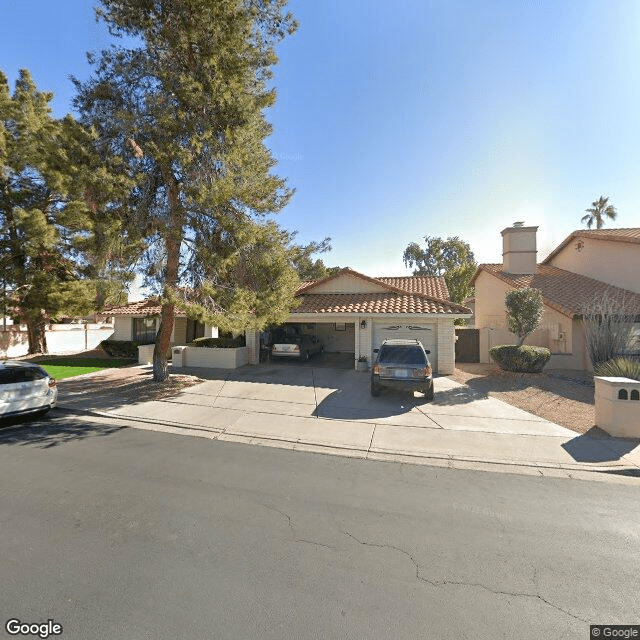
    Allegiance Assisted Living in Mesa, AZ offers a comfortable and caring environment for seniors in need of assistance with daily tasks and those requiring respite care. Our community provides a variety of amenities to ensure residents feel at home, including fully furnished private rooms with private bathrooms, cable or satellite TV, and Wi-Fi/high-speed internet access.

    We prioritize the well-being of our residents by offering a range of care services such as assistance with bathing, dressing, and transfers, along with medication management and coordination with healthcare providers. Our staff is trained to provide high acuity care and follow specialized diabetes diets for diabetic residents.

    Residents can enjoy delicious meals prepared with their dietary restrictions in mind in our dining room. Additionally, we offer housekeeping services to maintain a clean living environment for all residents.

    Our community encourages socialization and engagement through various activities, both provided by the community and sponsored by the wider community. Residents can participate in scheduled daily activities that cater to their interests and hobbies.

    Allegiance Assisted Living boasts convenient proximity to several amenities nearby including cafes, parks, pharmacies, physicians' offices, restaurants, transportation services, places of worship, and theaters. This allows residents easy access to services they may require or enjoy visiting.

    For seniors seeking a supportive assisted living community that values individual needs and promotes an active lifestyle, Allegiance Assisted Living in Mesa is an excellent choice.

    Nearby Places of Interest

    This part of Mesa, Arizona, offers a diverse range of amenities and services that cater to a senior population. With several pharmacies in close proximity, including Walgreens and CVS, seniors can easily access their medications and healthcare needs. Additionally, there are numerous restaurants offering various dining options, from fast food at Wendy's to authentic Italian cuisine at RigaTony's. For recreational activities, there are parks such as Daumler Park and Selleh Park nearby for leisurely walks or picnics. Places of worship like Kingdom Hall and Temple Emanuel provide spiritual support for residents. Medical facilities like Oasis Behavioral Health Hospital and HonorHealth Medical Group offer quality healthcare services. Public transportation options are available with the METRO University Dr /Rural station located within a reasonable distance. Overall, this area provides convenience, accessibility, and a sense of community for seniors looking to settle down in Mesa.

    Restaurants

    • Raising Cane's Chicken Fingers (1.5 miles)
    • In-N-Out Burger (1.9 miles)
    • Hibachi Grill Super Buffet (2.1 miles)
    • Green Corner Restaurant (2.2 miles)
    • Arizona Wilderness Brewing Co. (2.5 miles)
    • RigaTony's Authentic Italian (3 miles)
    • Wendy's (3 miles)

    Pharmacies

    • Walgreens (1.5 miles)
    • Fry's Pharmacy (1.6 miles)
    • Walgreens (1.8 miles)
    • Walgreens (2 miles)
    • CVS Pharmacy (2.6 miles)
    • Walgreens (2.7 miles)
    • Walmart Pharmacy (2.7 miles)

    Places of Worship

    • Kingdom Hall (1.8 miles)
    • Temple Emanuel (2.6 miles)
    • Mesa Arizona Temple (4.6 miles)
    • Islamic Community Center of Tempe (4.7 miles)
    • First United Methodist Church of Gilbert (4.9 miles)

    Parks

    • Daumler Park (1.8 miles)
    • Selleh Park (2.4 miles)
    • Desert Breeze Park (4.6 miles)

    Theaters

    • Alamo Drafthouse Tempe (2.3 miles)
    • Harkins Tempe Marketplace 16 (4.3 miles)
    • AMC Mesa Grand 14 (4.6 miles)
    • Arizona Mills 18 w/ IMAX (4.8 miles)

    Cafes

    • Starbucks (2.6 miles)
    • Starbucks (3.5 miles)
    • Dutch Bros Coffee (3.6 miles)
    • Infusion Coffee & Tea (3.8 miles)
    • Dutch Bros Coffee (3.9 miles)
    • Starbucks (4.5 miles)
    • Starbucks (4.5 miles)

    Physicians

    • Oasis Behavioral Health Hospital (3.1 miles)
    • HonorHealth Medical Group - South Tempe - Primary Care (3.2 miles)
    • 20/20 Image Eye Centers (3.3 miles)
    • Centre For Contemporary Dental Concepts (4.4 miles)
    • Chandler Eyecare (4.7 miles)
    • Arizona State Urological Institute (4.8 miles)
    • East Valley Family Physicians (4.8 miles)

    Transportation

    • METRO University Dr /Rural (4.2 miles)

    Frequently Asked Questions

    How much does it cost to live at Allegiance Assisted Living in Mesa, AZ?
    Where is Allegiance Assisted Living?
    Does Allegiance Assisted Living allow residents to have pets?

    Nearby Communities

    • Catarina's Care Home

      Catarina's Care Home

      Mesa, AZ

      4.2 from 6 reviews
      $2,000 to $2,500 / month

      pro Small, intimate 6-bed home with competitive pricing and comprehensive memory/high-acuity care.


    • Monte Manor Assisted Living

      Monte Manor Assisted Living

      Mesa, AZ

      3.7 from 7 reviews
      $1,800 to $2,000 / month

      pro Clean facility with generally friendly caregivers.

    • Peaceful Feeling Group Home

      Peaceful Feeling Group Home

      Mesa, AZ


      pro Small, homelike setting with personalized care and transportation to medical appointments.

    • Jolex @ Obispo

      Jolex @ Obispo

      Mesa, AZ

       
      $1,600 to $1,800 / month

      pro Private rooms with private baths and competitive pricing.

    • Jo Lex At Obispo

      Jo Lex At Obispo

      Mesa, AZ


      pro Small, home-like setting with personalized care (capacity of 5).

    • Pennington Manor Assisted Living Home

      Pennington Manor Assisted Living Home

      Mesa, AZ

      4.8 from 21 reviews
      $5,408 / month

      pro Fully furnished rooms with comprehensive services (care, meals, garden, housekeeping, move-in coordination, transportation to appointments, diabetes diet).

    • Friendship Village Tempe

      Friendship Village Tempe

      Tempe, AZ

      4.7 from 111 reviews
      $7,057 / month

      pro Vibrant, caring community with engaging activities and good dining.

    • Total Care Connections - Mesa

      Total Care Connections - Mesa

      Tempe, AZ

      4.8 from 73 reviews
       

      pro Reliable, compassionate caregivers with responsive office staff.

    • Cadence Chandler

      Cadence Chandler

      Chandler, AZ

      4.8 from 79 reviews
      $3,550 to $5,200 / month

      pro Attentive staff and high-quality, diverse dining options.

    Related Resources

    • when to move from assisted living to memory careWhen to Transition from Assisted Living to Memory Care: Key Indicators, Steps, and Finding the Right Community

      Transitioning from assisted living to memory care is driven by an individual's cognitive decline and specific needs, requiring careful evaluation of indicators like increased confusion and wandering. The process involves consulting medical professionals, researching suitable communities, considering financial and legal aspects, and ensuring effective communication for personalized care plans.

    • assisted living vs memory careAssisted Living and Memory Care: Understanding Their Core Differences

      Assisted living provides moderate support for seniors seeking independence, while memory care offers specialized support for individuals with dementia or cognitive impairments through structured routines and trained staff. Key differences include care approaches, environment security measures, staff training levels, activity types, and cost considerations.

    • assisted living activitiesBeyond the Bingo Hall: 50+ Enriching Activities for Seniors in Assisted Living

      Assisted living communities offer diverse activities beyond traditional games to enhance seniors' physical health, cognitive well-being, emotional enrichment, and social connections, including fitness classes, creative expression, and intergenerational interactions. These enriching programs foster community bonds and support residents' independence and happiness.


    Get Pricing Ask A Question Schedule A Tour Contact Senior Advisor