
4211 North Pebble Creek Parkway (Bldg 1), Goodyear, AZ 85395
For more information about senior living options: (866) 208-4318
Overall Review of Pathways Assisted Living & Memory Care
Pros
 The group home has exceeded expectations with excellent, compassionate, and skilled care.
- Anca is described as a gem, with warmth and dedication evident in every detail.
- The staff are friendly, professional, and attentive to residents’ daily needs in a timely, respectful way.
- The activities offered are fantastic, well-planned, engaging, and have a positive impact on residents.
- The home-cooked meals are prepared fresh daily and are a highlight for residents and families.
- The homes are spotless, clean, and consistently smell fresh, creating a welcoming environment.
- The overall atmosphere is joyful, with happy residents and a vibe of fun and happiness.
- Anca and her team are advocates who arrange the best possible care plans and coordinate with other providers when needed.
Cons
 The aunt was scared of the staff and it didn’t appear that she was receiving her medication.
- Not all memory care facilities are created equal.
- The family moved him three times in two months before finding Anca Barbur.
Review
Pathways Assisted Living & Memory Care in Goodyear is best suited for families seeking a dementia-focused, home-like environment where care staff are genuinely involved, warm, and capable of coordinating medical needs. This community is a strong fit for residents with Alzheimer’s or other memory impairments who benefit from predictable routines, engaging daily activities, and a culture that treats each moment as an opportunity for compassionate care. The throughline in the available experiences is a sense of safety, belonging, and consistent staff-resident relationships that make daily living feel both meaningful and secure.
There are clearly defined alternatives to consider for families with broader medical expectations. If the priority is hospital-grade acuity on-site, access to an expansive medical team, or rehab and specialty services spread across a large campus, larger operators may better meet those needs. For residents requiring intensive clinical management, complex wound care, or a wider menu of on-site therapies, exploring facilities designed to deliver broad medical resources as a core feature can be a prudent move. These families should anticipate a different scale and atmosphere than a tightly run, memory-focused home.
The strongest pros, highly attentive staff, deep memory-care expertise, and a home-like atmosphere with thoughtful routines, offset potential drawbacks that come with a smaller operation. The reviews repeatedly highlight staff who are patient, celebratory in tone, and proactive about coordinating doctor visits and tests, while keeping daily life safe and dignified. Cleanliness, home-cooked meals, and spaces that feel welcoming contribute to residents’ mood and engagement. When the aim is daily consistency, meaningful activities, and a genuine sense of family, these advantages often outweigh the constraints typical of smaller, memory-care-centric settings.
Memory care is not treated as a sidenote; it is the backbone of the care model. Activities are described as well-planned and engaging, designed to promote interaction without overloading residents. The environment supports a family-like rhythm, with décor that shifts seasonally and meals prepared fresh, which appears to bolster residents’ appetite and spirits. Importantly, the staff’s ability to partner with hospice and other providers, coupled with a straightforward, no-nonsense approach, builds trust for families navigating progressive memory loss and ongoing medical needs.
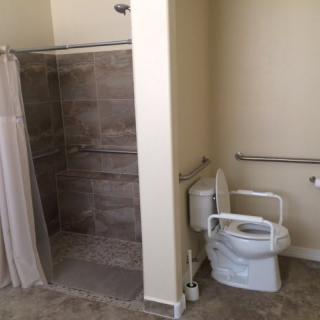
For families evaluating Pathways, practical diligence can translate into a confident choice. Prospective residents’ families should schedule an in-person tour and observe everyday interactions during meals, activities, and routine care. Inquire about staff-to-resident ratios and memory-care training, and ask how care plans evolve as needs progress. Investigate medication management practices, meal quality and dietary accommodations, and the facility’s cleanliness standards. Explore outdoor spaces and safety features for mobility, and confirm how communications with families and external physicians are maintained. The right questions reveal whether Pathways will sustain the compassionate, hands-on advocacy that families value.
In the end, Pathways presents a meaningful option for families who prize a dementia-focused environment where care teams know residents well, advocate for them, and deliver consistent, home-like daily living. The credibility of personalized attention, reliable staffing, and a cheerful, safe atmosphere often surpasses the limits of a smaller setting. Those seeking a broad, highly medicalized campus should weigh alternatives that offer more extensive on-site clinical resources. For many families, this model offers the reassurance that a loved one will be seen, respected, and cared for with real warmth every day.
 10 resident community capacity
 Assisted Living
 Board and Care Home
 Memory Care
 Cable or satellite TV
 Dining room
 Fully furnished
 Garden
 Housekeeping services
 Move-in coordination
 Outdoor space
 Telephone
 Wi-Fi/high-speed internet available
 Phoenix Sky Harbor International (23 miles away)
 24-hour supervision
 Activities of daily living assistance
 Assistance with bathing
 Assistance with dressing
 Assistance with transfers
 Diabetes diet
 Hospice waiver
 Meal preparation and service
 Medication management
 Mental wellness program
 Special dietary restrictions
 Transportation arrangement (medical)
 Transportation to doctors appointments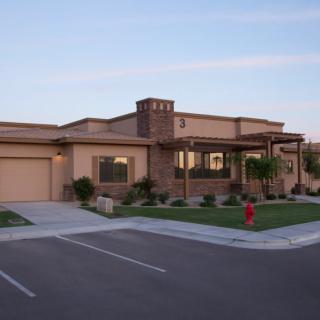




 22 Remarkable Caregiver Support Groups Available Online and In-Person
 Understanding Medicaid Coverage for Assisted Living: A Comprehensive Guide
 How and When Medicaid May Cover Assisted Living Costs