
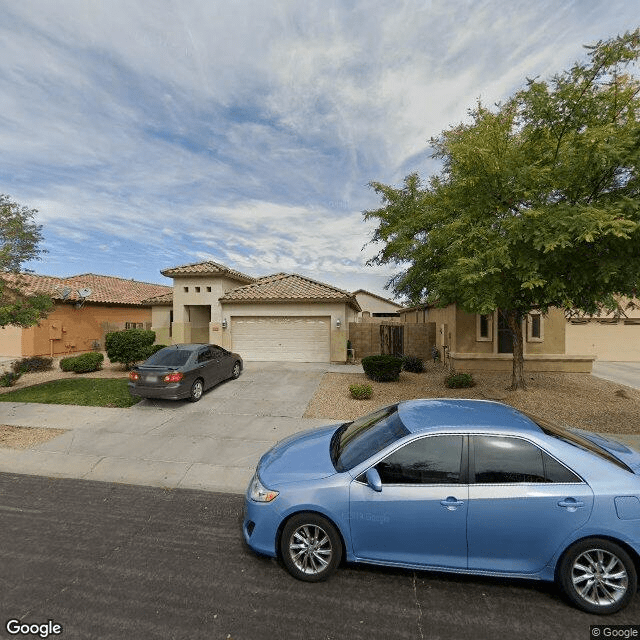
15456 W Morning Glory Street, Goodyear, AZ 85338
To contact a resident: (408) 623-8754
For more information about senior living options: (866) 208-4318
Kissling Manor A L H Costs & Pricing
Kissling Manor A L H offers competitive pricing for its residential care services, positioning itself as an attractive option within Maricopa County and the broader state of Arizona. For semi-private accommodations, residents can expect a monthly cost of $2,200, significantly lower than the county average of $2,801 and the state average of $2,820. Those seeking private rooms will find Kissling Manor's rate of $2,700 to be quite favorable compared to the higher costs seen in both Maricopa County at $3,318 and across Arizona at $3,345. This pricing structure reflects Kissling Manor's commitment to providing quality care while remaining accessible to families navigating the financial aspects of assisted living.
| Floor plans | Kissling Manor A L H | Maricopa County | Arizona |
|---|---|---|---|
| Semi-Private | $2,200 | $2,801 | $2,820 |
| Private | $2,700 | $3,318 | $3,345 |
Senior living communities with a similar price nearby
-
from -$200 / mo
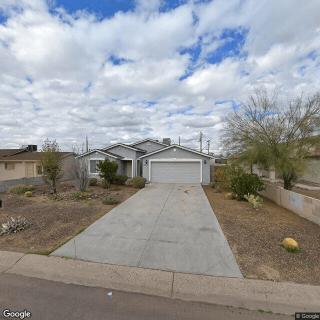
Garcia's Assisted Living Home LLC
$2,000 / month21.4 miles away -
from +$200 / mo

Jolley Family Assisted Living Home II
$2,400 to $3,875 / month6.4 miles away -
from +$300 / mo
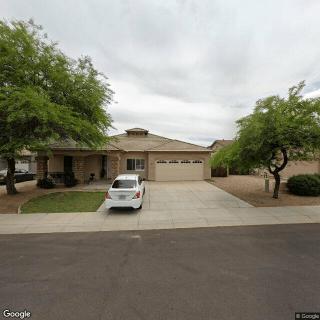
Anc Assisted Living Homes I
$2,500 to $3,500 / month12.9 miles away -
from -$200 / mo
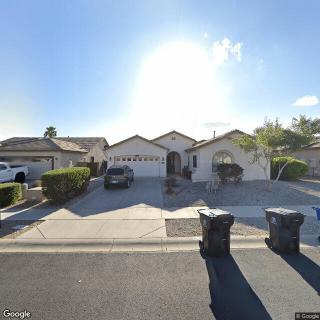
All Stars Assisted Living
$2,000 to $2,500 / month10.0 miles away -
from +$300 / mo
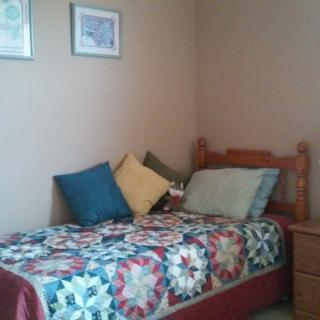
Rhoda's Assisted Living
$2,500 to $3,000 / month6.9 miles away
Overall Review of Kissling Manor A L H
Pros
 It is a very nice home and is very close to the resident’s home.
- The Romanian and Polish caregivers are praised for taking good care of the elderly.
- The home can provide the level of care the reviewers were looking for.
- It is a brand-new home with potential for increased social interaction among residents.
- It is very clean and neat.
- The atmosphere seems warm, with a family member helping there.
Cons
 They don’t know what they’re doing at this home.
- The caregivers failed to provide proper care.
- The room is small.
- Residents have to supply their own diapers.
Review
Kissling Manor ALH in Goodyear is best suited for families seeking a small, home-like setting that feels newly built and close to home. It works well for seniors who do not require intensive medical overhead, but who still want reliable daily care and a warm, personal touch from a compact team. The community’s brand-new status and clean, orderly environment are clear assets for households prioritizing freshness, easy access, and a homelike atmosphere over sprawling institutions. Proximity to family residences matters here, offering the practical certainty that visits will be convenient and frequent.
Those weighing alternatives should note that this option may not satisfy everyone, particularly families needing strong clinical oversight or vibrant social ecosystems. If dependable, consistent management and a robust, staffed memory-care or activity program are non-negotiable, it may be prudent to compare with larger, more established centers. Pet policies and room sizes matter too: Kissling Manor does not accept cats, and the single-house, small-resident model can limit social interaction. For households seeking lively amenities, diversified resident cohorts, or extensive on-site programming, other communities are likely to deliver more robust multi-resident engagement.
The most persuasive pros, fresh construction, high cleanliness, and a neighborly feel, do carry meaningful weight against the drawbacks. A brand-new home typically translates to modern safety features and easier maintenance, which reduces day-to-day hassles for families visiting or coordinating care. The intimate, one-house setup can foster very personalized attention; staff and owners often appear readily accessible, and the warm, hands-on approach described by some families suggests genuine care. Proximity, about four miles from a family’s house, adds practical convenience that matters when frequent visits and on-the-spot updates are essential.
However, the limited social potential inside a small community is a tangible constraint. With only a few residents, social opportunities will naturally be scarce, which can slow the sense of companionship that many elders rely on in assisted living. The comments about management gaps and inconsistent care point to a risk that cannot be ignored; a few reports suggest care may not always meet expectations, and such concerns are precisely why families must probe depth before committing. The room itself tends to be compact, with allowances to personalize only to an extent (bring in chairs and pictures), and ancillary needs like diapers fall to families, adding logistical and cost considerations to the decision.
For families inclined toward a personal, hands-on care environment and who can operate with lean resident activity, Kissling Manor offers a compelling fit. The mix of Romanian and Polish staff delivering attentive care in a clean, orderly setting can feel warmly reassuring for those who value cultural affinity and a close-knit staff. The small scale also means more direct oversight of routines and daily needs, which can translate into quicker responses and tailored attention when problems arise. Yet this advantage hinges on reliable management and consistent staffing, two areas that require careful validation during tours and conversations with leadership.
In the end, Kissling Manor stands as a practical, no-nonsense choice for households prioritizing proximity, a newer facility, and a homelike vibe in a tight-knit setting. It is less ideal for those who require broad social programming, diverse peer groups, or rigorous, ongoing clinical oversight. Pros offset cons when the family accepts a smaller community and is prepared to actively participate in care planning and scheduling, while recognizing the potential for limited social activity and occasional management gaps. A decisive visit, asking pointed questions about staffing ratios, care plans, and how daily life is structured, will reveal whether this specific small-scale home aligns with the senior’s needs and the family’s expectations.
 Board and Care Home
 Activities on-site
 Bath tubs
 Beautician on-site
 Devotional services on-site
 Indoor common areas
 Outdoor common areas
 Private
 Private bathrooms
 Wheelchair accessible showers
 Phoenix Sky Harbor International (22 miles away)
 Ambulatory care
 Diabetic care
 High acuity care
 Incontinence care
 Kosher

 Recognizing the Journey: Understanding and Navigating Anticipatory Grief
 Encouraging Participation in Adult Day Care: A Guide to Supporting a Hesitant Parent
 Comprehensive Exploration of Living Wills and Other Advance Directives