
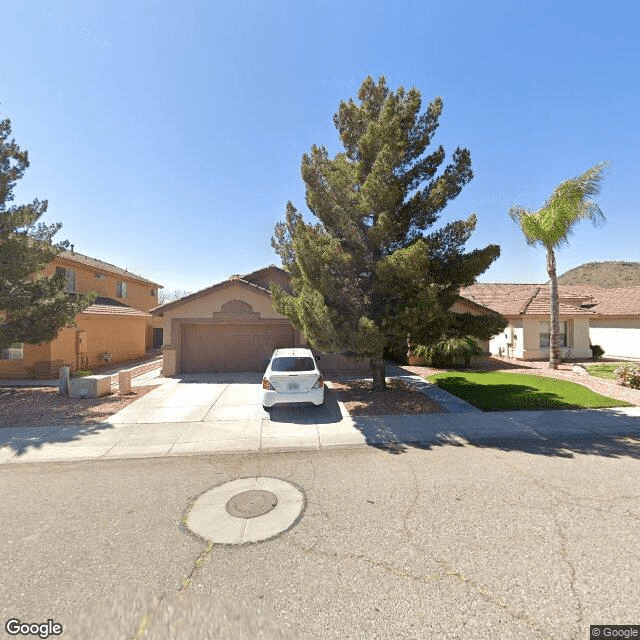
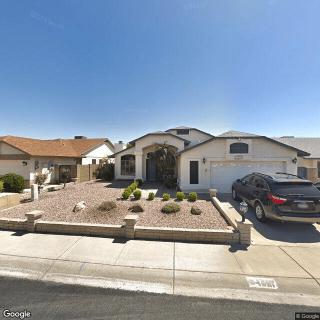
20010 N. 41st Lane, Glendale, AZ 85308
To contact a resident: (623) 434-5162
For more information about senior living options: (866) 208-4318
Suntown Assisted Living Home Costs & Pricing
Suntown Assisted Living Home offers competitive pricing for its services, particularly when compared to the average costs in Maricopa County and throughout Arizona. For a semi-private room, Suntown charges $1,900 per month, significantly lower than the county's average of $2,801 and the state average of $2,820. Similarly, the private room rate at Suntown is $2,400, which stands in sharp contrast to Maricopa County's average of $3,318 and Arizona's overall average of $3,345. These favorable rates reflect Suntown's commitment to providing affordable assisted living options without compromising on quality care and comfort for its residents.
| Floor plans | Suntown Assisted Living Home | Maricopa County | Arizona |
|---|---|---|---|
| Semi-Private | $1,900 | $2,801 | $2,820 |
| Private | $2,400 | $3,318 | $3,345 |
Senior living communities with a similar price nearby
-
About the same

Home Instead - Fountain Hills, AZ
$1,945 to $3,525 / month24.5 miles away -
from +$100 / mo
Garcia's Assisted Living Home LLC
$2,000 / month19.4 miles away -
from +$100 / mo
All Stars Assisted Living
$2,000 to $2,500 / month16.2 miles away -
from +$100 / mo
Genesis Assisted Living Care Home
$2,000 to $2,500 / month12.3 miles away -
from +$300 / mo

Bent Tree Assisted Living
$2,200 to $3,200 / month8.0 miles away
Overall Review of Suntown Assisted Living Home
Pros
 The staff is involved and hands-on.
- The home is meticulously clean.
- The staff is personable, conscientious, and determined to make residents as happy and comfortable as possible.
- They listen to family input and work diligently to meet residents' requirements while keeping the family in the loop.
- A doctor and nurse visit monthly, making health care needs a breeze.
- A beautician visits for hair and nail upkeep as requested.
- Meals appear to vary and be quite good.
- Reviewers couldn’t recommend the home more.
Cons
 The mother-in-law was inactive and would not participate in the activities.
Review
Suntown Assisted Living Home in Glendale, AZ is best suited for families seeking a small, homelike setting where residents receive attentive, hands-on care and where care decisions stay closely connected to family through clear, ongoing communication. It works well for older adults who prefer a calm, intimate atmosphere over a sprawling campus, and for relatives who want steady updates and straightforward health oversight delivered with a personal touch. This community earns its footing with reliability, a plainly human approach to daily living, and a week-to-week sense that someone is looking out for mom or dad.
The strongest strengths lie in cleanliness, staff engagement, and a culture of prioritizing resident comfort. The home is meticulously clean, and the staff come across as personable and conscientious, genuinely determined to keep residents happy and at ease. Families report that staff listen to input and act to meet residents’ needs while keeping relatives in the loop. Health care is made accessible through monthly doctor and nurse visits, which helps demystify medical routines. Additional services, such as a beautician visit for hair and nails, add dignity and convenience, while meals are described as varied and appealing.
A concrete, real-world benefit is the way care is delivered when participation in activities doesn’t always align with a particular resident’s interests. In one account, a mother-in-law remained inactive but still received attentive care, and the family appreciated being able to travel or step away for months with confidence that communication would stay robust. This mix of hands-on attention and transparent, regular communication is especially valuable for families navigating senior living for the first time or juggling care costs and distant arrangements. The model demonstrates that warmth and reliability can coexist with practical medical oversight.
While the positives are clear, the facility’s model does have limits that matter in decision making. Monthly health care visits are excellent for routine oversight but may fall short for families requiring constant or highly intensive medical management. For residents who need around-the-clock nursing, frequent clinical interventions, or a broader spectrum of on-site therapies, alternatives with larger footprints or more comprehensive medical staffing could be more suitable. Similarly, those seeking a robust, year-round activity calendar with a wide variety of programs may prefer communities known for volume and breadth of programming.
Nonetheless, the pros largely offset these considerations. The clean, comforting environment reduces everyday stress, and the hands-on staff approach delivers a level of personal attention that many families say is hard to find elsewhere. Regular family updates and the ability to tailor care conversations to individual needs create a dependable sense of partnership. The inclusion of routine medical check-ins and beauty services preserves both health and dignity, while meals that satisfy taste expectations contribute to overall quality of life. For many, these factors outweigh the absence of constant on-site medical staffing.
In the end, Suntown is a compelling choice for families prioritizing a homey atmosphere, highly engaged caregivers, and transparent communication. It is especially well-suited for residents who value consistent warmth, predictable routines, and straightforward medical oversight rather than a sprawling campus with extensive programming. Those who demand 24/7 clinical presence or an exceptionally active daily schedule may want to explore alternatives. Prospective families should visit, meet the care team, review the activity calendar, and ask how often updates are delivered and in what form. If the resident’s needs align with a calm, well-managed, communicative setting, Suntown stands out as a practical, trustworthy option.
 Board and Care Home
 Cats allowed
 Dogs allowed
 Private
 Phoenix Sky Harbor International (18 miles away)
 Diabetic care


 Exploring Nonmedical Home Care: Understanding Services, Costs, and Financial Approaches
 Engaging Brain Games and Innovative Apps to Keep Senior Minds Active
 Effective Strategies for Keeping Seniors' Minds Active: A Deep Dive into Brain Games and Apps