
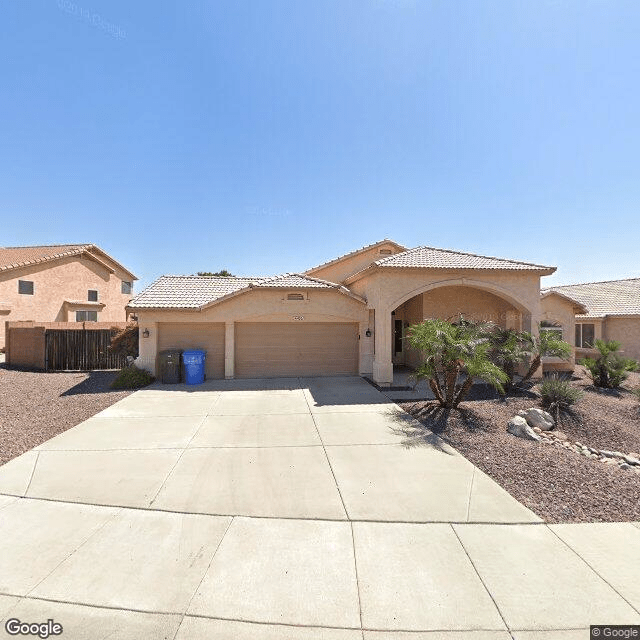
4201 W Wahalla Lane, Glendale, AZ 85308
To contact a resident: (623) 594-5891
For more information about senior living options: (866) 208-4318
Sasha's Assisted Living Home Costs & Pricing
Sasha's Assisted Living Home offers competitive pricing for its private rooms at $2,500 per month, making it an attractive option when compared to the average costs in Maricopa County and across Arizona. In contrast, the typical monthly fee for a private room in Maricopa County stands at approximately $3,318, while the state average is even higher at around $3,345. This substantial difference underscores Sasha's commitment to providing affordable care without compromising on quality, positioning it as a favorable choice for families seeking reliable assisted living solutions in a financially challenging landscape.
| Floor plans | Sasha's Assisted Living Home | Maricopa County | Arizona |
|---|---|---|---|
| Private | $2,500 | $3,318 | $3,345 |
Senior living communities with a similar price nearby
-
from +$300 / mo
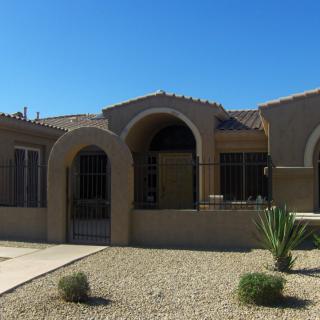
Pinnacle Peak Assisted Living
$2,800 to $3,100 / month13.9 miles away -
from +$125 / mo

The Eldercare Home Of Tempe
$2,625 to $3,412 / month24.6 miles away -
from +$450 / mo
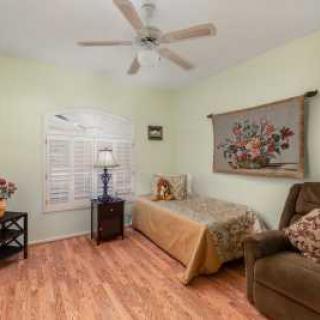
Endeavor AL I
$2,950 to $4,200 / month10.1 miles away -
from +$400 / mo
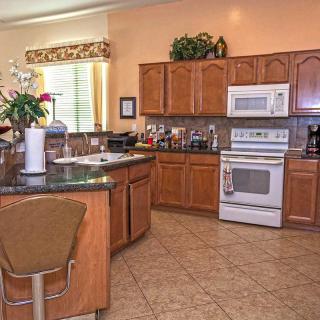
Royal Paradise Care
$2,900 to $3,800 / month12.0 miles away -
from +$300 / mo
Home of Helping Hands Assisted Living, LLC
$2,800 to $3,500 / month18.3 miles away
Overall Review of Sasha's Assisted Living Home
Pros
 The Glencroft & Sarah's Place staff provided the absolute best care to his dad and family at the end of life.
- It is perfect for his father, whom he loves very much.
- It was the best location found for him, approved by UnitedHealthcare's Dual Complete plan at the time.
- The facility was clean, decently cared for, and just what he hoped for.
- They were very impressed by the facility’s cleanliness and the staff's extensive knowledge of Alzheimer's.
- They would be the best fit for her.
Cons
 They felt the cost was too high and would need to be no higher than $1300.00 after they crunched the numbers again.
- They believed the cost being too high prevented it from being the best fit for her.
Review
Sasha’s Assisted Living Home in Glendale is best suited for families seeking top-tier dementia care and end-of-life support delivered in a clean, well-run environment. The consensus from reviews centers on a staff team that demonstrates deep knowledge of Alzheimer’s disease and comparable memory-care needs, paired with attentive, compassionate care for residents and their families during difficult transitions. For relatives facing end-of-life scenarios, the facility’s reputation for respectful, thorough staffing stands out as a core strength. The practical payoff is a setting where medical and daily living needs are integrated smoothly, and where placement decisions can hinge on clinical competence and a peaceful, orderly atmosphere rather than on surface amenities alone. Additionally, for residents whose insurance plan includes networks like UnitedHealthcare Dual Complete, the facility has shown alignment that can simplify billing and approval processes.
Those weighing Sasha’s against alternatives should consider whether affordability is a decisive constraint. Several reviewers highlighted cost as a significant factor, noting that the most compelling fit would need to be priced no higher than around $1,300 per month. That budget reality immediately trims the pool of comparable options for families who require high-level memory care and end-of-life support. If a lower monthly rate is non-negotiable, families may want to explore additional communities that offer similar dementia expertise and cleanliness at a more accessible price point, even if those alternatives come with trade-offs in staff experience or care intensity. For households prioritizing expansive activity calendars or larger campuses, the available information suggests more comprehensive amenity programs elsewhere.
The strongest pro, a staff that is exceptionally knowledgeable about Alzheimer’s and skilled in end-of-life care, tends to offset the most salient cons for the right buyer. Cleanliness and a calm, controlled environment appear consistently, which directly supports comfort and safety for memory-impaired residents. The combination of clinical awareness and a home-like setting reduces the likelihood of missteps in daily routines and crisis moments, while the credible alignment with certain insurance plans adds practical value for families navigating coverage. In short, when memory care accuracy, compassionate end-of-life support, and a tidy, predictable routine matter most, Sasha’s delivers outcomes that are hard to match at a similar price point.
Where the pros meet the reality of the budget, the calculus becomes clearer. For families with the means to absorb higher care costs, the enhanced staff competency, specialized dementia knowledge, and a quiet, well-kept environment offer a compelling return on investment. The reward is less stress around daily caregiving decisions, fewer hospital-stay surprises, and a setting that respects a resident’s dignity during advanced illness. Conversely, the cost barrier remains a persuasive reason to compare alternatives, especially if a plan can cover a larger portion of the monthly fee or if another community can deliver a comparable level of memory-care supervision at a lower price. Prospective buyers should weigh the value of peace of mind and clinical reliability against the sticker price.
A practical path to a confident decision begins with a targeted visit and a clear, written price conversation. Prospective families should verify exactly what the monthly rate covers, confirm ongoing eligibility with their specific insurance plan, and ask for concrete examples of memory-care routines, staffing ratios, and end-of-life protocols. It is essential to speak with current residents or families about daily life, responsiveness, and the consistency of care across shifts. In addition, request a breakdown of any potential supplemental charges and a written care plan that outlines how dementia-related behaviors are managed. By aligning care priorities with a transparent cost structure, Sasha’s can be weighed as the strongest option for families who prize clinical excellence and a caregiving culture that treats memory loss and end-of-life needs with)the seriousness they deserve.
Bottom line: Sasha’s Assisted Living Home stands out for families who value expert dementia care, compassionate end-of-life support, and a consistently clean, orderly setting in Glendale. It is a particularly strong fit for residents whose care needs center on Alzheimer’s management and for households with insurance considerations that align with the facility’s network. Those with tighter budgets or expectations of broader amenities should carefully compare alternatives to determine whether a lower price point can still meet essential care standards. In the right circumstances, this community delivers an unmatched combination of clinical competence and homelike stability that can make a difficult transition markedly smoother.
 Board and Care Home
 Activities on-site
 Bath tubs
 Indoor common areas
 Outdoor common areas
 Private
 Swimming pool / hot tub
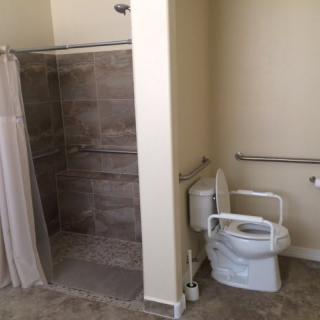
 Wheelchair accessible showers
 Phoenix Sky Harbor International (18 miles away)
 Meals provided


 Urinary Tract Infections in Older Adults: Comprehensive Insights on Symptoms, Treatment, and Prevention
 California's Form 602A: An In-Depth Examination of Senior Care Assessment
 Comprehensive Look at Senior Blood Pressure Charts: Normal and Elevated Levels by Age