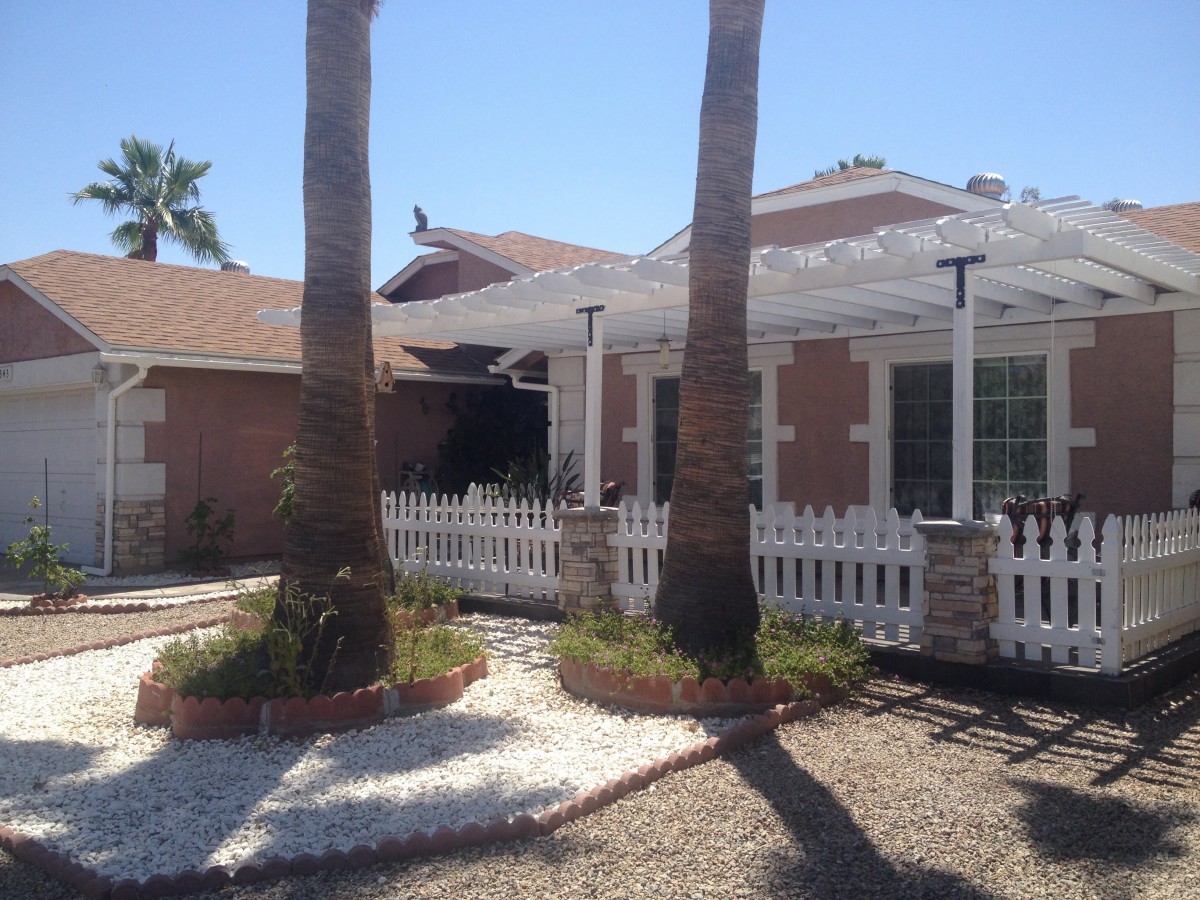
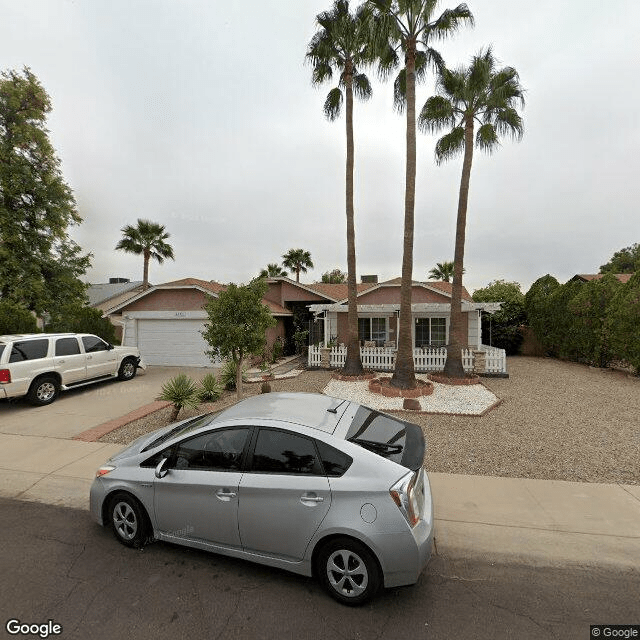
6343 West Del Mar Lane, Glendale, AZ 85306
To contact a resident: (623) 750-6704
For more information about senior living options: (866) 208-4318
Charles Residential Care Costs & Pricing
At Charles Residential Care, the monthly costs for accommodations are notably competitive compared to both Maricopa County and statewide averages. For a semi-private room, residents can expect to pay $2,200, which is significantly lower than the county average of $2,801 and the state average of $2,820. Similarly, the price for a private room at Charles is set at $2,500, again undercutting the regional cost of $3,318 and the state average of $3,345. This pricing structure reflects Charles Residential Care's commitment to providing affordable housing options without compromising on quality or care.
| Floor plans | Charles Residential Care | Maricopa County | Arizona |
|---|---|---|---|
| Semi-Private | $2,200 | $2,801 | $2,820 |
| Private | $2,500 | $3,318 | $3,345 |
Overall Review of Charles Residential Care
Pros
 The mother-in-law is doing well at Sun Rise.
- The care home is very clean and meets all of her needs.
- She seems to like the food.
- The change of ownership has gone very well so far.
- The new owner is a registered nurse, which provides reassurance.
- The reviewer would recommend this care home.
Review
Charles Residential Care in Glendale is best suited for families seeking a small, home-like setting where daily care is dependable, the environment stays clean, and there is reassurance from medical leadership on-site. The reviews describe a facility that prioritizes a tidy, comfortable atmosphere and responsive attention to residents’ basic needs, with a sense of confidence amplified by a recent ownership transition guided by a registered nurse. This combination makes the community a practical fit for seniors who want straightforward, good-quality daily support without navigating a large campus or impersonal operations. Families prioritizing stability, attentiveness, and visible medical oversight will likely feel at ease here.
Those opting for alternatives should consider options with broader medical depth and longer, more transparent operating histories. If memory care needs are a primary concern, or if extensive coordination with specialists, therapy programs, or transportation logistics are essential, it may be prudent to look at facilities with dedicated memory-care wings or larger care teams. Similarly, for families requiring detailed, long-term price clarity and contract terms, a provider with established, well-documented pricing structures could reduce decision friction. In short, the best fit hinges on balancing comfort with clear expectations about medical supports and program breadth.
On the upside, cleanliness is repeatedly cited as a standout attribute, aligning with residents’ comfort and family peace of mind. The care team is described as meeting all identified needs, which translates into reliable daily routines, timely assistance, and fewer gaps in essential care. Food quality is noted positively, a practical factor for daily life and overall satisfaction. Crucially, the ownership change brings a registered nurse into the leadership role, a detail that matters to families assessing medical responsiveness and on-site judgment during health changes. Taken together, these strengths create a foundation where routine care feels solid and predictable.
The communicated drawbacks are mostly a function of data limitations rather than explicit failures. With only three reviews available, the depth of detail about staffing levels, activity programming, transportation, or specialized services remains limited. There is no clear, published record of pricing, contract terms, or long-term performance trends to compare against other Glendale options. For families weighing practical feasibility, this means more due diligence is essential before committing. The absence of information on memory care options or advanced medical supports should prompt direct questions during tours and in conversations with current residents’ families.
Even with limited data, the positive attributes of cleanliness, reliable care, solid food, and the reassurance of RN-led ownership help offset the potential downsides. The new owner’s nursing background can translate into quicker clinical judgment, better coordination of care plans, and a sense that medical issues will be noticed promptly. This combination reduces the risk commonly feared during ownership transitions, where inconsistencies can emerge. For families prepared to verify staffing patterns and demand concrete details during visits, these pros point toward a thoughtful, well-managed setting rather than a volatile or impersonal operation.
To make a confident decision, pursue a structured, visitor-focused evaluation. Request a comprehensive tour that includes meet-and-greets with the caregiving team, a look at current resident activity calendars, and a review of sample meal options. Ask for the specific role of the RN owner in daily operations and how medical emergencies are handled after hours. Request copies of sample care plans, staffing ratios, and a transparent pricing outline with all fees itemized. Speak with current residents’ families about consistency over time and what changes they’ve observed since the ownership transition. When these elements align with a practical budget and a preference for a clean, attentive, physician-guided environment, Charles Residential Care becomes a compelling Glendale option; otherwise, explore alternatives that offer deeper medical depth or longer-running performance metrics.
 5 resident community capacity
 Assisted Living
 Board and Care Home
 Respite Care
 Activities off-site
 Beautician on-site
 Cable or satellite TV
 Devotional services off-site
 Dining room
 Fully furnished
 Garden
 Housekeeping services
 Indoor common areas
 Move-in coordination
 Outdoor common areas
 Private
 Private bathrooms
 Telephone
 Wheelchair accessible showers
 Wi-Fi/high-speed internet available
 Phoenix Sky Harbor International (17 miles away)
 24-hour supervision
 Assistance with bathing
 Assistance with dressing
 Assistance with transfers
 Diabetes diet
 Diabetic care
 High acuity care
 Meal preparation and service
 Medication management
 Special dietary restrictions
 Transportation arrangement (medical)
 Transportation to doctors appointments







 Medicare Coverage for Assisted Living: An In-Depth Exploration
 Choosing the Right Senior Care: A Detailed Exploration of Assisted Living and Nursing Homes
 Understanding the True Cost of Assisted Living in 2025: A Comprehensive Guide