
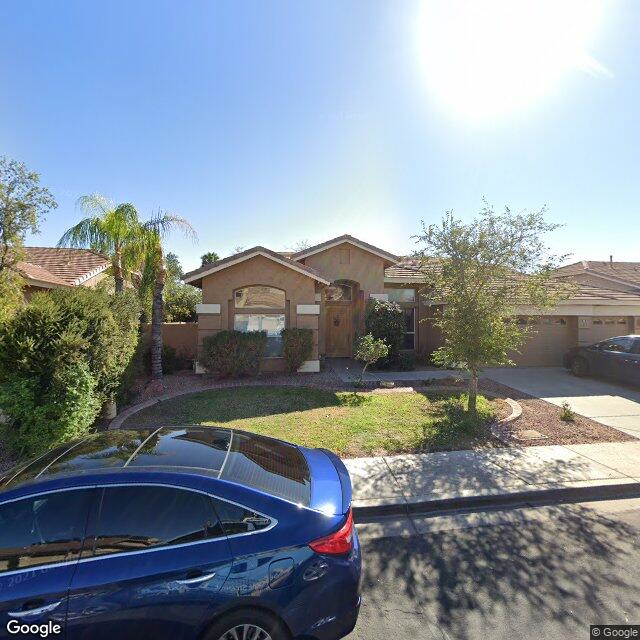
6523 W Via Del Sol Dr, Glendale, AZ 85310
To contact a resident: (602) 502-8524
For more information about senior living options: (866) 208-4318
Arizona's Golden Heart ALH Costs & Pricing
Arizona's Golden Heart Assisted Living Home (ALH) offers competitive pricing for its residents, particularly when compared to both the state and county averages. For a semi-private room, the cost at Arizona's Golden Heart is $3,600 per month, which is notably higher than the Maricopa County average of $2,801 and the state average of $2,820. On the other hand, for private accommodations, Golden Heart's monthly rate of $4,000 exceeds the county's average of $3,318 and the state's average of $3,345. These figures reflect not only the quality and personalized care provided by Arizona's Golden Heart but also position it within a premium segment in relation to local market rates.
| Floor plans | Arizona's Golden Heart ALH | Maricopa County | Arizona |
|---|---|---|---|
| Semi-Private | $3,600 | $2,801 | $2,820 |
| Private | $4,000 | $3,318 | $3,345 |
Senior living communities with a similar price nearby
-
About the same

SeniorBridge - Scottsdale, AZ
$3,650 / month18.8 miles away -
About the same
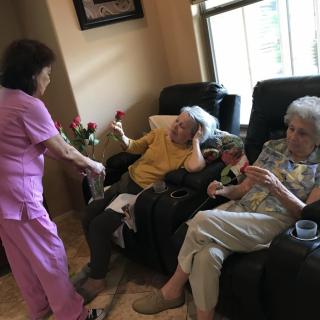
A Paradise for Parents Campbell Avenue
$3,500 to $4,500 / month16.4 miles away -
from -$650 / mo
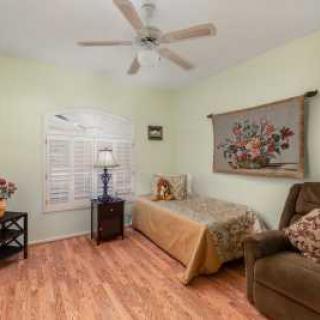
Endeavor AL I
$2,950 to $4,200 / month13.1 miles away -
About the same
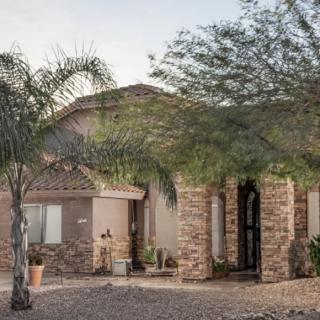
Endeavor AL III
$3,700 to $4,000 / month14.0 miles away -
About the same
Endeavor AL II
$3,500 to $4,000 / month13.8 miles away
Overall Review of Arizona's Golden Heart ALH
Pros
 The staff is awesome and very patient.
- The owner is very kind and loving.
- The staff is excellent.
- The group home is very clean and well maintained.
- The owner is there pretty much every day.
- The food is homemade for breakfast, lunch, and dinner and smells very good.
- The resident is doing much better here because he is monitored closely.
Cons
 The agency failed to contact them to inform that they couldn’t help their husband.
- The reviewer described the agency as unprofessional on every level.
Review
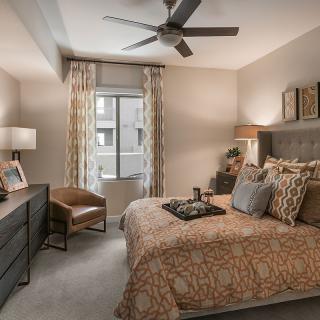
Arizona’s Golden Heart ALH in Glendale is best for families seeking an intimate, home-like assisted living experience where every resident receives highly personalized attention. The small group home model, four residents with private rooms, creates a calm, low-traffic environment that suits seniors who prefer predictability, straightforward routines, and close access to consistent staff and the owner. This is particularly attractive for residents who benefit from vigilant supervision, especially if memory challenges are present, and for families who value homemade meals, a clean, well-maintained setting, and safety measures that feel tangible every day.
Those who crave a bustling activity calendar, extensive on-site therapies, or a large community with constant, varied social programming may want to consider alternatives. Larger facilities often offer more structured group activities, more diverse outings, and a broader pool of potential peers. If rapid access to a broad network of services or more formalized dementia programming is a priority, or if 24/7 on-site nursing is non-negotiable, more expansive communities may be a better fit. The intimate scale here inherently limits volume and breadth of offerings, which can leave some residents longing for more stimulation.
The strongest positives, staff patience, owner involvement, and a clean, well-kept environment, form a powerful offset to the main trade-offs of the model. Staff are described as awesome and patient, with a level of attentiveness that translates into nuanced, day-to-day care. The owner’s kindness and daily presence ensure responsiveness, continuity, and a sense of trust that is hard to beat in a small setting. A clean, well-maintained group home reinforces a dignified, comfortable living space where safety features, such as wander protection, are visible and purposeful. For families, these factors provide measurable reassurance: the care philosophy is hands-on, predictable, and resident-centered.
The small size also translates into advantages for dementia care, where familiarity and routine matter. With four residents and private rooms, staff can tailor activities and supervision without the chaos of a larger campus. Safety remains a clear priority through wander-deterrent measures and controlled access, which significantly reduces risk for residents who wander or become disoriented. Home-like meals, homemade breakfast, lunch, and dinner, contribute to a sense of normalcy and comfort that can ease anxiety in seniors with cognitive challenges. In this framework, the owner’s frequent presence further strengthens day-to-day reliability and rapid problem-solving when concerns arise.
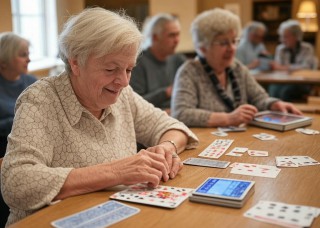
Yet the review tapestry notes that activity options exist but are comparatively modest. A resident may participate in occasional karaoke or card games, and some days may lean toward quiet patios or rest. For families considering care here, this means evaluating whether a low-key schedule would align with their loved one’s personality and rhythm. The intimate setting supports individualized attention, but it can also feel limiting for someone who derives energy from constant social interaction. Families should probe whether a flexible, person-centered activity plan is feasible and whether staff can improvise meaningful engagement beyond a fixed itinerary.
To decide, families should ask direct, practical questions before committing: what is the exact staff-to-resident ratio across day and night shifts; how are memory-care needs assessed and updated; what medical oversight exists on-site beyond daily caregiving; how often are activity plans refreshed, and can resident preferences drive customization; what are the meal options, and can dietary restrictions be accommodated; and how available is the owner for urgent concerns or family input. The owner’s dual-homes operation signals scalability and dedication, but it also invites families to confirm accessibility and consistency across visits. If the appeal rests on intimate, attentive care and a peaceful, organized home environment, Arizona’s Golden Heart ALH delivers; if a more active, larger community is the goal, exploring alternatives is prudent.
 Board and Care Home
 Cats allowed
 Dogs allowed
 Private
 Phoenix Sky Harbor International (20 miles away)
 Ambulatory care
 Diabetic care

 Engaging Brain Games and Innovative Apps to Keep Senior Minds Active
 Effective Strategies for Keeping Seniors' Minds Active: A Deep Dive into Brain Games and Apps
 In-Depth Look at the VA Aid and Attendance Program