
16631 North 46Th Lane, Glendale, AZ 85306
For more information about senior living options: (866) 208-4318
Angel Care Senior Home Costs & Pricing
Angel Care Senior Home offers competitive pricing for its services, particularly when compared to both Maricopa County and the broader state of Arizona. For a private room, residents can expect to pay $2,800 per month, which is significantly lower than the county average of $3,318 and the state average of $3,345. Similarly, their one-bedroom option is available for $3,300, undercutting both the county's average of $3,473 and Arizona's average of $3,532. These pricing advantages make Angel Care Senior Home an appealing choice for individuals seeking affordable yet quality care in a supportive environment.
| Floor plans | Angel Care Senior Home | Maricopa County | Arizona |
|---|---|---|---|
| Private | $2,800 | $3,318 | $3,345 |
| 1 Bedroom | $3,300 | $3,473 | $3,532 |
Overall Review of Angel Care Senior Home
Pros
 The mom is very happy living there.
- The caregiver-owners have a trusted caregiving track record, having previously worked at the mom’s prior residence.
- When they opened their own business, the mom insisted on moving there.
- They take very good care of her.
- The mom has had no complaints.
Review
Angel Care Senior Home in Glendale, AZ is best suited for families seeking a small, intimate, home-like environment where caregiving is truly hands-on and personal. The community shines when a senior needs steady, day-to-day attention delivered by caregivers who know the family’s story and can tailor routines to the resident. The strongest signal is the evident satisfaction of the resident’s family: a 93-year-old mom is described as very happy, with no complaints and a clear trust in the caregiver-owners who opened this home after working at a previous facility. That combination, small scale, direct accountability, and genuinely caring leadership, creates a level of comfort and predictability that many families crave.
That said, there are clear reasons to consider alternatives depending on specific needs. For seniors who require more formal medical oversight, complex medication management, or access to robust skilled-nursing services, larger assisted-living communities or memory-care-focused facilities may be better matches. Families that prioritize extensive social programming, a wide range of on-site activities, or structured rehab services often find that bigger campuses with dedicated programming can better satisfy those expectations. In short, Angel Care shines for highly personalized, caregiver-driven care; those seeking broader clinical resources should evaluate other options.
The most compelling pro is the owner-operator model. Caregiver-owners who have hands-on experience and a direct line of accountability tend to respond quickly to changing needs and preferences. This translates into highly individualized care plans, faster problem-solving, and a sense of security for families watching over a loved one. The lack of reported complaints and the explicit happiness of the resident’s family underscore that trust-in-action dynamic: when the decision-makers are the caregivers, daily care and small decisions stay aligned with the resident’s comfort and dignity.
Those strengths, however, must be weighed against what remains less visible. The reviews do not provide details about staff-to-resident ratios, the breadth of medical services available on-site, or the extent of programming, elements that matter to families managing dementia, recent hospital discharges, or evolving care needs. The absence of publicly documented clinical resources does not negate excellent daily care, but it does create a gap for families assessing long-term trajectory, emergency readiness, or potential escalation in care requirements. This is not a red flag, but a genuine gap to fill with direct conversations during touring and onboarding.
Families evaluating Angel Care should enter visits with targeted questions that expose how the operation handles routine care and escalation. Inquire about how care plans are created and updated, who coordinates medications, what medical professionals are available on-site or by referral, and how emergencies are managed after hours. Probe the daily schedule, meal options, transportation or appointment access, and the availability of meaningful activities. Ultimately, confirm what happens if a resident’s needs outgrow the current model, and discuss a transition path that preserves safety and continuity of care. A clear understanding of these logistics will reveal whether the intimate care environment remains sustainable as needs evolve.
The bottom line is practical and decisive: Angel Care Senior Home offers a compelling choice for families prioritizing a warm, responsive, owner-driven approach where a loved one can thrive on individualized attention and consistent daily routines. The best fit is a senior who thrives in a small home setting and does not require heavy clinical services or expansive programming. For those with higher medical needs, complex memory-care requirements, or the desire for broad, institution-like amenities, alternatives should be pursued. In those cases, a larger facility with on-site nursing, more extensive rehabilitative services, and expanded activity calendars may deliver the reassurance and capabilities sought.
 5 resident community capacity
 Assisted Living
 Board and Care Home
 Memory Care
 Respite Care
 Activities off-site
 Air-conditioning
 Beautician on-site
 Cable or satellite TV
 Devotional services off-site
 Dining room
 Fully furnished
 Garden
 Ground floor units
 Housekeeping services
 Indoor common areas
 Kitchenette
 Move-in coordination
 Outdoor common areas
 Private
 Private bathrooms
 Swimming pool / hot tub
 Telephone
 Wheelchair accessible showers
 Wi-Fi/high-speed internet available
 Phoenix Sky Harbor International (16 miles away)
 24-hour supervision
 Ambulatory care
 Assistance with bathing
 Assistance with dressing
 Assistance with transfers
 Diabetes diet
 Diabetic care
 High acuity care
 Incontinence care
 Meal preparation and service
 Medication management
 Special dietary restrictions
 Transportation arrangement (medical)
 Transportation to doctors appointments
 Art classes
 Bible study group
 Brain fitness
 Cooking classes
 Day trips and outings
 Educational speakers / life long learning
 Happy hour
 Karaoke
 Stretching classes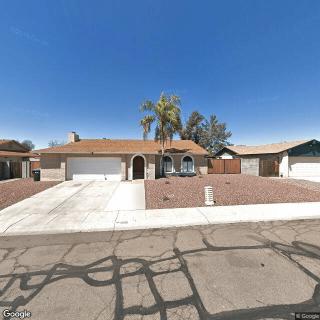



 Assisted Living and Memory Care: Understanding Their Core Differences
 Choosing the Right Senior Care: A Detailed Exploration of Assisted Living and Nursing Homes
 Safeguarding Your Memory Through the Golden Years: Eight Ways to Preserve Cognitive Health