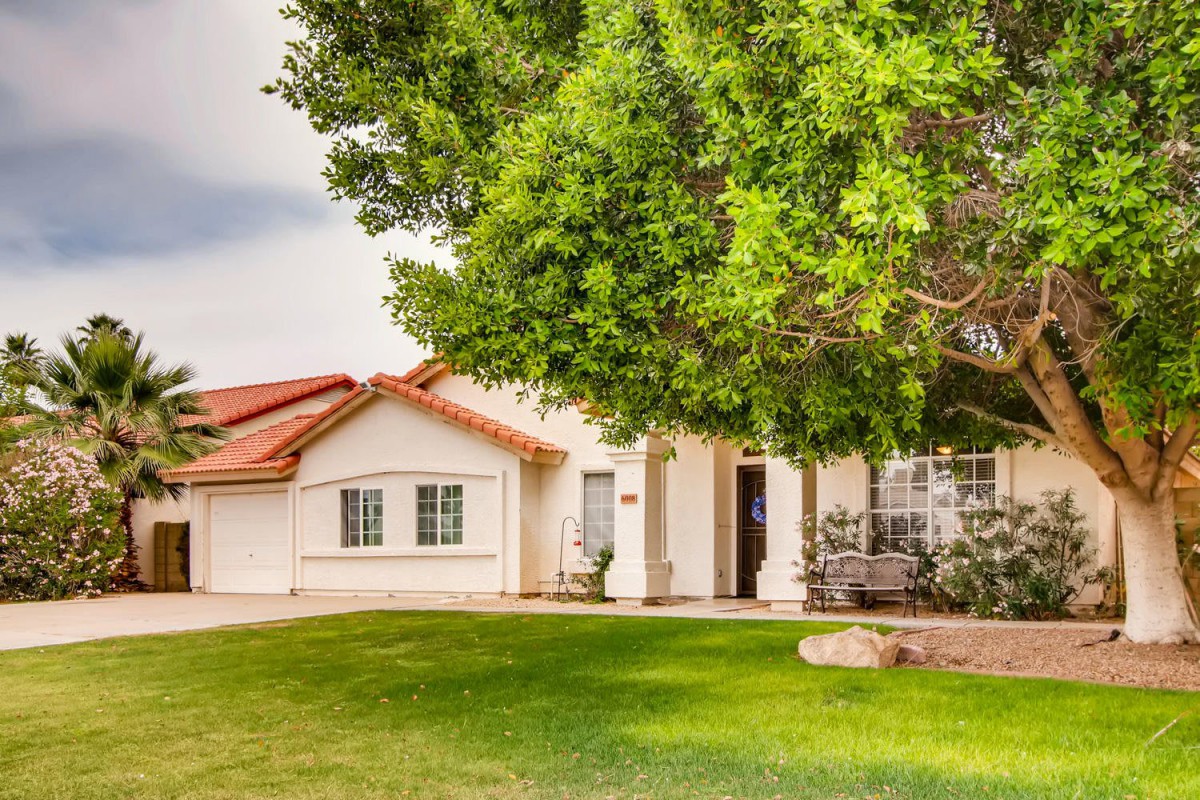
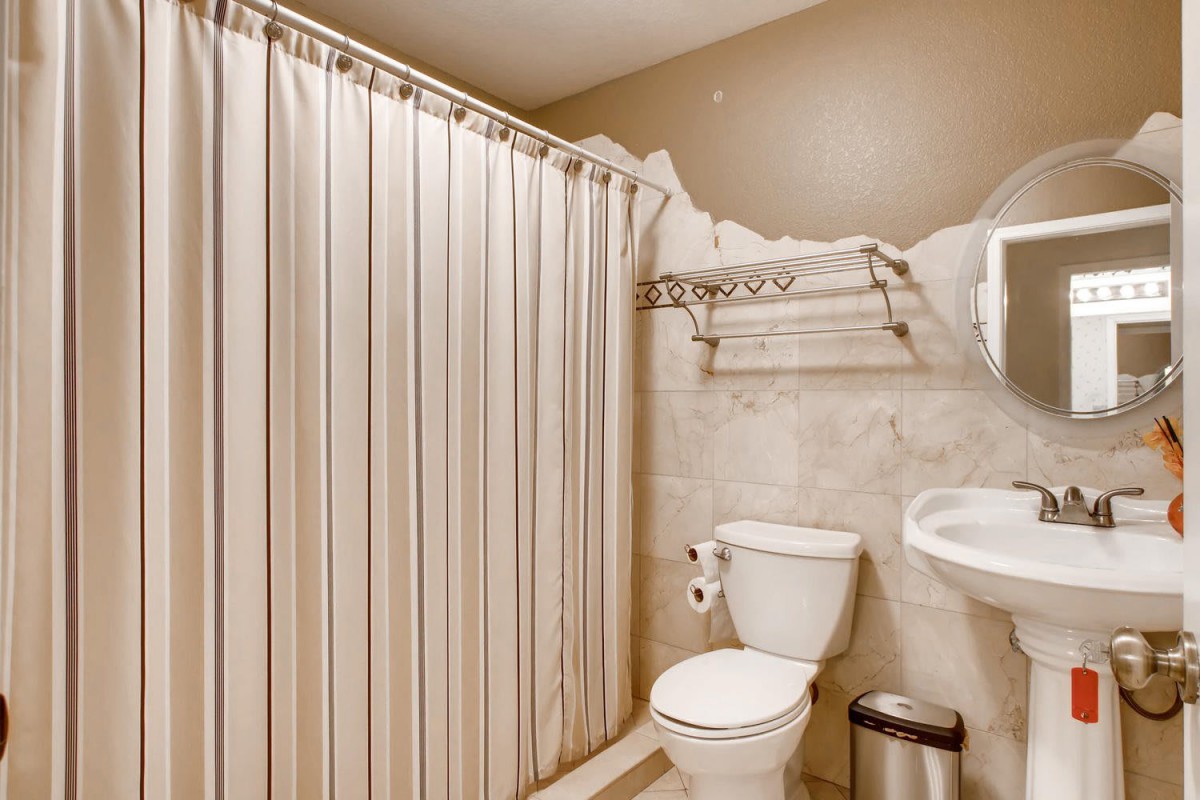
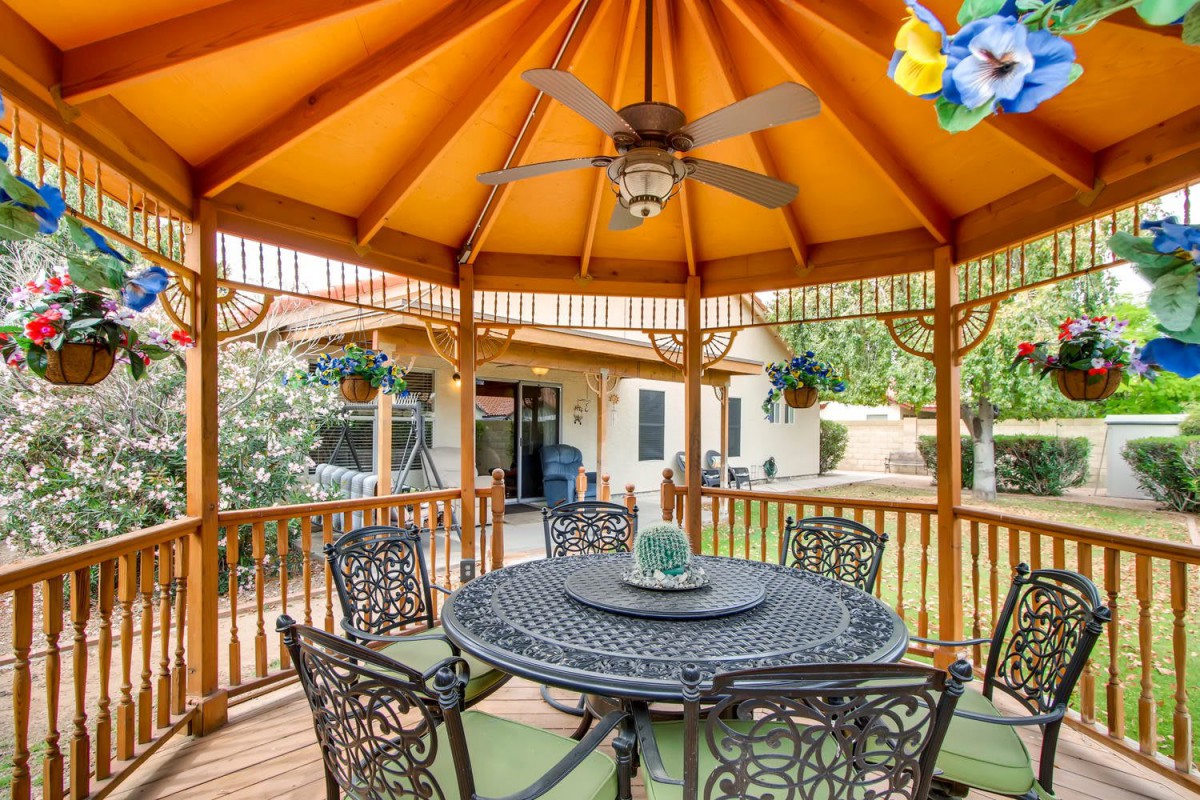
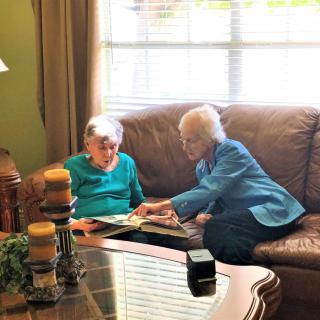
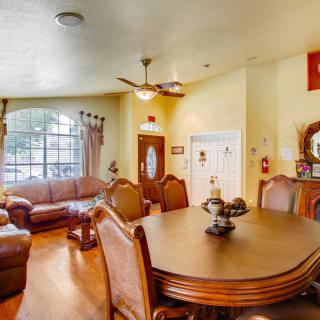
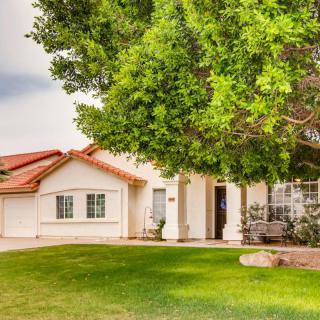
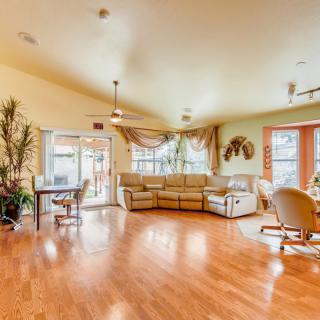
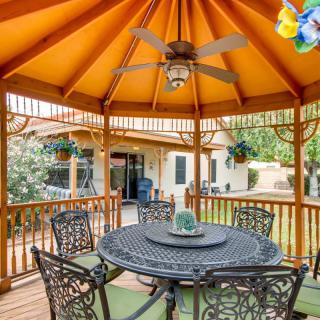
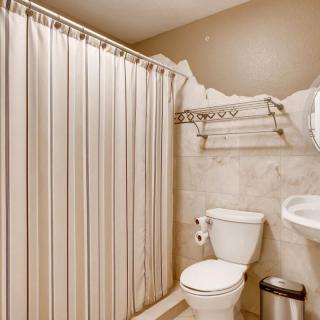
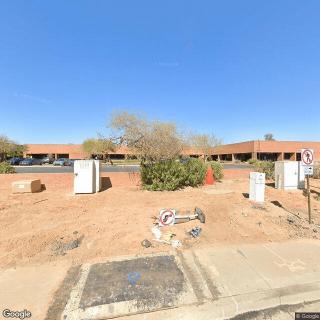
6008 W. Paradise Lane, Glendale, AZ 85306
To contact a resident: (623) 688-1142
For more information about senior living options: (866) 208-4318
ANDIcare Inspired Living Costs & Pricing
ANDIcare Inspired Living offers a private room type at a competitive rate of $3,500 per month. When comparing this cost to the average rates in Maricopa County and across Arizona, which stand at $3,318 and $3,345 respectively, it becomes evident that ANDIcare provides an elevated living experience at a slightly higher price point. This premium may reflect enhanced amenities or specialized care services that cater to residents' needs. While the costs are slightly above both local and state averages, they may be justified by the quality of life and personalized attention offered at ANDIcare Inspired Living.
| Floor plans | ANDIcare Inspired Living | Maricopa County | Arizona |
|---|---|---|---|
| Private | $3,500 | $3,318 | $3,345 |
Senior living communities with a similar price nearby
-
from +$150 / mo
SeniorBridge - Scottsdale, AZ
$3,650 / month16.8 miles away -
About the same
A Paradise for Parents Campbell Avenue
$3,500 to $4,500 / month14.4 miles away -
from -$550 / mo
Endeavor AL I
$2,950 to $4,200 / month12.0 miles away -
from +$200 / mo
Endeavor AL III
$3,700 to $4,000 / month12.9 miles away -
About the same
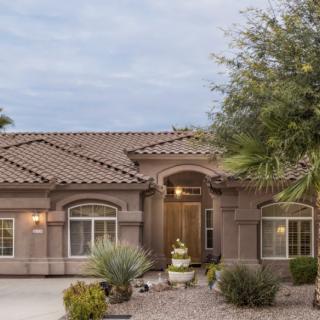
Endeavor AL II
$3,500 to $4,000 / month12.5 miles away
Overall Review of ANDIcare Inspired Living
Pros
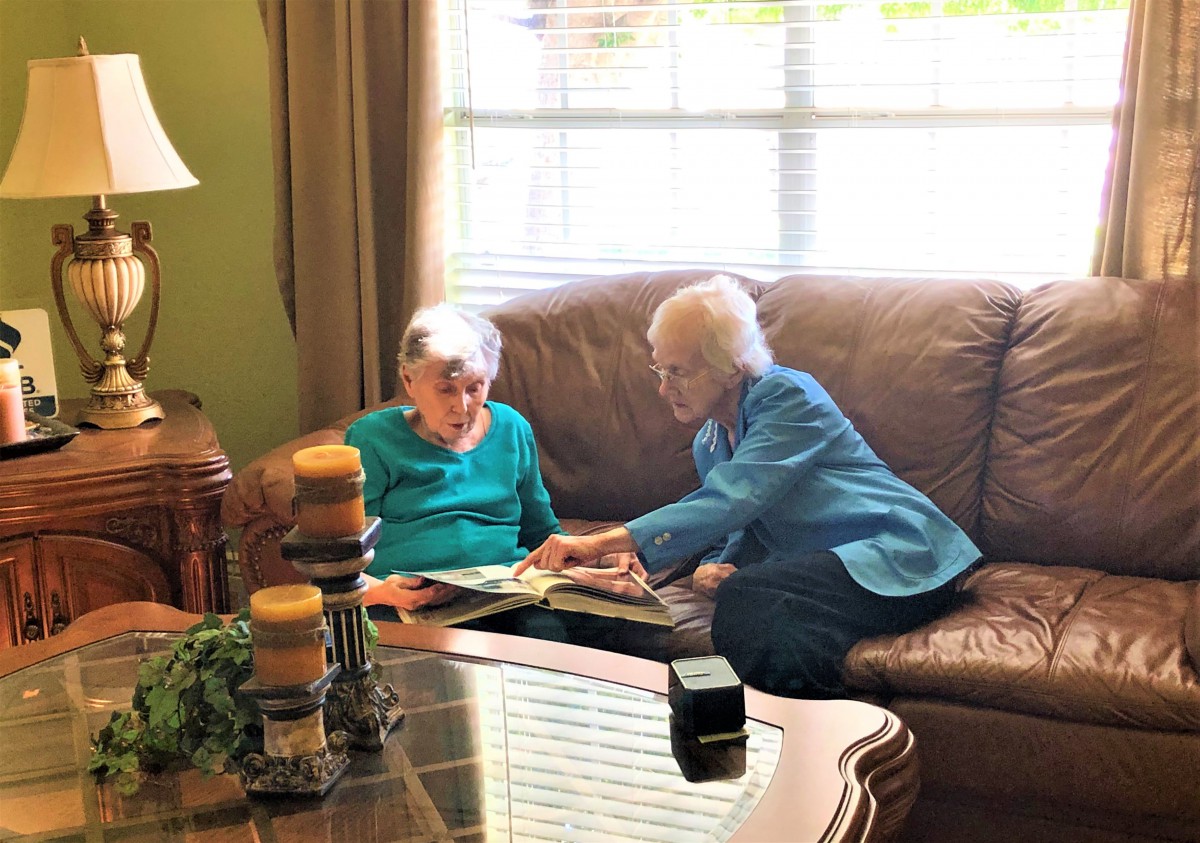
 The facility is a special place for seniors seeking a loving and caring home.
- The owner, Nick, is highly involved in day-to-day operations, and it shows.
- The facility provides excellent care in every respect within a very nice environment.
- Lenny Webb would recommend ANDIcare to those seeking a safe and comfortable place for a loved one.
Review
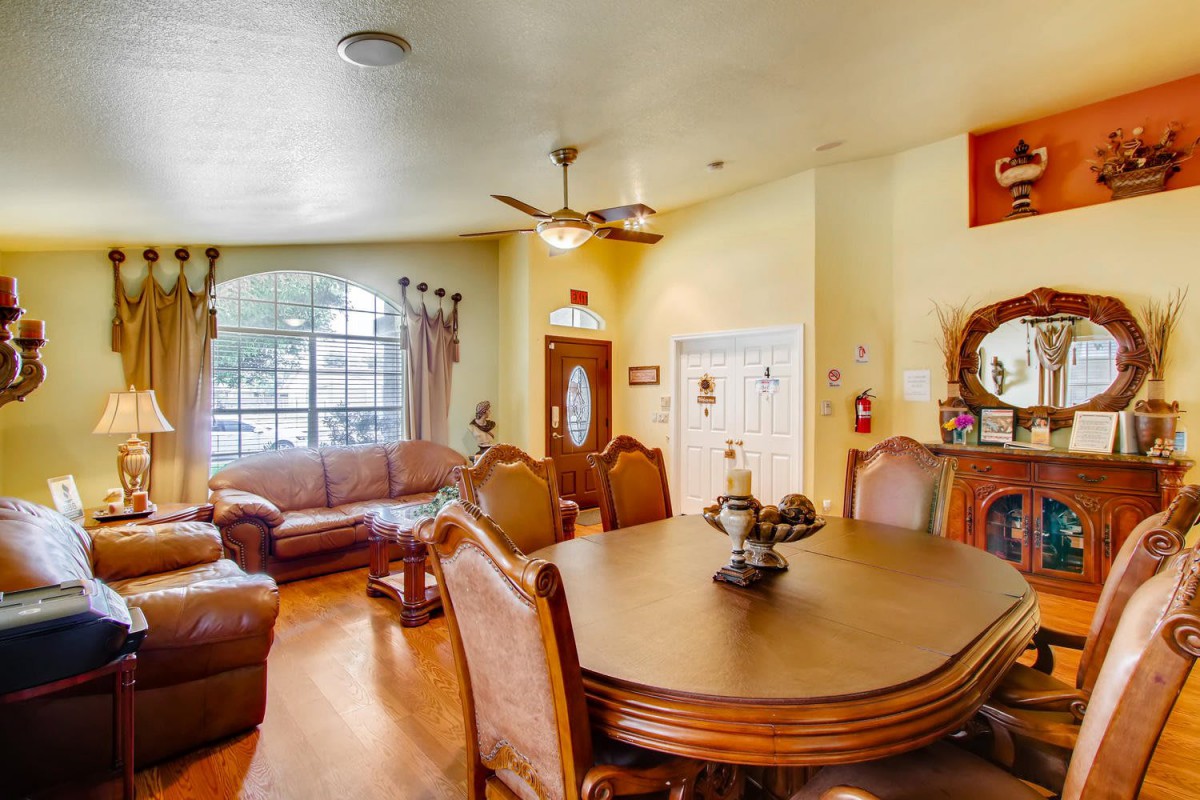
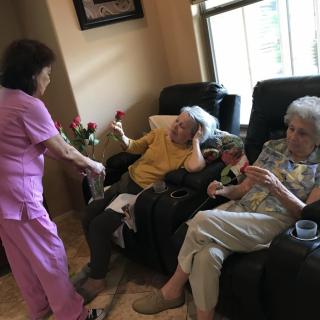
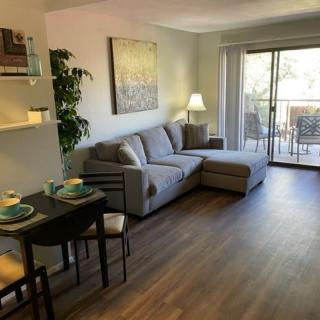
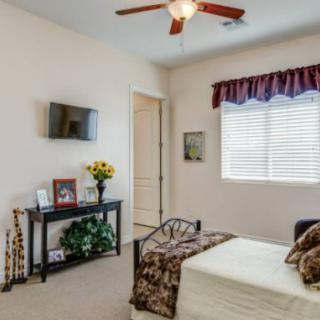
ANDIcare Inspired Living in Glendale is best suited for seniors who value a warm, home-like environment and for families seeking direct, visible oversight from ownership. The community operates with a hands-on owner-operator approach, and that dynamic translates into daily attention, quick responsiveness, and a culture of personal connection that many relatives find reassuring when they cannot be onsite. The atmosphere comes across as intimate rather than institutional, which makes it a strong fit for residents who thrive on routine, familiarity, and a sense of being truly cared for day to day.
Those weighing alternatives should note that the strongest appeal here lies in warmth and accessibility, not in occupying a large, highly resourced campus. For residents with high medical acuity, complex rehabilitative needs, or a requirement for highly structured memory-care programming, a larger community with 24/7 on-site nursing and a broader clinical infrastructure may be more appropriate. In short, this setting excels as a caregiving home with a personal touch, but families should consider other options if medical complexity or formal, hospital-style oversight is non-negotiable.
The primary advantages are pronounced and impactful. The owner’s involvement in daily operations translates into consistent leadership, reliable problem-solving, and a culture that values person-centered care. Residents benefit from a loving, home-like environment described as special by families, paired with a safe, comfortable residence that prioritizes daily stability. A remote family can feel confident that a trusted team is supervising care, coordinating routines, and maintaining quality without requiring micromanagement from afar. One reviewer encapsulated the sentiment by noting excellent care in a very nice environment, a combination that few small facilities can reliably deliver.
Because the reviews do not spotlight concrete formal drawbacks, the implied cons are those inherent to smaller, more intimate settings. The potential gap to watch is the breadth of medical resources and specialized programs available on demand. If medical complexity or highly structured activities are essential, the smaller footprint may limit options compared with larger assisted living campuses that routinely offer diverse therapy schedules, on-site nursing, and formalized care plans. Families with residents who need frequent clinical oversight should verify nursing availability, medication management capabilities, and contingency protocols to ensure those needs can be met without compromise.
Even so, the strengths tend to offset these considerations. The owner-driven model often yields faster decision-making, clearer communication, and a consistent standard of care that becomes a competitive edge for relatives who cannot be physically present. The intimate setting enhances staff-resident rapport, enabling more personalized assistance with daily tasks, mobility support, and supervision that feels less transactional and more compassionate. For families hesitant about outsourcing care to a facility, the combination of direct accountability and a home-like atmosphere offers tangible peace of mind, particularly for residents who value dignity, warmth, and reliable, steady routines.
In deciding, families should approach ANDIcare Inspired Living with a practical checklist and a clear sense of care expectations. Visit and observe interactions between staff and residents; inquire about staff-to-resident ratios during peak hours; ask how care plans are created, updated, and communicated to family members who are not on site. Confirm the level of medical oversight, the process for medication management, and what happens if a health change requires higher acuity care or a transition to a higher level of support. If the goal is a setting where a family can confidently rely on an engaged owner and a serene, welcoming environment, ANDIcare stands out as a strong option; if the priority is robust clinical infrastructure and expansive programming, alternatives should be explored to avoid gaps in care.
 Board and Care Home
 Dogs allowed
 Activities off-site
 Air-conditioning
 Cable or satellite TV
 Devotional services off-site
 Handicap accessible
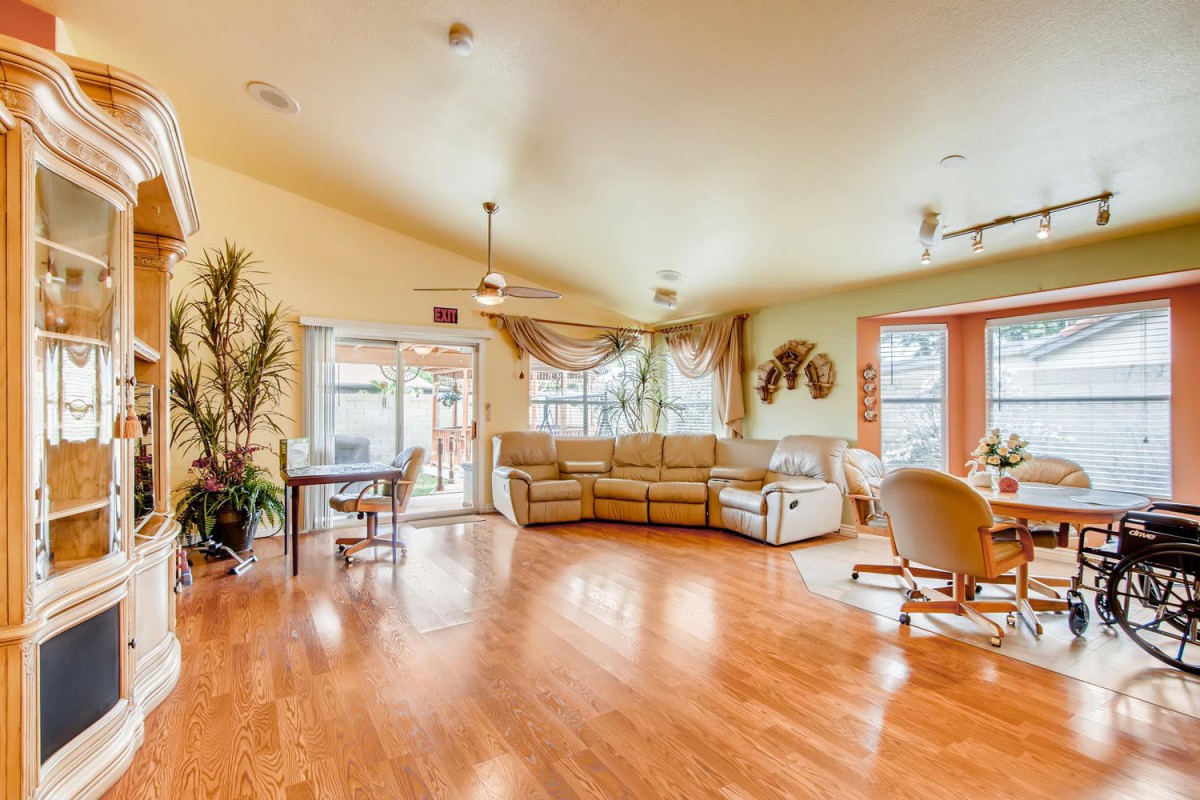
 Indoor common areas
 Outdoor common areas
 Private
 Private bathrooms
 Respite or short term stays offered
 Wheelchair accessible showers
 Wi-Fi/high-speed internet available
 Phoenix Sky Harbor International (16 miles away)
 Diabetic care
 High acuity care
 Incontinence care
 Medication management
 Anytime dining
 Art classes
 Cooking classes
 Day trips and outings
 Educational speakers / life long learning
 Karaoke
 Live dance or theater performances
 Live musical performances
 Live well programs
 Visiting chaplain or priest

 Comprehensive Guide to Blood Pressure Charts for Older Adults: Understanding Normal and High Readings by Age
 Financing Long-Term Nursing Home Care Through Social Security: A Thorough Exploration
 Essential Knowledge on Pneumonia in Older Adults