Whipple Circle Manor Assisted Living

1101 North Whipple Circle, Gilbert, AZ 85233

For more information about senior living options: (844) 490-3973

4.4 from 54 reviews
5 stars
43
4 stars
3
3 stars
2
2 stars
1
1 stars
5

Assisted Living Board and Care Home

Whipple Circle Manor Assisted Living Costs & Pricing

Whipple Circle Manor Assisted Living offers competitive pricing for its services, with both private and semi-private room options available at a monthly rate of $4,500. This is notably higher than the average costs in Maricopa County, where similar private accommodations typically average around $3,318, and semi-private rooms are priced at approximately $2,801. Likewise, when compared to state averages in Arizona - $3,345 for private rooms and $2,820 for semi-private - Whipple Circle Manor positions itself at a premium. These rates reflect the quality of care and amenities provided at Whipple Circle Manor, as families often seek not just affordability but also an enriching environment for their loved ones in assisted living.

Floor plansWhipple Circle Manor Assisted LivingMaricopa CountyArizona
Private$4,500$3,318$3,345
Semi-Private$4,500$2,801$2,820

What level of care are you interested in?

Assisted Living

Memory Care

Independent Living

Skilled Nursing Facility

Continuing Care Retirement Community (CCRC)CCRC

Other


Request a tour at Whipple Circle Manor Assisted Living

    Overall Review of Whipple Circle Manor Assisted Living

    Pros

    • pro The staff are warm, friendly, and genuinely caring toward residents.
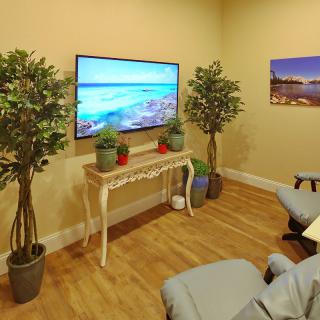
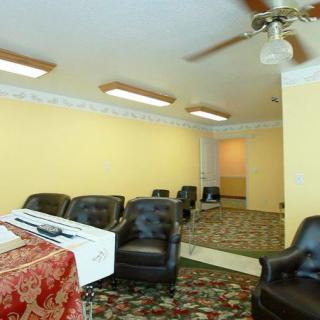
    • pro The facility is clean, modern, and inviting.
    • pro The meals are amazing, diverse, and nutritious, with staff accommodating preferences.
    • pro Residents participate in engaging activities throughout the day, led by attentive staff.
    • pro On-site nurses provide professional oversight and comprehensive care.
    • pro Families appreciate open communication and flexible visiting hours, and feel the environment is like a family and home.

    Cons

    • pro Some reviewers describe the facility as very dirty, with a urine smell, unsanitary chairs, and meals that offer no real choices.
    • pro They report a staff shortage, with much of the staff not friendly and insufficient training in dementia care, while management stays in the office and caregivers are left short-handed.
    • pro They allege personal items disappearing (snacks, socks) and note there is no inventory to track belongings.
    • pro They warn of elder abuse and severe neglect, with patients not checked on for over 24 hours.
    • pro They recount an incident where the director told a family to Google a medical transport number, signaling poor responsiveness.

    Review

    The collection of experiences at American Orchards Memory Care paints a picture of a facility that elicits strong, sometimes conflicting, impressions from families and visitors. On one end of the spectrum, there is a highly negative portrayal: a reviewer describes an environment that feels dirty and unkempt, with an overpowering urine odor upon entry, chairs reportedly soiled by residents, and a general sense that sanitation and upkeep are neglected. Food is described as consistently horrible, with residents offered a single option and little choice about what they eat. The reviewer also complains about management locking themselves in offices, staff who laugh while caregivers work short-handed, and a sense that those in charge are not visibly present or working to support the floor team. This account portrays a breakdown in basic care and oversight, leaving the impression of a facility in disarray.

    Contrasting sharply with that viewpoint, a number of other reviews emphasize the opposite experience, highlighting cleanliness, professionalism, and respectful, engaged staff. Several tours and visits are described as very positive: a pristine facility that is clean and well kept, with interactions between staff and residents characterized as respectful and caring. Families note active engagement with residents, meaningful participation in daily activities, and a sense that the community is welcoming and, for many, feels like a home rather than a sterile institution. The consistency of professionalism and the presence of a steady routine appear to reassure prospective residents and their families that their loved ones will be treated with dignity.

    Among the strongest recurring themes is the warmth and dedication of individual staff members. Several reviewers point to specific people who stood out - Joyce and a resident services team member named Shannon, for example - as demonstrating genuine care for residents and families. Comments repeatedly mention that staff go above and beyond, offering attentive help throughout the day and night, coordinating care with nurses on site, and maintaining open lines of communication with families. The care team is praised not only for meeting basic needs but also for supporting residents' emotional well-being, helping with dressing and hygiene, and ensuring residents stay connected to meaningful activities and outings. The meals receive frequent praise as well - described as delicious, varied, and nutritious, with options that accommodate individual preferences, such as a PB&J when desired, and frequent attention from kitchen staff to ensure residents' dietary needs and tastes are met.

    Visitors frequently credit the facility with strong programs and a lively social atmosphere. They mention a robust calendar of activities, opportunities for residents to participate in events, and repeated experiences of residents appearing happy and engaged. Several reviews note that there are plenty of chances to be involved in community life, and that staff make a concerted effort to involve family members, including shared meals during the holiday season and flexible visiting norms that allow families to spend time with loved ones without rigid restrictions. The overall sense conveyed by these accounts is that American Orchards strives to create a warm, home-like environment where residents can enjoy companionship, purposeful activity, and a sense of routine.

    Yet not all experiences align with this largely positive portrait. One review describes a transition that was less favorable after about a year, citing a staff shortage, unfriendly demeanor among some workers, and a lack of dementia-specific training that allegedly manifested in interactions with residents who have memory care needs. The reviewer also recounts items going missing over time, a lack of inventory controls, and a sense that some unaddressed issues lingered even after continued visits. The suggestion to perform multiple "pop-in" visits at different times serves as a caution to prospective families: what you see on a single tour may not capture ongoing challenges behind the scenes.

    There are also more serious cautions layered into the feedback. One account uses stark language to warn readers about elder abuse, asserting that there were extended periods - sometimes more than 24 hours, and in some cases days - without check-ins for a resident. The reviewer emphasizes the importance of integrity and vigilance, urging families to observe closely and to be mindful of potential neglect. Another review highlights a meeting with the director who allegedly dismissed a request for a medical transport provider's number, a detail that contributes to concerns about responsiveness and communication at certain moments of care. Taken together, these reports underscore the critical need for ongoing oversight, thorough staff training, and reliable, transparent processes within the facility.

    Despite the darker notes raised by those concerns, a significant thread running through the majority of testimonials is confidence in the leadership and the culture fostered by the management team. Reviewers repeatedly describe a facility that, when functioning well, operates like a close-knit family: a clean, modern environment led by a care director who is described as attentive and uplifting, with administrators making rounds, monitoring meal quality, and ensuring residents' needs are met. The combination of hands-on care, accessible nurses, and a culture of communication with families appears to be central to why many reviewers hold American Orchards in high regard. For these families, the experience provides reassurance that their loved ones are safe, well-cared-for, and valued.

    In sum, American Orchards Memory Care elicits a spectrum of experiences that range from praised excellence to urgent caution. The facility is frequently lauded for its cleanliness, engaging activities, nurse oversight, and compassionate, dedicated staff who build meaningful relationships with residents and their families. The best reviews highlight responsive care, nutritious meals, and a welcoming, home-like atmosphere that supports both residents and visiting family members. At the same time, there are compelling concerns about cleanliness lapses, staffing shortages, training gaps in dementia care, gaps in inventory control, and serious accusations regarding neglect or abuse in a few accounts. These conflicting voices suggest a need for prospective families to conduct thorough, varied visits, to meet with multiple staff and administrators, and to request transparent information about staffing, training, safety protocols, and oversight practices to form a complete picture before making a decision.

    Features

    Housing

    • 5 resident community capacity 5 resident community capacity

    Types of Care

    • Assisted Living Assisted LivingAssisted living facilities provide crucial support and care for seniors who may need help with daily tasks such as medication management, bathing, and meal preparation. These communities offer a safe and comfortable environment where seniors can maintain their independence while receiving the assistance they need to thrive in their golden years.
    • Board and Care Home Board and Care HomeBoard and care homes provide a smaller, more intimate setting for seniors who require assistance with daily tasks but do not need the level of care offered by a nursing home. They offer personalized care, meals, and social activities in a homelike environment, ensuring that seniors receive individualized attention and support in their golden years.

    Amenities

    • Cable or satellite TV Cable or satellite TVCable or satellite TV is important for seniors because it provides entertainment, news, and companionship, helping to combat loneliness and boredom. It also offers a wide range of programming options tailored to different interests and preferences.
    • Dining room Dining roomDining rooms are important for seniors as they provide a space for socialization, connection, and nutritious meals. They offer opportunities for residents to bond over shared meals, foster a sense of community, and promote healthy eating habits. Dining rooms also ensure that seniors have access to well-balanced meals tailored to their dietary needs and preferences.
    • Fully furnished Fully furnishedFully furnished senior living communities are important for seniors because they provide convenience, comfort, and a hassle-free moving experience. Seniors can easily settle into their new living space without the stress of having to buy and move furniture. This allows them to focus on enjoying their new home and community.
    • Garden GardenGardens are important for seniors as they provide a peaceful and therapeutic environment for relaxation, physical activity, and socialization. Being in nature has been shown to reduce stress, improve mood, and promote overall well-being. Gardens also offer opportunities for seniors to engage in gardening activities, which can improve mobility, flexibility, and cognitive function. Additionally, gardens create a sense of community and connection with others who share a passion for plants and outdoor spaces.
    • Housekeeping services Housekeeping servicesHousekeeping services are important for seniors because they help maintain a clean and safe living environment, promote independence, and reduce the risk of accidents or illnesses. Additionally, having assistance with household chores can alleviate physical strain and allow seniors to focus on other aspects of their well-being.
    • Move-in coordination Move-in coordinationMove-in coordination is important for seniors because it helps ease the transition into their new living environment. It ensures that all logistics, such as packing, organizing movers, and setting up utilities are taken care of, allowing seniors to focus on settling in and adjusting to their new home. Having a smooth move-in process can alleviate stress and anxiety, making the transition smoother and more enjoyable for seniors.
    • Outdoor space Outdoor spaceOutdoor spaces are important for seniors as they provide opportunities for physical activity, social interaction, exposure to natural light and fresh air, and a sense of connection to nature. Having access to outdoor spaces can improve overall well-being and quality of life for older adults living in senior communities.
    • Telephone TelephoneTelephones are important for seniors as they provide a lifeline for communication with loved ones, emergency services, and healthcare providers. They offer a sense of security and independence, enabling seniors to stay connected and access assistance when needed.
    • Wi-Fi/high-speed internet available Wi-Fi/high-speed internet availableWi-Fi/high-speed internet is important for seniors to stay connected with loved ones, access online resources, and participate in virtual activities to combat feelings of loneliness and isolation. It also allows them to easily manage healthcare needs, access entertainment, and engage in lifelong learning opportunities.

    Transportation

    • Phoenix Sky Harbor International (12 miles away) Phoenix Sky Harbor International (12 miles away)

    Care Services

    • 24-hour supervision 24-hour supervision24-hour supervision is important for seniors to ensure their safety, well-being, and access to immediate assistance in case of emergencies or health issues. This constant support provides peace of mind for both seniors and their loved ones, allowing them to age in place with dignity and security.
    • Activities of daily living assistance Activities of daily living assistanceActivities of daily living assistance are important for seniors because they provide essential support with tasks such as eating, bathing, dressing, and mobility. This assistance helps seniors maintain their independence, dignity, and overall quality of life as they age.
    • Assistance with bathing Assistance with bathingAssistance with bathing is crucial for seniors as it helps maintain personal hygiene, prevents infections, and ensures their overall well-being and comfort. It also provides a sense of dignity and independence for seniors who may struggle with this task on their own.
    • Assistance with dressing Assistance with dressingAssistance with dressing is important for seniors because it helps maintain their independence, promotes personal hygiene, prevents accidents and injuries, and improves overall quality of life. This service ensures that seniors can continue to dress comfortably and confidently, despite any physical limitations they may have.
    • Assistance with transfers Assistance with transfersAssistance with transfers is crucial for seniors as it helps prevent falls and injuries, maintains their independence, and ensures they can safely navigate their living environment. It also provides peace of mind for both seniors and their loved ones.
    • Coordination with health care providers Coordination with health care providersCoordination with health care providers is crucial for seniors to ensure proper medical care, medication management, and overall well-being. This collaboration helps prevent overlapping treatments, track progress more effectively, and provide comprehensive support tailored to individual needs.
    • Diabetes diet Diabetes dietA diabetes diet is crucial for seniors as it helps manage blood sugar levels, reduce risks of complications, and improve overall health and well-being. By following a balanced and nutritious diet tailored to their specific needs, seniors can better control their diabetes and enhance their quality of life.
    • Meal preparation and service Meal preparation and serviceMeal preparation and service are crucial for seniors as they may have limited mobility or energy to cook nutritious meals. Having access to healthy and convenient food options can ensure they are getting the proper nutrition needed to maintain their overall health and well-being.
    • Medication management Medication managementMedication management is crucial for seniors to ensure they are taking the right medications at the correct dosages and times. This helps prevent adverse drug interactions, reduces the risk of medication errors, and promotes overall health and well-being. Proactive management also allows for adjustments as needed based on changing health conditions or new prescriptions.
    • Special dietary restrictions Special dietary restrictionsSpecial dietary restrictions are important for seniors because age-related changes in metabolism and health conditions can make it difficult for their bodies to process certain foods. By following a diet tailored to their specific needs, seniors can maintain their overall health and well-being, manage chronic conditions, and reduce the risk of complications such as malnutrition or food interactions with medications.
    • Transportation arrangement (medical) Transportation arrangement (medical)Transportation arrangements for medical purposes are essential for seniors as they may have difficulty driving themselves to appointments or accessing public transportation. Having reliable and safe transportation options ensures that seniors can receive timely medical care and maintain their health and well-being.
    • Transportation to doctors appointments Transportation to doctors appointmentsTransportation to doctors' appointments is crucial for seniors as it ensures they have access to necessary medical care and support for their health needs. Without reliable transportation, seniors may struggle to attend important appointments, leading to potential delays in treatment and health complications. Providing transportation services helps seniors maintain their overall well-being and quality of life.

    Dining

    • Diabetes diet Diabetes dietA diabetes diet is crucial for seniors as it helps manage blood sugar levels, reduce risks of complications, and improve overall health and well-being. By following a balanced and nutritious diet tailored to their specific needs, seniors can better control their diabetes and enhance their quality of life.
    • Special dietary restrictions Special dietary restrictionsSpecial dietary restrictions are important for seniors because age-related changes in metabolism and health conditions can make it difficult for their bodies to process certain foods. By following a diet tailored to their specific needs, seniors can maintain their overall health and well-being, manage chronic conditions, and reduce the risk of complications such as malnutrition or food interactions with medications.

    Activities

    • Community-sponsored activities Community-sponsored activitiesCommunity-sponsored activities are important for seniors as they provide opportunities for social interaction, mental stimulation, and physical activity. These activities can help improve overall well-being, combat loneliness and isolation, and promote a sense of belonging and purpose among older adults.
    • Scheduled daily activities Scheduled daily activitiesScheduled daily activities are important for seniors because they provide structure, socialization, mental stimulation, and physical activity. Engaging in regular activities can improve overall well-being and quality of life for seniors living in a community setting.

    Description

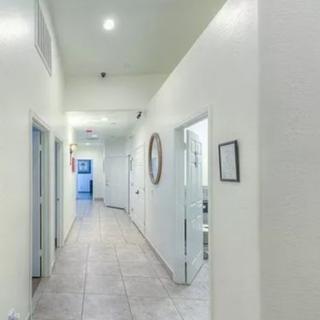
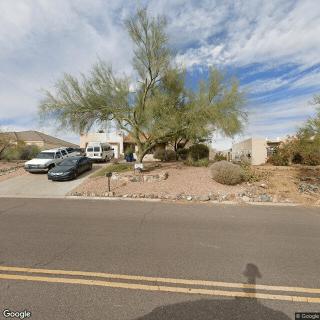
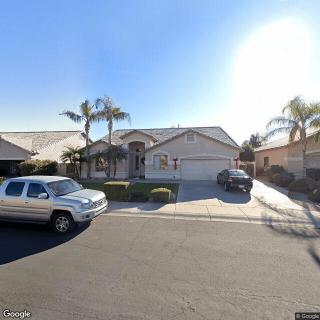
    Whipple Circle Manor Assisted Living in Gilbert, AZ is a welcoming and comfortable board and care home for seniors in need of assistance with their daily living activities. Our fully furnished facility provides a peaceful environment for our residents to enjoy their retirement years.

    We understand the importance of maintaining an active and social lifestyle, which is why we offer a range of amenities and services to enhance the quality of life for our residents. In our dining room, delicious meals are prepared and served by our staff, accommodating special dietary restrictions as needed. Housekeeping services ensure that our residents can relax and enjoy their time without worrying about chores.

    Our community also boasts outdoor space where residents can enjoy fresh air and beautiful gardens. The presence of Wi-Fi/high-speed internet and telephone connectivity allows residents to stay connected with loved ones. Additionally, move-in coordination makes transitioning into our community seamless.

    At Whipple Circle Manor Assisted Living, we prioritize the wellbeing of our residents by offering assistance with various activities of daily living such as bathing, dressing, transfers, and managing medications. We also coordinate with healthcare providers to ensure comprehensive care. For those with diabetes or other dietary needs, we provide specialized meal plans.

    Transportation arrangement services are available for medical appointments to make sure our residents can access the healthcare they need. Furthermore, scheduled daily activities keep our residents engaged and entertained throughout their time with us.

    Located in a vibrant area, there are several amenities nearby that provide convenience to our residents. Four cafes, parks, pharmacies, restaurants, places of worship, physicians' offices, and even a theater are easily accessible from our community.

    Whipple Circle Manor Assisted Living is dedicated to providing personalized care in a warm and compassionate environment while promoting independence and an active lifestyle for our valued residents.

    Nearby Places of Interest

    Cafes

    • Panera Bread (0.9 miles)
    • Panera Bread (3.1 miles)
    • Starbucks (4.2 miles)
    • Dutch Bros Coffee (4.5 miles)
    • Peixoto Coffee Roasters (5 miles)
    • Starbucks (5.1 miles)

    Restaurants

    • Chick-Fil-A (0.9 miles)
    • Sidewinder Subs (1.6 miles)
    • Arizona Wilderness Brewing Co. (1.9 miles)
    • McDonald's (3.1 miles)
    • Tom Ryan's (3.1 miles)
    • Capriotti's Sandwich Shop (3.1 miles)
    • Green Corner Restaurant (3.2 miles)

    Theaters

    • AMC Mesa Grand 14 (1 miles)
    • Harkins Theatres SanTan Village 16 (5.6 miles)

    Pharmacies

    • Walgreens (1 miles)
    • Walgreens (1.6 miles)
    • Walgreens (1.6 miles)
    • Walmart Pharmacy (1.8 miles)
    • Walgreens (2.3 miles)
    • CVS Pharmacy (2.5 miles)
    • Walgreens (2.9 miles)

    Physicians

    • Southwest Endoscopy & Srgcntr (1.5 miles)
    • Gilbert Primary Care (2.5 miles)
    • Eye Concepts Vision Center (3 miles)
    • Oasis Behavioral Health Hospital (3 miles)
    • Arizona Asthma & Allergy Institute (3.7 miles)
    • Arizona Sun Family Medicine (3.9 miles)
    • Riviera Opticare (4.1 miles)

    Places of Worship

    • First United Methodist Church of Gilbert (1.8 miles)
    • Church of Jesus Christ of Latter Day Saints (2.5 miles)
    • Mesa Arizona Temple (3.1 miles)
    • Church of Jesus Christ of Latter Day Saints (4.2 miles)

    Parks

    • Finley Farms Park (4.2 miles)
    • Riparian Preserve at Water Ranch (4.3 miles)
    • Greenfield Park (4.5 miles)
    • Daumler Park (4.9 miles)

    Frequently Asked Questions

    How much does it cost to live at Whipple Circle Manor Assisted Living in Gilbert, AZ?
    Where is Whipple Circle Manor Assisted Living?

    Nearby Communities

    Related Resources

    • assisted living vs memory careAssisted Living and Memory Care: Understanding Their Core Differences

      Assisted living provides moderate support for seniors seeking independence, while memory care offers specialized support for individuals with dementia or cognitive impairments through structured routines and trained staff. Key differences include care approaches, environment security measures, staff training levels, activity types, and cost considerations.

    • assisted living activitiesBeyond the Bingo Hall: 50+ Enriching Activities for Seniors in Assisted Living

      Assisted living communities offer diverse activities beyond traditional games to enhance seniors' physical health, cognitive well-being, emotional enrichment, and social connections, including fitness classes, creative expression, and intergenerational interactions. These enriching programs foster community bonds and support residents' independence and happiness.

    • assisted living vs memory careUnderstanding the Distinctions: Assisted Living and Memory Care Explained

      The article differentiates between assisted living and memory care, explaining that assisted living supports seniors with daily activities while promoting independence, whereas memory care provides specialized services for individuals with dementia, focusing on secure environments and cognitive support. It also addresses staff training, safety considerations, costs, family involvement, and transition strategies for families navigating these care options.


    Get Pricing Ask A Question Schedule A Tour Contact Senior Advisor