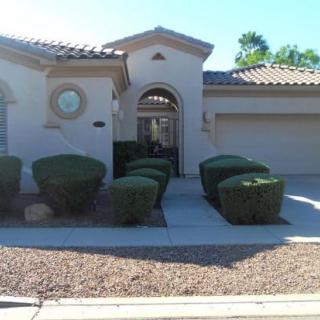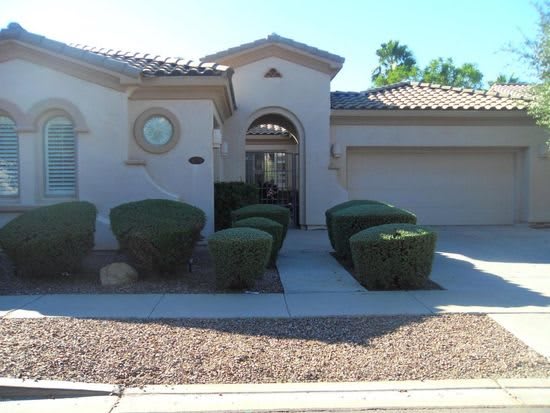



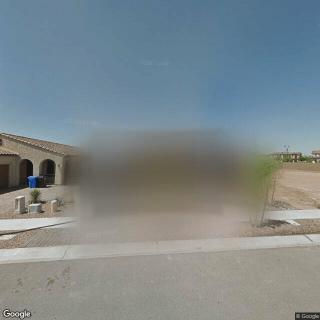
4723 E. Buckboard Ct., Gilbert, AZ 85297
To contact a resident: (480) 876-0200
For more information about senior living options: (866) 208-4318
Majestic Rose - Power Ranch Costs & Pricing
Majestic Rose - Power Ranch offers a distinctive pricing structure for its residential care options, standing out when compared to the broader financial landscape within Maricopa County and the state of Arizona. For semi-private accommodations, residents can expect a monthly fee of $3,500, which is notably higher than the county average of $2,801 and the state average of $2,820. Similarly, those opting for private rooms will pay $4,500 per month, surpassing both Maricopa County's average of $3,318 and Arizona's statewide average of $3,345. These costs reflect Majestic Rose's commitment to providing enhanced amenities and personalized care within a supportive community environment.
| Floor plans | Majestic Rose - Power Ranch | Maricopa County | Arizona |
|---|---|---|---|
| Semi-Private | $3,500 | $2,801 | $2,820 |
| Private | $4,500 | $3,318 | $3,345 |
Senior living communities with a similar price nearby
-
from +$150 / mo

SeniorBridge - Scottsdale, AZ
$3,650 / month22.1 miles away -
About the same

Sonoran Adult Care
$3,600 to $4,000 / month10.4 miles away -
from +$500 / mo
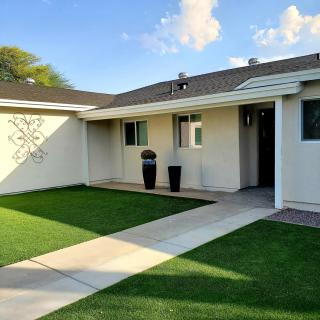
Sunrise Care Home - Sunnyvale
$4,000 to $4,500 / month21.7 miles away -
from -$300 / mo

Evergreen Assisted Living
$3,200 to $7,500 / month23.8 miles away -
from -$500 / mo
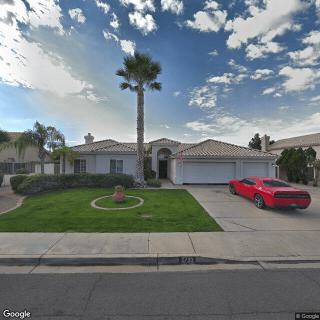
Desert Winds I
$3,000 to $3,800 / month10.9 miles away
Overall Review of Majestic Rose - Power Ranch
Pros
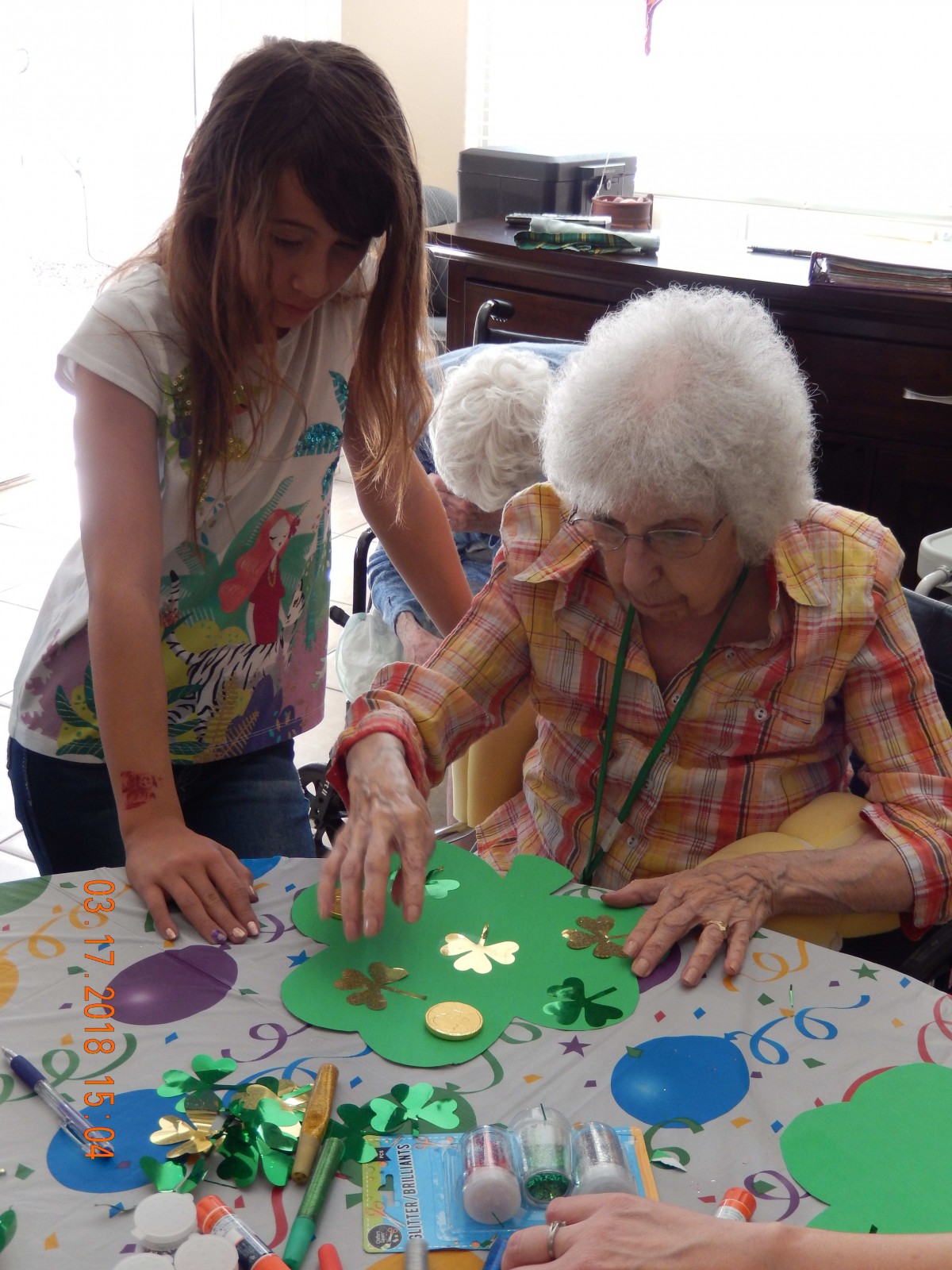
 The staff at Majestic Rose Assisted Living are very nice and attentive, providing excellent care to residents.
- The facility is family-friendly and clean, with accommodating staff.
- The kitchen is clean and serves tasty treats for holidays.
- Residents and their families appear very happy to be there.
- The home and its staff feel lovely and welcoming.
- The staff take the time to get to know residents, their preferences, and individual needs.
- Rose and Ted are kind, considerate, and deeply invested in their residents and their families.
Cons
 The home was sold in June 2022 and is not nurse owned anymore, with almost complete turnover of the original staff.
- The original staff is almost all gone.
- This home is nothing like it used to be, having begun changing during the transition to the new owners.
- The family orientation that used to be great has changed now that the special attention Rose gave is gone.
- The new owner sent the reviewer’s mother to the ER for a UTI and then told them she wasn’t allowed to come back because she had been hospitalized twice in one year for a UTI and required too much attention.
Review
Majestic Rose - Power Ranch in Gilbert is best suited for families seeking a warm, home-like assisted living where staff know residents by name, answers come quickly, and family involvement is actively welcomed. The setting reads as intimate and neighborly: clean facilities, a kitchen that produces pleasant treats, and staff who are attentive and engaging with both residents and visiting families. For households that value personal connection, daily routines shaped around individual preferences, and a culture that feels more like a small home than a clinical facility, this community presents a convincing fit.
Those weighing options should consider alternatives if robust clinical staffing and long-term nurse-owned oversight are nonnegotiables. The home market note here is sharp: the property was sold in June 2022 and is no longer nurse owned, with almost complete turnover of the original staff. That transition raises legitimate questions about current level of certified nursing assistance (CNAs) on site and the consistency of medical oversight. Prospective families must verify whether CNAs are still available in meaningful numbers and whether the new ownership continues to maintain the same standard of medical attention that earlier families experienced.
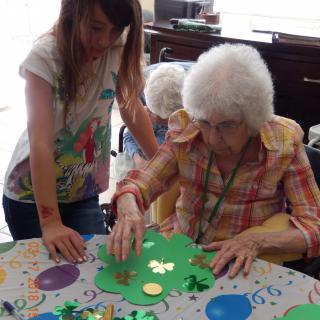
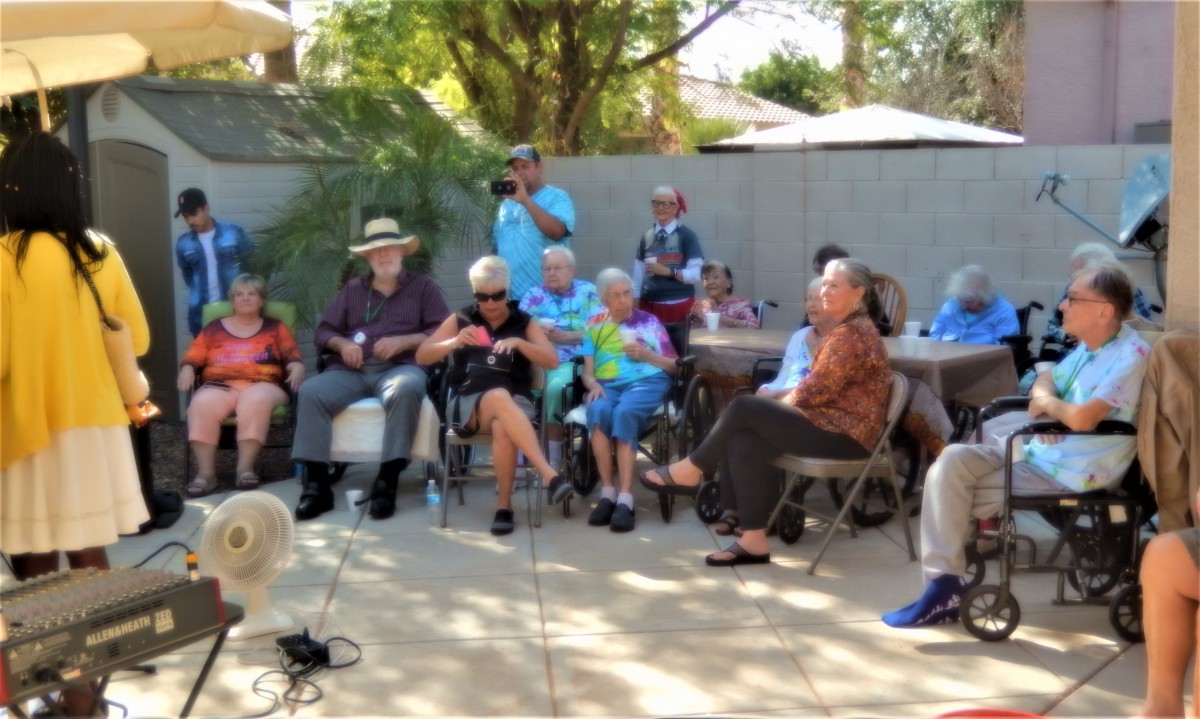
The strongest positives center on the culture and daily experience. Residents and their families report genuine warmth from owners and staff, with staff who are accommodating and involved in activities that residents enjoy. The facility consistently earns praise for its cleanliness, and the kitchen’s quality is cited as a notable plus. The integration of residents into meaningful activities and the sense that caregivers take time to learn individual preferences create a sense of belonging that can significantly offset the need for high-intensity clinical intervention in many days. In environments where personal attention is sustained, this domestic, family-focused approach can yield meaningful quality-of-life gains.
Yet the downsides tied to ownership change are real and should steer inquiries. The transition led to a near-complete staff turnover, and several families express concern about the continuity of the level of care when CNAs or other critical clinical roles shift or disappear. One account describes a troubling ER visit for a UTI followed by a directive that the patient could not return because of the care burden, an example that, if echoed in current operations, would dwarf otherwise attractive attributes. In sum, the risk is that the current staffing profile may not consistently deliver the same robust, nurse-led oversight that some residents previously enjoyed, and that history underscores the need for explicit confirmation of staffing composition and care protocols today.
To evaluate thoughtfully, families should press for concrete evidence of current CNA presence and nursing supervision, not just generic assurances of care. Ask for a current staffing schedule, the ratio of CNAs to residents on day and night shifts, and the credentialing status of caregivers on site. Inspect how the facility handles medical needs, the process for urgent concerns, and how family input is incorporated into daily care plans. Request a candid, up-to-date explanation of ownership philosophy and its impact on clinical oversight, and tour during times when staff transitions occur to observe consistency and responsiveness firsthand. These steps separate promising warmth from risky inconsistency.
In the end, Majestic Rose offers a compelling choice for families prioritizing a warm, intimate setting, strong family involvement, and daily life shaped around individual resident desires. The caring leadership and the sense of community present a persuasive case for those who can accept and verify stable CNAs and reliable medical oversight under current ownership. For families where continuous nurse-led care, predictable staffing, and long-term clinical stability are essential, alternatives with documented nurse ownership and steadier clinical staffing may be prudent. The decision hinges on confirming current staffing resilience while weighing the undeniable gains in daily quality of life that accompany a genuinely resident-centered, family-friendly environment.
 Board and Care Home
 Dogs allowed
 Activities off-site
 Air-conditioning
 Cable or satellite TV
 Devotional services off-site
 Handicap accessible
 Indoor common areas
 Outdoor common areas
 Private
 Respite or short term stays offered
 Wheelchair accessible showers
 Wi-Fi/high-speed internet available
 Phoenix Sky Harbor International (19 miles away)
 Ambulatory care
 Diabetic care
 High acuity care
 Incontinence care
 Medication management
 Meals provided
 BBQs or picnics
 Birthday parties
 Day trips and outings
 Forever fit
 Karaoke
 Live dance or theater performances
 Live musical performances
 Trivia games





 Caring for Those Who Care: Recognizing, Understanding, and Overcoming Caregiver Burnout
 Caregiver Exhaustion: Recognizing the Signs and Restoring Your Well-Being
 Understanding Hospice Care at Home: Comprehensive Services, Key Benefits, and Eligibility