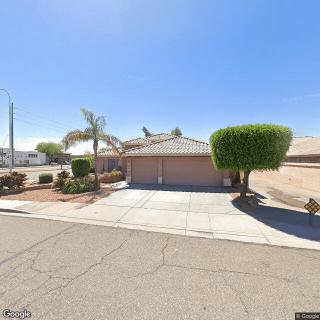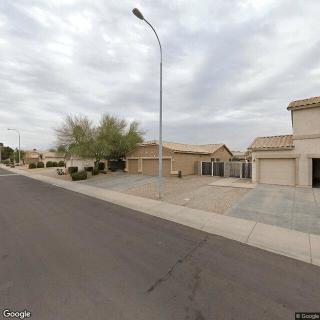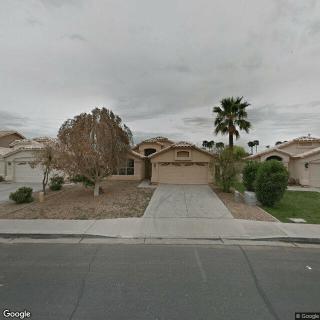
Leisure Gardens

Save
Leisure Gardens

Leisure Gardens

3704 East Vaughn Avenue, Gilbert, AZ 85234

For more information about senior living options: (844) 490-3973

3.4 from 5 reviews
5 stars
3
4 stars
0
3 stars
0
2 stars
0
1 stars
2

Assisted Living Board and Care Home Respite Care

Leisure Gardens Costs & Pricing

Leisure Gardens offers competitive pricing for its room types when compared to both Maricopa County and the broader state of Arizona. For residents seeking semi-private accommodations, Leisure Gardens charges $2,000 per month, significantly lower than the county average of $2,801 and the state average of $2,820. Similarly, those opting for private rooms at Leisure Gardens will pay $2,400 monthly, which is again more affordable than the county's typical rate of $3,318 and the state average of $3,345. This pricing structure positions Leisure Gardens as an attractive option for individuals looking for quality care without compromising their financial plans.

Floor plansLeisure GardensMaricopa CountyArizona
Semi-Private$2,000$2,801$2,820
Private$2,400$3,318$3,345

What level of care are you interested in?

Assisted Living

Memory Care

Independent Living

Skilled Nursing Facility

Continuing Care Retirement Community (CCRC)CCRC

Other


Request a tour at Leisure Gardens

    Overall Review of Leisure Gardens

    Pros

    • pro The place felt like a real home rather than a facility that checks boxes.
    • pro The atmosphere was down-to-earth and straightforward, with staff who genuinely care.
    • pro The mom settled in more easily than expected.
    • pro The staff didn't rush her and learned her preferences, giving her space to feel comfortable.
    • pro Within days, mom was seen having tea and laughing with a caregiver.
    • pro Her room was clean, laundry neatly done, and medications handled reliably.
    • pro The team paid attention to small details, like keeping her shawl within reach and ensuring warm water at night.
    • pro They listened to concerns, followed up, and treated feedback seriously.
    • pro The family felt kept in the loop and treated as partners in care.

    Cons

    • pro They described the facility as noisy, with staff yelling at and about each other.
    • pro They reported bedding consisted of only a single thin sheet over a thick plastic mattress cover, with no fitted sheet, top sheet, or blanket.
    • pro They found the food to be terrible, citing cold spaghetti with chopped hot dog as an example.
    • pro They noted feces left in a bedside commode beside the bed for two days.
    • pro They described a delayed response to a low blood sugar event, including not finding a glucometer and being accused of not sending it, with it taking an hour to bring juice.
    • pro They criticized the staff as lacking proper training.
    • pro They said a copy of the signed agreement was requested twice but never provided.
    • pro They reported a smoke detector that chirped for over 24 hours before the batteries were changed.

    Review

    Choosing the right home for a loved one is less about checklists and more about feeling that the space truly could be a home. Across several vignettes, what stands out is how the atmosphere, the tone of the staff, and the everyday routines shape not just care, but a sense of belonging. In one family's experience, the place they chose felt refreshingly real - no scripted sales talk, no overpromising, just practical care delivered with a down-to-earth honesty and a palpable sense that the people there genuinely cared.

    The first family describes a mom who has always valued her independence and privacy. They expected a tough transition, yet found that the staff did not rush her or impose rigid routines. Instead, they learned how she preferred to live, giving her space to feel comfortable while still staying close enough to offer support when needed. A moment that resonated deeply happened just a few days after she moved in: she was already sitting with a cup of tea, laughing with a caregiver. Small, everyday moments like that became a sign to her family that this could be a place that honored who she was. The room was kept clean, laundry was neatly handled, and medications were administered with reliability. The staff paid attention to little comforts - ensuring her favorite shawl was within reach and that she had warm water at night - proof, to them, that basic expectations are not trivial but essential. When concerns arose, they were listened to, taken seriously, and followed up on, which felt like true partnership rather than mere management of symptoms. The family didn't have to chase answers; if something changed, they were informed promptly. Most importantly, the mother felt at ease, not merely cared for, and that sense of kindness and consistency became the family's peace of mind.

    On the other hand, there are stark reminders of what can go wrong when care falls short. In another account, the care was described as chaotic and negligent. The environment was noisy, with staff yelling at and with one another. Basic comfort items were lacking - only a single sheet lay over a thick plastic mattress cover, the sheet bunched and uncomfortable, and there was no top sheet or blanket, leaving residents chilly and unsettled. The food was described as terrible, with examples like cold spaghetti mixed with hot dog bits. Hydration was limited to water at meals, with coffee only in the morning, and the situation worsened when waste care was neglected: feces left in a bedside commode for days. The family recounted a frightening episode of their loved one experiencing low blood sugar, while staff could not locate a glucometer and even accused them of not supplying one. It took an hour to get juice after that incident. There were repeated signs that staff lacked proper training and that administrative processes were weak: requests for copies of signed agreements were ignored, the smoke detector chirped for more than a day without timely battery replacement, and the management offered only excuses about being short-staffed. Medications and other supplies were mishandled, and the overall sense was that the facility did not treat safety and dignity as priorities. The message here is clear: when a facility cannot keep basic promises or demonstrate competent operations, the consequences can be severe and personal.

    These contrasting experiences underscore why careful research and multiple sources matter when choosing a home. The negative account highlights the need to verify how even routine communications work, to speak to current residents or their families, and to seek firsthand referrals. It's a reminder that a place can look fine on paper but fail in the daily realities of care, food quality, safety, and responsiveness. The takeaway is practical: ask about staff turnover, training programs, how med management is handled, how daily routines are structured, and how complaints are resolved. It is not enough to be told what a home promises - you need to hear how they actually perform under pressure and what happens when something goes wrong.

    Against these cautionary notes, there is also a deeply resonant positive story about a different facility. A son or daughter recounts that their father received truly wonderful care in his final days. Caregivers are described as attentive and caring, with owners who are present and sincere. The family was welcomed to the home to say their farewells, and the atmosphere was clean and inviting. The meals were described as home-cooked, and the other residents appeared happy and engaged. For this family, the setting felt like a supportive community rather than a distant institution. A hospice nurse who had seen many places confirms this impression, calling it the best group home they have encountered. When a place demonstrates that kind of warmth, presence, and continuity, it leaves a lasting sense of gratitude and relief for families facing difficult moments.

    Taken together, these accounts illustrate a spectrum of what "care" can mean in assisted living or group-home settings. The most meaningful environments cultivate a sense of home through simple, consistent practices: a staff that listens, follows up, and communicates openly; spaces that feel orderly and comfortable; meals that nourish and please; and a culture where issues are addressed rather than brushed aside. They balance independence with support, inviting families to participate as partners rather than observers. When a place achieves that balance, it becomes more than a facility - it becomes a place where a loved one can feel safe, dignified, and known, which in turn gives families true peace of mind.

    Features

    Housing

    • 9 resident community capacity 9 resident community capacity

    Types of Care

    • Assisted Living Assisted LivingAssisted living facilities provide crucial support and care for seniors who may need help with daily tasks such as medication management, bathing, and meal preparation. These communities offer a safe and comfortable environment where seniors can maintain their independence while receiving the assistance they need to thrive in their golden years.
    • Board and Care Home Board and Care HomeBoard and care homes provide a smaller, more intimate setting for seniors who require assistance with daily tasks but do not need the level of care offered by a nursing home. They offer personalized care, meals, and social activities in a homelike environment, ensuring that seniors receive individualized attention and support in their golden years.
    • Respite Care Respite CareRespite care provides temporary relief for caregivers, allowing them to recharge and attend to their own needs. It also gives seniors the opportunity to socialize, receive professional care, and experience a change of scenery, promoting overall well-being and reducing feelings of isolation.

    Pets

    • Cats allowed Cats allowed"Pet friendly" senior living communities are important for seniors because pets provide companionship, reduce feelings of loneliness and depression, promote physical activity and mental stimulation, and offer a sense of purpose and responsibility. Pets can improve overall well-being and quality of life for seniors in many ways.
    • Dogs allowed Dogs allowed"Pet friendly" senior living communities are important for seniors because pets provide companionship, reduce feelings of loneliness and depression, promote physical activity and mental stimulation, and offer a sense of purpose and responsibility. Pets can improve overall well-being and quality of life for seniors in many ways.

    Amenities

    • Cable or satellite TV Cable or satellite TVCable or satellite TV is important for seniors because it provides entertainment, news, and companionship, helping to combat loneliness and boredom. It also offers a wide range of programming options tailored to different interests and preferences.
    • Dining room Dining roomDining rooms are important for seniors as they provide a space for socialization, connection, and nutritious meals. They offer opportunities for residents to bond over shared meals, foster a sense of community, and promote healthy eating habits. Dining rooms also ensure that seniors have access to well-balanced meals tailored to their dietary needs and preferences.
    • Fully furnished Fully furnishedFully furnished senior living communities are important for seniors because they provide convenience, comfort, and a hassle-free moving experience. Seniors can easily settle into their new living space without the stress of having to buy and move furniture. This allows them to focus on enjoying their new home and community.
    • Garden GardenGardens are important for seniors as they provide a peaceful and therapeutic environment for relaxation, physical activity, and socialization. Being in nature has been shown to reduce stress, improve mood, and promote overall well-being. Gardens also offer opportunities for seniors to engage in gardening activities, which can improve mobility, flexibility, and cognitive function. Additionally, gardens create a sense of community and connection with others who share a passion for plants and outdoor spaces.
    • Housekeeping services Housekeeping servicesHousekeeping services are important for seniors because they help maintain a clean and safe living environment, promote independence, and reduce the risk of accidents or illnesses. Additionally, having assistance with household chores can alleviate physical strain and allow seniors to focus on other aspects of their well-being.
    • Move-in coordination Move-in coordinationMove-in coordination is important for seniors because it helps ease the transition into their new living environment. It ensures that all logistics, such as packing, organizing movers, and setting up utilities are taken care of, allowing seniors to focus on settling in and adjusting to their new home. Having a smooth move-in process can alleviate stress and anxiety, making the transition smoother and more enjoyable for seniors.
    • Outdoor space Outdoor spaceOutdoor spaces are important for seniors as they provide opportunities for physical activity, social interaction, exposure to natural light and fresh air, and a sense of connection to nature. Having access to outdoor spaces can improve overall well-being and quality of life for older adults living in senior communities.
    • Private PrivatePrivacy is important for seniors as it allows them to maintain their independence, dignity, and sense of control over their own lives. It also gives them the space and freedom to relax, reflect, and engage in activities that bring them joy and fulfillment. Creating private spaces within senior living facilities is crucial for promoting overall well-being and quality of life.
    • Telephone TelephoneTelephones are important for seniors as they provide a lifeline for communication with loved ones, emergency services, and healthcare providers. They offer a sense of security and independence, enabling seniors to stay connected and access assistance when needed.
    • Wi-Fi/high-speed internet available Wi-Fi/high-speed internet availableWi-Fi/high-speed internet is important for seniors to stay connected with loved ones, access online resources, and participate in virtual activities to combat feelings of loneliness and isolation. It also allows them to easily manage healthcare needs, access entertainment, and engage in lifelong learning opportunities.

    Transportation

    • Phoenix Sky Harbor International (18 miles away) Phoenix Sky Harbor International (18 miles away)

    Care Services

    • 24-hour supervision 24-hour supervision24-hour supervision is important for seniors to ensure their safety, well-being, and access to immediate assistance in case of emergencies or health issues. This constant support provides peace of mind for both seniors and their loved ones, allowing them to age in place with dignity and security.
    • Activities of daily living assistance Activities of daily living assistanceActivities of daily living assistance are important for seniors because they provide essential support with tasks such as eating, bathing, dressing, and mobility. This assistance helps seniors maintain their independence, dignity, and overall quality of life as they age.
    • Assistance with bathing Assistance with bathingAssistance with bathing is crucial for seniors as it helps maintain personal hygiene, prevents infections, and ensures their overall well-being and comfort. It also provides a sense of dignity and independence for seniors who may struggle with this task on their own.
    • Assistance with dressing Assistance with dressingAssistance with dressing is important for seniors because it helps maintain their independence, promotes personal hygiene, prevents accidents and injuries, and improves overall quality of life. This service ensures that seniors can continue to dress comfortably and confidently, despite any physical limitations they may have.
    • Assistance with transfers Assistance with transfersAssistance with transfers is crucial for seniors as it helps prevent falls and injuries, maintains their independence, and ensures they can safely navigate their living environment. It also provides peace of mind for both seniors and their loved ones.
    • Coordination with health care providers Coordination with health care providersCoordination with health care providers is crucial for seniors to ensure proper medical care, medication management, and overall well-being. This collaboration helps prevent overlapping treatments, track progress more effectively, and provide comprehensive support tailored to individual needs.
    • Diabetes diet Diabetes dietA diabetes diet is crucial for seniors as it helps manage blood sugar levels, reduce risks of complications, and improve overall health and well-being. By following a balanced and nutritious diet tailored to their specific needs, seniors can better control their diabetes and enhance their quality of life.
    • Diabetic care Diabetic careDiabetic care is crucial for seniors as they are more susceptible to developing diabetes due to aging and other health conditions. Proper management of diabetes can help prevent complications such as heart disease, vision loss, and nerve damage, improving the overall quality of life for seniors in senior living communities.
    • Meal preparation and service Meal preparation and serviceMeal preparation and service are crucial for seniors as they may have limited mobility or energy to cook nutritious meals. Having access to healthy and convenient food options can ensure they are getting the proper nutrition needed to maintain their overall health and well-being.
    • Medication management Medication managementMedication management is crucial for seniors to ensure they are taking the right medications at the correct dosages and times. This helps prevent adverse drug interactions, reduces the risk of medication errors, and promotes overall health and well-being. Proactive management also allows for adjustments as needed based on changing health conditions or new prescriptions.
    • Special dietary restrictions Special dietary restrictionsSpecial dietary restrictions are important for seniors because age-related changes in metabolism and health conditions can make it difficult for their bodies to process certain foods. By following a diet tailored to their specific needs, seniors can maintain their overall health and well-being, manage chronic conditions, and reduce the risk of complications such as malnutrition or food interactions with medications.
    • Transportation arrangement (medical) Transportation arrangement (medical)Transportation arrangements for medical purposes are essential for seniors as they may have difficulty driving themselves to appointments or accessing public transportation. Having reliable and safe transportation options ensures that seniors can receive timely medical care and maintain their health and well-being.
    • Transportation to doctors appointments Transportation to doctors appointmentsTransportation to doctors' appointments is crucial for seniors as it ensures they have access to necessary medical care and support for their health needs. Without reliable transportation, seniors may struggle to attend important appointments, leading to potential delays in treatment and health complications. Providing transportation services helps seniors maintain their overall well-being and quality of life.

    Dining

    • Diabetes diet Diabetes dietA diabetes diet is crucial for seniors as it helps manage blood sugar levels, reduce risks of complications, and improve overall health and well-being. By following a balanced and nutritious diet tailored to their specific needs, seniors can better control their diabetes and enhance their quality of life.
    • Special dietary restrictions Special dietary restrictionsSpecial dietary restrictions are important for seniors because age-related changes in metabolism and health conditions can make it difficult for their bodies to process certain foods. By following a diet tailored to their specific needs, seniors can maintain their overall health and well-being, manage chronic conditions, and reduce the risk of complications such as malnutrition or food interactions with medications.

    Activities

    • Community-sponsored activities Community-sponsored activitiesCommunity-sponsored activities are important for seniors as they provide opportunities for social interaction, mental stimulation, and physical activity. These activities can help improve overall well-being, combat loneliness and isolation, and promote a sense of belonging and purpose among older adults.
    • Scheduled daily activities Scheduled daily activitiesScheduled daily activities are important for seniors because they provide structure, socialization, mental stimulation, and physical activity. Engaging in regular activities can improve overall well-being and quality of life for seniors living in a community setting.

    Description

    Leisure Gardens in Gilbert, AZ is a warm and inviting assisted living community that offers board and care home services, as well as respite care for those in need of short-term assistance. Our fully furnished accommodations provide a comfortable and homely environment for our residents.

    At Leisure Gardens, we prioritize the well-being of our residents by offering a range of amenities and care services. Our dining room provides delicious meals tailored to special dietary restrictions, ensuring that our residents receive the nutrition they need. Housekeeping services are provided to maintain a clean and tidy living space.

    Our community features beautiful outdoor spaces and gardens where residents can relax and enjoy nature. We also provide Wi-Fi/high-speed internet access throughout the community, allowing residents to stay connected with family and friends.

    We understand the importance of maintaining an active lifestyle, which is why we offer an array of scheduled daily activities for our residents to enjoy. From group exercises to arts and crafts, there is always something fun happening at Leisure Gardens.

    In terms of care services, our dedicated staff is trained to provide assistance with activities of daily living such as bathing, dressing, and transfers. We also coordinate with health care providers to ensure that any medical needs are met. For those with diabetes or special dietary restrictions, we offer diabetes diet plans and diabetic care.

    Transportation arrangements can be made for medical appointments or other outings, allowing residents to easily access nearby amenities such as cafes, parks, pharmacies, physicians' offices, restaurants, places of worship, theaters, and more.

    At Leisure Gardens in Gilbert, AZ, we strive to create a supportive and vibrant community where seniors can live comfortably while receiving personalized care.

    Nearby Places of Interest

    This area of Gilbert, Arizona offers a convenient and diverse range of amenities for residents, including multiple pharmacies, parks, physicians' offices, restaurants, cafes, theaters, places of worship, and transportation options. With several pharmacies located within a short distance, accessing necessary medication and healthcare services is easily manageable. Parks such as Riparian Preserve at Water Ranch provide opportunities for outdoor recreation and relaxation. Nearby physicians' offices offer various medical services for seniors' healthcare needs. A selection of restaurants and cafes cater to different culinary preferences, while theaters provide entertainment options. Places of worship are also easily accessible in the community. Additionally, convenient transportation options such as the General Aviation Center and Phoenix-Mesa Gateway Airport make traveling to other destinations simple. Overall, this area offers a well-rounded environment ideal for senior living with easy access to essential services and recreational activities.

    Pharmacies

    • Walgreens (0.9 miles)
    • CVS Pharmacy (1.8 miles)
    • Walgreens (2.3 miles)
    • CVS Pharmacy (2.4 miles)
    • Target Pharmacy (2.6 miles)
    • Walgreens (2.7 miles)
    • Walgreens (2.8 miles)

    Parks

    • Riparian Preserve at Water Ranch (1.5 miles)
    • Finley Farms Park (2 miles)
    • Ashley Heights Park (2.7 miles)
    • Greenfield Park (3.4 miles)
    • Desert Sky Park (3.5 miles)
    • Crossroads Green Belt (3.5 miles)

    Physicians

    • Reddy GI Associates (1.5 miles)
    • Arizona Pain (1.7 miles)
    • Dermatology Solutions (1.7 miles)
    • Smith Dermatology (1.8 miles)
    • Parikh, Simul Banner Md Anderson Cancer Center (2 miles)
    • Affiliated Dermatology (2.3 miles)
    • Allen Family Medicine (2.4 miles)

    Restaurants

    • McDonald's (1.6 miles)
    • MOD Pizza (1.6 miles)
    • Del Taco (1.7 miles)
    • Cracker Barrel (1.8 miles)
    • Culver's (2.3 miles)
    • Raising Cane's Chicken Fingers (2.4 miles)
    • On The Border Mexican Grill & Cantina (2.4 miles)

    Cafes

    • Starbucks (1.8 miles)
    • Starbucks (2.4 miles)
    • Over Easy (2.7 miles)
    • Dutch Bros Coffee (3 miles)
    • Panera Bread (3.2 miles)
    • The Human Bean (4.3 miles)
    • Starbucks (4.5 miles)

    Theaters

    • Superstition Springs 25 (2.6 miles)
    • Harkins Theatres SanTan Village 16 (3.6 miles)

    Places of Worship

    • Church of Jesus Christ of Latter Day Saints (3.2 miles)
    • Saint Mary Magdalene Catholic Church (3.6 miles)
    • Church of Jesus Christ of Latter Day Saints (4 miles)

    Transportation

    • General Aviation Center (3.7 miles)
    • Phoenix-Mesa Gateway Airport (AZA) (4.2 miles)

    Frequently Asked Questions

    How much does it cost to live at Leisure Gardens in Gilbert, AZ?
    Where is Leisure Gardens?
    Does Leisure Gardens allow residents to have pets?

    Nearby Communities

    Related Resources

    • assisted living for disabled adultsComprehensive Supportive Living Arrangements for Adults with Disabilities

      Assisted living for adults with disabilities has transformed to provide personalized care and support services aimed at improving residents' quality of life while balancing independence and assistance. However, low-income individuals often face challenges in affording these services, requiring navigation of various financial resources and advocacy for better policies and solutions.

    • how to pay for assisted livingFunding and Affording Assisted Living: A Thorough Overview

      Assisted living facilities provide support for older adults needing help with daily activities without extensive medical care, but their costs can be high and vary by location and services offered. Families often seek various funding options and financial strategies to manage these expenses effectively while considering future needs and potential price increases.

    • assisted living insuranceAssisted Living Expenses and Long-Term Care Insurance: A Comprehensive Exploration

      The article discusses assisted living expenses, the importance of long-term care insurance in covering these costs, and various financing options, highlighting the need for careful policy review and early planning to address potential needs. It also clarifies common misconceptions about Medicare and private health insurance limitations regarding long-term care coverage.


    Get Pricing Ask A Question Schedule A Tour Contact Senior Advisor