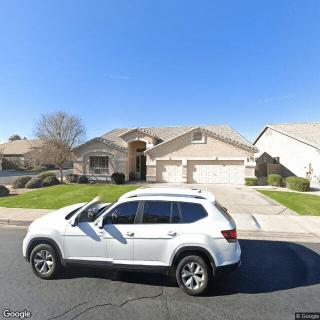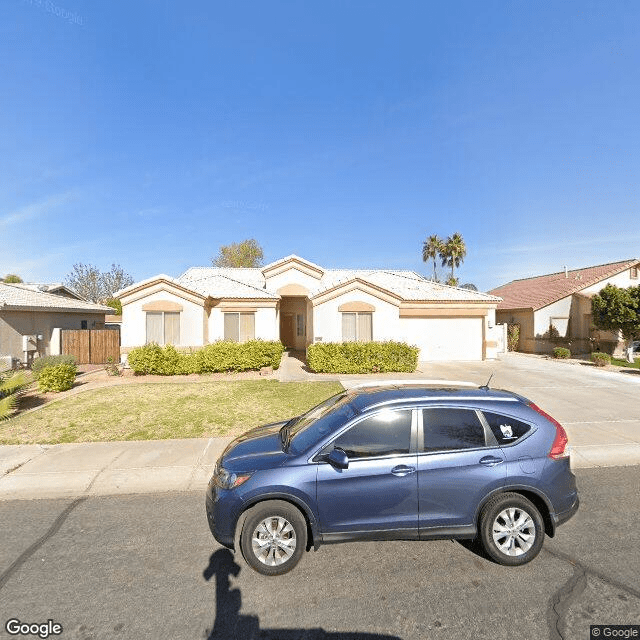
Crystal Cove Home Care

Save
Crystal Cove Home Care

Crystal Cove Home Care

4492 East Laurel Avenue, Gilbert, AZ 85234

For more information about senior living options: (844) 490-3973

3.8 from 6 reviews
5 stars
3
4 stars
1
3 stars
0
2 stars
2
1 stars
0

Board and Care Home

Crystal Cove Home Care Costs & Pricing

Crystal Cove Home Care offers competitive pricing for its services compared to the broader landscape of Maricopa County and the state of Arizona. For a semi-private room, residents can expect to pay $2,300 per month, which is notably lower than the county average of $2,801 and the state average of $2,820. Similarly, those opting for a private room will find Crystal Cove's rate of $3,000 to be more affordable than both the county and state averages, which are $3,318 and $3,345 respectively. These rates reflect Crystal Cove's commitment to providing quality care without compromising affordability in a region where costs can vary significantly.

Floor plansCrystal Cove Home CareMaricopa CountyArizona
Semi-Private$2,300$2,801$2,820
Private$3,000$3,318$3,345

What level of care are you interested in?

Assisted Living

Memory Care

Independent Living

Skilled Nursing Facility

Continuing Care Retirement Community (CCRC)CCRC

Other


Request a tour at Crystal Cove Home Care

    Overall Review of Crystal Cove Home Care

    Pros

    • pro The staff are friendly.
    • pro Coffee and food are amazing.
    • pro Ted helped them and promised to work alongside their in-home OT and PT.
    • pro The staff members are very friendly and professional.
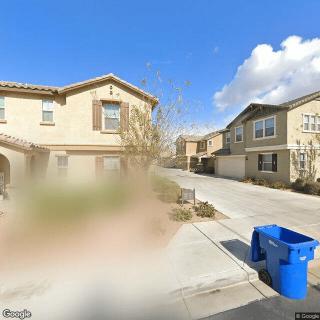
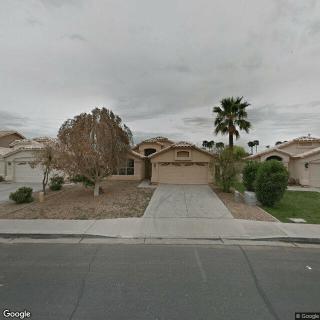
    • pro The home is a nice, clean care home in a great neighborhood.
    • pro They would highly recommend this home.
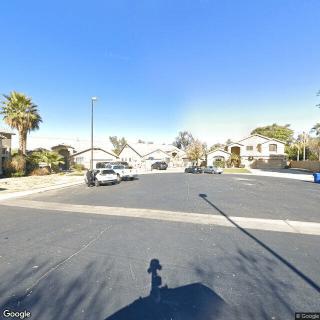
    • pro The home is in a wonderful neighborhood and is very convenient.

    Cons

    • pro The father-in-law did not eat and had trouble swallowing, and very little care was given by the home caregiver.
    • pro The caregiver yelled at the hospice nurse, which was an unprofessional way to treat staff.
    • pro The home refused to refund any money after only five days.
    • pro The early care described as minimal, with no meals prepared for him in the first days.
    • pro The staff were rude to the hospice nurse and blamed delays in medication delivery on her.
    • pro The reviewer would not recommend this home.

    Review

    The feedback about this care home comes with a wide range of impressions, revealing a landscape of experiences that can feel almost split into two worlds. On one hand, there are moments of warmth, hospitality, and genuine encouragement. Families describe staff as friendly, professional, and attentive, and they highlight little daily comforts such as good coffee and appetizing meals. In these accounts, the environment feels welcoming: a clean, well-kept place located in a great neighborhood where people feel at ease leaving their loved ones in good spirits. In particular, several reviewers point to a staff member named Ted, noting his high level of attentiveness and a sense of partnership - phrases about working alongside in-home occupational and physical therapy suggest a coordinated effort to rebuild or maintain independence. For those with hopes of recovery, the support described in these early days feels meaningful and encouraging, offering a sense that personal goals - like walking again - might still be within reach with the right care team.

    Within these upbeat narratives, the tone conveys confidence that the facility can be a positive place to receive care and rebuild function. The recurring compliments center on the demeanor of the staff and the overall atmosphere: professionals who are courteous, approachable, and seemingly invested in residents' well-being. The sense of "being in good hands" is underscored by comments about a tidy, nicely kept home and a neighborhood setting that feels safe and convenient for families visiting or coordinating care. In some stories, this environment is not just a backdrop but an active contributor to a sense of normalcy and dignity during a challenging time, a place where the day-to-day routines - meals, cleanliness, and coordinated care - appear to operate smoothly enough to keep families feeling reassured.

    But alongside the praise, the reviews also tell a cautionary tale about inconsistent care experiences and disputed financial decisions. A number of accounts describe situations where needs did not seem to be met promptly or thoroughly, especially as health challenges intensified. In one particularly grave narrative, a father-in-law was placed in the home on a Friday and died by the following Wednesday. The reviewer recalls that, despite the later involvement of hospice on Monday, there was a sense that care had been minimal in the crucial early days; the individual reportedly did not eat, had trouble swallowing, and required hospice support that appeared insufficient in the eyes of the family. The family's financial commitment - paying for a month in advance - was met with a sharp, emotionally charged sense of injustice when the reviewer described the refund situation as not being honored after just five days. The emotional weight of this review centers on the perception of neglect and the feeling that the care provided did not align with the payment made or the expectations set by the home.

    A related, strongly negative account narrows in on specific interactions and management behavior. In this account, the first three days were described as failing to meet basic needs - no meals prepared during a period when the resident was clearly not eating well, and minimal care was deemed insufficient. The reviewer emphasizes financial transactions: a payment of $2,500 for a month and the impression that the staff, including a person referred to as Ted, were not only failing to provide adequate care but were also confrontational with hospice staff. The claim is that Ted yelled at the hospice nurse and blamed delays on the delivery system, even though the nurse reported that she lacked control over pharmacy or pharmacy deliveries. The reviewer frames the response to the situation as unprofessional and alleges that, after the resident passed away, the home refused to issue any refund. The tone here is one of shock and disappointment, presenting a picture of a home that did not honor expectations of compassionate, competent care or fair handling of financial matters in a time of loss.

    Another account echoes these themes, focusing on a pattern of minimal care, even within a convenient, friendly setting. While acknowledging the attractiveness of the home and the neighborhood, the reviewer stays clear that the care - and by extension, the day-to-day life of the resident - appeared to be limited. The critique emphasizes tangible care tasks like meals, the distribution of medications, and laundry, suggesting that these areas were not consistently fulfilled for residents who required more comprehensive support. The reviewer's message is cautious: the home may be suitable for individuals who need less intensive care, but for those with higher needs, the level of support may fall short of expectations. The sense of caution is reinforced by the final note that the person running the home is a "very nice man," which implies a discrepancy between the personal warmth of the proprietor and the actual care delivered.

    Taken together, the collection of reviews paints a portrait of a facility that can feel like two different places depending on who is receiving care and under what circumstances. The most positive threads highlight a home that is clean, in a favorable neighborhood, and staffed by people who are friendly and committed to a collaborative, hopeful approach to rehabilitation and daily living. The most negative threads, by contrast, emphasize gaps in care - particularly in critical moments - and concerns about financial fairness and professional courtesy in interactions with hospice staff and families. The name-recognizable figures, such as Ted, appear in multiple stories, sometimes as a catalyst for strong praise and sometimes as a focal point of frustration, suggesting that individual staff behavior can have a disproportionate impact on families' perceptions of the entire facility.

    For readers weighing options about this care home, the stories suggest a nuanced decision framework. If the priority is a comforting, home-like environment with accessible amenities and a team approach that can align with in-home therapies, the place appears capable of delivering meaningful, positive moments and progress. If the priority is consistent, proactive medical and personal care - especially for residents with swallowing difficulties, appetite issues, or complex caregiver needs - the accounts advise caution and a careful, explicit discussion of expectations, services included, and policies on refunds and financial disputes. In any case, the overall tone of the reviews is a reminder that care quality can vary within the same facility, underscoring the importance of careful planning, direct conversations with the care team, and ongoing oversight from families to ensure that a loved one's needs are met with the right level of attention, kindness, and accountability.

    Features

    Types of Care

    • Board and Care Home Board and Care HomeBoard and care homes provide a smaller, more intimate setting for seniors who require assistance with daily tasks but do not need the level of care offered by a nursing home. They offer personalized care, meals, and social activities in a homelike environment, ensuring that seniors receive individualized attention and support in their golden years.

    Amenities

    • Activities off-site Activities off-siteEngaging in off-site activities is crucial for seniors to maintain social connections, stay active, and stimulate their minds. It promotes overall well-being and helps combat feelings of isolation and loneliness.
    • Activities on-site Activities on-siteActivities on-site are important for seniors because they provide opportunities for socialization, mental stimulation, physical activity, and overall well-being. Engaging in activities can help seniors stay active, maintain their independence, and improve their quality of life.
    • Bath tubs Bath tubsBath tubs are important for seniors because they provide a safe and relaxing way to bathe, helping to prevent slips and falls while promoting independence and overall well-being.
    • Devotional services off-site Devotional services off-siteDevotional services off-site are important for seniors as they provide spiritual nourishment, social engagement, and a sense of community outside of the senior living facility. This can enhance overall well-being and help combat feelings of isolation and loneliness often experienced by older adults.
    • Devotional services on-site Devotional services on-siteDevotional services on-site provide seniors with spiritual support and a sense of community, as well as an opportunity for reflection and guidance during their senior living experience. This can promote emotional well-being and connection to others, leading to a more fulfilling and enriching lifestyle in their later years.
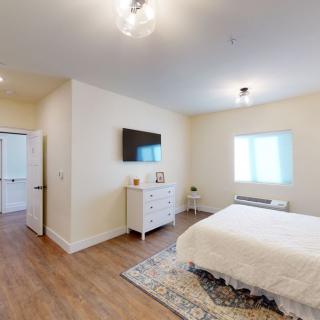
    • Private PrivatePrivacy is important for seniors as it allows them to maintain their independence, dignity, and sense of control over their own lives. It also gives them the space and freedom to relax, reflect, and engage in activities that bring them joy and fulfillment. Creating private spaces within senior living facilities is crucial for promoting overall well-being and quality of life.
    • Private bathrooms Private bathroomsPrivate bathrooms are important for seniors in senior living communities because they provide independence, dignity, and comfort. Having a private bathroom allows seniors to maintain their personal hygiene routines without the need for assistance, promoting a sense of autonomy and privacy. Additionally, private bathrooms help prevent the spread of infections and provide a safe and clean environment for seniors to navigate safely.
    • Respite or short term stays offered Respite or short term stays offeredRespite or short term stays provide seniors with a temporary solution when their regular caregiver is unavailable, offering them the opportunity to receive additional care and support during times of need, while also giving caregivers a chance to rest and recharge.
    • Wheelchair accessible showers Wheelchair accessible showersWheelchair accessible showers are crucial for seniors as they provide a safe and independent bathing option for those with mobility challenges. These showers help prevent falls and allow seniors to maintain their dignity and autonomy while ensuring they can bathe comfortably.

    Transportation

    • Phoenix Sky Harbor International (19 miles away) Phoenix Sky Harbor International (19 miles away)

    Care Services

    • Ambulatory care Ambulatory care"Ambulatory care services provide essential medical support and treatment to seniors without requiring hospitalization, allowing them to maintain their independence and quality of life while managing chronic conditions or receiving routine medical care."
    • Diabetic care Diabetic careDiabetic care is crucial for seniors as they are more susceptible to developing diabetes due to aging and other health conditions. Proper management of diabetes can help prevent complications such as heart disease, vision loss, and nerve damage, improving the overall quality of life for seniors in senior living communities.
    • High acuity care High acuity careHigh acuity care is important for seniors because it provides specialized medical attention and support for individuals with complex medical needs. This level of care ensures that seniors receive the appropriate treatment and assistance to maintain their health and quality of life as they age.
    • Incontinence care Incontinence careIncontinence care is essential for seniors to maintain their dignity, hygiene, and overall quality of life. By addressing incontinence issues promptly and effectively, seniors can enjoy a sense of independence and comfort in their daily activities.
    • Medication management Medication managementMedication management is crucial for seniors to ensure they are taking the right medications at the correct dosages and times. This helps prevent adverse drug interactions, reduces the risk of medication errors, and promotes overall health and well-being. Proactive management also allows for adjustments as needed based on changing health conditions or new prescriptions.

    Dining

    • Meals provided Meals provided"Meals provided" are crucial for seniors in assisted living communities as it ensures they have access to nutritious, balanced meals without the stress of meal planning and preparation. This can help promote overall health and well-being for seniors who may have limited mobility or cognitive abilities.
    • Vegetarian VegetarianA vegetarian diet is important for seniors because it can help lower the risk of chronic diseases, maintain a healthy weight, and provide essential nutrients needed for aging bodies. Additionally, plant-based diets are often easier on digestive systems and can contribute to overall well-being in older adults.

    Activities

    • Activities off-site Activities off-siteEngaging in off-site activities is crucial for seniors to maintain social connections, stay active, and stimulate their minds. It promotes overall well-being and helps combat feelings of isolation and loneliness.
    • Activities on-site Activities on-siteActivities on-site are important for seniors because they provide opportunities for socialization, mental stimulation, physical activity, and overall well-being. Engaging in activities can help seniors stay active, maintain their independence, and improve their quality of life.
    • Devotional activities offsite Devotional activities offsiteDevotional activities offsite are important for seniors because they provide social engagement, spiritual growth, and a sense of community outside of their living environment. This can improve overall well-being, mental health, and combat feelings of isolation or loneliness.
    • Devotional activities on-site Devotional activities on-siteDevotional activities on-site provide seniors with a sense of community, spiritual fulfillment, and emotional support, promoting overall well-being and a positive sense of purpose in their lives.

    Description

    Crystal Cove Home Care in Gilbert, AZ is a vibrant and welcoming assisted living community offering a wide range of amenities and care services to meet the individual needs of its residents. The community boasts a variety of on-site activities to keep residents engaged and entertained, as well as devotional services both on-site and off-site for those seeking spiritual support.

    The private accommodations at Crystal Cove Home Care include private bathrooms, ensuring maximum comfort and privacy for each resident. The community also offers respite or short term stays for individuals in need of temporary care. Additionally, the facility features wheelchair accessible showers, making it accessible to those with mobility challenges.

    Crystal Cove Home Care takes pride in providing specialized care services tailored to meet the unique needs of its residents. The experienced staff is trained in diabetic care, high acuity care, incontinence care, and medication management, ensuring that each resident receives personalized attention and assistance.

    Dining at Crystal Cove Home Care is designed to cater to various dietary preferences, with vegetarian options available. Residents can enjoy delicious meals prepared by professional chefs while socializing with fellow residents in the inviting dining area.

    In addition to the excellent amenities and care services offered within the community, Crystal Cove Home Care benefits from its proximity to various establishments in Gilbert. With six cafes, parks, pharmacies, physicians nearby, residents have convenient access to essential services and recreational opportunities. There are 35 restaurants located nearby for those who wish to explore culinary delights outside the community. Transportation options are readily available as well.

    Overall, Crystal Cove Home Care provides a warm and caring environment where seniors can thrive while receiving personalized assistance.

    Nearby Places of Interest

    This area of Gilbert, Arizona is a convenient and well-equipped location for senior living. With multiple pharmacies such as CVS and Walgreens within a short distance, accessing medication and healthcare services is easily manageable. There are also various physicians' offices nearby, including family medicine, gastroenterology, dermatology, and pediatric practices. In terms of dining options, there is a variety of restaurants offering different cuisines to cater to individual tastes. Additionally, recreational activities can be enjoyed at the nearby theaters like Superstition Springs 25 or at the beautiful parks like Riparian Preserve at Water Ranch. Transportation options are also readily available with the General Aviation Center and Phoenix-Mesa Gateway Airport close by. Places of worship provide spiritual support for those seeking it. Overall, this area offers a blend of convenience, amenities, and opportunities for leisure making it a desirable location for senior living in Gilbert.

    Pharmacies

    • CVS Pharmacy (1.4 miles)
    • Walgreens (1.4 miles)
    • Walgreens (1.7 miles)
    • CVS Pharmacy (2.6 miles)
    • CVS Pharmacy (2.6 miles)
    • Target Pharmacy (2.6 miles)
    • Walmart Pharmacy (2.9 miles)

    Physicians

    • Allen Family Medicine (1.5 miles)
    • Reddy GI Associates (1.6 miles)
    • Dermatology Solutions (2.2 miles)
    • Smith Dermatology (2.2 miles)
    • Parikh, Simul Banner Md Anderson Cancer Center (2.3 miles)
    • Arizona Pain (2.6 miles)
    • East Valley Pediatrics (2.7 miles)

    Restaurants

    • On The Border Mexican Grill & Cantina (1.7 miles)
    • Osaka Japanese Steakhouse (1.8 miles)
    • Carrabba's Italian Grill (1.8 miles)
    • MOD Pizza (2 miles)
    • Del Taco (2 miles)
    • McDonald's (2 miles)
    • Chipotle Mexican Grill (2.1 miles)

    Theaters

    • Superstition Springs 25 (1.8 miles)
    • Harkins Theatres SanTan Village 16 (4.4 miles)

    Cafes

    • Starbucks (2.1 miles)
    • Over Easy (2.2 miles)
    • Starbucks (2.9 miles)
    • Dutch Bros Coffee (3.4 miles)
    • The Human Bean (3.8 miles)
    • Panera Bread (3.9 miles)

    Parks

    • Riparian Preserve at Water Ranch (2.3 miles)
    • Ashley Heights Park (2.9 miles)
    • Finley Farms Park (3 miles)
    • Desert Sky Park (3.5 miles)
    • Greenfield Park (3.8 miles)
    • Crossroads Green Belt (4.2 miles)

    Transportation

    • General Aviation Center (3.6 miles)
    • Phoenix-Mesa Gateway Airport (AZA) (4 miles)

    Places of Worship

    • Church of Jesus Christ of Latter Day Saints (4.1 miles)
    • Saint Mary Magdalene Catholic Church (4.3 miles)
    • Church of Jesus Christ of Latter Day Saints (5 miles)

    Frequently Asked Questions

    How much does it cost to live at Crystal Cove Home Care in Gilbert, AZ?
    Where is Crystal Cove Home Care?

    Nearby Communities

    Related Resources

    • caregiver benefitsSupportive Employee Benefits That Help Caregivers Attain Better Work-Life Harmony

      The article emphasizes the critical role of supportive employee benefits for caregivers, advocating for flexible scheduling, paid leave, and mental health services to ease their challenges while enhancing employee well-being and organizational loyalty. It also highlights the importance of strong leadership in promoting these initiatives to foster a sustainable workplace culture that values caregivers.

    • best car for seniorsTop Cars for Senior Drivers and Essential Safety Innovations

      Senior drivers prioritize comfort, safety, and ease of use in vehicles due to age-related challenges, seeking features like easy entry, clear visibility, and modern driver-assistance technologies. Recommended models include the Subaru Forester, Honda CR-V, and Toyota Camry, with emphasis on test-driving for personal comfort and evaluating crash-test ratings alongside insurance considerations.

    • private pay home careA Closer Look at Private Pay Home Care

      Private pay home care offers a flexible caregiving option for older adults and families who don't qualify for government programs, allowing them to directly fund in-home care services that range from daily assistance to specialized support. This model's customization potential enables aging in place while addressing financial considerations through strategic planning options, though clients must navigate marketplace challenges and ensure quality compliance.


    Get Pricing Ask A Question Schedule A Tour Contact Senior Advisor