975 East Lodgepole Drive, Gilbert, AZ 85298
For more information about senior living options: (866) 208-4318
Overall Review of Caissa Assisted Living Home
Pros
 Lilibeth and her crew provided amazing care in the final months.
- The staff cared for residents as if they were family.
- Caissa House offers multiple locations and room options to fit residents' needs.
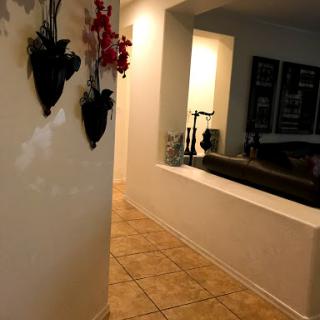
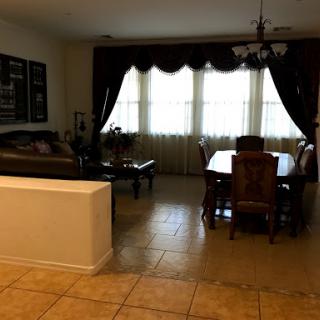
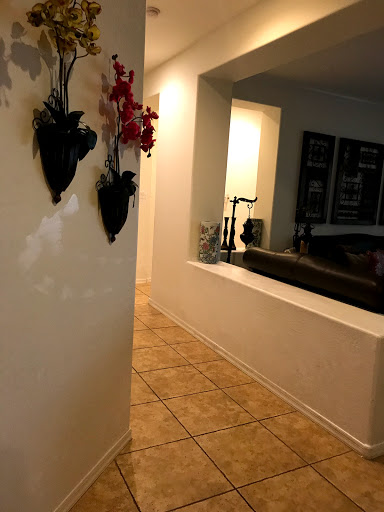
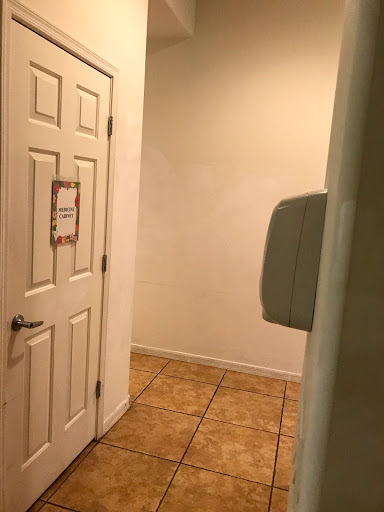
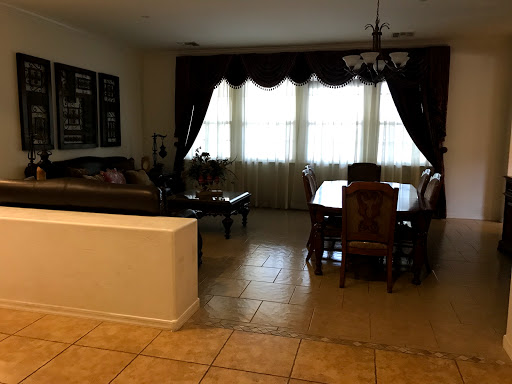
- The facility is clean, large, well furnished and nicely decorated.
- The staff are attentive and follow pandemic protocols.
- Nurse Christine is a wonderful caregiver.
- Lead nurse Lilibeth communicates well and provides information promptly.
- Caissa Felty Farms is well maintained with polite and courteous staff and tasty meals.
Cons
 There have been three incidents where residents wandered around unattended and left the residence.
- A man was trapped in the courtyard yelling late at night, scared and unwilling to go back.
- A frightened resident was chased down the street as she was falling and hurting herself.
- The reviewers warn prospective families about a perceived lack of care.
- The phone number has not been working for weeks, preventing them from checking on a loved one.
- They are considering requesting a welfare check due to the communication issues.
Review
Caissa Assisted Living Home in Gilbert is best suited for families seeking a warm, home-like atmosphere where care is personal, affordable, and adaptable. This community earns credibility for caregivers who treat residents like family, with the option to choose among several locations and different room configurations as needs evolve. It is a practical fit for seniors who value stability in staffing and a straightforward, low-key lifestyle rather than a hospital-like setting. Those with a strong emphasis on highly structured oversight, constant real-time updates, or premium amenities should consider alternatives that offer more robust safety protocols and more polished operational systems. In short, Caissa works best when the priority is genuine caregiving warmth and flexibility over upscale polish or relentless, always-on communication.
The strongest positives revolve around the staff and the sense of family care. Several families describe caregivers who were deeply attentive, with Lillibeth and Christine singled out for dependable communication and compassionate service. The care delivered over the long term is repeatedly framed as responsible and loving, lifting the burden on families who cannot be present full-time. Affordability is repeatedly noted as a practical advantage, enabling families to secure consistent care without draining resources. The facility’s openness to multiple locations and room options adds a practical flexibility for relocations within the same network or for adjusting living arrangements as needs change. Cleanliness, generous common areas, and a well-maintained, well-furnished environment contribute to a comfortable daily experience. Overall, the combination of approachable staff and affordable, adaptable housing options makes Caissa a credible choice for many.
There are clear, real concerns that prospective residents should weigh against those strengths. Communication can falter when phone access is unreliable; several reviews report voicemail boxes that fill up and lines that are not consistently reachable, creating anxiety for families trying to check on loved ones. More troubling are safety-related incidents cited by neighbors, including wandering residents going unattended, people entering the property in distress, and even a resident trapped in the courtyard at night. Such episodes suggest gaps in supervision and wander-management that cannot be ignored, especially for families prioritizing safety and rapid, proactive communication. A welfare-check impulse underscores how critical dependable contact with staff is for peace of mind. These red flags do not erase the positives, but they do demand a clear plan and verification before placement, since they affect both daily security and ongoing transparency.
When weighing the positives against the negatives, the core strength remains the caregiving relationship. The warmth and steadiness of the staff, paired with meaningful continuity in care providers and medications, create a foundation that can offset some logistical gaps. A stable environment, reflected in low turnover in at least one view, reduces the stress of new faces and helps residents settle in. The large, well-appointed spaces, coupled with dining and activity rooms, contribute to a sense of normalcy and community, making everyday routines more pleasant. For families where the primary need is reliable, compassionate day-to-day care at an affordable price, these elements can carry significant weight. The practical take is that Caissa’s staff-driven, home-like approach can outsize some operational hiccups when the priority is steady, comfortable caregiving.
However, it is prudent to consider alternatives if salvaging the day-to-day sense of security and accessibility is non-negotiable. Facilities with stronger wander-control protocols, more robust on-site security, and more proactive, timely communication systems may be preferable for families with significant safety concerns or frequent need for rapid updates. For those who expect consistently prompt phone accessibility, transparent incident reporting, and a formalized response plan to wandering or public-safety concerns, another community may deliver more peace of mind. Similarly, families seeking high-end dining experiences, advanced rehabilitative services, or a more clinical atmosphere might find Caissa’s home-like setting insufficient. In the end, the decision hinges on whether warmth, flexibility, and affordability are the non-negotiables, or whether tighter supervision, streamlined communication, and enhanced safety infrastructure carry equal or greater weight.
The practical path forward is straightforward. Schedule a guided visit and insist on meeting the lead nurse and the care team who would be assigned to the resident. Request a transparent run-through of contact methods, direct lines, and expected response times, and verify how frequently calls and messages are answered. Ask about wander-prevention measures, staff-to-resident ratios during peak hours, and the specific procedures if a resident experiences disorientation or attempts to leave the building. Review meal times, medication administration processes, and the daily schedule to gauge consistency. Check where the closest location is and whether transferring between sites is feasible without upheaval. If the priorities align with warmth, affordability, and a family-like ethos, Caissa offers a credible, practical option in Gilbert. If safety reliability and real-time updates take precedence, it is wise to compare alternatives with stronger safeguards and more dependable communication networks before making a final commitment.
 9 resident community capacity
 Assisted Living
 Board and Care Home
 Respite Care
 Cable or satellite TV
 Dining room
 Fully furnished
 Garden
 Housekeeping services
 Move-in coordination
 Outdoor space
 Telephone
 Wi-Fi/high-speed internet available
 Phoenix Sky Harbor International (19 miles away)
 24-hour supervision
 Activities of daily living assistance
 Assistance with bathing
 Assistance with dressing
 Assistance with transfers
 Diabetes diet
 Meal preparation and service
 Medication management
 Special dietary restrictions
 Transportation arrangement (medical)
 Transportation to doctors appointments





 Senior Transition Services: Understanding Their Role, Cost, and Importance
 Exploring the Path to Senior Living: A Comprehensive Look at Independent Living and Assisted Living
 Is Assisted Living Deductible on Your Taxes? Understanding the Complexities of Assisted Living Expenses and Deductions