
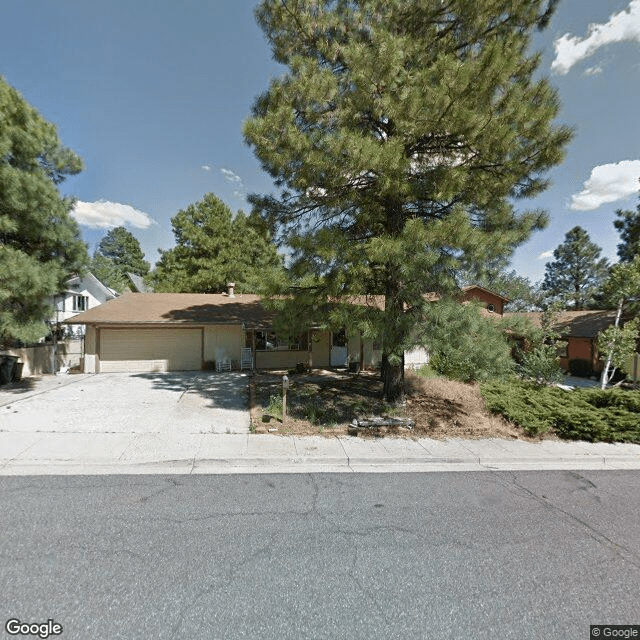
3620 North Walker Street, Flagstaff, AZ 86004
For more information about senior living options: (866) 208-4318
Eldercare Springs Costs & Pricing
Eldercare Springs offers a competitive pricing structure for its private rooms, with a monthly cost of $2,700. This rate is significantly lower than the average costs found in Coconino County, which stands at $4,668, and also below the statewide average in Arizona of $3,345. This pricing not only reflects a commitment to affordability but also positions Eldercare Springs as an appealing option for families seeking quality eldercare while managing their budgets. The substantial savings when compared to local and state averages may provide families with greater flexibility in ensuring their loved ones receive the care they deserve without excessive financial strain.
| Floor plans | Eldercare Springs | Coconino County | Arizona |
|---|---|---|---|
| Private | $2,700 | $4,668 | $3,345 |
Assisted Living communities with a similar price nearby
-
from -$200 / mo

Pine Meadows Ranch
$2,500 to $4,000 / month4.5 miles away
Overall Review of Eldercare Springs
Pros
 The reviewer had known the facility owners for over ten years and chose Flagstaff Care Homes for rehabilitation after an accident.
- The mom was very loved, and the owner and staff were wonderful.
- The reviewer is grateful to have found them.
Review
Eldercare Springs in Flagstaff is best suited for seniors who value a warm, relationship-driven environment and for families seeking a post-acute or rehabilitation stay where ownership is actively involved in daily care. The consistent thread in the feedback is a sense of familiarity and trust: the owners have long-standing ties in Flagstaff’s elder-care landscape, and when a resident needed rehabilitation after an accident, the choice fell to Flagstaff Care Homes for the stay. Families describe residents as very loved, and repeatedly praise the owner and staff as wonderful. That combination, personal accountability from the owners and a staff culture oriented toward personal connection, renders Eldercare Springs an appealing option for those who prioritize feeling seen and cared for over bells and whistles.
Those who should consider alternatives are families facing strong needs for extensive clinical oversight, memory-care specialization, or budget-conscious planning. If a resident requires high nurse-to-resident ratios, advanced wound care, complex medical management, or dedicated memory-care programming, a larger, more resource-rich facility may better meet those demands. The reviews offer no explicit critique on clinical breadth, which means due diligence is still essential: ask pointed questions about 24/7 nursing coverage, on-site therapy availability, and how care plans are coordinated with external physicians. For families seeking a hospital-like level of medical intensity, this may not be the most suitable setting.
The core strengths lie in the personal touch and the stability of leadership. The most compelling pros are owner involvement and a staff culture built on genuine affection for residents, with explicit notes that loved ones feel their relatives are cherished. The rehab experience, cited as a reason for choosing the community during a recovery period, suggests a focused capability to support short-term post-acute needs. This combination, hands-on ownership, consistent staffing, and a family-like environment, translates into predictable routines, attentive monitoring, and a sense of security for families who want assurance that their loved one is not merely housed but cared for with warmth.
Those strengths offset potential gaps by delivering outcomes that families value deeply: trust, continuity, and emotional well-being. When owners are actively involved, families are less likely to confront abrupt staff turnover or impersonal care. The prospect of a calming, familiar atmosphere often makes up for a lack of sprawling amenities or an Broadway-style calendar of events. The rehab-oriented focus also means that residents who need short-term recovery support can receive attentive, goal-driven therapy without feeling like one more case in a large facility. In short, the practical benefits of a tight-knit team and a clearly invested leadership structure often outweigh the drawbacks of operating on a smaller scale.
Nevertheless, a balanced decision requires recognizing potential limitations. The reviews provide no explicit red flags, but the absence of detail about long-term medical complexity, specialized memory-care programming, or expansive clinical resources suggests certain boundaries should be acknowledged. Families should verify whether ongoing therapies, medication management, and emergency response capabilities meet the resident’s evolving needs. If a resident’s condition is expected to require intensive or highly specialized care over time, the comfort and warmth of a small, owner-led setting may become less sufficient, making a transition to a larger, more medically oriented community prudent down the line.
Bottom line: Eldercare Springs is a highly defendable choice for families prioritizing authentic, person-centered care, where owners are clearly committed to residents’ well-being and where rehab and post-acute recovery are treated with particular seriousness. For seniors who thrive on consistent relationships, a calm, intimate setting, and care teams that feel like a family, this community delivers tangible peace of mind. Prospective residents should schedule a visit, ask detailed questions about staff ratios, care planning processes, and the availability of on-site therapies, and confirm alignment with the anticipated level of medical oversight. If those criteria fit, Eldercare Springs stands out as a practical, experienced option built on trust and genuine affection for residents.
 7 resident community capacity
 Assisted Living
 Board and Care Home
 Cable or satellite TV
 Dining room
 Fully furnished
 Garden
 Housekeeping services
 Move-in coordination
 Outdoor space
 Private
 Telephone
 Wi-Fi/high-speed internet available
 Flagstaff Pulliam (7 miles away)
 24-hour supervision
 Activities of daily living assistance
 Assistance with bathing
 Assistance with dressing
 Assistance with transfers
 Diabetes diet
 Meal preparation and service
 Medication management
 Special dietary restrictions
 Transportation arrangement (medical)
 Transportation to doctors appointments

 Beyond the Bingo Hall: 50+ Enriching Activities for Seniors in Assisted Living
 Understanding the Distinctions: Assisted Living and Memory Care Explained
 Guiding Elderly Parents Who Refuse Assisted Living: 6 Practical Steps