Aspire Transitional Care

Save

Aspire Transitional Care

1521 North Pine Cliff Drive, Flagstaff, AZ 86001

For more information about senior living options: (844) 490-3973

3.6 from 23 reviews
5 stars
12
4 stars
2
3 stars
1
2 stars
3
1 stars
5

Assisted Living

Overall Review of Aspire Transitional Care

Pros

  • pro The experience at Aspire was great, and the staff were wonderful.
  • pro The staff were efficient, kind, well-organized, and demonstrated strong teamwork.
  • pro Brian, Aspire's Nurse Practitioner, was personable and genuinely cared about the patient's condition.
  • pro Maggie Brinkley was extremely helpful in coordinating care and logistics.
  • pro Aspire's nurses, CNAs, and other staff were consistently nice and professional.
  • pro Aspire provided transportation to the memory care facility, easing transitions.
  • pro The PT and OT teams were fantastic, with Beau, Kyla, Laura, and Allison receiving high praise.
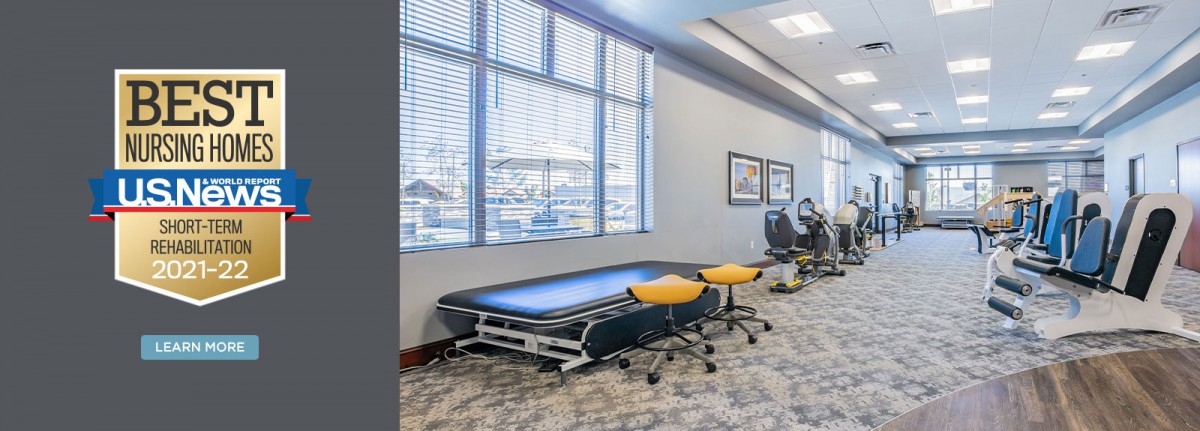
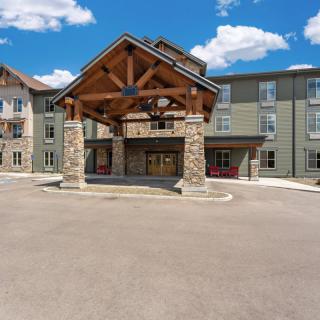
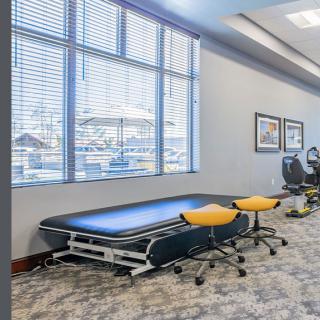
  • pro The building is beautiful, new, and comfortable, with a rehab gym onsite.
  • pro Maggie in social services and Keith the executive director were supportive advocates for patients and families.

Cons

  • pro A reviewer said a PA refused to authorize medications prescribed by the surgeon, describing the PA as smirky and arrogant and rarely on-site.
  • pro A RN was accused of ignoring a patient's request for help for nearly an hour, prompting intervention by management.
  • pro The head-nurse, nicknamed "Nurse Ratchet," allegedly stormed into the room and interrogated the patient in defense of a colleague.
  • pro The food was described as barely edible for the first four days, with meals consisting of dry bread and bologna and no condiments.
  • pro A reviewer claimed to have lost 15 pounds in one week due to inadequate care and lack of therapy.
  • pro The facility was labeled fraudulent and dangerous, with claims of nonexistent medical care and denial of medications that had worked for the patient.
  • pro A reviewer alleged discrimination against Native American patients, accusing staff of neglect and language barriers that hindered help.

Review

Aspire Transitional Care in Flagstaff emerges from these varied accounts as a facility that many families found highly capable, compassionate, and well-run, while a smaller subset of experiences paints a very different picture. Across multiple stays and visits, reviewers described Aspire as a modern, comfortable environment with attentive staff, strong therapy programs, and effective coordination that helped families navigate transitions to home or to memory-care communities. In one thread of praise, families highlighted the private rooms with individual bathrooms, dependable meal service delivered to the room, in-room amenities like DirectTV and climate control, and a large, well-equipped physical therapy area. The overall impression was of a place that could gently stabilize and rehabilitate patients who had recently fallen ill or undergone surgery, with a consistent emphasis on maintaining dignity and comfort.

A recurring theme in the positive reviews is the preparedness and empathy of the clinical and administrative team. Brian, Aspire's Nurse Practitioner, is repeatedly described as personable, thorough, and genuinely invested in a patient's progress, while Maggie Brinkley, who oversees social services and coordination, is consistently praised for going above and beyond to handle practical logistics. Maggie's ability to coordinate with insurance, set up memory-care transitions, arrange transportation, and keep families informed is highlighted as a key factor in successful outcomes. In one family's experience, Maggie arranged four memory-care facility visits, facilitated the transition to a chosen facility, and ensured Aspire handled transportation for the move. The nursing staff - names like Sydney, Preston, and Abbey - are described as consistently attentive, communicative, and supportive, with the sense that they truly cared about the patient's well-being and morale.

Therapy staff also receive strong commendations. The PT and OT teams are depicted as capable, creative, and encouraging, with therapists like Beau noted for tailoring rehabilitation to each patient's needs and limitations. The onsite gym and the range of therapy equipment are repeatedly mentioned as enabling progress, with families appreciating that therapy is not just routine but oriented toward regaining function and confidence. Several accounts emphasize the collaborative atmosphere among nurses, therapists, and other caregivers, and the way the team balances pushing a patient to regain independence with respecting medical and cognitive limits. The entire care ecosystem - nutrition, housekeeping, and administrative support - gets positive notes for reliability and responsiveness, underscoring a holistic sense of care beyond just medical treatment.

The narratives also include powerful, hopeful stories of transition and recovery. One reviewer recounts accompanying a grandmother through a successful rehab course after a hip fracture, praising the dedication of the nursing and therapy teams, the supportive social workers, and the manner in which staff kept the family informed and reassured. In another testament, a caregiver describes visiting in late spring after a knee surgery and finding that the staff's efforts helped the patient regain mobility and independence, with nutrition staff accommodating dietary preferences and needs. The sense conveyed is that Aspire can be a pivotal, uplifting stage in recovery, especially when families need a supportive environment that bridges hospital care and home - or a more suitable memory-care setting - while addressing complex insurance and transition logistics.

Amid the positive experiences, there are strong, specific concerns raised by some reviewers that cannot be overlooked. One long and highly critical account details a painful experience involving acute medication management and pain control, describing a patient who felt unheard and inadequately treated for pain, with a perception that temporary staff or administrators were slow to address urgent needs. This account also mentions poor on-site continuity - an absence of the primary physician during a critical period - and a confrontational interaction with a head nurse that left the patient feeling unsafe and dismissed. In that narrative, the patient reported delays in therapy, food that was not nourishing, and a belief that the care plan did not align with the patient's long-standing medical requirements or the advice of his own physicians. The review ends with a strong sense of being discharged into a precarious situation, and a feeling that promises of follow-up and improvements were not fulfilled.

Another review presents a charged, multifaceted critique that includes allegations of neglect and discrimination. The author asserts that certain staff members, including the executive director and a nurse named Makayla, acted in a biased manner toward Native American patients, implying that resources or attention were unevenly distributed. The reviewer urges prospective families to personally verify the treatment of loved ones and to consider bringing them home if possible, painting a picture of systemic disregard that stands in stark contrast to the facility's more widely praised experiences. While this account focuses on perceived inequities and mistreatment, it is paired with broader claims about mismanagement of funds and a sense that some patients were left underserved, raising questions about consistency and equity in care.

A remarkably strong negative perspective is also offered by another reviewer who describes Aspire as lacking legitimate medical oversight and critical therapeutic engagement. In this account, care is framed as primarily room-focused, with minimal physical therapy and persistent sleep rather than active rehabilitation. The reviewer claims medication changes were inappropriate or delayed, and that the care team failed to coordinate with the patient's VA-provided medications, leading to significant distress and potential health risks. Accusations extend to the unwillingness of certain leaders to address concerns, a perception of punitive response to complaints, and a sense that discharge planning could endanger the patient's safety by moving them before adequate stabilization. The tone is grim, portraying Aspire as a place with serious, potentially dangerous gaps in medical care and patient advocacy.

Taken together, these reviews paint a nuanced picture of Aspire Transitional Care. For many families, it is a well-run facility with modern rooms, solid amenities, and a capable, compassionate team that can shepherd patients through physical rehabilitation and complex transitions. The positive experiences emphasize individualized attention, effective communication, and reliable coordination - factors that often make the difference in recovery trajectories and in the peace of mind for families facing difficult decisions. Yet the more critical accounts underscore real and valid concerns about how pain management, medical oversight, and equity of care are handled in practice, and they call for ongoing vigilance, transparent communication, and consistent leadership to ensure every patient feels heard, safe, and appropriately treated.

If you or a loved one is considering Aspire, these accounts suggest a careful, proactive approach. Speak early and often with the NP, the social services director, and the nursing leadership about your goals for recovery, your pain management preferences, and your insurance pathway. Request detailed, written care plans and regular updates, and verify the schedule for therapy sessions and physician reviews. In addition, consider parallel arrangements for transition planning, especially if moving toward memory care or home discharge, and don't hesitate to request a second opinion or a patient advocate if there are any concerns about the trajectory of care. The stories above collectively highlight both the potential for meaningful improvement within Aspire and the imperative to remain engaged and informed throughout the rehabilitative journey.

Features

Housing

  • 50 resident community capacity 50 resident community capacity

Types of Care

  • Assisted Living Assisted LivingAssisted living facilities provide crucial support and care for seniors who may need help with daily tasks such as medication management, bathing, and meal preparation. These communities offer a safe and comfortable environment where seniors can maintain their independence while receiving the assistance they need to thrive in their golden years.

Amenities

  • Beauty salon Beauty salonBeauty salons are important for seniors because they provide a space for them to feel pampered, socialize, and maintain their personal grooming and hygiene. Regular visits to a beauty salon can help boost seniors' self-esteem and overall well-being.
  • Cable or satellite TV Cable or satellite TVCable or satellite TV is important for seniors because it provides entertainment, news, and companionship, helping to combat loneliness and boredom. It also offers a wide range of programming options tailored to different interests and preferences.
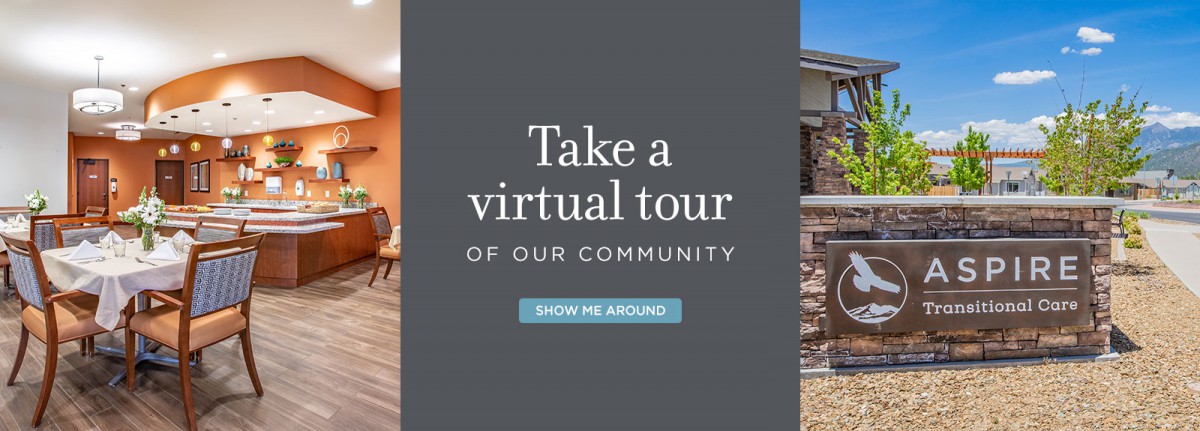
  • Dining room Dining roomDining rooms are important for seniors as they provide a space for socialization, connection, and nutritious meals. They offer opportunities for residents to bond over shared meals, foster a sense of community, and promote healthy eating habits. Dining rooms also ensure that seniors have access to well-balanced meals tailored to their dietary needs and preferences.
  • Fully furnished Fully furnishedFully furnished senior living communities are important for seniors because they provide convenience, comfort, and a hassle-free moving experience. Seniors can easily settle into their new living space without the stress of having to buy and move furniture. This allows them to focus on enjoying their new home and community.
  • Garden GardenGardens are important for seniors as they provide a peaceful and therapeutic environment for relaxation, physical activity, and socialization. Being in nature has been shown to reduce stress, improve mood, and promote overall well-being. Gardens also offer opportunities for seniors to engage in gardening activities, which can improve mobility, flexibility, and cognitive function. Additionally, gardens create a sense of community and connection with others who share a passion for plants and outdoor spaces.
  • Housekeeping services Housekeeping servicesHousekeeping services are important for seniors because they help maintain a clean and safe living environment, promote independence, and reduce the risk of accidents or illnesses. Additionally, having assistance with household chores can alleviate physical strain and allow seniors to focus on other aspects of their well-being.
  • Kitchenette KitchenetteKitchenettes are important for seniors living in senior living communities because they provide the convenience and independence of being able to prepare simple meals and snacks in the comfort of their own living space. This can help promote a sense of autonomy and well-being for seniors, allowing them to maintain some level of control over their dietary choices and daily routines.
  • Move-in coordination Move-in coordinationMove-in coordination is important for seniors because it helps ease the transition into their new living environment. It ensures that all logistics, such as packing, organizing movers, and setting up utilities are taken care of, allowing seniors to focus on settling in and adjusting to their new home. Having a smooth move-in process can alleviate stress and anxiety, making the transition smoother and more enjoyable for seniors.
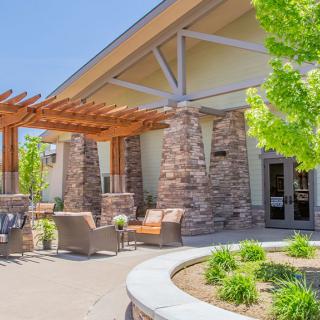
  • Outdoor space Outdoor spaceOutdoor spaces are important for seniors as they provide opportunities for physical activity, social interaction, exposure to natural light and fresh air, and a sense of connection to nature. Having access to outdoor spaces can improve overall well-being and quality of life for older adults living in senior communities.
  • Telephone TelephoneTelephones are important for seniors as they provide a lifeline for communication with loved ones, emergency services, and healthcare providers. They offer a sense of security and independence, enabling seniors to stay connected and access assistance when needed.
  • Wi-Fi/high-speed internet available Wi-Fi/high-speed internet availableWi-Fi/high-speed internet is important for seniors to stay connected with loved ones, access online resources, and participate in virtual activities to combat feelings of loneliness and isolation. It also allows them to easily manage healthcare needs, access entertainment, and engage in lifelong learning opportunities.

Transportation

  • Flagstaff Pulliam (5 miles away) Flagstaff Pulliam (5 miles away)

Care Services

  • 24-hour call system 24-hour call system24-hour call systems are important for seniors because they provide peace of mind and immediate assistance in case of emergencies. This technology ensures that help is always available, promoting safety and security for elderly individuals living alone or in assisted living facilities.
  • 24-hour supervision 24-hour supervision24-hour supervision is important for seniors to ensure their safety, well-being, and access to immediate assistance in case of emergencies or health issues. This constant support provides peace of mind for both seniors and their loved ones, allowing them to age in place with dignity and security.
  • Activities of daily living assistance Activities of daily living assistanceActivities of daily living assistance are important for seniors because they provide essential support with tasks such as eating, bathing, dressing, and mobility. This assistance helps seniors maintain their independence, dignity, and overall quality of life as they age.
  • Assistance with bathing Assistance with bathingAssistance with bathing is crucial for seniors as it helps maintain personal hygiene, prevents infections, and ensures their overall well-being and comfort. It also provides a sense of dignity and independence for seniors who may struggle with this task on their own.
  • Assistance with dressing Assistance with dressingAssistance with dressing is important for seniors because it helps maintain their independence, promotes personal hygiene, prevents accidents and injuries, and improves overall quality of life. This service ensures that seniors can continue to dress comfortably and confidently, despite any physical limitations they may have.
  • Assistance with transfers Assistance with transfersAssistance with transfers is crucial for seniors as it helps prevent falls and injuries, maintains their independence, and ensures they can safely navigate their living environment. It also provides peace of mind for both seniors and their loved ones.
  • Coordination with health care providers Coordination with health care providersCoordination with health care providers is crucial for seniors to ensure proper medical care, medication management, and overall well-being. This collaboration helps prevent overlapping treatments, track progress more effectively, and provide comprehensive support tailored to individual needs.
  • Diabetes diet Diabetes dietA diabetes diet is crucial for seniors as it helps manage blood sugar levels, reduce risks of complications, and improve overall health and well-being. By following a balanced and nutritious diet tailored to their specific needs, seniors can better control their diabetes and enhance their quality of life.
  • Meal preparation and service Meal preparation and serviceMeal preparation and service are crucial for seniors as they may have limited mobility or energy to cook nutritious meals. Having access to healthy and convenient food options can ensure they are getting the proper nutrition needed to maintain their overall health and well-being.
  • Medication management Medication managementMedication management is crucial for seniors to ensure they are taking the right medications at the correct dosages and times. This helps prevent adverse drug interactions, reduces the risk of medication errors, and promotes overall health and well-being. Proactive management also allows for adjustments as needed based on changing health conditions or new prescriptions.
  • Mental wellness program Mental wellness programMental wellness programs are essential for seniors as they promote cognitive stimulation, emotional support, and social engagement. These programs help prevent isolation, depression, and cognitive decline, ultimately enhancing the overall quality of life for older adults.
  • Special dietary restrictions Special dietary restrictionsSpecial dietary restrictions are important for seniors because age-related changes in metabolism and health conditions can make it difficult for their bodies to process certain foods. By following a diet tailored to their specific needs, seniors can maintain their overall health and well-being, manage chronic conditions, and reduce the risk of complications such as malnutrition or food interactions with medications.
  • Transportation arrangement (medical) Transportation arrangement (medical)Transportation arrangements for medical purposes are essential for seniors as they may have difficulty driving themselves to appointments or accessing public transportation. Having reliable and safe transportation options ensures that seniors can receive timely medical care and maintain their health and well-being.
  • Transportation to doctors appointments Transportation to doctors appointmentsTransportation to doctors' appointments is crucial for seniors as it ensures they have access to necessary medical care and support for their health needs. Without reliable transportation, seniors may struggle to attend important appointments, leading to potential delays in treatment and health complications. Providing transportation services helps seniors maintain their overall well-being and quality of life.

Dining

  • Diabetes diet Diabetes dietA diabetes diet is crucial for seniors as it helps manage blood sugar levels, reduce risks of complications, and improve overall health and well-being. By following a balanced and nutritious diet tailored to their specific needs, seniors can better control their diabetes and enhance their quality of life.
  • Special dietary restrictions Special dietary restrictionsSpecial dietary restrictions are important for seniors because age-related changes in metabolism and health conditions can make it difficult for their bodies to process certain foods. By following a diet tailored to their specific needs, seniors can maintain their overall health and well-being, manage chronic conditions, and reduce the risk of complications such as malnutrition or food interactions with medications.

Activities

  • Community-sponsored activities Community-sponsored activitiesCommunity-sponsored activities are important for seniors as they provide opportunities for social interaction, mental stimulation, and physical activity. These activities can help improve overall well-being, combat loneliness and isolation, and promote a sense of belonging and purpose among older adults.
  • Resident-run activities Resident-run activitiesResident-run activities are important for seniors as they encourage social interaction, creativity, and a sense of autonomy. These activities empower seniors to stay engaged and active in their community while fostering meaningful connections with their peers.
  • Scheduled daily activities Scheduled daily activitiesScheduled daily activities are important for seniors because they provide structure, socialization, mental stimulation, and physical activity. Engaging in regular activities can improve overall well-being and quality of life for seniors living in a community setting.

Description

Aspire Transitional Care in Flagstaff, AZ is a premier assisted living community that offers a comfortable and supportive environment for seniors. Our residents enjoy a range of amenities to enhance their daily lives, including cable or satellite TV, a dining room for communal meals, fully furnished accommodations, access to a beautiful garden, housekeeping services to keep their living space clean and organized, a kitchenette for personal meal preparation, move-in coordination assistance, outdoor spaces to relax and socialize in, telephone access for easy communication with loved ones, and Wi-Fi/high-speed internet connectivity.

At Aspire Transitional Care, we prioritize the well-being of our residents by providing 24-hour supervision and assistance with activities of daily living such as bathing, dressing, and transfers. Our dedicated staff also coordinates with healthcare providers to ensure comprehensive care for each resident. We offer specialized services like diabetes diet management and medication management to support specific health needs. Additionally, our mental wellness program is designed to promote emotional and cognitive health among residents.

Our community takes special dietary restrictions into consideration when preparing meals, ensuring that everyone's nutritional needs are met. Residents can also participate in resident-run activities and enjoy scheduled daily activities that encourage engagement and socialization.

Located in Flagstaff, AZ, Aspire Transitional Care benefits from its proximity to various amenities in the surrounding area. With nine cafes nearby and an abundance of restaurants within a short distance from the community, residents have plenty of dining options to explore. Two parks provide opportunities for outdoor recreation and leisurely walks. There are pharmacies conveniently located nearby for easy access to medications. The presence of 32 physicians ensures prompt medical attention when needed. Additionally, transportation arrangements are available both for medical appointments and other purposes. For those seeking spiritual fulfillment or religious practice, there are five places of worship situated close by. Lastly, three hospitals nearby offer peace of mind knowing that quality healthcare services are easily accessible.

At Aspire Transitional Care in Flagstaff, AZ, we strive to provide a welcoming and supportive environment for seniors, promoting their overall well-being and ensuring they have access to various amenities and services.

Nearby Places of Interest

Physicians

  • Northern Arizona Dermatology Center (0.3 miles)
  • Yuri M. Lewicky, MD (0.4 miles)
  • Urgent Ortho (0.4 miles)
  • Northern Arizona Orthopaedics (0.4 miles)
  • Flagstaff Obgyn (0.4 miles)
  • John William Knutson (0.4 miles)
  • Dr Osvelia G Deeds Lllc (0.4 miles)

Hospitals

  • Ambulatory Surgi-Center At Fmc (0.6 miles)
  • Northern Arizona Healthcare Laboratory (0.6 miles)
  • FMC Administrative Offices West Campus 4th Floor (0.6 miles)

Places of Worship

  • Grace Fellowship Church (0.6 miles)
  • Church of Jesus Christ of Latter Day Saints (0.8 miles)
  • Nativity of the Blessed Virgin Mary Chapel (0.9 miles)
  • Nueva Vida Internacional 2021 N 2nd St Flagstaff (1.1 miles)
  • Bible Baptist Church (1.2 miles)

Restaurants

  • Sportsman's Bar & Grill (0.7 miles)
  • Mama Burger (0.7 miles)
  • Josephines Restaurant (0.8 miles)
  • Culver's (0.9 miles)
  • Agave Mexican Restaurant (0.9 miles)
  • Kachina Restaurant (0.9 miles)
  • Diablo Burger (0.9 miles)

Parks

  • Buffalo Park (0.7 miles)
  • Wheeler Park (1.1 miles)

Cafes

  • Starbucks (0.9 miles)
  • Wicked AZ Coffee - Downtown (0.9 miles)
  • Firecreek Coffee Company (1 miles)
  • Single Speed Coffee (1.1 miles)
  • Tourist Home Urban Market (1.1 miles)
  • Dutch Bros Coffee (1.1 miles)
  • Cedar House Coffee Shop (1.2 miles)

Pharmacies

  • Fry's Pharmacy (0.9 miles)
  • Wadhams Apothecary (1 miles)
  • Safeway Pharmacy (1.2 miles)
  • Walgreens (1.3 miles)
  • Walmart Pharmacy (1.3 miles)

Transportation

  • U-Haul Moving & Storage (1 miles)
  • Amtrak (1 miles)
  • Greyhound: Bus Stop - Flagstaff Transportation (1.1 miles)

Frequently Asked Questions

Where is Aspire Transitional Care?
What photos are available for Aspire Transitional Care in Flagstaff, Arizona?

Nearby Communities

Related Resources

  • assisted living waiver programA Detailed Exploration of Assisted Living Medicaid Waivers Across the United States
    Medicaid waivers for assisted living services provide vital support for seniors and individuals with disabilities in need of long-term care, with varying state-specific eligibility criteria and benefits. These waivers cover personal care and case management but often do not fully cover room and board, leading to waiting lists for many applicants.

  • assisted living for disabled adultsComprehensive Residential Support and Assisted Living Solutions for Individuals with Disabilities

    The article examines the complexities of assisted living for individuals with disabilities, emphasizing the need for tailored care solutions that enhance quality of life and social inclusion, while addressing financial challenges and advocating for community integration. It discusses various housing options, the importance of financial assistance through public benefits, and highlights trends towards integrated and technology-driven solutions in disability-focused housing.

  • assisted living for disabled adultsComprehensive Supportive Living Arrangements for Adults with Disabilities


    Assisted living for adults with disabilities has transformed to provide personalized care and support services aimed at improving residents' quality of life while balancing independence and assistance. However, low-income individuals often face challenges in affording these services, requiring navigation of various financial resources and advocacy for better policies and solutions.