For more information about senior living options: (866) 208-4318
3.2 from 35 reviews
5 stars
14
4 stars
6
3 stars
2
2 stars
0
1 stars
13
Austin House Assisted Living Costs & Pricing
Austin House Assisted Living offers a competitive pricing structure when compared to both Yavapai County and the wider Arizona region. For a semi-private room, residents can expect to pay $2,730 per month, which is notably lower than the county average of $2,930 and aligns closely with the state average of $2,820. This positioning not only reflects Austin House's commitment to providing quality care at an affordable rate but also highlights its value proposition within the market. By offering a cost-effective option without compromising on service quality, Austin House Assisted Living stands out as an appealing choice for families seeking supportive living arrangements in the area.
Floor plans
Austin House Assisted Living
Yavapai County
Arizona
Semi-Private
$2,730
$2,930
$2,820
Skilled Nursing Facilities with a similar price nearby
Caregivers are frequently described as attentive, patient, and invested in residents.
Many reviews highlight staff who treat residents with compassion and respect, and who go beyond basic duties. Several family members also mention day-to-day communication that helps them feel updated and reassured. A smaller set of reviews raises concerns about neglect, disrespectful behavior, and poor follow-through, including problems with medication, staffing availability, and calls being returned.
differentiator10 reviews mention this
Dementia care and secure support
Residents with Alzheimer’s or dementia appear to receive specialized support.
Multiple reviews describe dementia-specific care, including a secure area for wandering and staff who understand what to do for advanced Alzheimer’s. Families also mention dementia-related routines and individualized needs being handled on-site, along with updates during the day. Reviews also describe regular brain-stimulation activities, though a few negative comments claim behavior plans or care for dementia units are not handled as promised.
common7 reviews mention this
Food quality gets mixed reactions
Dining satisfaction varies, with some residents praising well-prepared meals.
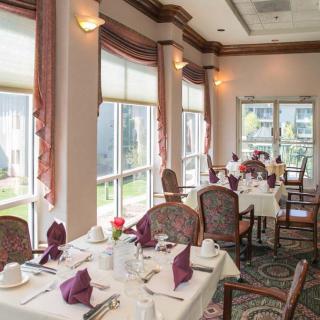
Several reviews say the food is good or delicious, and some mention diet changes being handled appropriately when health issues come up. Other reviews criticize the food as disgusting or overly frozen, and those same commenters also describe broader concerns about consistency of care. At least one reviewer also notes the dining area feels comfortable.
caveat2 reviews mention this
Pricing feels reasonable to some
Some reviews question the cost or fee structure.
One review calls out a one-time property upkeep fee as excessive and links that complaint to broader dissatisfaction with the facility. Another reviewer describes the price as good value while also noting room-size tradeoffs, suggesting opinions vary depending on expectations and experience.
caveat7 reviews mention this
Staffing availability and responsiveness
Some families report problems reaching staff or getting timely help.
A recurring criticism is that staffing and responsiveness were not sufficient, including difficulty finding caregivers and slow or missing communication with families. Some reviews also allege limited nursing coverage at certain times or that essential issues were missed, with serious outcomes described by those reviewers. In contrast, other families say staff were present, professional, and responsive, which is why these complaints stand out.
caveat6 reviews mention this
Condition of rooms and cleanliness vary
Reviews disagree on how updated and clean the facility feels.
Several reviews describe the facility as neat and clean, and at least one points to daily bathroom cleaning and ongoing cleanliness. Other reviews report the building as dirty or outdated, and one mentions grungy interior impressions and the need for room updates. A few commenters also tie the condition concerns to wider worries about worker coverage and attention to residents’ needs.
How we summarize
Counts show how many written reviews mention each theme; a review can touch several themes, and only frequently mentioned themes are displayed.
Features
Housing
90 resident community capacity
Studio apartments
Types of Care
Assisted Living
Memory Care
Respite Care
Skilled Nursing Facility
Pets
Cats allowed
Dogs allowed
Amenities
Activities on-site
Air-conditioning
Beauty salon
Cable or satellite TV
Computer center
Devotional services off-site
Devotional services on-site
Dining room
Fitness room
Fully furnished
Gaming room
Garden
Ground floor units
Handicap accessible
Housekeeping services
Indoor common areas
Kitchenette
Move-in coordination
Outdoor common areas
Outdoor space
Party space
Private bathrooms
Respite or short term stays offered
Restaurant-style dining
Small library
Telephone
Wellness center
Wi-Fi/high-speed internet available
Transportation
Community operated transportation
Transportation arrangement
Transportation arrangement (non-medical)
Transportation to doctors appointments
Care Services
12-16 hour nursing
24-hour call system
24-hour supervision
Activities of daily living assistance
Ambulatory care
Assistance with bathing
Assistance with dressing
Assistance with transfers
Diabetes diet
Diabetic care
High acuity care
Incontinence care
Meal preparation and service
Medication management
Mental wellness program
Special dietary restrictions
Dining
Diabetes diet
Meals provided
Restaurant style dining
Special dietary restrictions
Activities
Activities off-site
Activities on-site
Art classes
BBQs or picnics
Birthday parties
Community-sponsored activities
Concierge services
Day trips and outings
Devotional activities offsite
Devotional activities on-site
Fitness programs
Gardening club
Holiday parties
Live musical performances
Planned day trips
Religious services
Resident-run activities
Scheduled daily activities
Tai Chi
Trivia games
Wii bowling
Languages Spoken
English
Nearby Places of Interest
Located in the heart of Cottonwood, Arizona, this area boasts a variety of amenities suitable for senior living. With multiple parks nearby such as Garrison Park and Riverfront Dog Park, residents can enjoy outdoor activities and leisurely walks. There are also several places of worship, cafes, restaurants, and pharmacies within close proximity for convenience. For medical needs, there are numerous physicians' offices and hospitals including Verde Valley Medical Center. Additionally, transportation options like Sedona Phoenix Shuttle provide easy access to neighboring cities. Overall, this neighborhood offers a peaceful and convenient setting for seniors looking to settle down in Cottonwood.
Parks
Garrison Park (0.1 miles)
Riverfront Dog Park (0.7 miles)
Dead Horse Ranch State Park (1.2 miles)
Audrey Headframe Park (5.2 miles)
Windmill Park (6.2 miles)
Red Rock State Park (12.4 miles)
Cultural Park (13.6 miles)
Places of Worship
Verde Students (0.2 miles)
Southern Baptist Convention (0.5 miles)
Church of Christ (0.5 miles)
Mt View United Methodist (1.2 miles)
Spirit Of Joy Lutheran Church (1.4 miles)
Verde Valley Presbyterian Church (1.9 miles)
Faith Tabernacle United Pentecostal Church (1.9 miles)
Austin House Assisted Living offers a competitive pricing structure when compared to both Yavapai County and the wider Arizona region. For a semi-private room, residents can expect to pay $2,730 per month, which is notably lower than the county average of $2,930 and aligns closely with the state average of $2,820. This positioning not only reflects Austin House's commitment to providing quality care at an affordable rate but also highlights its value proposition within the market. By offering a cost-effective option without compromising on service quality, Austin House Assisted Living stands out as an appealing choice for families seeking supportive living arrangements in the area.
The array of features at Austin House Assisted Living is designed to create a supportive environment tailored for residents with dementia and Alzheimer's disease. Around-the-clock supervision ensures that residents are constantly monitored, promoting safety and immediate support in case of disorientation or distress. Assistance with activities of daily living, including bathing and dressing, not only fosters personal hygiene but also enhances dignity and comfort for individuals who may struggle with these tasks. The provision of help with transfers assists in mobility, reducing the risk of falls while encouraging independence. Incontinence care addresses a sensitive aspect of personal well-being, ensuring that residents feel clean and comfortable throughout the day. Meal preparation and service are vital as they guarantee nutritious meals tailored to individual dietary needs, which can significantly impact cognitive function and overall health. Furthermore, medication management is crucial for maintaining the efficacy of prescribed treatments while minimizing the risk of errors. Lastly, a mental wellness program offers cognitive stimulation and social interaction opportunities that are essential for maintaining mental acuity and emotional health, creating a holistic approach to memory care.
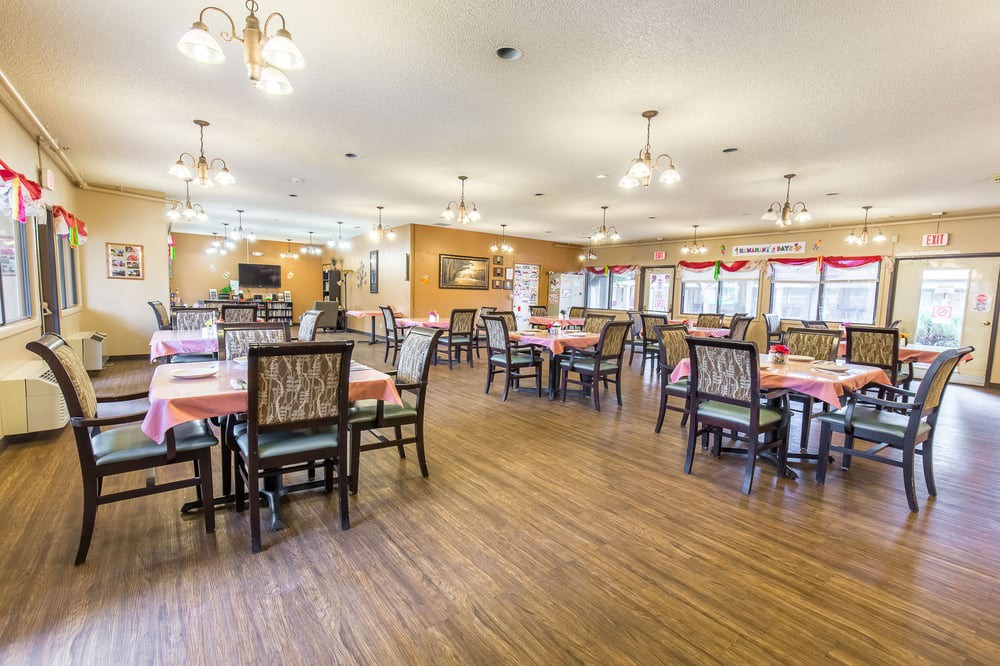
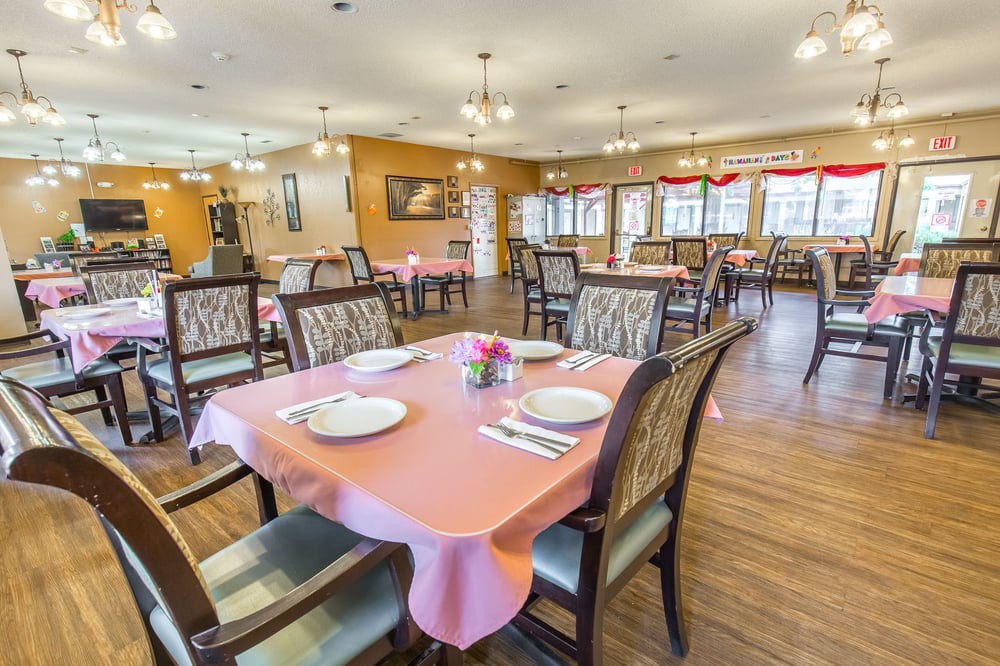
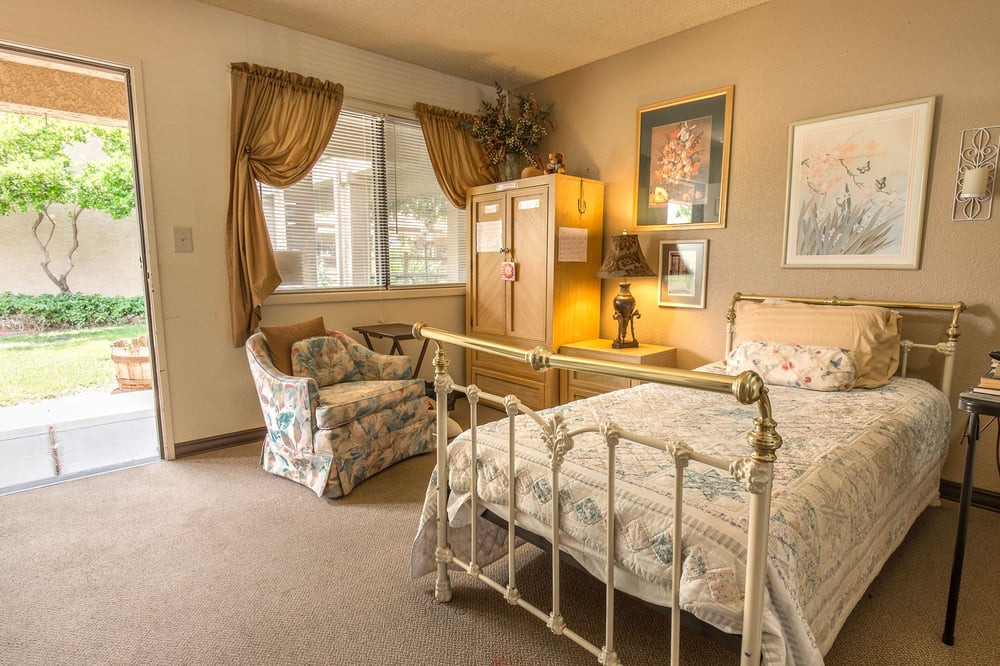
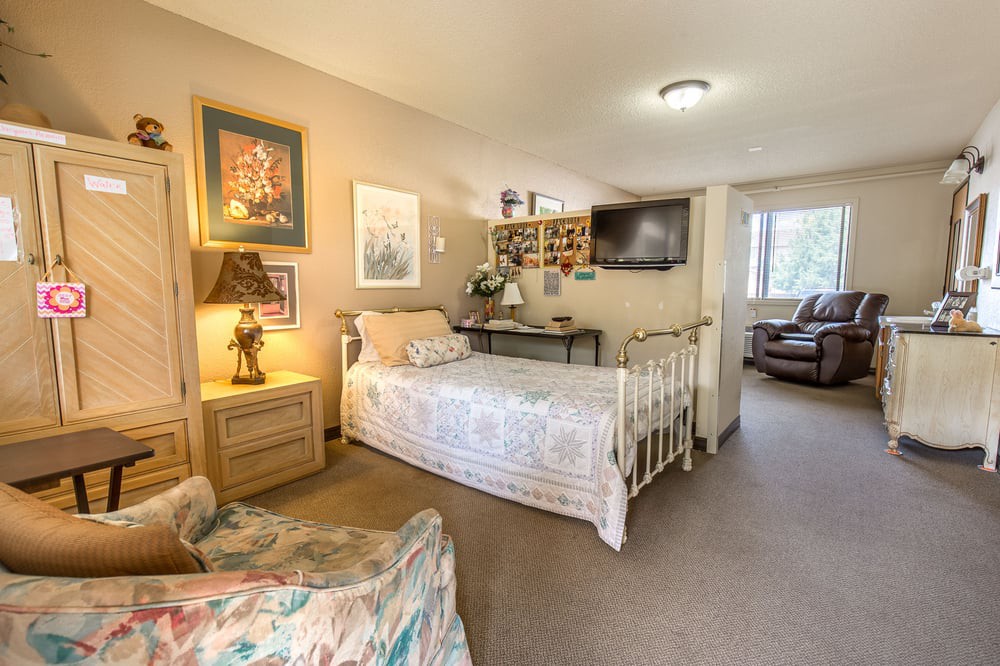
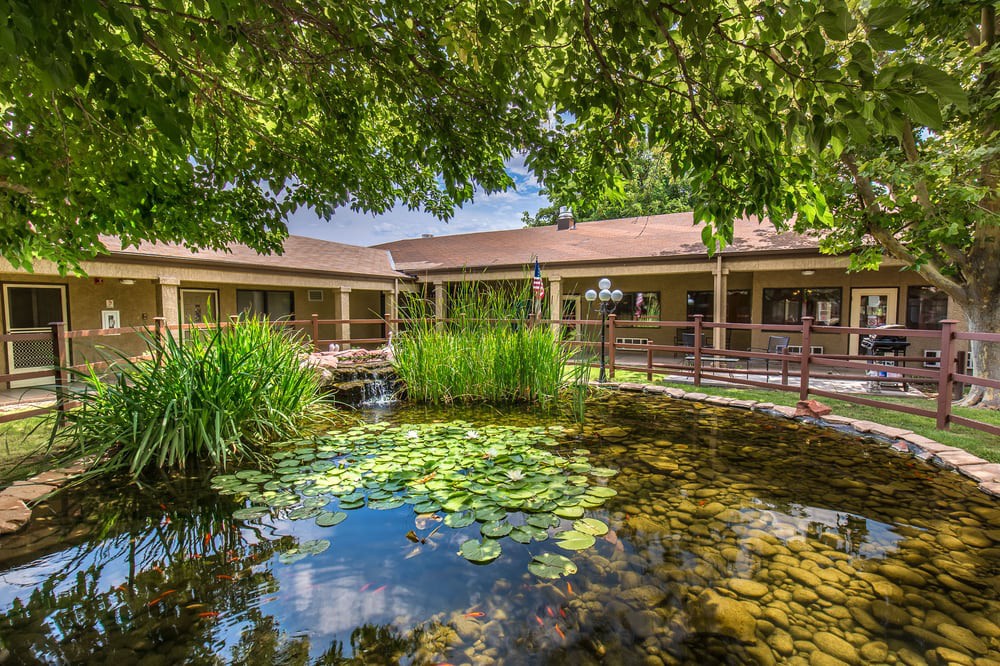
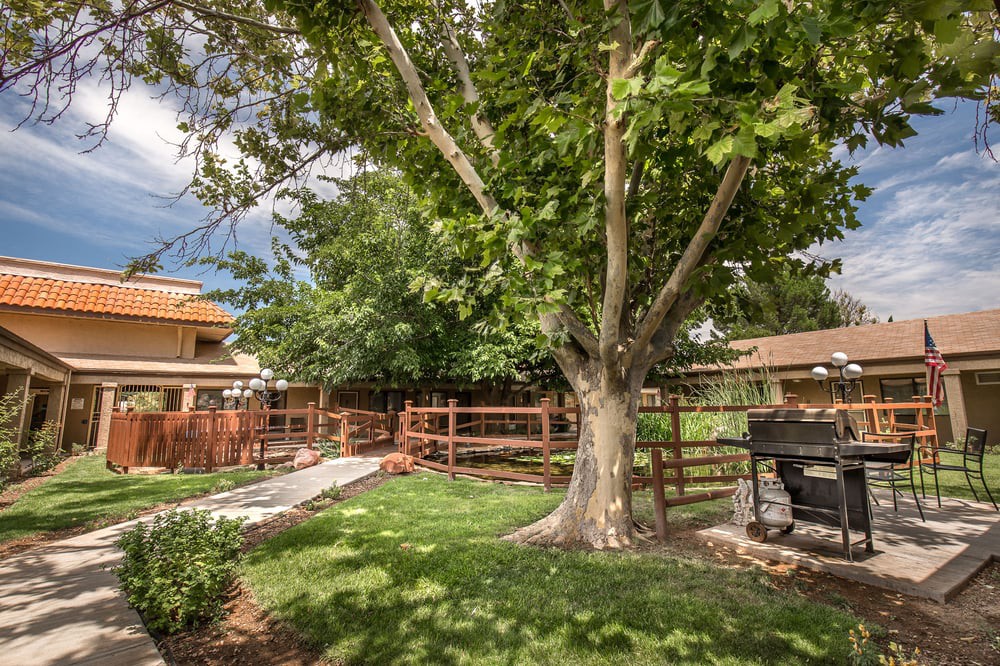
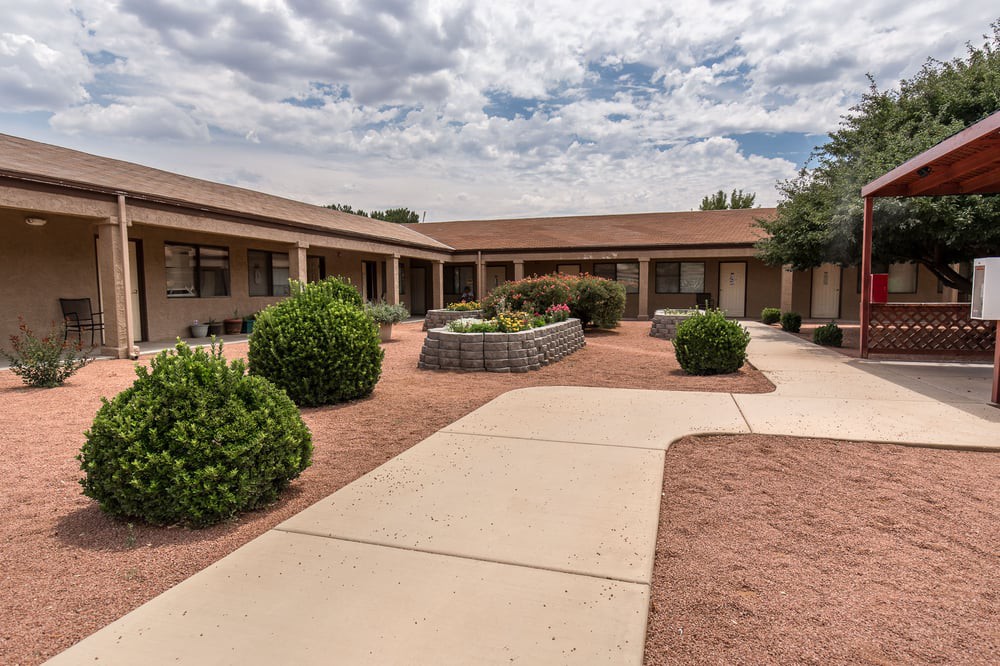
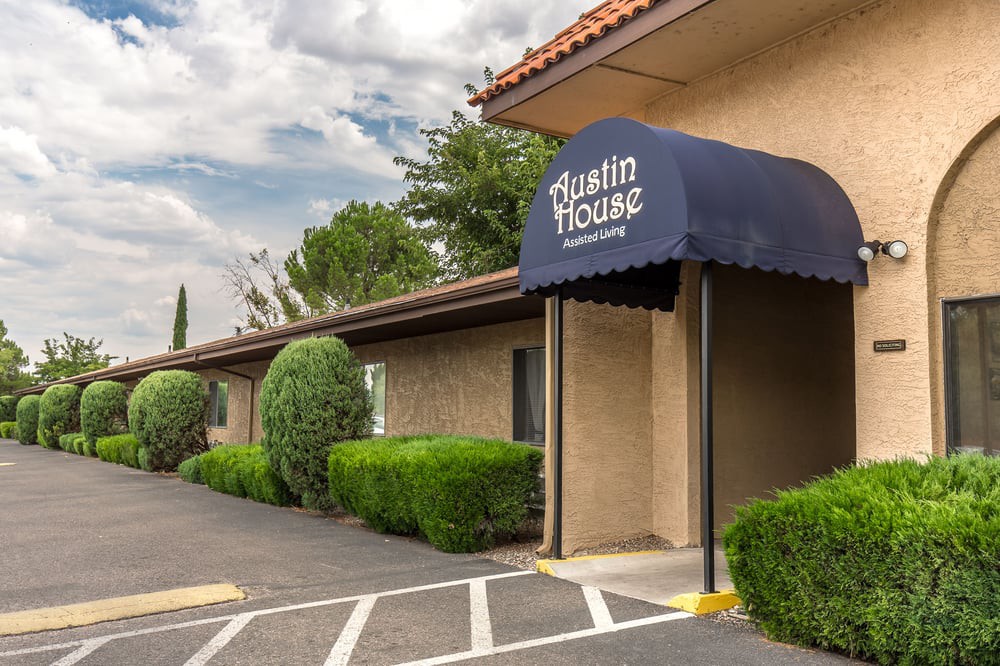
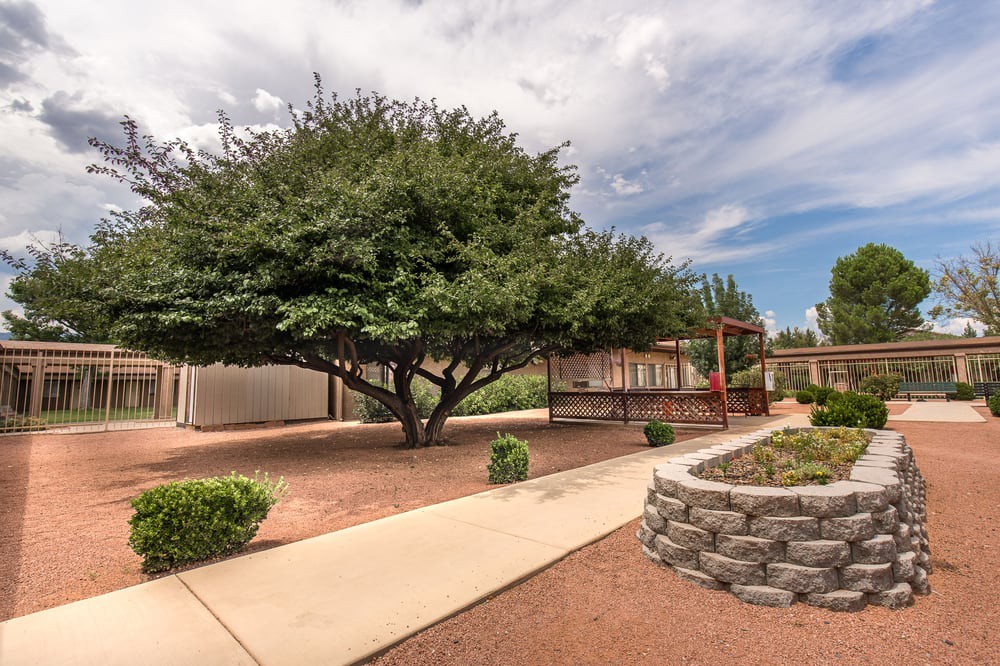
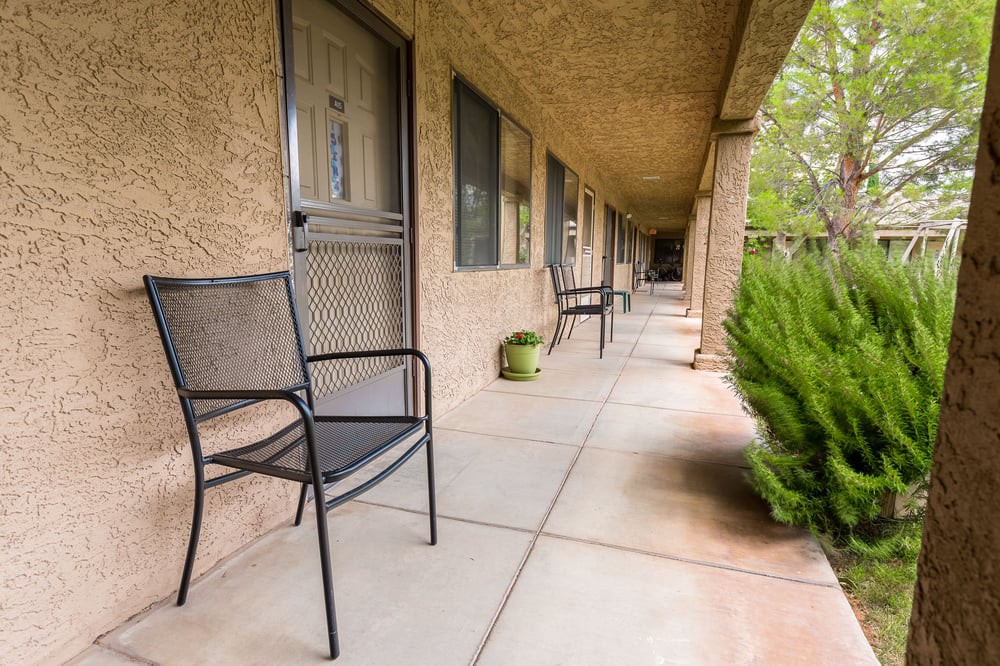
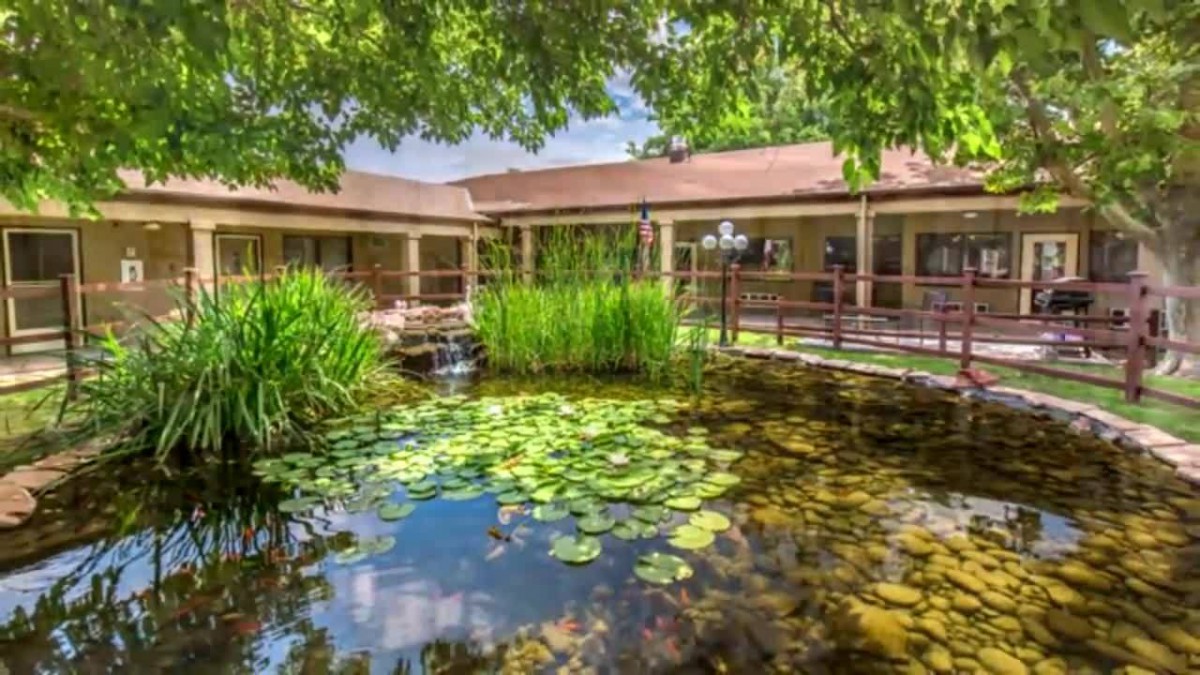
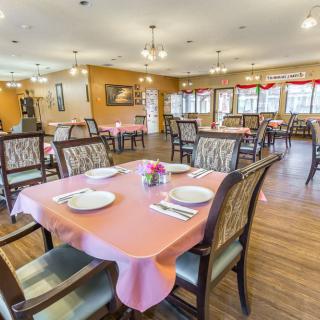
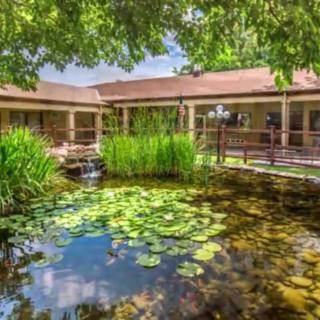
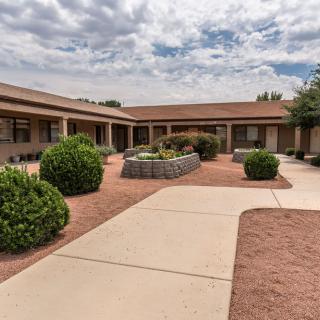
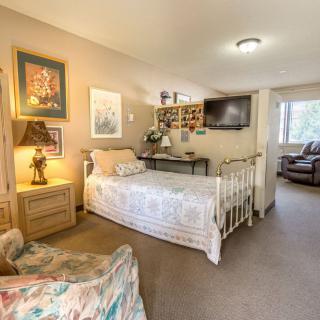
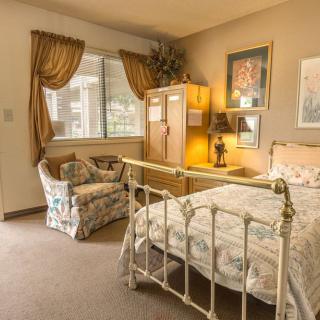
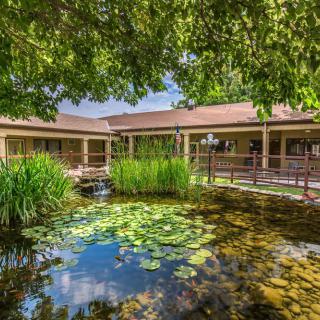
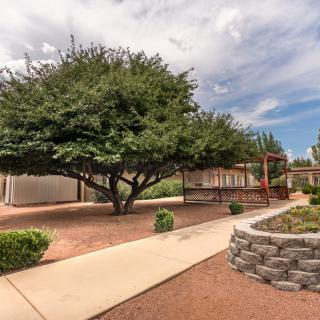
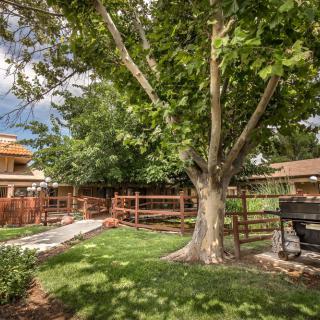
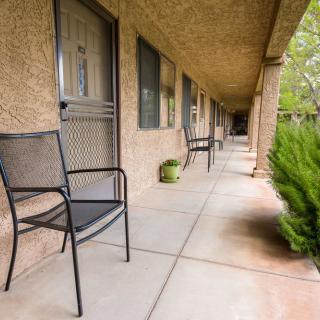
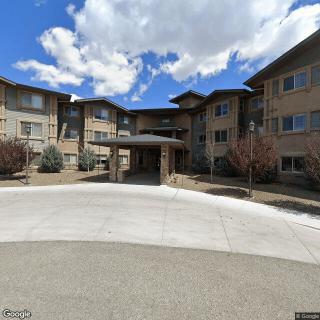
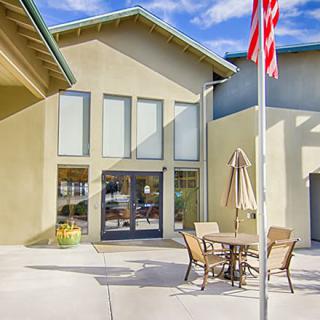
Austin House Assisted Living on seniors.fyi includes 18 photos including images showing landscaping, building, dining, outdoor, bedroom, awning, exterior, interior, and more.
Nearby Communities
Haven Of Cottonwood
Cottonwood, AZ
4.2 from 90 reviews
Comprehensive amenities and around-the-clock care
Cottonwood Village
Cottonwood, AZ
4.6 from 195 reviews
$1,770 to $3,380 / month
Caring staff with engaging activities and affordable pricing for the area.
Carefree Assisted Living Center
Cottonwood, AZ
4.7 from 33 reviews
$2,700 to $4,000 / month
Compassionate, attentive staff in a clean, home-like setting with engaging activities.
Eden Center
Cottonwood, AZ
4.8 from 120 reviews
Excellent access to nearby dining, healthcare, parks, worship, transportation, and entertainment.
Valley View Care
Cottonwood, AZ
5 from 2 reviews
Small, personalized care with 24-hour supervision.
Angel's Touch Inc
Cottonwood, AZ
3 from 6 reviews
Excellent access to healthcare and community amenities nearby.
View Point Senior Community
Prescott Valley, AZ
5 from 3 reviews
$4,050 to $6,300 / month
Excellent proximity to healthcare and amenities.
Evergreen Village Prescott
Prescott, AZ
4.3 from 81 reviews
$2,100 to $3,800 / month
Friendly, caring staff in a clean, active community with competitive pricing for the area.
Las Fuentes Resort Village
Prescott, AZ
4.6 from 49 reviews
$2,620 to $4,085 / month
Beautiful grounds, spacious apartments, and a friendly, responsive staff with a strong activities and dining program.
Dementia encompasses a range of cognitive impairments characterized by types such as Alzheimer's and vascular dementia, and follows a seven-stage progression model known as the Global Deterioration Scale (GDS), highlighting varying symptoms and decline timelines. Early detection allows for lifestyle adjustments to potentially slow progression, while caregivers need support and resources to manage the challenges involved in caring for affected individuals.
The guide on holistic dementia care outlines the complexity of dementia and stresses the need for individualized caregiver strategies that include medical treatment, psychological support, and environmental adaptations, while emphasizing early detection, various therapeutic options, and caregiver support to enhance quality of life and maintain dignity.
Activities of Daily Living (ADLs) are fundamental tasks vital for an individual's independence, particularly in older adults over 85, and include functions like bathing and dressing; assessing ADLs alongside Instrumental Activities of Daily Living (IADLs) helps determine the level of required assistance due to age-related health challenges. Tailored support plans, involving family and community resources, are essential for maintaining dignity and autonomy in assisted living environments.
Get PricingAsk A QuestionSchedule A TourContact Senior Advisor
By clicking submit, you agree to our Partner's Terms of Use. You
also consent to receive calls and texts, which may be autodialed, from our Partner. Your consent is not a condition to
using our Partner's service. Please visit our Partner's Privacy Policy for information about their privacy practices.










 90 resident community capacity
 Studio apartments
 Assisted Living
 Memory Care
 Respite Care
 Skilled Nursing Facility
 Cats allowed
 Dogs allowed
 Activities on-site
 Air-conditioning
 Beauty salon
 Cable or satellite TV
 Computer center
 Devotional services off-site
 Dining room
 Fitness room
 Fully furnished
 Gaming room
 Garden
 Ground floor units
 Handicap accessible
 Housekeeping services
 Indoor common areas
 Kitchenette
 Move-in coordination
 Outdoor common areas
 Party space
 Private bathrooms
 Restaurant-style dining
 Small library
 Telephone
 Wellness center
 Wi-Fi/high-speed internet available
 Community operated transportation
 12-16 hour nursing
 24-hour call system
 Ambulatory care
 Assistance with bathing
 Assistance with dressing
 Assistance with transfers
 Diabetes diet
 Diabetic care
 High acuity care
 Incontinence care
 Medication management
 Mental wellness program
 Special dietary restrictions
 Art classes
 BBQs or picnics
 Concierge services
 Day trips and outings
 Live musical performances
 Trivia games
 Wii bowling
 English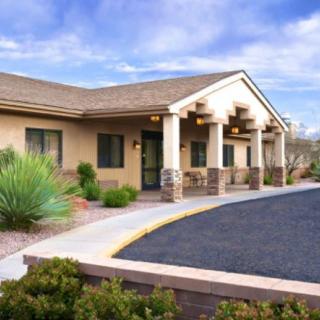
 Comprehensive amenities and around-the-clock care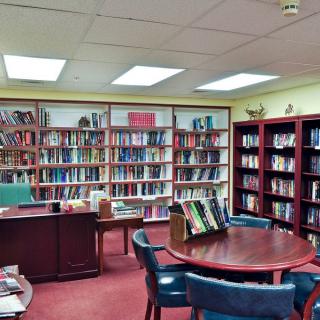
 Understanding Dementia Through Its Seven Stages: A Comprehensive Look at Progression and Expectations
 A Holistic Dementia Care Guide: Effective Strategies for Memory Support
 Comprehensive Insights into Activities of Daily Living (ADLs) and Their Assessment