
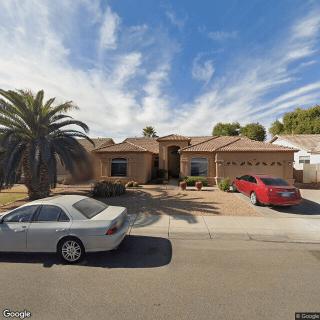
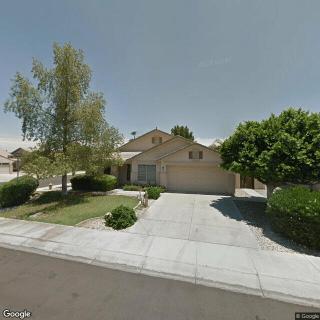
1371 West Mulberry Drive, Chandler, AZ 85286
For more information about senior living options: (866) 208-4318
Overall Review of Whitewing Mansion Assisted Living II
Pros
 The facility is very nice and takes good care of patients, while being nice to guests.
- The group home is beautiful, updated, and cozy, with kind care staff who treat residents like family.
Cons
 Turnover of employees was outrageous.
- The food was absolutely terrible.
- Neglect causing injury and ultimately DEATH.
- Keep your loved ones away from here.
Review
Whitewing Mansion Assisted Living II in Chandler is best suited for families seeking a warm, home-like, small-group atmosphere where residents are treated with genuine care and guests are welcomed as part of the family. The property reads as a well-kept, updated group home that feels cozy and intimate rather than institutional. This setting tends to appeal to families who want a more personalized, hands-on style of care, where staff interactions are frequent and residents can enjoy a predictable routine with familiar faces. For seniors who prize belonging, steady routines, and a sense of being known, this community can deliver a comforting, low-key living experience.
However, those whose priority is unwavering staffing stability, consistently high-quality meals, and rigorous safety oversight should consider alternatives. One review centers on extreme turnover and notes serious safety failures, including neglect that allegedly led to injury and death. While that account is singular, it signals the importance of verifying staffing consistency, supervision, care-planning discipline, and incident handling before committing. Families with intensive medical needs, memory-care requirements, or the expectation of constant medical oversight should explore options with larger teams, clearer accountability, and documented quality metrics.
On the positive side, the home-like atmosphere is repeatedly praised. Descriptions highlight an aesthetically pleasing, well-maintained interior that reinforces a sense of comfort and belonging. The care staff is repeatedly characterized as kind, patient, and approachable, with residents and guests treated in a way that fosters family-like trust. For many families, such warmth translates into better mood, stronger cooperation with care plans, and a smoother daily rhythm, benefits that can be substantial for residents who respond well to personal attention and direct, frequent caregiver interaction.
The most consequential concerns, however, revolve around staffing and daily nourishment. Claims of outrageous employee turnover raise valid questions about consistency of care and continuity in individual care plans. The remark that meals are “absolutely terrible” touches a fundamental quality-of-life issue, since nutrition and enjoyment of meals matter deeply in aging. Even more alarming is the severe accusation of neglect leading to injury and death. While this may be an outlier, it underscores the need for rigorous due diligence, verifying caregiver ratios, training, supervision, meal quality controls, and robust incident-reporting practices before placing a loved one here.
The practical takeaway is clear: the pros offer meaningful value for residents who flourish in a home-like setting with attentive, personable staff. Yet the cons, especially potential staffing instability and safety questions, can significantly offset those advantages. If the priority is a consistently reliable level of care, ongoing supervision, and dependable nutrition, a family should scrutinize alternatives with stronger staffing metrics and documented safety records. For those willing to engage in thorough vetting and ongoing oversight, Whitewing Mansion presents a compelling, if risk-conscious, option that could deliver comfort and connection without sacrificing essential safeguards.
Ultimately, Whitewing Mansion Assisted Living II appears best aligned with families prioritizing a home-centered environment and a personal touch, provided robust due diligence is conducted on staffing stability and safety practices. Alternatives should be on the table for anyone with high demands for consistent staffing, proven meal programs, and a track record of incident-free operation. The next step is a focused visit: tour the home, meet frontline caregivers, review sample menus, request current staffing ratios, and ask for candid explanations of any past incidents and how they were resolved. With thorough evaluation, families can determine whether this community will deliver the warmth they value while maintaining the safeguards necessary for long-term peace of mind.
 5 resident community capacity
 Assisted Living
 Board and Care Home
 Cable or satellite TV
 Dining room
 Fully furnished
 Garden
 Housekeeping services
 Move-in coordination
 Outdoor space
 Telephone
 Wi-Fi/high-speed internet available
 Phoenix Sky Harbor International (13 miles away)
 24-hour supervision
 Activities of daily living assistance
 Assistance with bathing
 Assistance with dressing
 Assistance with transfers
 Diabetes diet
 Meal preparation and service
 Medication management
 Special dietary restrictions
 Transportation arrangement (medical)
 Transportation to doctors appointments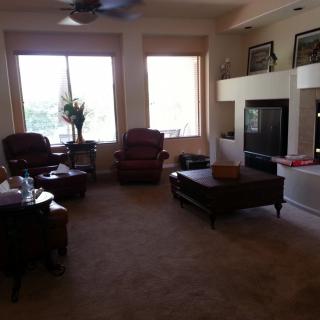




 Choosing the Right Senior Care: A Detailed Exploration of Assisted Living and Nursing Homes
 Understanding the True Cost of Assisted Living in 2025: A Comprehensive Guide
 Understanding Medicaid Coverage for Assisted Living: A Comprehensive Guide