
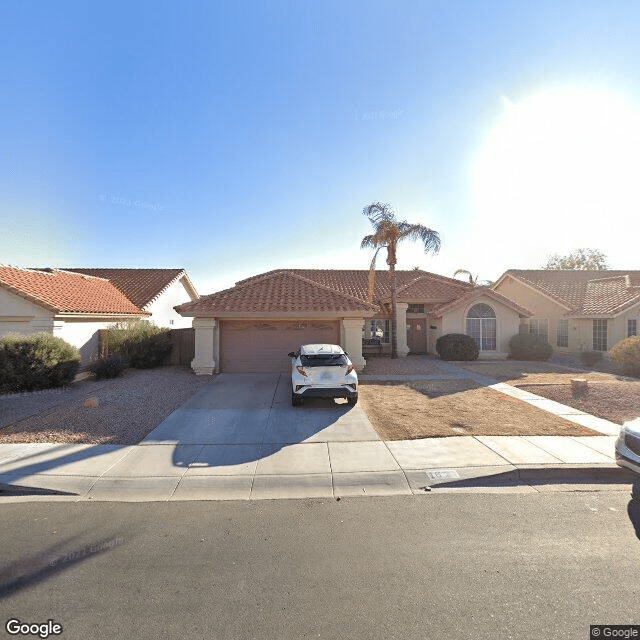
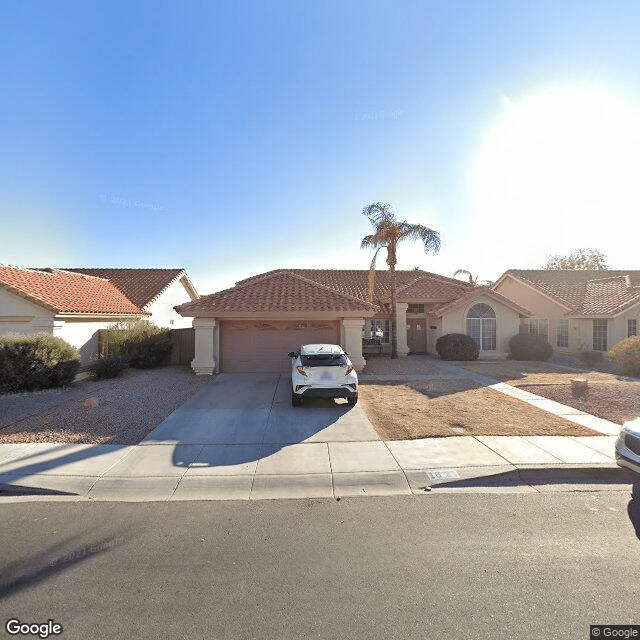
1621 West Corona Drive, Chandler, AZ 85224
To contact a resident: (480) 663-3288
For more information about senior living options: (866) 208-4318
Devoted Hearts Assisted Living Costs & Pricing
Devoted Hearts Assisted Living offers competitive pricing for their accommodations compared to the broader market in Maricopa County and the state of Arizona. Monthly rates at Devoted Hearts start at $1,500 for a one-bedroom unit, which is significantly lower than the county average of $3,473 and the state average of $3,532. For those considering a semi-private room, Devoted Hearts charges $2,000, again undercutting both the county rate of $2,801 and the state's rate of $2,820. The private room option at Devoted Hearts is priced at $2,200, which remains below the county's average of $3,318 and Arizona's average of $3,345. This substantial difference highlights Devoted Hearts' commitment to providing affordable assisted living solutions without compromising on quality care.
| Floor plans | Devoted Hearts Assisted Living | Maricopa County | Arizona |
|---|---|---|---|
| 1 Bedroom | $1,500 | $3,473 | $3,532 |
| Semi-Private | $2,000 | $2,801 | $2,820 |
| Private | $2,200 | $3,318 | $3,345 |
Overall Review of Devoted Hearts Assisted Living
Pros
 They made a good impression.
- They were very organized and clean.
Cons
 It is not what he is looking for.
- There is no transport.
- No doctors or dentists come in.
Review
Devoted Hearts Assisted Living in Chandler, AZ is best suited for seniors who want a clean, orderly, low-stress environment and can arrange transportation and external medical care on their own. The community appears designed for residents who are relatively independent in coordinating appointments and who do not require daily on-site clinical attention. Families weighing options should recognize that this setting is not optimized for door-to-door transport or in-house medical services, so those who rely on regular visits from doctors or dentists during the day will want to consider alternatives with integrated healthcare access.
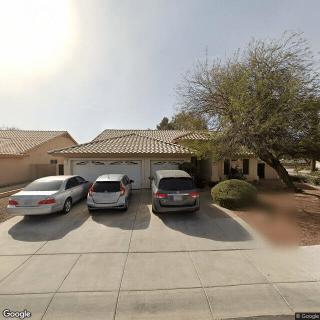
The strongest positive observed is the first impression of organization and cleanliness. The facility presents a well-kept appearance and a sense of orderly operations that can translate into smoother daily routines and predictable environments for residents. When a care plan hinges on a calm, uncluttered living space, such a baseline of upkeep matters. For families prioritizing a home-like, tidy setting where housekeeping and general maintenance are clearly handled, this is a legitimate plus that reduces stress and avoids the distractions that come with neglect or chaos.
However, the absence of transportation and on-site medical professionals is a meaningful constraint. There is no built-in transport option, and no in-house doctor or dentist visiting regularly. For residents who cannot drive, depend on routine medical care, or require quick access to on-site clinical services, this gap will complicate care coordination. External arrangements must be made for doctor visits, dental care, and other healthcare needs, which can create scheduling friction, potential delays, and additional planning burdens for families.
The favorable operating core, the organized, clean environment, does offer some offsetting value. A well-run facility minimizes accidental hazards, supports consistent routines, and reduces the cognitive load on residents who thrive on predictable days. For households with reliable family support or paid caregivers who can manage external appointments, the benefits of a neat, orderly setting can outweigh the inconvenience of arranging external services. In such cases, the environment can contribute to a sense of safety and normalcy, helping residents feel comfortable without the overhead of more intensive medical infrastructure.
Those evaluating Devoted Hearts should explicitly consider who may want to explore alternatives. If daily transportation needs to be arranged by the community or with little effort on the family’s side, this model will not fit. If frequent or emergent medical oversight is essential, a community with on-site clinicians or readily available in-house services will deliver far less logistical stress. Families contemplating memory care, higher levels of assistance, or richer social programming may also want to compare options that offer more robust programming and specialized care.
In the end, Devoted Hearts Assisted Living serves a specific niche: a solid, clean, well-managed environment that works best when health needs are manageable outside the facility and when a quiet, predictable daily life is valued. For seniors who require regular transport, consistent on-site medical access, or richer clinical support, alternatives should be pursued. The decision will come down to whether caregivers can effectively coordinate external medical care and transportation, or whether a different community’s integrated services better align with the resident’s health trajectory and activity desires.
 5 resident community capacity
 Assisted Living
 Board and Care Home
 Day Program
 Memory Care
 Respite Care
 Cable or satellite TV
 Dining room
 Fully furnished
 Garden
 Housekeeping services
 Move-in coordination
 Outdoor space
 Private
 Telephone
 Wi-Fi/high-speed internet available
 Phoenix Sky Harbor International (11 miles away)
 24-hour supervision
 Assistance with bathing
 Assistance with dressing
 Assistance with transfers
 Diabetes diet
 Diabetic care
 High acuity care
 Meal preparation and service
 Medication management
 Special dietary restrictions
 Transportation arrangement (medical)
 Transportation to doctors appointments
 Why Do Dementia Patients Sleep So Much? Understanding Oversleeping, Stages, and Care Approaches
 8 Key Indicators That Suggest It May Be Time to Transition from Assisted Living to Skilled Nursing Care
 Nourishing the Mind: Essential Dietary Approaches for Dementia