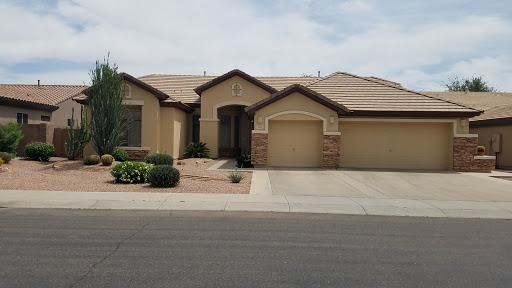
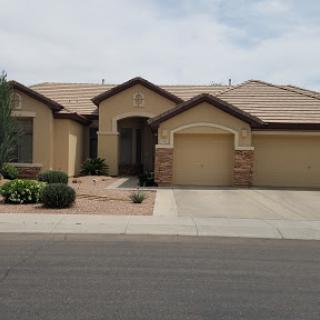
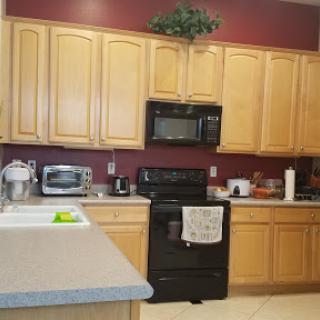
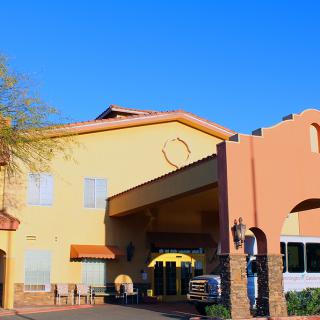
2391 West Thompson Way, Chandler, AZ 85286
For more information about senior living options: (866) 208-4318
Overall Review of Casa Buena Assisted Living
Pros
 The caregivers are attentive, compassionate, and patient, treating residents as their own loved ones.
 - They communicate clearly with families and keep them informed about their loved one’s well-being.
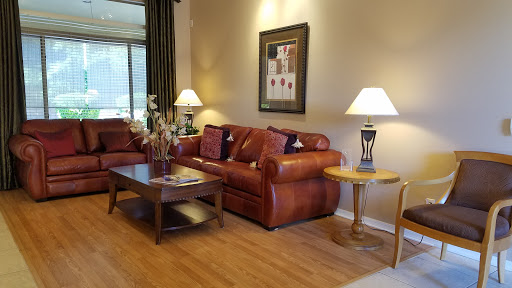
- The home is immaculately clean and filled with the welcoming aroma of home-cooked meals.
- They warmly welcome families and make them feel at home, like extended family.
- The staff consistently go above and beyond, showing selflessness and dedication.
- Residents thrive under their care and experience genuine well-being.
- The care team is highly regarded, with families describing them as the best and most trustworthy.
- They create thoughtful touches, such as special birthday dinners and personalized care moments.
Review
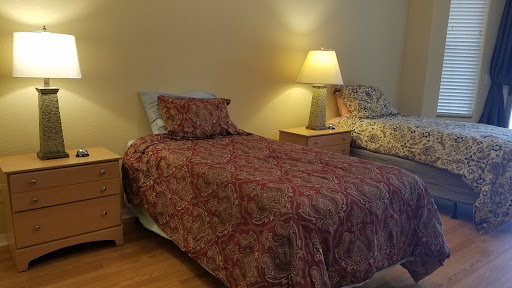
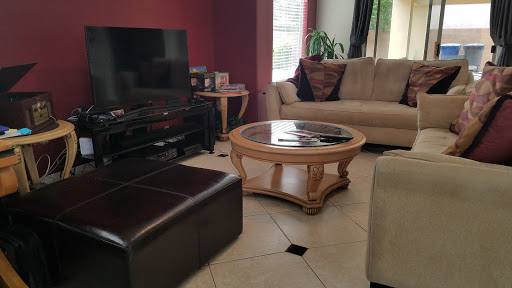
Casa Buena Assisted Living in Chandler is best suited for families seeking a small, home‑like setting where caregiving feels intimate, personal, and deeply committed. The community shines for residents facing dementia or Alzheimer's, with caregivers who deliver steady, patient support and view family members as partners in care. This is not a clinical, institutional atmosphere; it is a warm, neighborly home where staff know residents by name and tailor routines to individual preferences. For families prioritizing emotional connection, responsiveness, and hands‑on daily care, Casa Buena stands out as a highly appropriate option.
However, alternatives should be considered in cases requiring robust, 24/7 skilled nursing, formal medical oversight, or a larger campus with extensive therapy programs. The setting is intentionally intimate, and vacancies are described as limited, meaning readiness to move can hinge on timing. For residents who need intensive clinical management, frequent on‑site physicians, or rapid access to a wide array of specialty services, other facilities with larger staffs may be a better fit. In short, Casa Buena excels in caregiving warmth, but it is not built as a high‑acuity medical hub.
Three pillars distinguish Casa Buena: staff devotion, family inclusion, and a clean, homey atmosphere. Caregivers such as Carmen, Barbara, and Charles are repeatedly praised for attentiveness, calm patience, and the ability to treat residents as beloved family members. Families consistently note proactive communication, staff members explain plans, share concerns, and welcome questions with candor. The home itself carries the fragrance of home cooking, and the team frequently goes beyond basic duties, sometimes hosting special birthday dinners and ensuring visiting families feel welcome. This combination creates trust and reduces the anxiety that often accompanies transitions into assisted living.
These strengths, robust as they are, do not erase certain realities. The setting’s boutique scale can translate into limited space and queues for availability, which can pressure timelines for transition. For residents who require ongoing, high‑level medical interventions or frequent rehabilitation services, a larger operation with on‑site nursing and therapy teams may deliver greater comfort and speed. Nevertheless, the tight‑knit structure allows for rapid updates to families and a clarity of care plans that gets lost in bigger campuses. When questions arise, staff responses are thoughtful and easy to understand, which is a notable offset to potential concerns about autonomy and medical oversight.
Outcome perceptions from families reinforce the value of the model. One reviewer described a mother who seemed to thrive under the care, with dementia‑friendly caregivers who supported her emotionally as well as physically. The environment’s cleanliness, the scent of home‑cooked meals, and the sense that staff fill gaps left by other providers all contribute to a feeling of safety and belonging. The caregivers’ willingness to become part of the extended family, shared meals, birthday celebrations, and flexible help, creates a psychosocial benefit that is hard to quantify but unmistakable in everyday life. These qualitative gains regularly offset the absence of a larger clinical infrastructure.
For decision‑making, the clear takeaway is practical: Casa Buena is the recommended choice for families prioritizing compassionate, individualized care in a small, home‑like setting, especially when dementia care is a primary need. Prospective residents should assess whether a smaller, intimate model matches expectations for medical oversight and vacancy timing. If the required level of medical acuity or a bustling campus life is non‑negotiable, alternatives deserve serious consideration. When a family values warmth, daily empathy, and transparent communication, Casa Buena frequently delivers outcomes that feel tailor‑made for preserving dignity and connection in the later years.
 5 resident community capacity
 Assisted Living
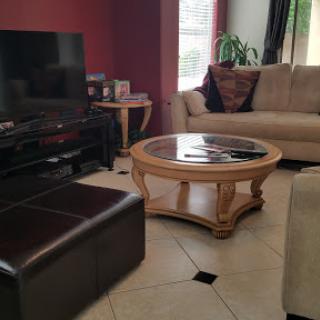
 Cable or satellite TV
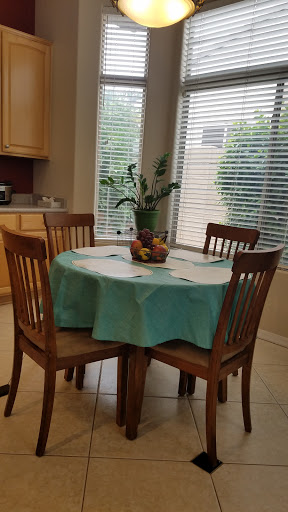
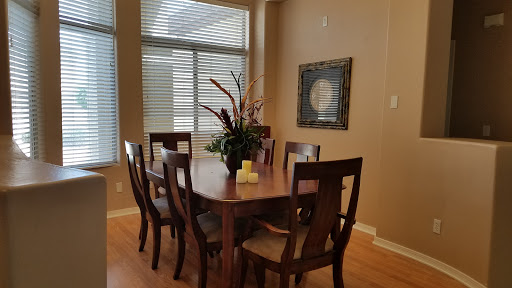
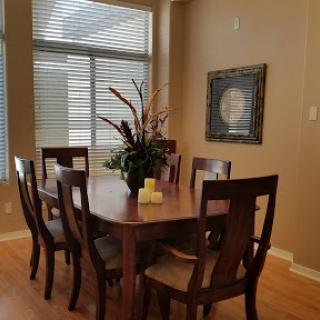
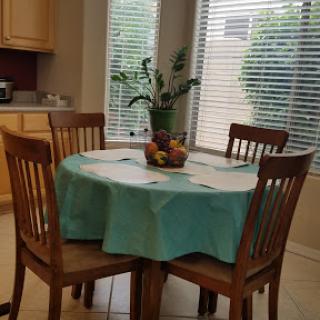
 Dining room
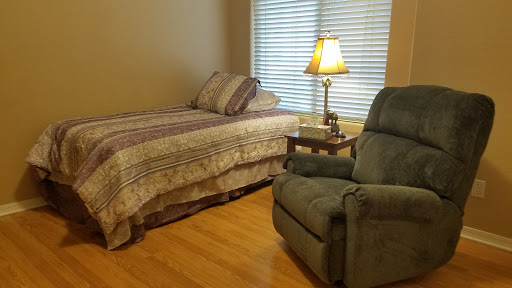
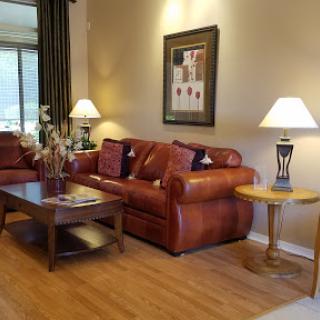
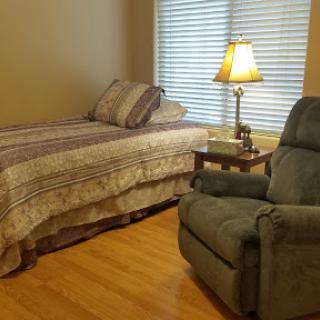
 Fully furnished
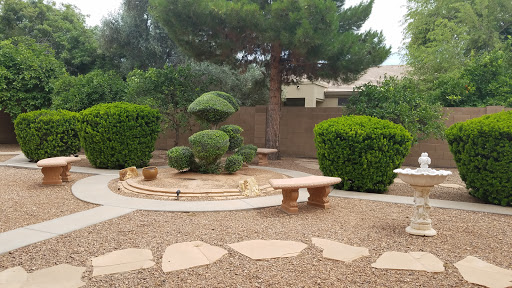
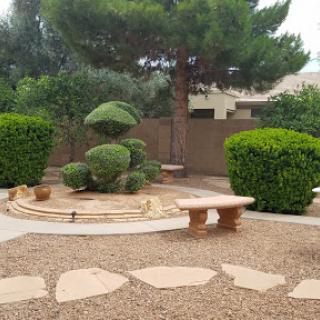
 Garden
 Housekeeping services
 Move-in coordination
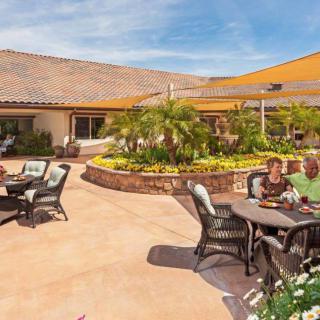
 Outdoor space
 Telephone
 Wi-Fi/high-speed internet available
 Phoenix Sky Harbor International (13 miles away)
 24-hour supervision
 Activities of daily living assistance
 Assistance with bathing
 Assistance with dressing
 Assistance with transfers
 Diabetes diet
 Meal preparation and service
 Medication management
 Special dietary restrictions
 Transportation arrangement (medical)
 Transportation to doctors appointments


 Beyond the Bingo Hall: 50+ Enriching Activities for Seniors in Assisted Living
 Understanding the Distinctions: Assisted Living and Memory Care Explained
 Guiding Elderly Parents Who Refuse Assisted Living: 6 Practical Steps