
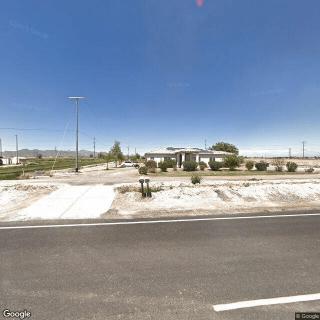
20104 West Broadway Road, Buckeye, AZ 85326
For more information about senior living options: (866) 208-4318

Overall Review of Jolley Family Assisted Living
Pros
 They highly recommend In Angel Arms in Buckeye, AZ for their loved ones due to the care and dedication of the staff.
- The staff provided a wonderful service for their loved one, and they would consider In Angel Arms again for future care needs.
- In Angel Arms is a great and supportive group, with attentive staff who met all needs and strong recommendations for short and long-term care.
- A relative has been a resident for almost five years, and the family is extremely grateful for the care that treated him like family.
- In Angel Arms is run by knowledgeable, caring, and compassionate individuals; every resident is treated as a Very Important Person.
- The facility is an excellent choice for assisted living, offering professional care, a cozy home environment, and a modest price; the staff is excellent.
- They provide care with integrity and respect, with onsite staff available 24/7.
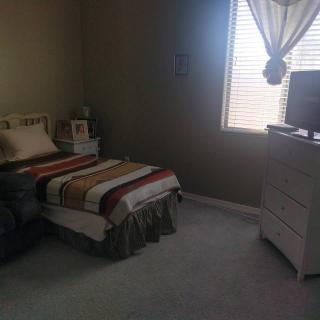
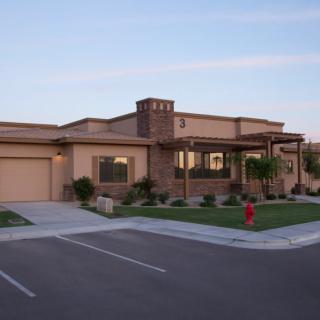
- The home is beautiful, with sincere love and compassion from the staff; it is clean, safe, and offers wholesome meals; residents engage in activities and would refer friends.
Review
This Buckeye community is best suited for seniors who want a true home-like setting where care feels personal and residents are treated as family. Across the reviews, the strongest signal is a culture of warmth, respect, and hands-on attention delivered by a small, tightly knit staff. Families describe daily interactions that feel generous, not transactional, with caregivers who know residents by name, anticipate needs, and integrate daily routines into a sense of security. The environment combines homelike comfort, clean, tidy rooms, calm common areas, and wholesome meals, with reliable on-site support. For Jolley Family Assisted Living, this profile points to a clear niche: a home-style option that minimizes institutional vibes while maximizing personalized care and continuity.
Alternatives become more attractive for families facing higher levels of medical complexity or those who require memory-care specializations, larger campuses, or highly structured programming. The reviews highlight a service model built around intimate staffing and a family atmosphere, which can be exactly what many want. But this same model can fall short for residents needing frequent nursing oversight, specialized dementia care, or a broader array of on-site therapists and activities. Price and value are also factors; the home-style setting is described as modestly priced, which suits budget-conscious families, yet it can limit the breadth of clinical services or rapid access to medical equipment that larger communities offer.
From the vantage of care quality, the most pronounced strengths are evident: staff who are described as compassionate, attentive, and embedded in residents’ lives; 24/7 onsite coverage; professional wound care and routine personal care tasks performed with dignity; an emphasis on cleanliness and safety; and meals that residents actually enjoy. Families report that residents are not merely placed in care but invited to participate in a family-like routine, with weekly activities and even Bible study that fosters social connection and spiritual comfort. That combination, warm relationships, practical support, and a well-kept home environment, creates a foundation where daily life feels dignified and predictable, which is invaluable for families seeking peace of mind.
However, the intimate setting can entail trade-offs. The best way to view the trade is to weigh proximity and personalization against the breadth of clinical resources. Small homes often rely on a dedicated but limited staff pool, which can mean slower access to specialized therapies or med-pass coordination during off-hours. Memory care, if needed, may require referrals to external providers, and there may be fewer formal programs or campus-wide events than larger facilities. Still, the testimonials repeatedly note that when needs arise, caregivers bend over backward to adapt, arrange wound care, and support families through transitions, which eases the burden on relatives during tough times.
When evaluating Jolley Family Assisted Living, the key questions should center on scalability of care, not just sentiment. Confirm 24/7 on-site nursing or caregiver coverage, and understand how shifts are staffed to prevent gaps. Probe the care philosophy: is residents’ dignity and family-style engagement the core, and how are clinical needs documented and escalated? Look for explicit protections around cleanliness, nutrition, and safety, including dining quality and consistency of daily routines. Ask about memory-care capabilities, staff training in dementia or mobility support, and the availability of wound care and other on-site clinical services. Finally, seek transparency on pricing, contracts, and what happens if a resident’s care needs increase, can the community accommodate longer-term stays without a disruptive move?
When the objective is to keep a loved one in a warm, protective setting that truly feels like a second family, Jolley Family Assisted Living appears well-positioned to deliver. The strength of the reviewed Buckeye homes lies in compassionate, consistent staffing, a clean, homey environment, and routines that honor both independence and daily support. Families who prioritize these elements will likely find the strongest fit here. Those who require advanced clinical care, dementia-specific programming, or a larger campus with broader service lines should actively compare other options to ensure the chosen community offers the level of medical oversight and activity variety that tomorrow may demand.
 10 resident community capacity
 Assisted Living
 Board and Care Home
 Respite Care
 Cable or satellite TV
 Dining room
 Fully furnished
 Garden
 Housekeeping services
 Move-in coordination
 Outdoor space
 Small library
 Telephone
 24-hour supervision
 Activities of daily living assistance
 Assistance with bathing
 Assistance with dressing
 Assistance with transfers
 Diabetes diet
 Meal preparation and service
 Medication management
 Special dietary restrictions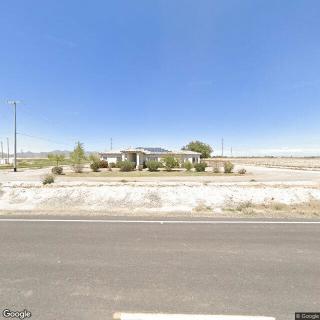


 Comprehensive Insights into Activities of Daily Living (ADLs) and Their Assessment
 Medicare Coverage for Assisted Living: An In-Depth Exploration
 Choosing the Right Senior Care: A Detailed Exploration of Assisted Living and Nursing Homes