
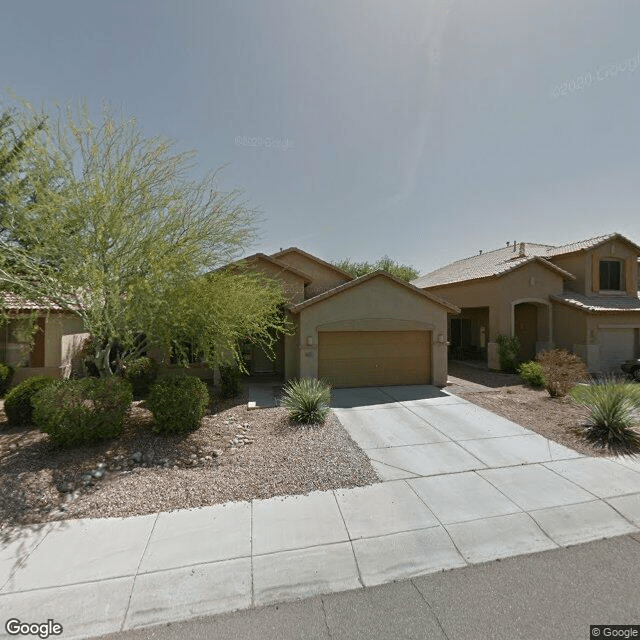
233 South 123Rd Drive, Avondale, AZ 85323
For more information about senior living options: (866) 208-4318
Twilight Haven III Costs & Pricing
Twilight Haven III offers competitive pricing for its accommodations, especially when contrasted with the broader market in Maricopa County and across Arizona. For a private room, residents can expect to pay $2,500 per month, which is significantly lower than the county average of $3,318 and the state average of $3,345. Similarly, for those considering semi-private options, Twilight Haven III's rate of $2,800 remains closely aligned with the county's average of $2,801 and slightly under the state's average of $2,820. This positioning not only underscores Twilight Haven III's commitment to providing affordable care options but also highlights its appeal as an attractive choice for families seeking quality living arrangements for their loved ones.
| Floor plans | Twilight Haven III | Maricopa County | Arizona |
|---|---|---|---|
| Private | $2,500 | $3,318 | $3,345 |
| Semi-Private | $2,800 | $2,801 | $2,820 |
Assisted Living communities with a similar price nearby
-
from +$125 / mo

The Eldercare Home Of Tempe
$2,625 to $3,412 / month24.7 miles away -
from +$400 / mo
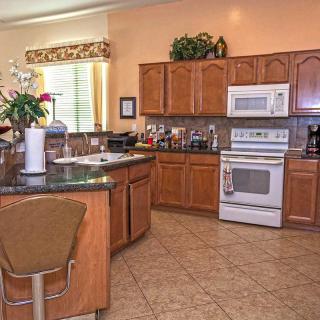
Royal Paradise Care
$2,900 to $3,800 / month12.5 miles away -
from +$350 / mo
Covenant Care Assisted Living Home
$2,850 to $3,705 / month11.5 miles away -
About the same
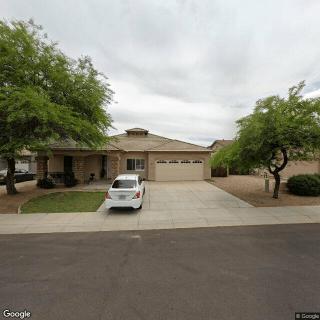
Anc Assisted Living Homes I
$2,500 to $3,500 / month14.6 miles away -
from -$100 / mo
Arabian Views Assisted Living One
$2,400 to $3,200 / month25.0 miles away
Overall Review of Twilight Haven III
Pros
 The group home is lovely.
- The staff is very friendly.
- The residents seemed to be enjoying their afternoon snack.
- The facility is very clean and smells good.
- There is hope for a vacancy when mom comes to Arizona this fall.
Cons
 The place would not be a good fit for mom right now.
Review
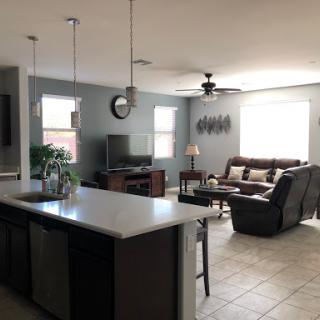
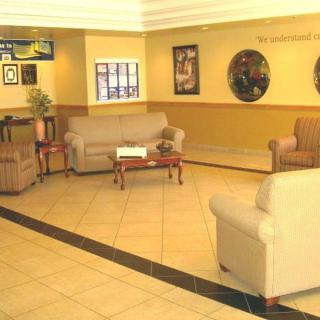
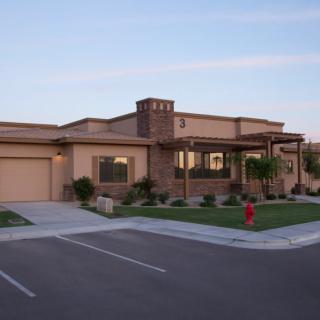
Twilight Haven III in Avondale is best suited for seniors who prefer a tight, home‑like assisted living setting where staff familiarity, personal warmth, and a clean, pleasant ambiance drive daily life. The property presents as a small‑scale environment rather than a large campus, which tends to yield smoother, more intimate interactions between residents and caregivers. For families seeking a caregiver presence that feels accessible and unpretentious, and for those who place a premium on a tidy, inviting living space, Twilight Haven III offers a compelling match. Availability will matter, since one hopeful visitor noted hoping for a vacancy when a family member arrives, signaling that occupancy can influence timing and placement strategy.
On the flip side, alternatives deserve contemplation for seniors with higher care needs or specific expectations around structured programming. A reviewer explicitly indicated that the community would not be a good fit for their mom at this time, a caution that likely points to mismatches in medical oversight, level of supervision, or the intensity of daily routines. If a senior requires robust medical management, regular therapies, dementia care, or a more active, resource‑heavy schedule, other options with clearer care ladders and memory‑care capabilities may serve better. It is prudent to confirm not only what is offered now but how the community would handle escalating needs or transitions within the same campus if care levels change.
The strongest advantages are tangible and easy to evaluate: genuinely friendly staff, a clean facility, and a welcoming environment during everyday moments like snack time. Such strengths translate into lower anxiety for families during tours and regular reassurance for residents who rely on consistent, compassionate contact. The sensory cues, pleasant smells, orderly spaces, and visible care during routine social moments, signal that residents are tended to with attention. These prosaic positives can meaningfully improve day‑to‑day quality of life and can offset some concerns about other program gaps when the goal is a calmer, more homelike daily rhythm.
Where Twilight Haven III shows potential gaps is in the transparency and depth of care information. The available reviews offer limited detail on key factors that drive long‑term satisfaction: the exact level of medical oversight, medication management practices, staff-to-resident ratios, and the scope of programming beyond incidental social moments. Prospective families should press for precise answers about 24/7 on‑site supervision, access to healthcare providers, emergency response procedures, and how easily residents can transition to higher levels of care if needs evolve. A lack of visible activity variety, structured outings, or therapeutic options can become a meaningful drawback for residents seeking more comprehensive engagement.
Decision criteria should therefore center on alignment between care needs and what Twilight Haven III can reliably deliver. For families prioritizing a tight‑knit, low‑stimulus environment with personal attention and spotless surroundings, this community presents a strong fit, provided staffing depth and medical supports meet the resident’s requirements. For those weighing options where medical complexity, constant monitoring, or dementia‑care elements are anticipated, it is wise to compare with communities that disclose explicit care pathways, more expansive programming, and guaranteed access to on‑site or easily available clinical staff.
The bottom line is clear: Twilight Haven III can be an excellent choice for families seeking a warm, intimate setting with dependable daily care and a pristine, home‑like atmosphere. Its appeal hinges on matching the resident’s current care level with the staff’s ability to maintain consistent oversight and meaningful daily engagement. If medical needs are modest and a homier, neighborly vibe is paramount, the positives are likely to outweigh the drawbacks. Conversely, for seniors who require more robust clinical management, richer activity calendars, or greater certainty about future care escalation, the prudent path is to explore alternatives with documented care competencies and reliable vacancy guarantees, then consider a trial stay or careful, staged visit to confirm fit.
 6 resident community capacity
 Assisted Living
 Board and Care Home
 Cable or satellite TV
 Dining room
 Fully furnished
 Garden
 Housekeeping services
 Move-in coordination
 Outdoor space
 Private
 Telephone
 Wi-Fi/high-speed internet available
 Phoenix Sky Harbor International (18 miles away)
 24-hour supervision
 Activities of daily living assistance
 Ambulatory care
 Assistance with bathing
 Assistance with dressing
 Assistance with transfers
 Diabetes diet
 Meal preparation and service
 Medication management
 Special dietary restrictions
 Transportation arrangement (medical)
 Transportation to doctors appointments

 Comprehensive Insights into Activities of Daily Living (ADLs) and Their Assessment
 Guiding Elderly Parents Who Refuse Assisted Living: 6 Practical Steps
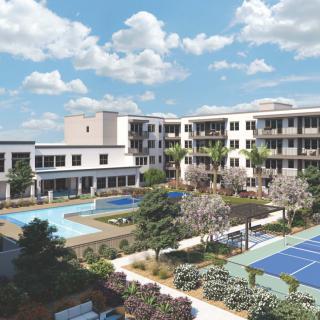
 Your Comprehensive Guide to Luxury Assisted Living: Elevated Facilities, Amenities, and Costs