
2795 West Stonebridge Drive, Wasilla, AK 99654
For more information about senior living options: (866) 208-4318
Northern Living Centers Costs & Pricing
Northern Living Centers offers competitive pricing for its residents, particularly when compared to both the Matanuska-Susitna Borough and the broader state of Alaska. For a studio room, the monthly cost at Northern Living Centers is $3,195, which is slightly lower than the borough's average of $3,259 and significantly more affordable than the state average of $4,197. When it comes to private rooms, Northern Living Centers maintains a price point of $5,395. While this is higher than the borough's rate of $4,137, it still presents a reasonable option compared to Alaska's overall average of $4,977. This pricing structure indicates that Northern Living Centers provides valuable options for potential residents seeking quality care in a comfortable environment without straining their budgets excessively.
| Floor plans | Northern Living Centers | Matanuska-Susitna Borough | Alaska |
|---|---|---|---|
| Studio | $3,195 | $3,259 | $4,197 |
| Private | $5,395 | $4,137 | $4,977 |
Assisted Living communities with a similar price nearby
-
from -$200 / mo

Windy Ridge
$2,995 to $5,450 / month6.0 miles away -
from -$135 / mo
Wolf
$3,060 to $4,000 / month3.9 miles away -
from -$495 / mo
Forget Me Not Care Home
$2,700 to $3,510 / month3.4 miles away -
from -$585 / mo
Eagle House
$2,610 to $4,410 / month1.9 miles away
Overall Review of Northern Living Centers
Pros
 The place is a great living facility off KGB Road.
- It is a beautiful, single-story mansion.
- The facility is a good home.
- NLC has provided the absolute best care for residents for over 11 years.
Cons
 The facility is garbage.
- The environment is neglectful and violently charged.
Review
Northern Living Centers in Wasilla is best suited for families that prize a prestige, single‑story residence and a long‑term care relationship over quick, episodic care. The community reads as an upscale, home‑like environment where mobility is easier due to a single level, and where routines can become comfortable for residents who resist frequent moves. It appeals to families seeking longevity, quiet dignity, and a refined setting that feels more like a well‑appointed home than a traditional facility. In short, this is a choice for those prioritizing an elegant, low‑stimulation atmosphere with the potential for stable, familiar caregiving over high‑acuity, fast‑paced medical intervention.
Still, there are clear reasons some families should consider alternatives. Several firsthand accounts describe neglectful treatment and a harsh, charged atmosphere, which signals serious concerns about safety and staff culture. For loved ones with advanced medical needs, dementia requiring intensive supervision, or a history of agitation that demands consistent, immediate response, other communities with stronger safety protocols, steadier staffing, and clearer accountability would be wiser bets. Families should not overlook the possibility that this environment can vary dramatically from one shift to the next.
On the positive side, the facility’s physical appeal and layout matter in practical ways. A single‑story, upscale home design reduces mobility barriers and creates an open, comfortable footprint for everyday living. Some families report deeply satisfying experiences, and one describes care for a relative lasting more than a decade as highly positive. When staffing is stable and routines are predictable, residents can develop lasting relationships with caregivers, which translates into smoother daily life and reduced stress for both residents and families.
Yet the most dire feedback cannot be ignored. The strongest critiques, phrased as neglect and a violently charged environment, point to culture and safety gaps that should induce serious due diligence. Prospective residents must investigate staffing models, response times, and whether residents are paired with consistent aides. This is not a facility to gloss over; a credible safety and care plan must be visible, with open lines of communication for families and transparent resolution of issues.
The core pros, an attractive, accessible setting and the possibility of enduring caregiver connections, can offset concerns only if management demonstrates real accountability and a steady, well‑trained staff. When those elements are in place, the beautiful environment and familiar routines can deliver genuine quality of life. However, the gravity of the stated safety concerns often sways the balance toward caution. If management can show measurable improvements in staffing stability, resident engagement, and conflict mitigation, the positives may outweigh the negatives for certain families.
For families seriously evaluating Northern Living Centers, the path is clear: schedule multiple in‑person tours at different times, speak candidly with current residents and families, request to review individualized care plans, staffing schedules, and incident logs, and verify state inspection findings. Compare rigorously with nearby options that emphasize consistent staffing, transparent culture, and robust safety protocols. If a credible plan for addressing gaps accompanies a strong, reassuring demonstration of stable caregiving, this community can be a compelling fit for long‑term residency. If not, it is prudent to pursue alternatives that foreground safety, reliable staffing, and a transparent, respectful care culture.
 12 resident community capacity
 Assisted Living
 Board and Care Home
 Cable or satellite TV
 Dining room
 Fully furnished
 Garden
 Housekeeping services
 Move-in coordination
 Outdoor space
 Telephone
 Wi-Fi/high-speed internet available
 24-hour supervision
 Activities of daily living assistance
 Assistance with bathing
 Assistance with dressing
 Assistance with transfers
 Diabetes diet
 Meal preparation and service
 Medication management
 Special dietary restrictions
 Transportation arrangement (medical)
 Transportation to doctors appointments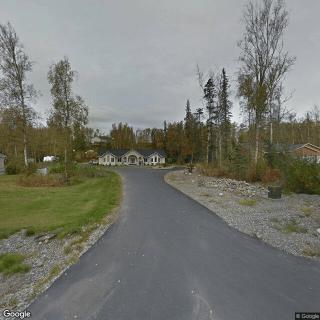
 Assisted Living and Memory Care: Understanding Their Core Differences
 Beyond the Bingo Hall: 50+ Enriching Activities for Seniors in Assisted Living
 Understanding the Distinctions: Assisted Living and Memory Care Explained