
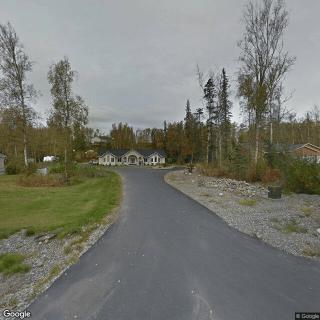
2515 Tundra Rose Drive, Wasilla, AK 99654
For more information about senior living options: (866) 208-4318
Mssca Tundra Rose Costs & Pricing
Mssca Tundra Rose offers a private room option at a monthly cost of $5,740, which is notably higher than both the Matanuska-Susitna Borough average of $4,137 and the statewide average in Alaska of $4,977. This pricing structure may reflect the specialized services and amenities provided by Mssca Tundra Rose, suggesting a focus on personalized care that could justify the premium. While the costs are elevated compared to local and state norms, potential residents and their families may find value in the distinctive offerings that this facility presents.
| Floor plans | Mssca Tundra Rose | Matanuska-Susitna Borough | Alaska |
|---|---|---|---|
| Private | $5,740 | $4,137 | $4,977 |
Overall Review of Mssca Tundra Rose
Pros
 They are a wonderful organization.
- They offer the COVID-19 vaccine and help people schedule appointments.
Cons
 The organization would not provide services for a severely disabled adult child.
- They are a bunch of buffoons collecting state welfare checks, making a living off disabled people.
Review
Mssca Tundra Rose in Wasilla, AK is best suited for families that want a hands-on, relationship-driven care partner. The community appears to excel when it comes to partnering with families and engaging across generations, with direct references to the organization “working with both of my children” and delivering a supportive, collaborative approach. For families seeking a provider that treats care as a shared journey rather than a one-sided delivery, this facility stands out as a practical match. The emphasis on being a reliable organizational ally can reduce the friction that often comes with coordinating multiple caregivers and services, making daily decisions a bit more predictable.
Not every family will find this community the right fit, however. A clear caveat emerges for households with loved ones who require high-level disability supports. One reviewer stated definitively that the facility would not provide services for a severely disabled adult child, framing the organization as inappropriate for cases demanding intensive, specialized care. This speaks to a real limitation: the program’s scope and capabilities may not extend to more complex medical or behavioral needs. For families navigating acute disability in adulthood, it is essential to assess whether the offered services align with the level of care required, rather than assuming flexibility exists across all situations.
The strongest positives center on family engagement and organizational reliability. Reviewers repeatedly highlight a cooperative spirit, an organization that can coordinate with families and address their concerns rather than leaving them to navigate care logistics alone. When care teams demonstrate continuity and responsiveness, they take a significant burden off families, especially those juggling multiple loved ones or chronic conditions. The high proportion of five-star ratings signals genuine satisfaction in areas like communication, trust, and the sense that the organization treats family input as a core value rather than an afterthought.
Yet the community must contend with credible, specific cautions. A subset of reviews signals disappointment or distrust around staff performance or the organization’s handling of certain situations. Descriptions of frustration or skepticism toward the team’s effectiveness underscore the importance of due diligence. While these views are not universal, they indicate variability in the experience, some families find the care partner model highly dependable, others encounter friction that can erode confidence. Prospective families should seek firsthand assurances about staff qualifications, decision-making processes, and the availability of experienced leadership to intervene when concerns arise.
The best way to weigh these dynamics is to anchor expectations in concrete, up-front questions. Prospects should request detailed care plans, outline the exact scope of services available, and verify whether staff have specialized training relevant to their loved one’s needs. Visiting the community with a list of concerns and speaking directly with current families can reveal whether the claimed family-focused approach translates into everyday practice. In addition, transparency on care coordination, how external professionals are engaged, how changes in condition are communicated, and who has final authority, will distinguish a solid match from a merely adequate one.
In the end, this community represents a practical option for families who prize partnership and clarity in daily care. It is less suitable for households facing high-acuity disabilities that require extensive, specialized medical support. The gap between the strong, positive feedback about family collaboration and the explicit service limitations noted by at least one reviewer should guide the decision process. For families willing to conduct thorough due diligence, ask the hard questions, tour the facility, and verify service boundaries, Mssca Tundra Rose can be a dependable, low-drama choice that keeps family involvement at the center of care.
 2 resident community capacity
 Assisted Living
 Board and Care Home
 Cable or satellite TV
 Dining room
 Fully furnished
 Garden
 Housekeeping services
 Move-in coordination
 Outdoor space
 Telephone
 Wi-Fi/high-speed internet available
 24-hour supervision
 Activities of daily living assistance
 Assistance with bathing
 Assistance with dressing
 Assistance with transfers
 Diabetes diet
 Meal preparation and service
 Medication management
 Special dietary restrictions
 Transportation arrangement (medical)
 Transportation to doctors appointments

 Assisted Living Expenses and Long-Term Care Insurance: A Comprehensive Exploration
 Securing Financial Support for Assisted Living: A Comprehensive Overview
 Social Security Benefits and Assisted Living: Navigating Options Across the U.S.