

Anchorage, 9110 Jupiter Dr, AK 99507
To contact a resident: (907) 677-9289
For more information about senior living options: (866) 208-4318
Overall Review of Laima Assisted Living Home
Pros
 The Marietta House is described as one of the best in Anchorage, with staff treating residents like family.
- The Lommel family and their staff provide attentive, personalized care, taking time to get to know each resident.
- Bonnie’s meticulous attention to detail and experience are credited with delivering top-notch care.
- Alex and Bonnie are described as wonderful, caring, professional, and a blessing to families, providing constant communication.
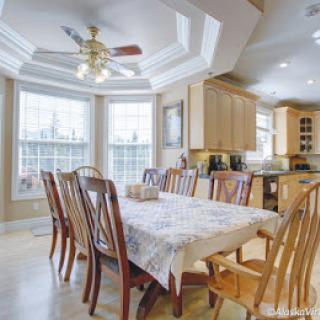
- The facility has a beautiful, welcoming, family-like atmosphere with home-cooked meals.
- The owners are hands-on and ensure each family’s needs and preferences are respected.
- Families consistently recommend The Marietta House and feel comfortable and at home there.
Cons
 The family felt denied access to information and that Bonnie refused to speak with them after questioning the care.
- Hospice staff reportedly predicted a worse prognosis that did not match the patient’s actual condition.
- The mom was told visits would occur but never happened after being discharged back to Marlow Manor.
- The food portions were small, and the mom lost 18 pounds.
- There were questions about the propriety of caregivers selling property to Alex.
- The mom claimed hospice failed.
- An informed advocate felt unwelcome, demeaned, and put off.
Review
Laima Assisted Living Home is best suited for seniors who want a warm, intimate, family-run environment where the owners are directly involved in daily care. The model works exceptionally well for residents who value personal attention, frequent face-to-face interaction with caregivers, and a home-like rhythm rather than an institutional feel. In this setting, residents are known by name and routines can be adapted to personal preferences, creating a sense of belonging and continuity that many larger facilities struggle to deliver. Families seeking a comfortable, domestic atmosphere where care feels relational and deeply individualized will find Laima a compelling match.
Those who may want to consider alternatives are seniors with higher medical complexity or those requiring robust, on-site clinical oversight. If the plan centers on round-the-clock nursing, rapid access to diagnostic services, or formal, structured governance with extensive transparency around medical records, a larger community or an independent care network may be better suited. Also, families who require unwavering information flow and clearly delineated decision-making pathways may find a more corporate setting offers the predictability they prefer. For residents who must navigate complex treatments or frequent medical changes, a scalable environment with built-in medical support could be a wiser choice.
The strongest pro here is the human touch: owners who are hands-on and staff who treat residents like family. That level of engagement typically translates into highly responsive care, a comforting sense of security, and thoughtful consideration of beliefs and preferences at end of life. The home atmosphere, clean, well-maintained, and filled with the aroma of home-cooked meals, amplifies daily well-being and reduces the clinical distance many seniors fear. These advantages tend to offset concerns about limited medical staffing by delivering stability, predictability, and emotional support that only a small, intimate setting can provide, where residents rarely feel like mere numbers.
Another clear strength is the accessibility of the core team. Families often report the owners’ willingness to stay connected and involved, which can ease patient and family anxiety during transitions or medical decisions. The tight-knit environment fosters transparent, day-to-day communication about needs, preferences, and daily schedules. However, the flip side in a small, owner-operated home is that information sharing and decision-making can become highly dependent on individual personalities. When a family advocate seeks broader access to medical details or questions the care plan, responses may be slower or more nuanced than in larger facilities with formal channels. This is a real dynamic to anticipate.
From a due-diligence perspective, prospective residents should verify policies around advocacy, medical information access, and how disputes or misunderstandings are resolved. Prospective families ought to ask how dietary needs, weight changes, and palliative considerations are tracked, who reviews hospice input, and how freedom to visit is balanced with privacy and resident autonomy. It is prudent to confirm that boundaries between staff and financial decisions are clear and ethical, given that some reviews in similar settings have noted boundary tensions or unexpected perceived conflicts of interest. Clarity on these points helps ensure the warmth of a family home does not overshadow the need for transparent governance.
In the end, Laima Assisted Living Home offers a compelling option for families prioritizing intimate, person-centered care delivered by owners who know residents well and act with their best interests in mind. It is an ideal match for those who value daily warmth, home-like routines, and a sense of belonging that grows from close relationships with caregivers. For families seeking a more formalized care model with extensive medical oversight, rigid information-sharing protocols, or scale-driven governance, alternatives with larger staff structures or corporate oversight may deliver the level of certainty they require. The decision hinges on balancing the strength of personal connection against the desire for formalized transparency and clinical capacity.
 Board and Care Home
 Ted Stevens Anchorage International (7 miles away)


 Comprehensive Insights into Palliative Home Care: What It Is and What to Expect
 Skilled Nursing Facilities vs. Nursing Homes: Making Sense of the Differences
 A Detailed Examination of Nursing Home Costs Across the U.S.