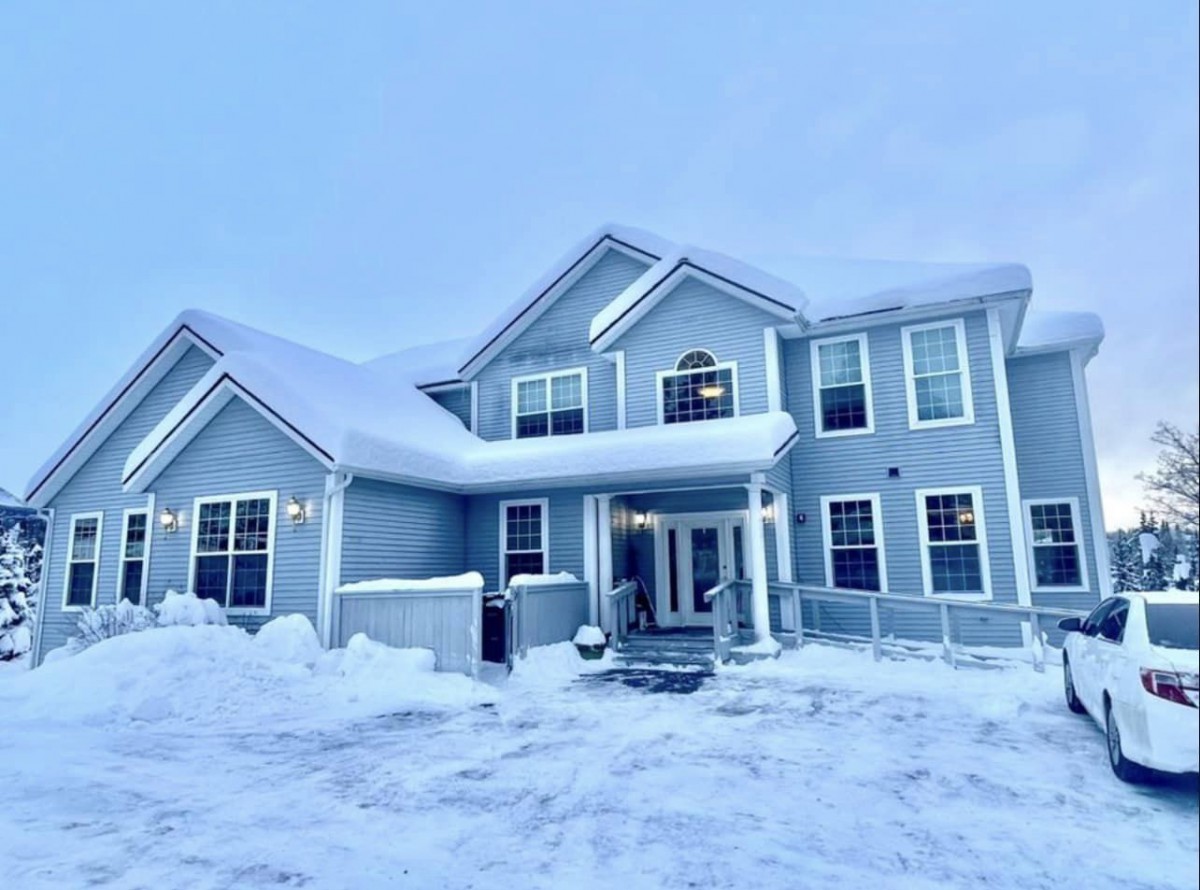


9435 Nickell Cir, Anchorage, AK 99507
To contact a resident: (907) 346-1556
For more information about senior living options: (866) 208-4318
Overall Review of Thrive Assisted Living
Pros
 Thrive Assisted Living Home is described as professional, with staff who are compassionate and kind.
- The owners exemplify true dedication and love for their clients, consistently going above and beyond to create a nurturing environment.
- The staff, under the guidance of the owners, demonstrate compassion and professionalism in their interactions with residents, fostering belonging and security.
- Thrive Assisted Living Home leaves an indelible impression of compassion, respect, and genuine care, with an atmosphere of warmth and dedication.
- The team shows an unwavering commitment to personalized care, treating each resident as an individual with dignity and autonomy.
- The owners and team provide superb care for residents and their families, offering comfort and reassurance.
Cons
 It used to be first class, but it is no longer.
- A lot of residents’ belongings, including winter coats, went missing.
- A resident’s father died of acute dehydration and the start of kidney failure.
- They are not assisted in reminding residents to maintain hygiene.
- Residents were put to bed early, and employees congregated in the office area to chat.
- The admin is terrible to staff, rarely involved, and has controlled substances lying around the house.
- The admin brushes many issues under the rug and uses her position to bully younger staff.
- The owners won’t address it or hire a new admin who would better serve the business.
- A resident who was housed there was caught smoking from a pipe several times, and they let her stay.
- They are two years behind on Medicaid documents and should be shut down.
- They leave medication cabinets unlocked, and a resident was found with lorazepam in her sock that did not belong to her.
Review
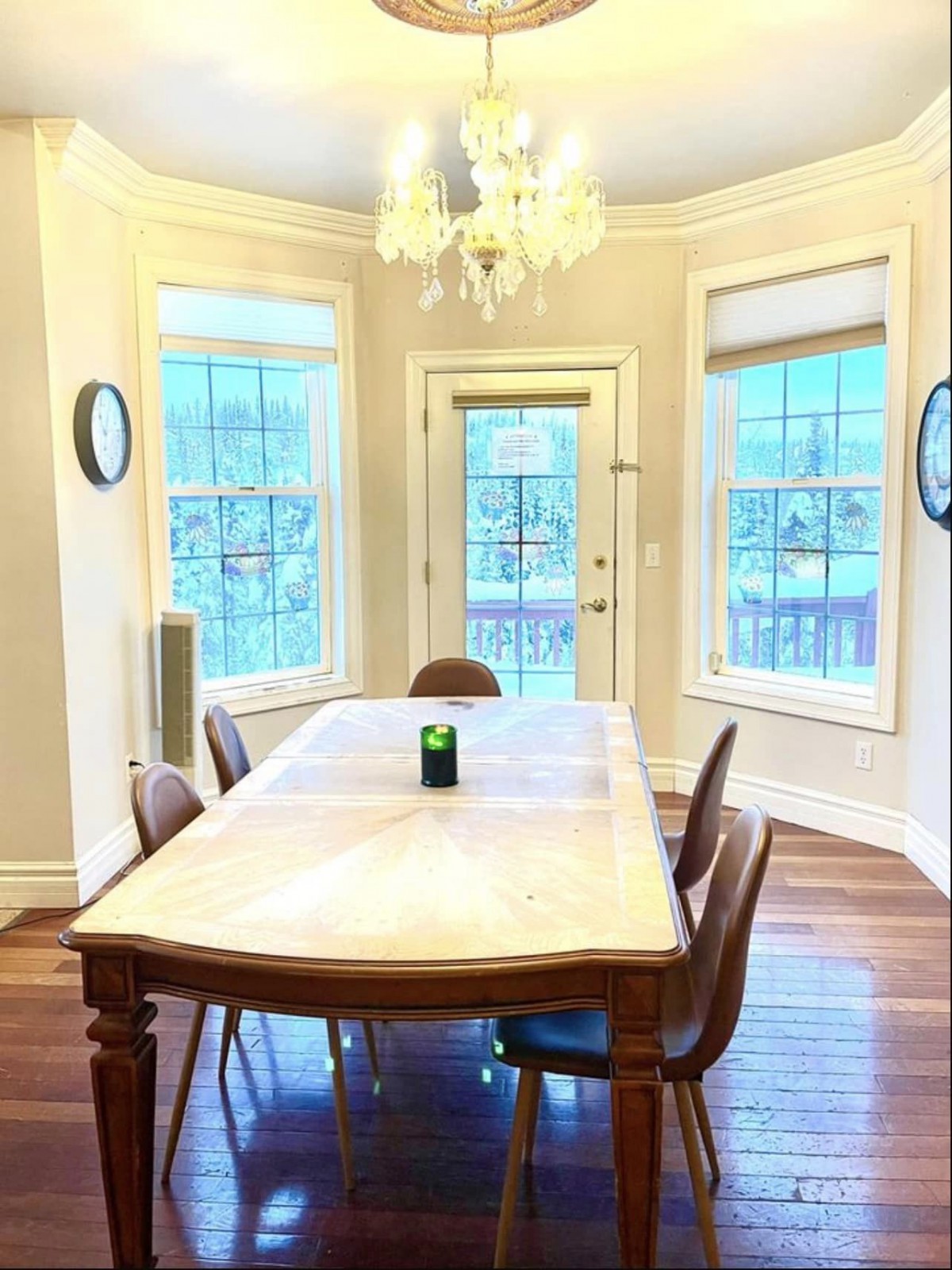
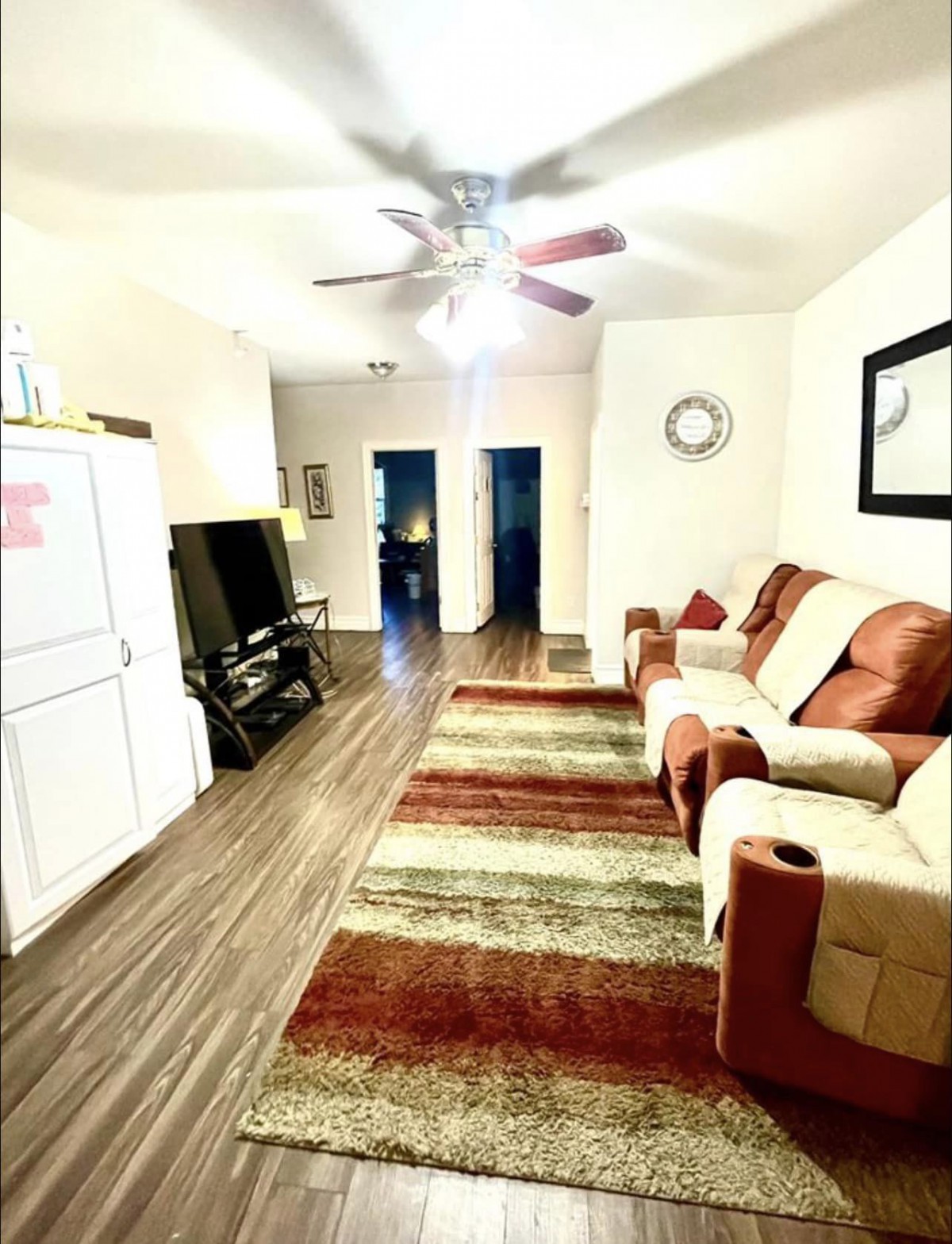
Thrive Assisted Living in Anchorage is best suited for families that prize a warm, home-like atmosphere where staff consistently demonstrates compassion and residents receive highly personalized attention. The strongest endorsements center on owners who are deeply involved in daily life, creating a sense of belonging, respect, and genuine care. For families willing to accept a setting that leans heavily on intimate, person-centered care and where the emotional climate feels reassuring, Thrive can deliver meaningful peace of mind.
Those with the strongest reason to consider alternatives are families that prioritize airtight administrative governance, rigorous safety protocols, and ironclad medication management. If clear accountability, consistent policy enforcement, and verifiable compliance with regulatory requirements are non-negotiable, the concerns raised about Thrive merit serious attention. In particular, facilities with documented administrative issues, strong medication controls, and demonstrable oversight tend to be more reliable for residents needing ongoing oversight and predictable routines.
On balance, the pros at Thrive, exceptional compassion from caregivers, distinctive owner leadership, and a clearly person-first approach, offer substantial value that can offset some imperfect dynamics. When the owners and direct care team align around each resident’s dignity, autonomy, and preferences, residents often experience a sense of security and individualized attention that can be hard to find elsewhere. That warmth and attentiveness can translate into meaningful daily quality of life, especially for residents who respond best to steady, relationship-driven care.
However, the main cons cannot be dismissed. Several reviews document serious lapses in safety and governance: uncoupled administrative oversight, medication security vulnerabilities, and a pattern of organizational weaknesses that leave residents exposed. Instances cited include unlocked medication cabinets and controlled substances being accessible, a resident found with lorazepam in a sock, and a broader concern that Medicaid documentation can lag markedly. Additional red flags include reports of belongings going missing, indications that hygiene reminders may not be consistently enforced, and staff behaviors suggesting a disconnect between front-line care and administrative leadership. Taken together, these factors undermine confidence in dependable, compliant operation.
From a practical decision-making standpoint, families should pursue concrete assurances before committing. Insist on seeing the latest state licensing and Medicaid/Medicare compliance documentation, recent incident reports, and any corrective action plans. Request a tour focused on medication handling practices, storage, and administration procedures, as well as staffing schedules, turnover rates, and how care plans are monitored and updated. Speak directly with front-line caregivers and, if possible, current residents or their families about daily routines, responsiveness, and how concerns are addressed. Require a written safety protocol outlining how emergencies, dehydration risks, or behavioral challenges are managed, along with a clear plan for antibiotic or pain-management oversight. These steps help gauge whether the warmth can be reliably sustained alongside robust safety.
In the end, Thrive presents a compelling case for families who value heart-led care and intimate attention, and who accept that administrative governance will need ongoing scrutiny. If personal care remains the top priority and a nurturing environment is non-negotiable, Thrive can be a strong match, provided the governance gaps are openly acknowledged and actively remedied. For those who cannot tolerate uncertain oversight, or who require consistently strict medication controls and verifiable compliance, alternatives with proven administrative stability and transparent safety records should be pursued. The right choice hinges on balancing the undeniable human warmth with the imperative of durable, verifiable care systems.
 Board and Care Home
 Ted Stevens Anchorage International (8 miles away)



 Comprehensive Insights into Palliative Home Care: What It Is and What to Expect
 Skilled Nursing Facilities vs. Nursing Homes: Making Sense of the Differences
 A Detailed Examination of Nursing Home Costs Across the U.S.