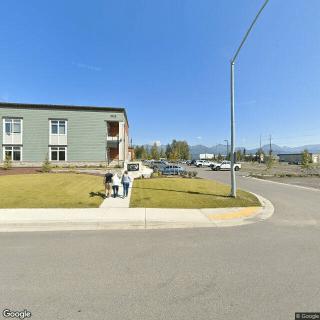
Day Spring Alh in Anchorage, AK

Information last verified:

4732 Denali Street, Unit 2, Anchorage, AK 99503

For more information about senior living options: (844) 490-3973

3.2 from 14 reviews
5 stars
7
4 stars
0
3 stars
1
2 stars
1
1 stars
5

Overall Review of Day Spring Alh

Pros

  • pro The staff at Maple Springs is dedicated to resident care and strives to provide a high level of care.
  • pro The overall care is very good and the staff show strong concern for residents.
  • pro Lynda, the head of nursing, is transparent, professional, and communicates directly and respectfully.
  • pro Being involved and getting to know the staff helps build trust and improve communication.
  • pro Maple Springs is one of the best long-term care options available in Anchorage.
  • pro The facility is beautiful, with a warm, welcoming environment and staff who genuinely care about residents' happiness and well-being.
  • pro There are fun, engaging activities every day and the meals are amazing.
  • pro The atmosphere is great, with friendly, caring staff in the activities program and a sense of family.

Cons

  • pro The facility had zero safety protocols.
  • pro There was no front desk presence, allowing unauthorized entry.
  • pro Residents were neglected and terribly unhappy.
  • pro A caregiver handled the resident roughly.
  • pro A resident died after contracting an infection while in their care.
  • pro The facility is described as a third-rate care facility with a first-rate facade.
  • pro Medical errors occurred and communication was poor.
  • pro There were reports of neglect and residents being mishandled, left in soiled briefs.

Review

This community is best suited for families that want a hands-on, engaged approach to long-term care and are prepared to connect regularly with leadership and front-line staff. The strongest advocates among residents’ families describe a setting where the nursing leadership is accessible, responsive, and capable of transparency when problems arise. When families can participate consistently, visiting often, building relationships with caregivers, and shaping communication styles, the care process can feel collaborative and trustworthy. The atmosphere can be warm and activity-rich, with appealing meals and a plan for meaningful daily routines. In short, this option works best for those who value an active partnership with a care team and can commit to ongoing oversight to keep care aligned with evolving resident needs.

However, several families should consider other options, or at least proceed with heightened diligence. The most urgent red flags center on safety, consistency, and accountability. Reports of lapses in safety protocols, blank front-desk oversight, and opportunities for unauthorized access to residents create a concerning baseline risk. Multiple accounts describe neglectful moments, from residents left in soiled conditions to delays in medical attention that had serious consequences. The most troubling narratives involve neglect leading to infections, deteriorating health, and even death. For families whose tolerance for risk is low or whose loved one requires continuous, tightly supervised medical attention, this community may not be the best match without rigorous safeguards and ongoing verification of practice.

The core advantages, genuine staff interest in resident well-being, a culture of transparency from nursing leadership, and a willingness to adjust care plans through direct, respectful dialogue, do offer meaningful counterweights to some challenges. When staff listen, admit mistakes, and work collaboratively with families to reset expectations, care can improve in real time. The presence of involved activity staff, welcoming social programs, and strong meal quality also contribute to a resident-centric experience that supports mood, engagement, and social connection. These positives matter, particularly for residents who prioritize a vibrant daily routine and a home-like feel. Yet these strengths only partially offset the most serious concerns about safety, consistency, and care oversight.

The persistent cons, however, are not ancillary. They touch the core of daily safety and the reliability of essential care. Reports of med errors, miscommunications, and staff attitudes undermine trust and complicate decision-making for families already navigating the emotional terrain of elder care. Instances of neglect or rough handling, and anecdotal testimony about staff being distracted or engaged elsewhere, create a distressing discrepancy between a facility’s pleasant environment and the lived reality of residents. The fact that some families describe dramatic outcomes, hospitalizations, infections, or the loss of a loved one, amplifies the urgency of weighing these risks against the perceived benefits of a bright, activity-rich setting. In short, the positives cannot fully compensate for the gravity of safety and accountability gaps described by multiple families.

For families considering this community, a practical due-diligence plan matters. Schedule a candid tour focused on safety culture: observe the front desk, assess how visitors are greeted, and inquire about access control and incident reporting. Ask direct questions about staffing ratios during peak hours, the cadence of medication administration, and how daily care plans are communicated to families. Request to see recent quality metrics and incident logs, and speak with several caregivers about how they handle emergencies and daily routines. Talk to multiple family members of current residents to gauge whether experiences remain consistent over time, not merely during a single good day. Finally, verify where leadership stands on ongoing training, accountability, and concrete improvements, because a facility with a history of serious safety concerns can still implement meaningful changes, but only if those changes are ongoing and verifiable.

The verdict for this Anchorage option is that it represents a complex, high-stakes choice. For families who can sustain frequent involvement, demand clear accountability, and prioritize a warm atmosphere and active programming, this community can deliver meaningful quality of life and responsive care when operating at its best. Yet the spectrum of experiences in the reviews indicates that safety and consistency are not guaranteed, and the most serious accounts demand caution. Alternatives with a more demonstrable safety record and steadier oversight may be preferable for those who cannot tolerate the risk of neglect, inconsistent med management, or front-line lapses. In the end, the decision hinges on the family’s capacity to supervise, the resident’s care needs, and the willingness to pursue rigorous, ongoing verification of care standards.

Features

Housing

  • 5 resident community capacity 5 resident community capacity

Types of Care

  • Assisted Living Assisted LivingAssisted living facilities provide crucial support and care for seniors who may need help with daily tasks such as medication management, bathing, and meal preparation. These communities offer a safe and comfortable environment where seniors can maintain their independence while receiving the assistance they need to thrive in their golden years.
  • Board and Care Home Board and Care HomeBoard and care homes provide a smaller, more intimate setting for seniors who require assistance with daily tasks but do not need the level of care offered by a nursing home. They offer personalized care, meals, and social activities in a homelike environment, ensuring that seniors receive individualized attention and support in their golden years.

Amenities

  • Cable or satellite TV Cable or satellite TVCable or satellite TV is important for seniors because it provides entertainment, news, and companionship, helping to combat loneliness and boredom. It also offers a wide range of programming options tailored to different interests and preferences.
  • Dining room Dining roomDining rooms are important for seniors as they provide a space for socialization, connection, and nutritious meals. They offer opportunities for residents to bond over shared meals, foster a sense of community, and promote healthy eating habits. Dining rooms also ensure that seniors have access to well-balanced meals tailored to their dietary needs and preferences.
  • Fully furnished Fully furnishedFully furnished senior living communities are important for seniors because they provide convenience, comfort, and a hassle-free moving experience. Seniors can easily settle into their new living space without the stress of having to buy and move furniture. This allows them to focus on enjoying their new home and community.
  • Garden GardenGardens are important for seniors as they provide a peaceful and therapeutic environment for relaxation, physical activity, and socialization. Being in nature has been shown to reduce stress, improve mood, and promote overall well-being. Gardens also offer opportunities for seniors to engage in gardening activities, which can improve mobility, flexibility, and cognitive function. Additionally, gardens create a sense of community and connection with others who share a passion for plants and outdoor spaces.
  • Housekeeping services Housekeeping servicesHousekeeping services are important for seniors because they help maintain a clean and safe living environment, promote independence, and reduce the risk of accidents or illnesses. Additionally, having assistance with household chores can alleviate physical strain and allow seniors to focus on other aspects of their well-being.
  • Move-in coordination Move-in coordinationMove-in coordination is important for seniors because it helps ease the transition into their new living environment. It ensures that all logistics, such as packing, organizing movers, and setting up utilities are taken care of, allowing seniors to focus on settling in and adjusting to their new home. Having a smooth move-in process can alleviate stress and anxiety, making the transition smoother and more enjoyable for seniors.
  • Outdoor space Outdoor spaceOutdoor spaces are important for seniors as they provide opportunities for physical activity, social interaction, exposure to natural light and fresh air, and a sense of connection to nature. Having access to outdoor spaces can improve overall well-being and quality of life for older adults living in senior communities.
  • Telephone TelephoneTelephones are important for seniors as they provide a lifeline for communication with loved ones, emergency services, and healthcare providers. They offer a sense of security and independence, enabling seniors to stay connected and access assistance when needed.
  • Wi-Fi/high-speed internet available Wi-Fi/high-speed internet availableWi-Fi/high-speed internet is important for seniors to stay connected with loved ones, access online resources, and participate in virtual activities to combat feelings of loneliness and isolation. It also allows them to easily manage healthcare needs, access entertainment, and engage in lifelong learning opportunities.

Transportation

  • Ted Stevens Anchorage International (4 miles away) Ted Stevens Anchorage International (4 miles away)

Care Services

  • 24-hour supervision 24-hour supervision24-hour supervision is important for seniors to ensure their safety, well-being, and access to immediate assistance in case of emergencies or health issues. This constant support provides peace of mind for both seniors and their loved ones, allowing them to age in place with dignity and security.
  • Activities of daily living assistance Activities of daily living assistanceActivities of daily living assistance are important for seniors because they provide essential support with tasks such as eating, bathing, dressing, and mobility. This assistance helps seniors maintain their independence, dignity, and overall quality of life as they age.
  • Assistance with bathing Assistance with bathingAssistance with bathing is crucial for seniors as it helps maintain personal hygiene, prevents infections, and ensures their overall well-being and comfort. It also provides a sense of dignity and independence for seniors who may struggle with this task on their own.
  • Assistance with dressing Assistance with dressingAssistance with dressing is important for seniors because it helps maintain their independence, promotes personal hygiene, prevents accidents and injuries, and improves overall quality of life. This service ensures that seniors can continue to dress comfortably and confidently, despite any physical limitations they may have.
  • Assistance with transfers Assistance with transfersAssistance with transfers is crucial for seniors as it helps prevent falls and injuries, maintains their independence, and ensures they can safely navigate their living environment. It also provides peace of mind for both seniors and their loved ones.
  • Coordination with health care providers Coordination with health care providersCoordination with health care providers is crucial for seniors to ensure proper medical care, medication management, and overall well-being. This collaboration helps prevent overlapping treatments, track progress more effectively, and provide comprehensive support tailored to individual needs.
  • Diabetes diet Diabetes dietA diabetes diet is crucial for seniors as it helps manage blood sugar levels, reduce risks of complications, and improve overall health and well-being. By following a balanced and nutritious diet tailored to their specific needs, seniors can better control their diabetes and enhance their quality of life.
  • Meal preparation and service Meal preparation and serviceMeal preparation and service are crucial for seniors as they may have limited mobility or energy to cook nutritious meals. Having access to healthy and convenient food options can ensure they are getting the proper nutrition needed to maintain their overall health and well-being.
  • Medication management Medication managementMedication management is crucial for seniors to ensure they are taking the right medications at the correct dosages and times. This helps prevent adverse drug interactions, reduces the risk of medication errors, and promotes overall health and well-being. Proactive management also allows for adjustments as needed based on changing health conditions or new prescriptions.
  • Special dietary restrictions Special dietary restrictionsSpecial dietary restrictions are important for seniors because age-related changes in metabolism and health conditions can make it difficult for their bodies to process certain foods. By following a diet tailored to their specific needs, seniors can maintain their overall health and well-being, manage chronic conditions, and reduce the risk of complications such as malnutrition or food interactions with medications.
  • Transportation arrangement (medical) Transportation arrangement (medical)Transportation arrangements for medical purposes are essential for seniors as they may have difficulty driving themselves to appointments or accessing public transportation. Having reliable and safe transportation options ensures that seniors can receive timely medical care and maintain their health and well-being.
  • Transportation to doctors appointments Transportation to doctors appointmentsTransportation to doctors' appointments is crucial for seniors as it ensures they have access to necessary medical care and support for their health needs. Without reliable transportation, seniors may struggle to attend important appointments, leading to potential delays in treatment and health complications. Providing transportation services helps seniors maintain their overall well-being and quality of life.

Dining

  • Diabetes diet Diabetes dietA diabetes diet is crucial for seniors as it helps manage blood sugar levels, reduce risks of complications, and improve overall health and well-being. By following a balanced and nutritious diet tailored to their specific needs, seniors can better control their diabetes and enhance their quality of life.
  • Special dietary restrictions Special dietary restrictionsSpecial dietary restrictions are important for seniors because age-related changes in metabolism and health conditions can make it difficult for their bodies to process certain foods. By following a diet tailored to their specific needs, seniors can maintain their overall health and well-being, manage chronic conditions, and reduce the risk of complications such as malnutrition or food interactions with medications.

Activities

  • Community-sponsored activities Community-sponsored activitiesCommunity-sponsored activities are important for seniors as they provide opportunities for social interaction, mental stimulation, and physical activity. These activities can help improve overall well-being, combat loneliness and isolation, and promote a sense of belonging and purpose among older adults.
  • Scheduled daily activities Scheduled daily activitiesScheduled daily activities are important for seniors because they provide structure, socialization, mental stimulation, and physical activity. Engaging in regular activities can improve overall well-being and quality of life for seniors living in a community setting.

Description

Day Spring Alh is an assisted living community located in Anchorage, AK. We offer board and care home services for individuals who require assistance with their daily activities. Our facility provides a comfortable and fully furnished living space for our residents.

At Day Spring Alh, we prioritize the well-being and comfort of our residents. Our amenities include a dining room where nutritious meals are served daily, ensuring that dietary restrictions are adhered to. Housekeeping services are also provided to maintain a clean and tidy environment.

We understand the importance of outdoor space and nature, which is why we have a garden available for our residents to enjoy. Additionally, we provide Wi-Fi/high-speed internet access, allowing individuals to stay connected with their loved ones.

Our dedicated staff is trained to offer assistance with activities of daily living such as bathing, dressing, and transfers. We also coordinate with health care providers to ensure that our residents receive the necessary medical attention they need. Medication management and diabetes diets are carefully monitored by our team.

Transportation arrangements for medical appointments are available, providing convenience to our residents. In terms of nearby amenities, there are several cafes, parks, pharmacies, physicians' offices, restaurants, places of worship, and hospitals conveniently located near Day Spring Alh.

To promote social interaction and engagement among our residents, we organize scheduled daily activities within our assisted living community.

Overall, at Day Spring Alh in Anchorage, AK, we strive to create a supportive environment where individuals can receive the care they need while enjoying a welcoming atmosphere.

Nearby Places of Interest

Hospitals

  • Providence Alaska Medical Center (0.1 miles)
  • St. Elias Specialty Hospital Wound Care (0.1 miles)
  • Concentra Urgent Care (1.3 miles)
  • Providence Alaska Medical Center (1.8 miles)
  • Providence Health & Services Alaska (1.8 miles)
  • Providence Sleep Disorders Center (1.9 miles)

Cafes

  • Starbucks (0.3 miles)
  • Black Cup (1.1 miles)
  • Starbucks (1.4 miles)
  • Kingfisher Coffee (1.5 miles)
  • Starbucks (1.7 miles)

Restaurants

  • IHOP (0.3 miles)
  • New Peanut Farm (0.5 miles)
  • McDonald's (0.8 miles)
  • Popeyes Louisiana Kitchen (1.2 miles)
  • Wendy's (1.2 miles)
  • Arby's (1.2 miles)
  • Matanuska Brewing - Midtown Anchorage (1.2 miles)

Physicians

  • Anchorage Neighborhood Health Center (0.4 miles)
  • Aesthetica Medical Spa (0.6 miles)
  • Polar Pediatrics (0.6 miles)
  • Geneva Woods E.N.T. (0.8 miles)
  • Anchorage Audiology Clinic (0.8 miles)
  • Patrick Martinez MD (0.9 miles)
  • Grendahl Eye Associates (1 miles)

Pharmacies

  • Geneva Woods Pharmacy (0.6 miles)
  • Walmart Pharmacy (1 miles)
  • Safeway Pharmacy 0720 Anchorage (1.2 miles)
  • Carrs-#0720 (1.2 miles)
  • Fred Meyer Pharmacy (1.2 miles)
  • Carrs Pharmacy (1.3 miles)
  • Walgreens (1.3 miles)

Parks

  • Woodside Park (1.7 miles)
  • Valley of the Moon Park (2 miles)

Places of Worship

  • Lutheran Church of Hope (1.9 miles)

Frequently Asked Questions

Where is Day Spring Alh?

Nearby Communities

  • CJW Healthcare

    CJW Healthcare

    Anchorage, AK

    4 from 110 reviews
     

    pro Comprehensive care and amenities (24/7 supervision, ADL support, transport) with move-in coordination.

  • Christian Assisted Living Home

    Christian Assisted Living Home

    Anchorage, AK

    4.7 from 14 reviews
     

    pro Small, intimate setting with personalized care and comprehensive daily support

  • Providence Extended Care Ctr

    Providence Extended Care Ctr

    Anchorage, AK

    4.1 from 9 reviews
     

    pro Comprehensive skilled nursing with spiritual and social engagement and diabetic care.

  • Hope West 42nd 2

    Hope West 42nd 2

    Anchorage, AK

    4.3 from 41 reviews
     

    pro Small, personalized care with 24/7 supervision and comprehensive daily living support.

  • McKenzie Assisted Living Home I

    McKenzie Assisted Living Home I

    Anchorage, AK

    1.9 from 17 reviews
     

    pro Small, personalized setting with comprehensive care, meals, housekeeping, and activities.

  • Open Arms Assisted Living

    Open Arms Assisted Living

    Anchorage, AK

    5 from 2 reviews
     

    pro Comprehensive care services and on-site amenities in a warm, fully furnished setting.

  • Aspen Creek

    Aspen Creek

    Anchorage, AK

    4.7 from 64 reviews
    $6,200 to $7,500 / month

    pro Friendly, attentive staff in a beautiful, well-maintained facility with engaging activities.

Assisted Living in Nearby Cities

Related Resources

  • assisted living for disabled adultsComprehensive Supportive Living Arrangements for Adults with Disabilities

    Assisted living for adults with disabilities has transformed to provide personalized care and support services aimed at improving residents' quality of life while balancing independence and assistance. However, low-income individuals often face challenges in affording these services, requiring navigation of various financial resources and advocacy for better policies and solutions.

  • how to pay for assisted livingFunding and Affording Assisted Living: A Thorough Overview

    Assisted living facilities provide support for older adults needing help with daily activities without extensive medical care, but their costs can be high and vary by location and services offered. Families often seek various funding options and financial strategies to manage these expenses effectively while considering future needs and potential price increases.

  • assisted living insuranceAssisted Living Expenses and Long-Term Care Insurance: A Comprehensive Exploration

    The article discusses assisted living expenses, the importance of long-term care insurance in covering these costs, and various financing options, highlighting the need for careful policy review and early planning to address potential needs. It also clarifies common misconceptions about Medicare and private health insurance limitations regarding long-term care coverage.