
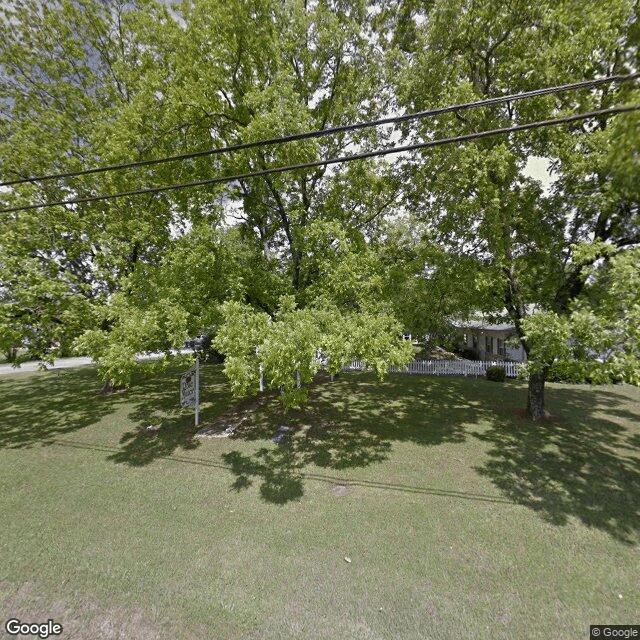
41818 Al 195, Haleyville, AL 35565
To contact a resident: (205) 485-2422
For more information about senior living options: (866) 208-4318
Overall Review of Rose Manor Of Haleyville
Pros
 The staff here is wonderful.
- The meals are very good.
- The staff became her family and provided excellent care.
- All of the nursing assistants are professional and loving.
- The facility for Memory Care is highly recommended.
- Rose Manor of Haleyville is described as great, uplifting, light, and airy.
- The TV room is big and well lit with natural sunlight and windows.
- The food is great.
Cons
 He could not stay there because the facility provides only one-person assist, which didn’t meet his two-person needs.
Review
Rose Manor of Haleyville is best suited for seniors who need memory-care support and want a care team that treats residents like family, delivered in a comfortable, homelike setting. The most compelling picture from the community’s reviews is of staff who are attentive, proactive, and deeply engaged with both residents and families. For families seeking clear, ongoing communication about a loved one’s condition and timely coordination with the primary care provider, Rose Manor offers practical peace of mind. The environment supports well-being through light-filled spaces, pleasant common areas, and a rhythm that feels calm and home-like. In short, this is a strong fit for memory-care needs where single-person assist is sufficient and where consistent staffing and warmth are prioritized over higher-acuity, multi-care needs.
Those weighing Rose Manor against alternatives should be mindful of a key limitation. Residents who require two-person assist or more intensive mobility support may want to consider other options. The facility appears optimized for one-person transfers rather than heavier supports, and one review explicitly notes that two-person assist needs would preclude continued placement. For families facing the likelihood of lift equipment, frequent manual transfers, or comprehensive, around-the-clock nursing acuity, exploring communities with higher-capacity staffing or different care models would be prudent.
The strengths at Rose Manor are tangible and substantial. The staff’s warmth and professionalism come through in every mention: nursing assistants who are described as loving and capable, and leaders who stay on top of evolving health needs. The care diminishes the sense of isolation that can accompany memory-care transitions because communication with families and with primary care providers is pragmatic and timely. Food is consistently described as good, which matters for daily satisfaction and overall wellness. The memory-care focus is more than a label here; it informs routines, monitoring, and a culture that families can trust to prioritize comfort and safety.
Environment and design amplify the care model. Residents typically have a compact studio-style living space, living area, separate bedroom, and bath, paired with a bright TV room and ample natural light. This arrangement fosters familiarity and reduces confusion for memory-impaired residents, while the one-story, accessible layout supports safe movement for those who can manage with one-person assistance. The overall atmosphere is uplifting and airy, which both staff and families credit as a meaningful contributor to daily calm and engagement. Taken together, the setting and the caregiving approach create a dependable, low-stress backdrop for memory-care routines.
Despite the clear advantages, the single-occupant-assist framework remains the central constraint. For families whose loved one’s condition is characterized by frequent transfers, high fall risk, or the need for two-person assistance during many activities of daily living, Rose Manor may not meet all requirements. The peace of mind derived from attentive staff and a warm community can be offset only so far by variability in transfer support; this gap is objectively the most consequential consideration for placement decisions. In practical terms, the facility is a strong match for one-person transfer scenarios and memory-care needs, but less suitable when higher acuity or more intensive physical care is anticipated.
For decision-making in Haleyville, Rose Manor stands out as a confident, well-supported option when memory care and a nurturing, hands-on staff are the top criteria. It is not a universal fit, however, and families should assess the likelihood of needing two-person assist or more robust medical acuity over time. Prospective residents, especially those with a clear preference for a bright, home-like environment and proactive care coordination, will find a compelling balance of warmth, attentiveness, and quality meals that many facilities struggle to match. Before choosing, families should observe caregiver interactions during routines, confirm staffing patterns across shifts, and verify the facility’s readiness to address evolving needs and coordinate with the resident’s PCP. If the assessment points to one-person assist plus memory-care strength, Rose Manor becomes a strongly advisable choice. If not, keep alternatives in clear view to compare acuity, cost, and pace of care.
 16 resident community capacity
 Assisted Living
 Board and Care Home
 Memory Care
 Cable or satellite TV
 Dining room
 Fully furnished
 Garden
 Housekeeping services
 Move-in coordination
 Outdoor space
 Telephone
 Wi-Fi/high-speed internet available
 24-hour supervision
 Activities of daily living assistance
 Assistance with bathing
 Assistance with dressing
 Assistance with transfers
 Diabetes diet
 Hospice waiver
 Meal preparation and service
 Medication management
 Mental wellness program
 Special dietary restrictions
 Transportation arrangement (medical)
 Transportation to doctors appointments




 Understanding Dementia Through Its Seven Stages: A Comprehensive Look at Progression and Expectations
 A Holistic Dementia Care Guide: Effective Strategies for Memory Support
 Comprehensive Insights into Activities of Daily Living (ADLs) and Their Assessment