Residents and families repeatedly describe the building as clean and odor-free.
Multiple reviewers mention the facility looking and smelling clean, including observations of no unpleasant odors. Cleanliness also comes up alongside room and laundry handling, as well as general comfort during visits. A few reviews include counterpoints about care during a stay, but the cleanliness comments are largely consistent across reviews.
caveat7 reviews mention this
Food gets both praise and pushback
Food is a frequent topic, with many calling it good and one pointing to limited variety.
Several reviewers describe meals as enjoyable or plentiful, including specific praise for the dining experience during rehab. Others say the food looked appetizing during visits or highlight what the dietary team provided. One reviewer asks for more vegetable and salad variety, even while noting a favorite item like a grilled cheese sandwich.
common5 reviews mention this
Activities help pass the time
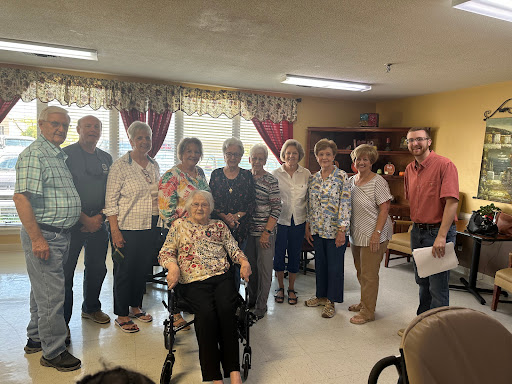
Scheduled events and group activities show up often in resident and family feedback.
Residents and families describe community events such as a fall festival and a trunk-or-treat, and several mention how much they enjoyed the time there. Other reviewers point to day-to-day activities like bingo, arts and crafts, and movie time. One comment also notes that evenings can feel slow compared with what’s planned earlier in the day.
common6 reviews mention this
Rehab and therapy outcomes stand out
Reviews often credit therapy staff with helping residents regain strength.
A number of reviewers describe short-term rehab experiences with positive results, including specific progress they connected to therapy. Families also highlight the rehab department and physical therapy support, including help with exercises. In one longer look back, a reviewer also points to strong rehab services and results as a reason they would recommend the facility.
caveat3 reviews mention this
Serious concerns show up in reviews
Some reviews raise major concerns about care quality and facility practices.
While most reviews are positive, a few are sharply critical and mention topics like investigations and violations, as well as problems with communication. One reviewer also describes a stay during which they felt special needs weren’t handled properly during illness. These are the only recurring negatives that stand out as major and specific in the set of reviews.
How we summarize
Counts show how many written reviews mention each theme; a review can touch several themes, and only frequently mentioned themes are displayed.
Features
Housing
50 resident community capacity
Types of Care
Skilled Nursing Facility
Amenities
Activities on-site
Beauty salon
Cable or satellite TV
Devotional services off-site
Dining room
Fully furnished
Garden
Housekeeping services
Indoor common areas
Kitchenette
Move-in coordination
Outdoor space
Restaurant-style dining
Small library
Telephone
Wi-Fi/high-speed internet available
Care Services
24-hour call system
24-hour supervision
Activities of daily living assistance
Ambulatory care
Assistance with bathing
Assistance with dressing
Assistance with transfers
Diabetes diet
Diabetic care
Meal preparation and service
Medication management
Mental wellness program
Special dietary restrictions
Dining
Diabetes diet
Meals provided
Special dietary restrictions
Activities
Activities on-site
Community-sponsored activities
Devotional activities offsite
Resident-run activities
Scheduled daily activities
Nearby Places of Interest
This part of Russellville, Alabama offers a variety of healthcare options with physicians, eyecare professionals, orthopedic centers, and hospitals located within close proximity. There are numerous pharmacies nearby for convenient access to medications. In terms of dining options, residents can enjoy a mix of fast food chains and local restaurants serving Mexican food and barbecue. Places of worship can be found in the immediate vicinity, providing spiritual support to those seeking it. Parks such as Slick Rock and City Lake Park offer opportunities for relaxation and outdoor activities. Transportation services like U-Haul and Ryder are available for any moving needs or errands. Overall, this area provides a well-rounded community with essential services for seniors looking to settle down in Russellville.
Physicians
Eyecare Professionals (0.1 miles)
Russellville Orthopedic Center (0.7 miles)
Colbert County Family Practice (16.2 miles)
Integrated Behavioral Health (16.4 miles)
Medical Associates of The Shoals PC (16.4 miles)
F. C. Gapultos (16.4 miles)
Lakeshore Pediatrics (16.4 miles)
Hospitals
Russellville Hospital (0.1 miles)
Eliza Coffee Memorial Hospital (0.2 miles)
Phil Campbell Medical Clinic (11.4 miles)
Helen Keller Hospital (16.4 miles)
Huntsville Hospital Spine & Neuro Center (16.4 miles)
Med Plus (16.4 miles)
Carmichael, Laurence North Alabama Sleep Disorders Center (16.5 miles)
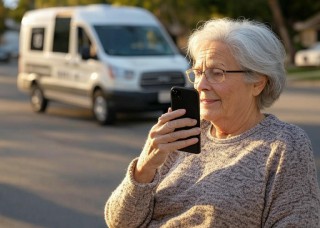
Seniors benefit from ride-hailing services like Uber and Lyft, which provide convenient and accessible transportation options that promote independence and social engagement, while addressing mobility challenges. These platforms have adapted to meet senior needs with user-friendly features and safety measures, although costs can be a concern; community programs may help subsidize rides for older adults.
The guide outlines the eligibility criteria for home health care services, emphasizing clinical requirements, insurance options, and application processes. It distinguishes between Medicare's strict and Medicaid's flexible qualifications while addressing challenges families may face in securing necessary care at home.
Elder abuse affects many older adults worldwide and includes physical, emotional, neglectful, and financial harm, with about one in six individuals over 60 experiencing abuse annually. Prevention and intervention strategies focus on awareness, support for caregivers, and mandatory reporting, while recovery necessitates comprehensive support for both physical and emotional needs.
Get PricingAsk A QuestionSchedule A TourContact Senior Advisor
By clicking submit, you agree to our Partner's Terms of Use. You
also consent to receive calls and texts, which may be autodialed, from our Partner. Your consent is not a condition to
using our Partner's service. Please visit our Partner's Privacy Policy for information about their privacy practices.

 50 resident community capacity
 Skilled Nursing Facility
 Activities on-site
 Beauty salon
 Cable or satellite TV
 Devotional services off-site
 Dining room
 Fully furnished
 Garden
 Housekeeping services
 Indoor common areas
 Kitchenette
 Move-in coordination
 Outdoor space
 Restaurant-style dining
 Small library
 Telephone
 Wi-Fi/high-speed internet available
 24-hour call system
 Ambulatory care
 Assistance with bathing
 Assistance with dressing
 Assistance with transfers
 Diabetes diet
 Diabetic care
 Medication management
 Mental wellness program
 Special dietary restrictions
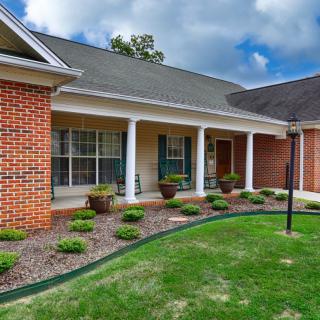
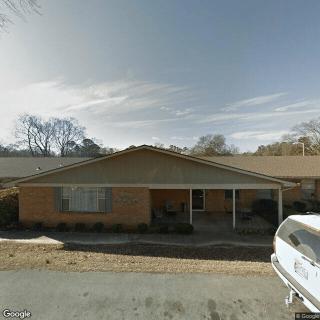
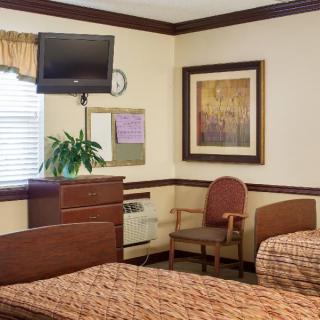
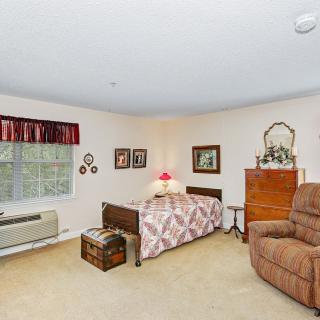
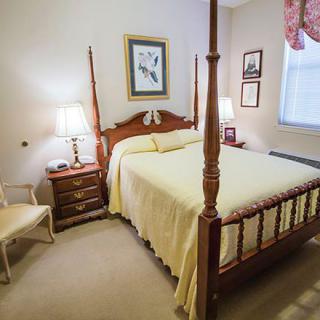
 Comprehensive amenities and 24/7 care with private bathrooms and restaurant-style dining.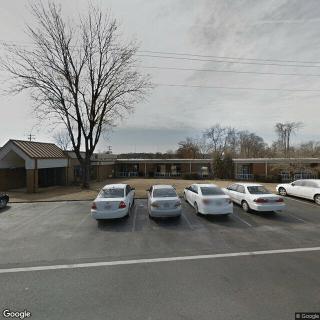

 Seniors and Modern Transportation: Exploring Uber, Lyft, and Other Ride-Hailing Options
 Comprehensive Guide to Qualifying for Home Health Care Services
 Powerful Realities of Elder Abuse and the Most Effective Ways to Report It