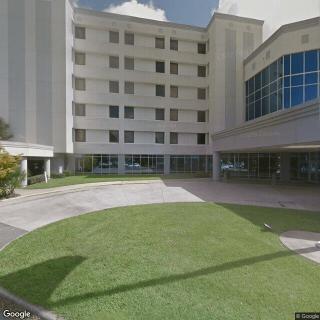
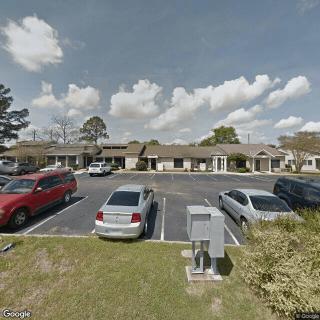
501 N Woodburn Dr, Dothan, AL 36303
For more information about senior living options: (844) 490-3973
The collection of reviews paints a complex and uneven picture of care at this rehab and long-term care setting. On the one hand, several accounts praise the frontline staff, particularly the therapy team and the nurses working on the halls, noting that they were compassionate, skilled, and attentive to patients' immediate needs. In several posts, families singled out therapists and specific nurses for going above and beyond, pointing to real moments of relief and progress for loved ones. The praise for direct caregivers sits against a backdrop of criticism aimed at the facility's administration, leadership, and the way information is managed and communicated.
A recurring thread across the reviews is a troubling frustration with administrative responsiveness and communication. Families report frequent difficulty getting answers to questions, unanswered phone calls, and a common response from staff that "the person is off today" when inquiries are made. Some reviewers feel that coordinated care discussions and updates for families after care planning meetings never happened, leaving relatives feeling out of the loop during critical transitions. This lack of consistent communication appears to undermine trust in the facility even when the day-to-day clinical care from frontline staff is praised.
The issue of visiting policies and family access appears prominently as well. One account describes an acquaintance who arranged a restrictive, no-visitor setup for his mother, making it clear that he would not visit or participate in her care. The reviewer asserts that such an arrangement amounts to elder abuse and vows to report it to state or federal authorities. While this is a single, intensely charged claim within the set of reviews, it underscores a fear among families that aggressive or unilateral visitation restrictions can isolate aging patients from loved ones and potentially mask neglect. The broader tone is one of caution to families: verify visiting rights, advocate for clear family access, and be aware that policies may be applied unevenly or in ways that families find unacceptable.
Another cluster of comments centers on negative experiences and perceived neglect or indifference. Some reviewers describe rude or inattentive behavior, poor food quality, and a general sense that staff have too much on their plates to give every patient the attention they deserve. There are mentions of missed calls, records requested but not provided due to the absence of a power of attorney, and experiences that left families questioning the facility's commitment to patient dignity and timely communication. One particularly harsh narrative recounts a multi-week period during which a grandmother experienced a decline after transfer, with reports of falls, bruising, and delayed responses to concerns, followed by serious health issues and hospital transfers. The tone is alarmed and emphasizes that what was experienced by the family was far from the loving, attentive care they expected.
Yet the reviews also include glimmers of hope and positive interim assessments. A few relatives report that their loved ones are currently doing well in rehab and that the facility has offered a better experience on certain occasions. One account highlights a patient who has been "doing so much better after rehab" and describes the experience as a good one so far. Another reviewer praises the facility's open hours and the sense that, when everything aligns, the environment can feel like a long-term home with 24/7 access and a willingness to support residents through rehab and recovery. These positive notes underscore the variability in the experience, suggesting that outcomes and impressions can swing widely from one resident to the next or from one period to another.
Taken together, the reviews depict a facility where the day-to-day care provided by therapy and nursing staff is frequently praised, while administrative operations, communication, and policy enforcement receive extensive criticism. Families describe a spectrum of experiences - from moments of genuine progress and relief in recovery to episodes that feel unsafe or unaddressed, including concerns about fall risk, delays in information sharing, and distress over visiting restrictions and access to medical records. The overarching impression is that the care environment can be highly dependent on who is involved in a given moment: highly competent frontline caregivers can produce positive outcomes, but systemic administrative gaps and inconsistent family communication can mar the overall experience and raise serious concerns about quality of care and patient safety.
In closing, these accounts emphasize the importance of proactive family involvement, transparent communication, and clear, consistently applied policies in this setting. When families can establish reliable channels for updates, ensure access to medical records, and advocate for timely responses from administration, experiences may align more with the hopeful narratives of recovery and gratitude. Conversely, when communication falters and administrative support is perceived as lacking, even strong frontline care can be overshadowed by fears of neglect or mismanagement. For anyone considering this facility, the message across these reviews is to proceed with thorough questions, insist on documented care plans and regular caregiver updates, and be prepared to advocate persistently to protect a loved one's health, dignity, and access to family support.
Westside Terrace in Dothan, AL is an exceptional assisted living community that offers a range of amenities and services to enhance the well-being and comfort of its residents. With indoor common areas, residents can socialize, engage in activities, or simply relax in a warm and inviting environment.
One of the key advantages of Westside Terrace is its focus on providing diabetic care services. This means that residents with diabetes will receive specialized attention and support to effectively manage their condition and maintain their health. The dedicated staff will work closely with residents to monitor blood sugar levels, administer medications if necessary, and provide guidance on healthy lifestyle choices.
In addition to the attentive care offered at Westside Terrace, there are numerous opportunities for spiritual enrichment through devotional services conducted off-site. Residents can participate in these activities to nurture their faith and find comfort in connecting with others who share their beliefs.
Furthermore, Westside Terrace benefits from its fantastic location. With three nearby cafes, residents have convenient options for dining out or meeting friends for a cup of coffee. The presence of nine pharmacies ensures easy access to medications and any other healthcare supplies needed by residents. Additionally, the close proximity of 29 physicians guarantees that medical appointments are easily arranged and attended by residents.
For those who enjoy exploring local cuisine or dining out with family and friends, the 47 restaurants nearby offer a variety of dining experiences catering to different tastes. For transportation needs, there is one option available nearby which provides added convenience for outings or medical appointments.
For individuals who value spirituality as part of their lifestyle, five places of worship located nearby offer opportunities for spiritual reflection and community engagement.
Finally, having four hospitals in close proximity provides peace of mind to both residents and their families knowing that emergency medical care is swiftly accessible when needed.
Overall, Westside Terrace presents an ideal assisted living community where personalized care meets an array of amenities and services designed to enhance the quality of life for its residents while promoting a sense of security, convenience, and well-being.
Westside Terrace is located at 501 N Woodburn Dr, Dothan, AL 36303 in Houston County, Alabama
Comprehensive Insights into Activities of Daily Living (ADLs) and Their Assessment

Activities of Daily Living (ADLs) are fundamental tasks vital for an individual's independence, particularly in older adults over 85, and include functions like bathing and dressing; assessing ADLs alongside Instrumental Activities of Daily Living (IADLs) helps determine the level of required assistance due to age-related health challenges. Tailored support plans, involving family and community resources, are essential for maintaining dignity and autonomy in assisted living environments.
Guiding Elderly Parents Who Refuse Assisted Living: 6 Practical Steps

Family caregivers face emotional, legal, and practical challenges when elderly parents refuse assisted living, often due to fears of losing autonomy. Open conversations and professional assessments can help address these concerns while exploring alternatives and ensuring safety, potentially leading to legal guardianship if necessary.
Your Comprehensive Guide to Luxury Assisted Living: Elevated Facilities, Amenities, and Costs
Luxury assisted living offers high-quality senior care in a resort-like environment that combines essential medical support, gourmet dining, and personalized services to enhance residents' independence and well-being. These upscale facilities emphasize holistic health and community-building through customized care plans and social activities, catering to the growing demand for enriched senior living experiences despite higher costs.