The Brennity at Daphne Assisted Living & Memory Care Costs & Pricing
The Brennity at Daphne Assisted Living & Memory Care presents a range of pricing options that reflect the unique amenities and personalized care they offer. For those considering a studio, the monthly cost is $3,967, which exceeds both the Baldwin County average of $3,511 and the broader Alabama state average of $3,279. If you opt for a one-bedroom unit, you can expect to invest $4,732 per month - substantially higher than Baldwin County's typical rate of $3,286 and slightly above Alabama's average of $3,417. These costs underscore The Brennity's commitment to providing enhanced living experiences tailored to individual needs while positioning itself as a premium choice in the region.
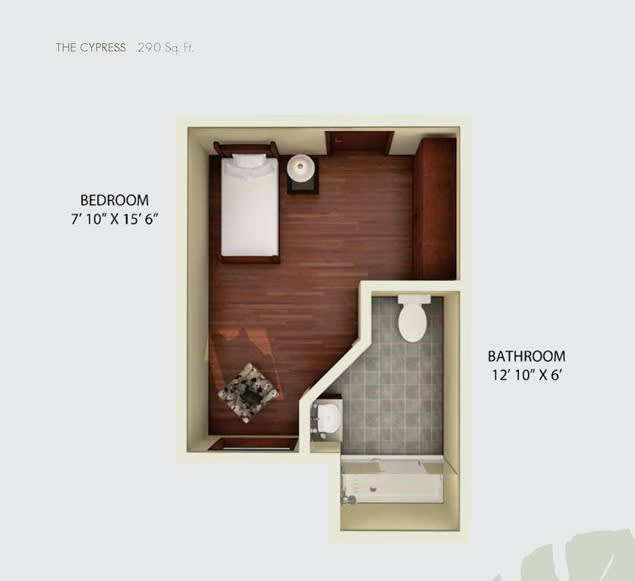
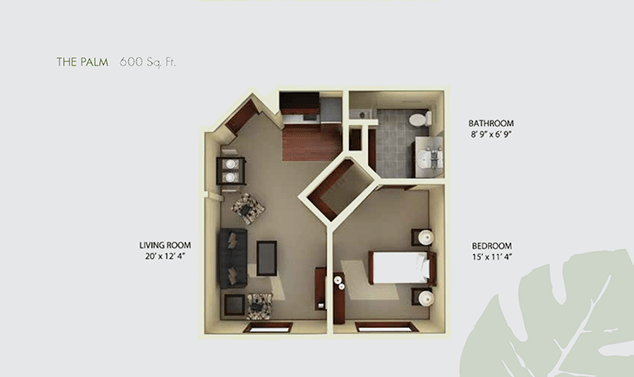
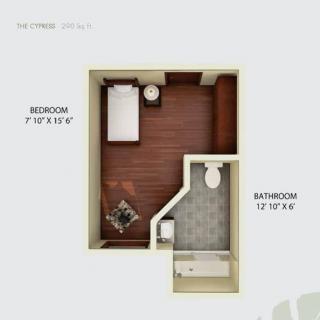
Floor plans
The Brennity at Daphne Assisted Living & Memory Care
Baldwin County
Alabama
Studio
$3,967
$3,511
$3,279
1 Bedroom
$4,732
$3,286
$3,417
Memory care communities with a similar price nearby
Overall Review of The Brennity at Daphne Assisted Living & Memory Care
common22 reviews mention this
Staff friendliness and responsiveness
Residents and families repeatedly describe staff as friendly, helpful, and engaged.
Many reviews highlight staff who are kind and responsive, whether it is everyday care, help during a move, or simply making visitors feel welcome. Families also describe regular communication about what their loved one needs, and staff who try to connect with residents. A minority of reviews express serious concerns about professionalism and how concerns were handled, including lack of follow-up after a reported issue.
common10 reviews mention this
Cleanliness and upkeep stand out
Cleanliness is a frequent point of praise in residents’ and visitors’ comments.
Several reviews describe the facility as clean, well kept, and spotless, including comments about how it feels when you are there. Some reviewers also contrast the community’s cleanliness and overall feel with what they have seen elsewhere. In a few reviews focused on care problems, residents or families also mention personal cleanliness concerns, which adds an important counterpoint to the otherwise consistent praise.
common7 reviews mention this
Dining quality and meal satisfaction
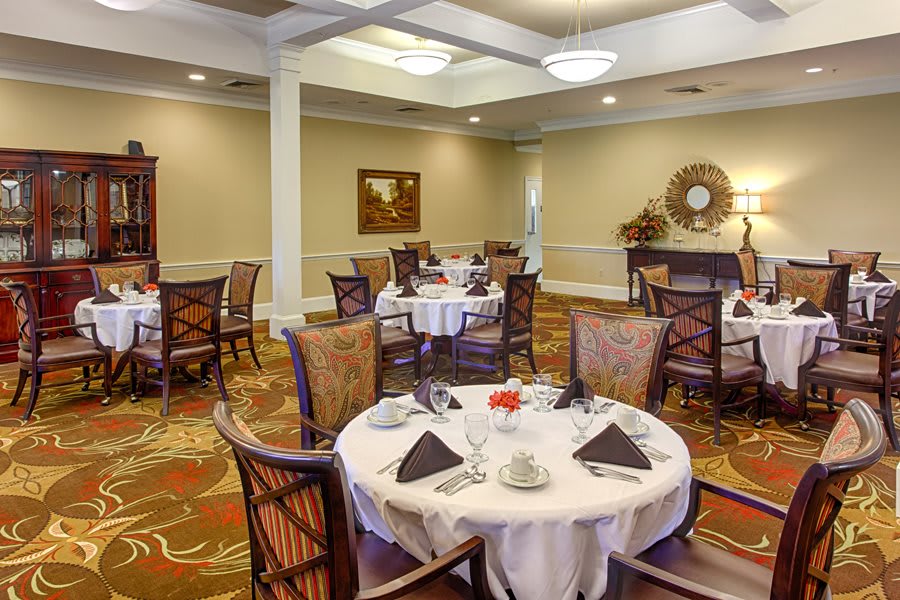
Meals are often described as a standout with good taste and variety.
Dining comes up repeatedly, with multiple reviews saying the food is good and that their loved one gained weight after moving in. Others specifically mention dining and meals as part of why they feel comfortable recommending the community. A few reviews take the opposite view, describing issues like overspicing or that the food was not very good.
common10 reviews mention this
Activities help residents stay engaged
Families and visitors describe a steady mix of activities for residents.
Reviews frequently mention group activities, games, and outings that keep residents engaged. Some families describe more stimulation than they could provide at home, and others say residents seem happy and social because of what is offered. Even in less positive reviews, the main themes center on care staffing and supervision rather than a lack of things for residents to do.
caveat4 reviews mention this
Memory care staffing and supervision concerns
Some memory care reviews raise concerns about staffing levels and supervision.
While many families are pleased with personal care and nursing support, a recurring concern in memory care reviews is declining care quality and limited coverage, including reports about night shift care and residents being left in distress. A separate set of comments describe uncomfortable conditions in the memory unit, such as odor and loud, argumentative behavior on a unit level. These concerns are serious enough that reviewers describe changes to care needs and moving their loved one elsewhere.
How we summarize
Counts show how many written reviews mention each theme; a review can touch several themes, and only frequently mentioned themes are displayed.
Features
Types of Care
Assisted Living
Memory Care
Amenities
Activities off-site
Activities on-site
Air-conditioning
Bath tubs
Beautician on-site
Cable or satellite TV
Devotional services off-site
Devotional services on-site
Ground floor units
Handicap accessible
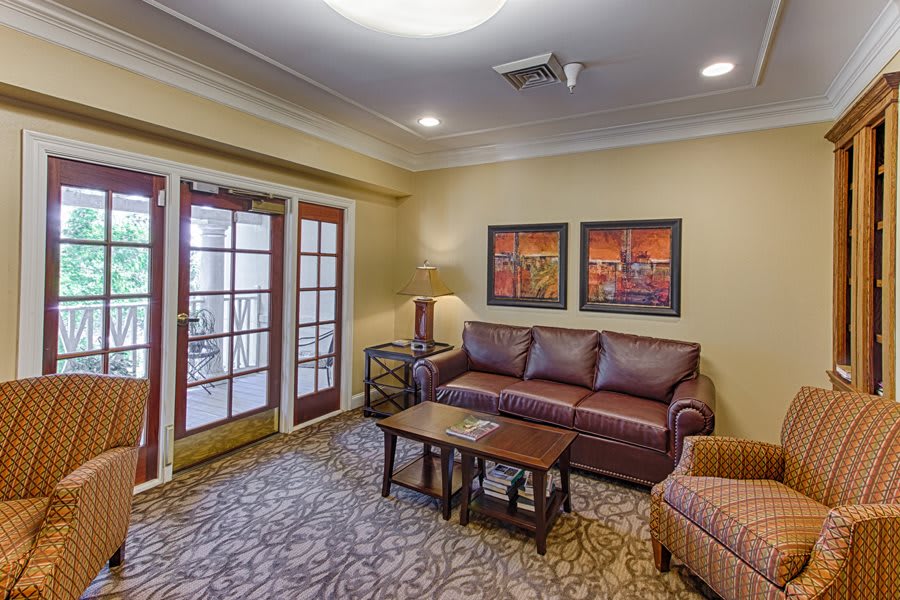
Indoor common areas
Kitchenette
Outdoor common areas
Wheelchair accessible showers
Wi-Fi/high-speed internet available
Transportation
Mobile Regional (24 miles away)
Care Services
Ambulatory care
Diabetic care
High acuity care
Incontinence care
Medication management
Dining
Gluten-free
Guest meals
International cuisine
Low / no sodium
Meals provided
No Sugar
Professional chef
Restaurant style dining
Room service
Special dining programs
Vegetarian
Activities
Art classes
Catholic services
Cooking classes
Day trips and outings
Devotional activities offsite
Devotional activities on-site
Educational speakers / life long learning
Karaoke
Live well programs
Other religious services
Protestant services
Visiting chaplain or priest
Nearby Places of Interest
This part of Daphne, Alabama offers a variety of dining options ranging from seafood at Kravers Seafood Restaurant to fast food favorites such as Chick-Fil-A and Whataburger. There are also several pharmacies in the vicinity for convenient access to prescription medications. The area boasts reputable physicians and healthcare facilities including Pulmonary Associates and Infirmary Health System, providing quality medical care for seniors. For relaxation and entertainment, residents can visit East Shore Cafe or catch a movie at Spanish Fort PREMIERE 14 Eastern Shore. Additionally, there are places of worship nearby such as City Hope Church for spiritual fulfillment. Overall, this neighborhood provides a mix of amenities suitable for senior living with proximity to essential services and recreational activities like Fairhopers Community Park just a short drive away.
Restaurants
Kravers Seafood Restaurant (0.2 miles)
Chicken Salad Chick (2.9 miles)
The Wacky Shrimp (2.9 miles)
Chick-Fil-A (2.9 miles)
Lennys Grill Subs (2.9 miles)
Champy's Famous Fried Chicken (3.5 miles)
Whataburger (3.7 miles)
Pharmacies
Hemacare Plus (1.3 miles)
Api Solutions (2.6 miles)
CPT (2.9 miles)
CVS Pharmacy (3.5 miles)
Walgreens (3.6 miles)
Rx Advantage (4.8 miles)
Walgreens (5 miles)
Physicians
Pulmonary Associates (1.5 miles)
Deep South Dermatology (1.6 miles)
Haley Dermatology (3.6 miles)
Southern Cancer Center (3.8 miles)
Eastern Shore Neurology & Pain Center (4 miles)
Asthma & Allergy Institute (4.3 miles)
Restoration Health (4.4 miles)
Cafes
East Shore Cafe (3.2 miles)
Starbucks (4.4 miles)
The Coffee Loft (5.7 miles)
Pj's Coffee (5.8 miles)
Places of Worship
City Hope Church (4 miles)
Providence United Methodist Church (6.1 miles)
First Baptist Church (6.8 miles)
Theaters
Spanish Fort PREMIERE 14 Eastern Shore (4.6 miles)
The Brennity at Daphne Assisted Living & Memory Care presents a range of pricing options that reflect the unique amenities and personalized care they offer. For those considering a studio, the monthly cost is $3,967, which exceeds both the Baldwin County average of $3,511 and the broader Alabama state average of $3,279. If you opt for a one-bedroom unit, you can expect to invest $4,732 per month - substantially higher than Baldwin County's typical rate of $3,286 and slightly above Alabama's average of $3,417. These costs underscore The Brennity's commitment to providing enhanced living experiences tailored to individual needs while positioning itself as a premium choice in the region.
The Brennity at Daphne's memory care services are enhanced by comprehensive medication management, which ensures that residents receive their medications on time and in the correct dosages, reducing the risk of missed doses or medication errors that can exacerbate cognitive decline. This meticulous oversight is crucial for individuals with dementia or Alzheimer's disease who may struggle with routine tasks. Additionally, incontinence care is thoughtfully integrated into their services, addressing a common challenge faced by residents without compromising dignity. By providing sensitive and respectful assistance in this area, staff can help maintain comfort and confidence among residents, allowing them to focus on engaging activities and social interactions that promote overall well-being and quality of life. Together, these features create a supportive environment tailored to the unique needs of individuals living with memory impairments.
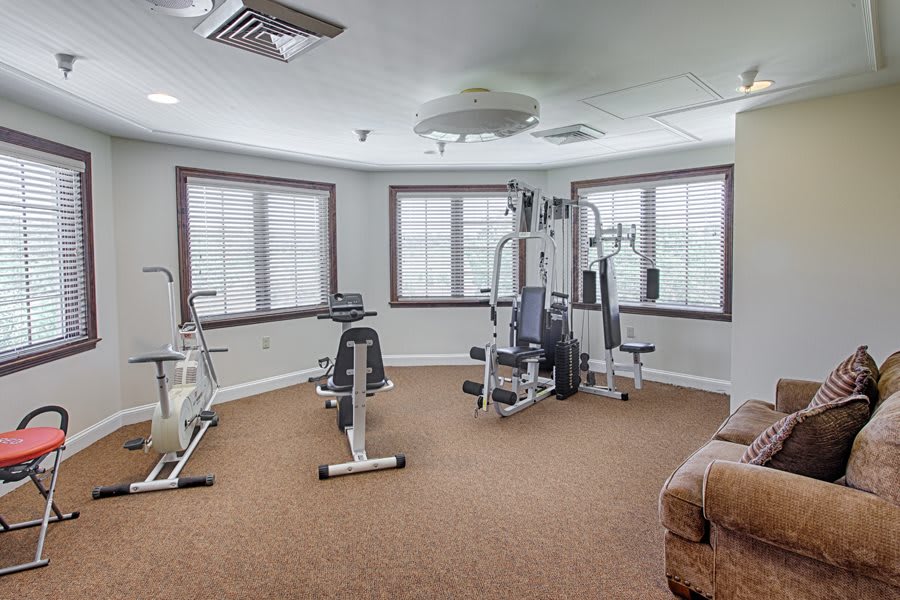
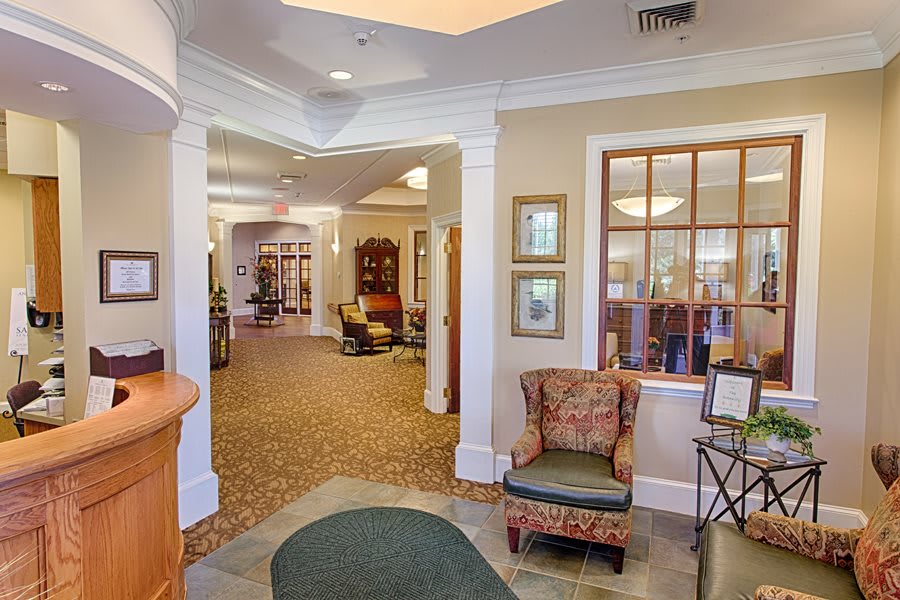
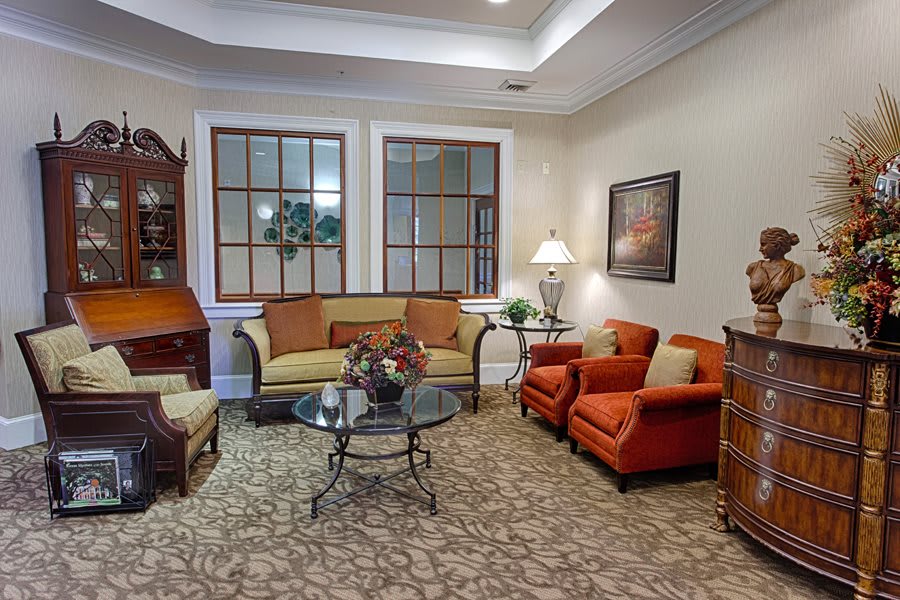
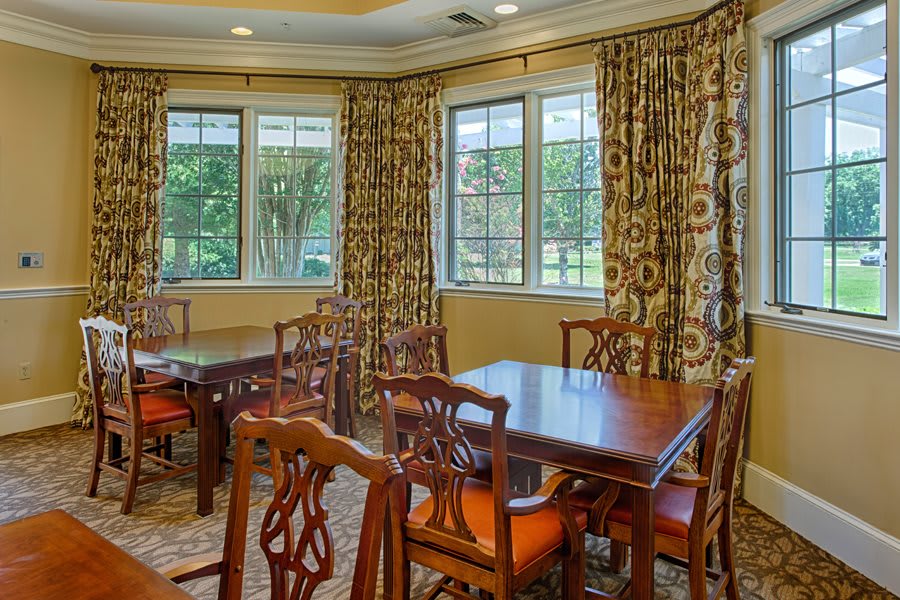
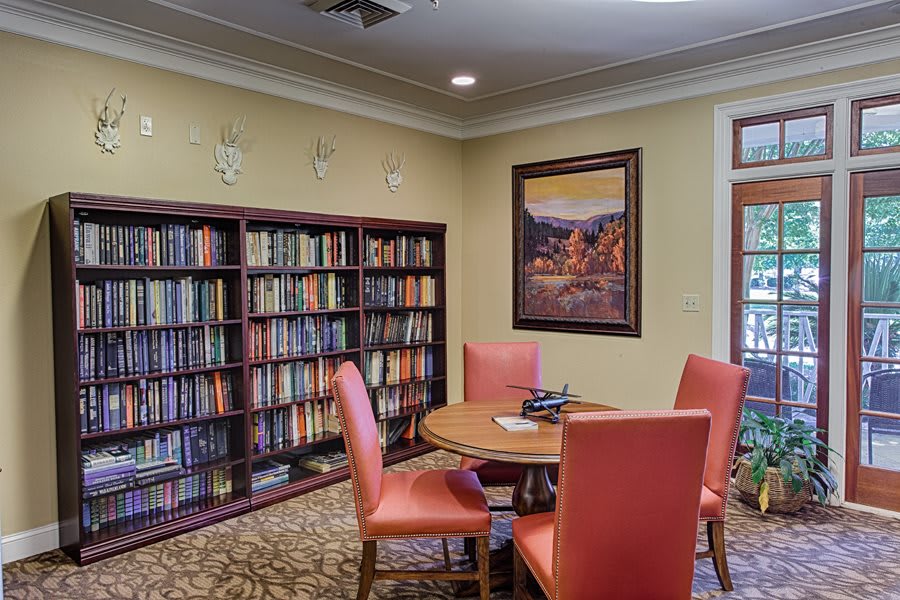
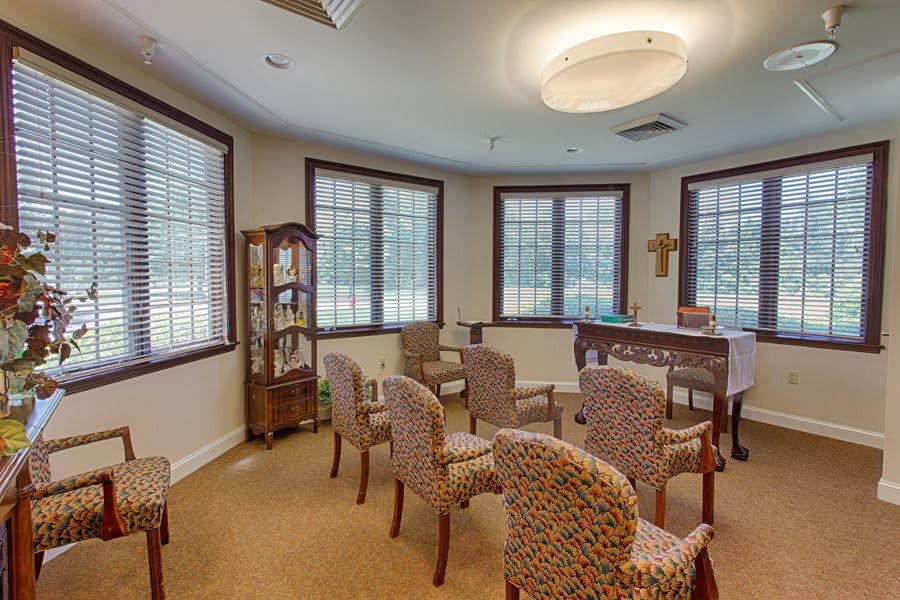
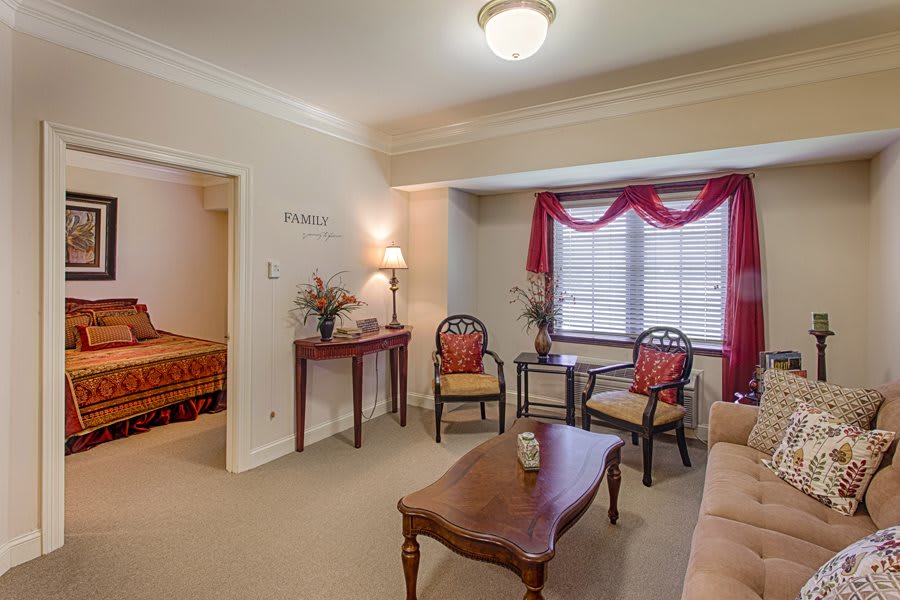
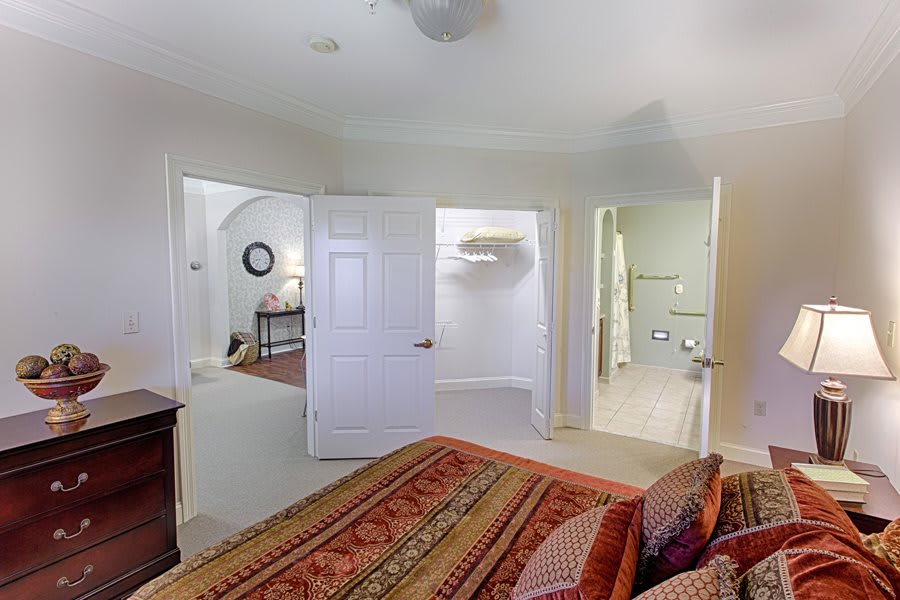
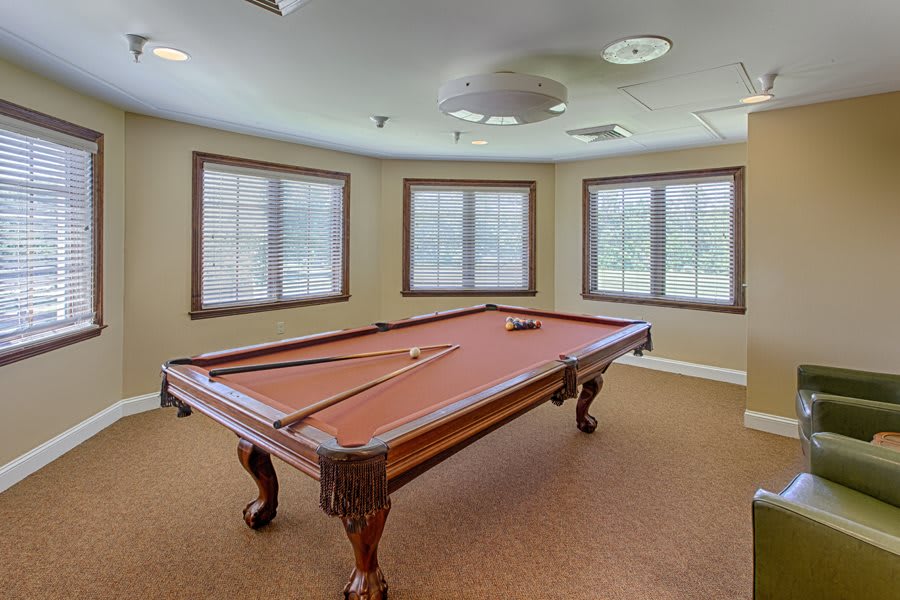
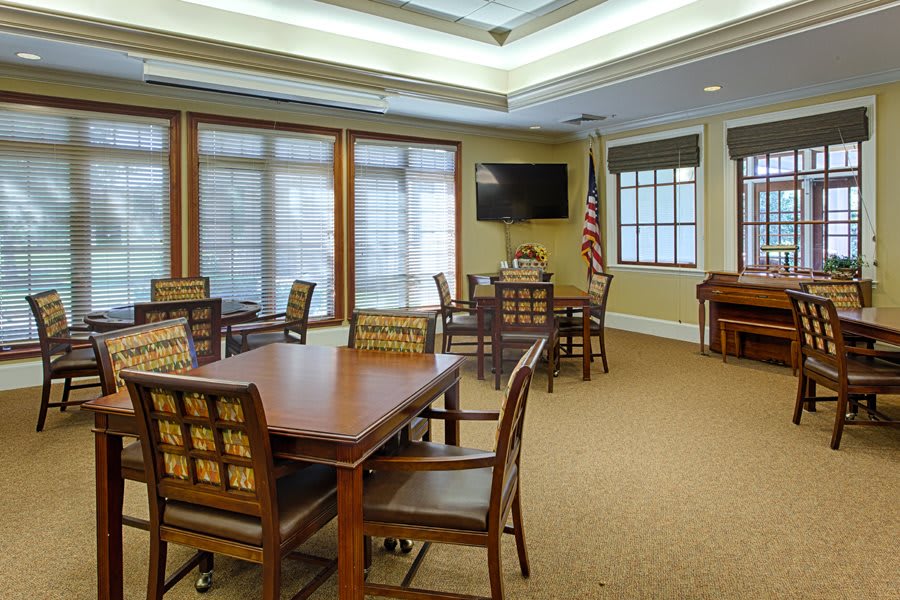
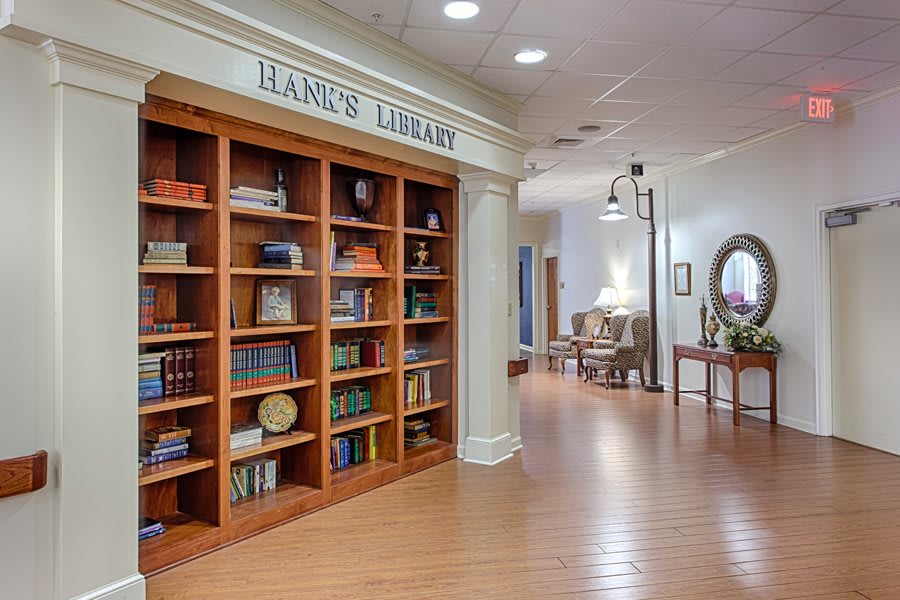
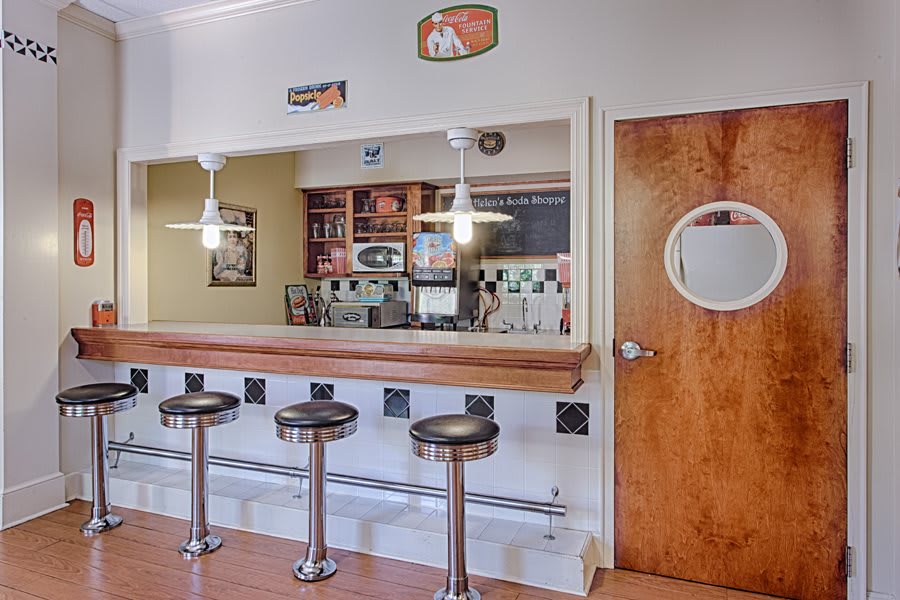
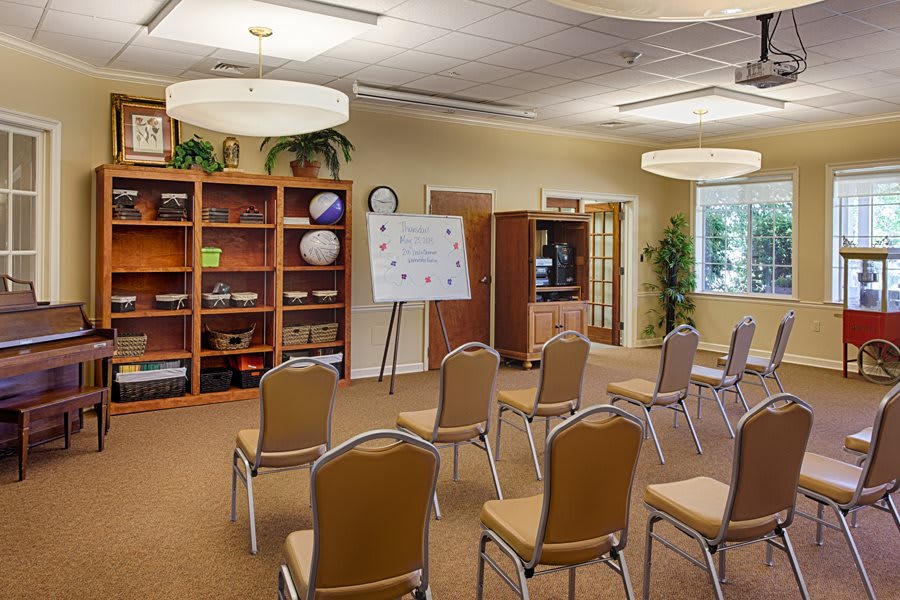
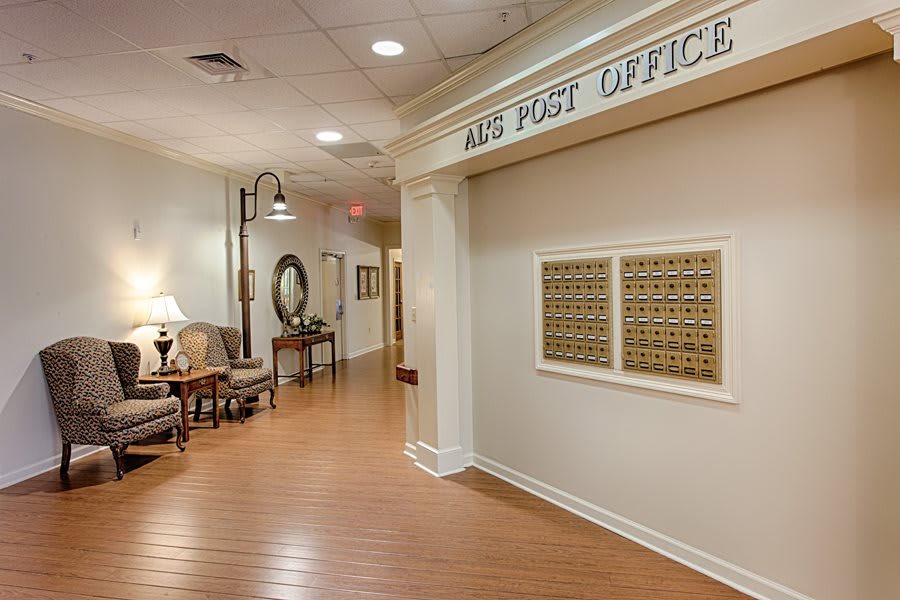
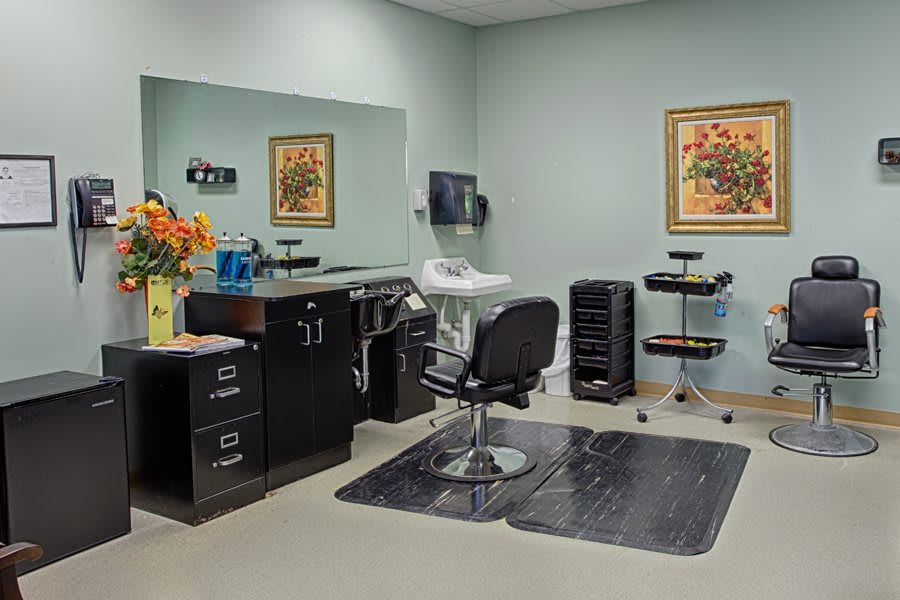
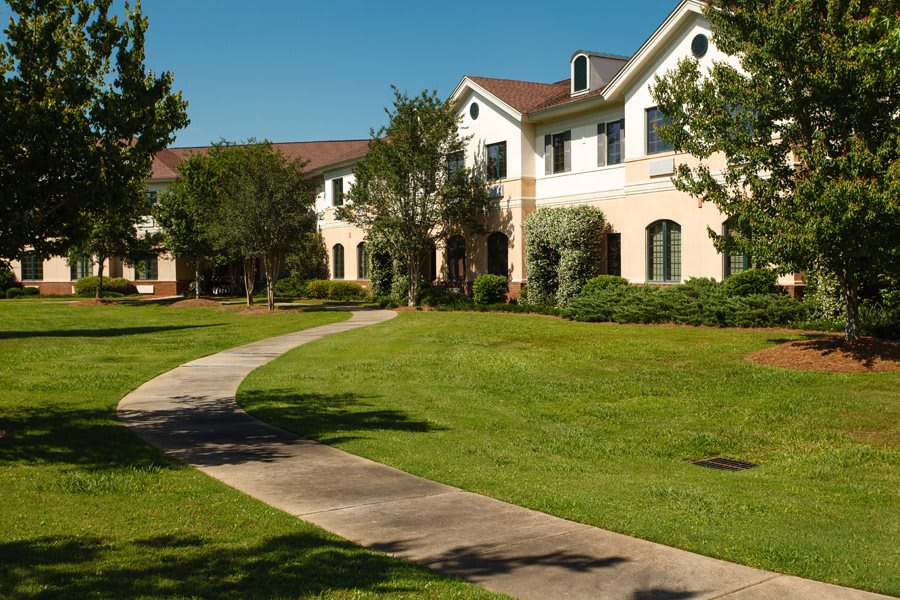
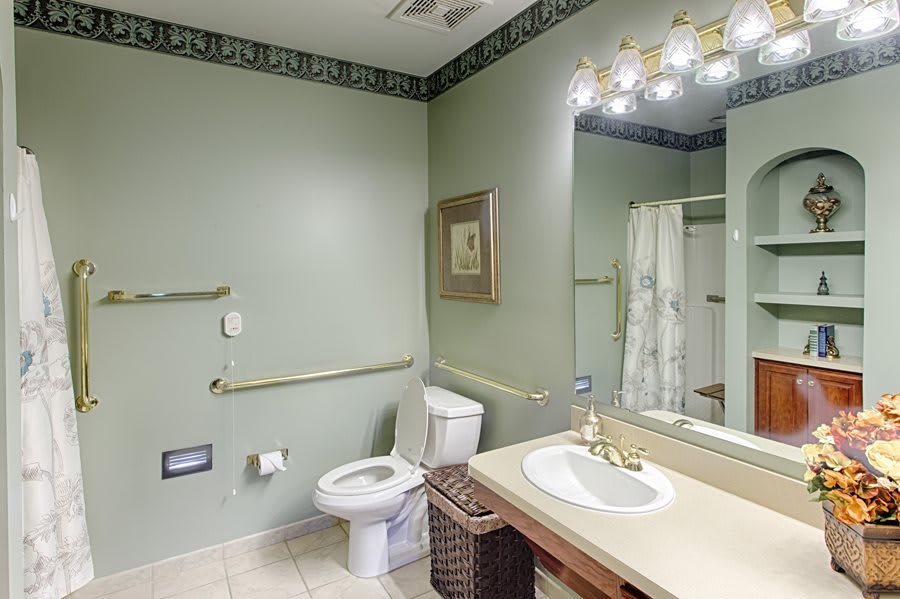
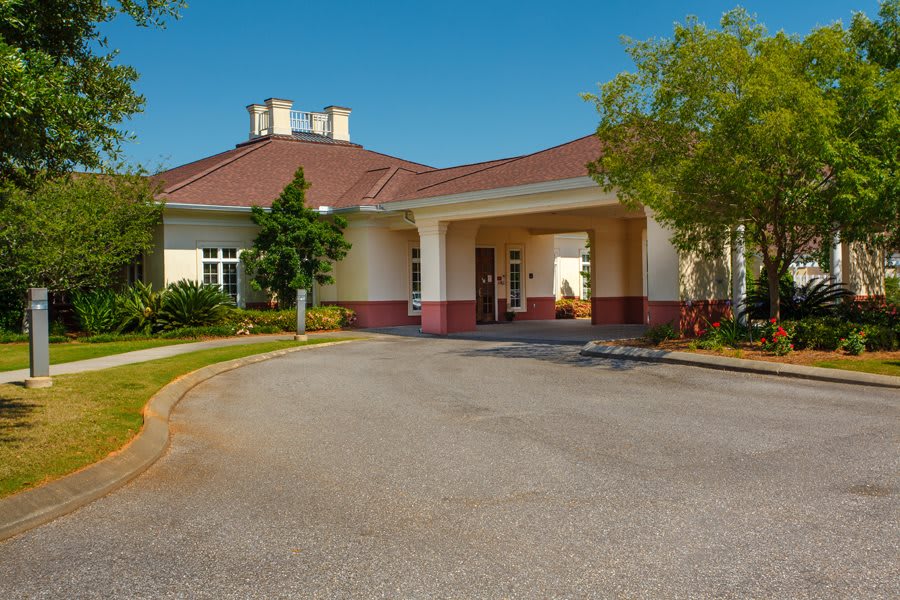
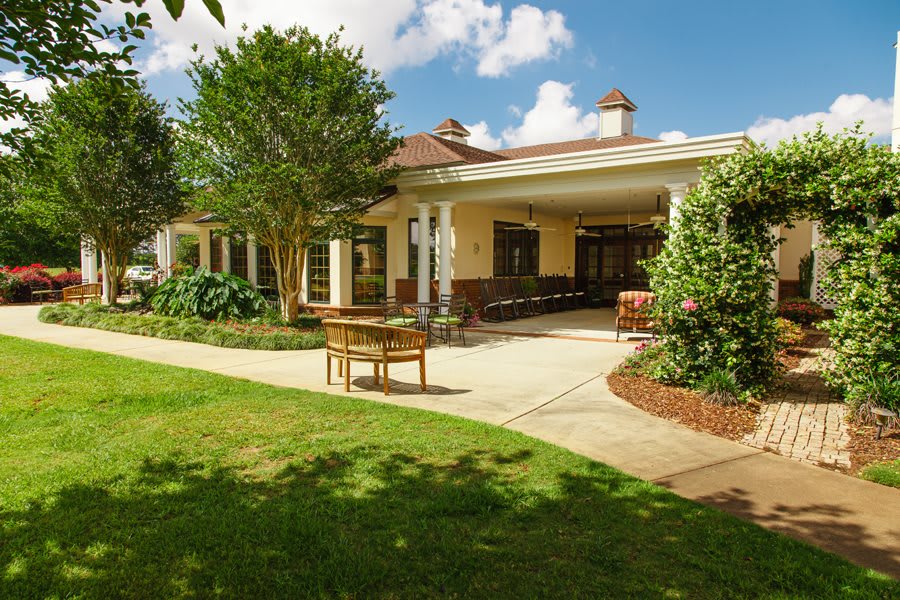
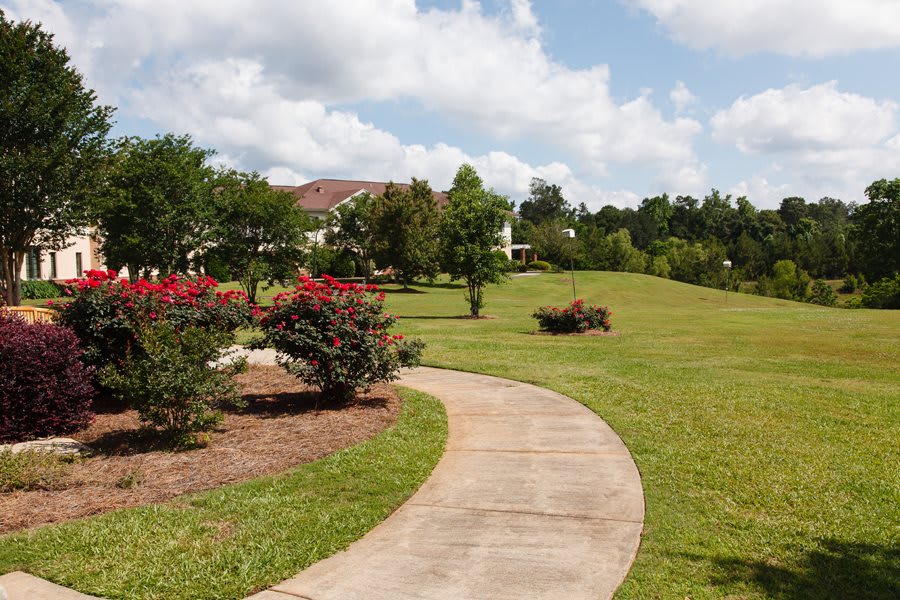
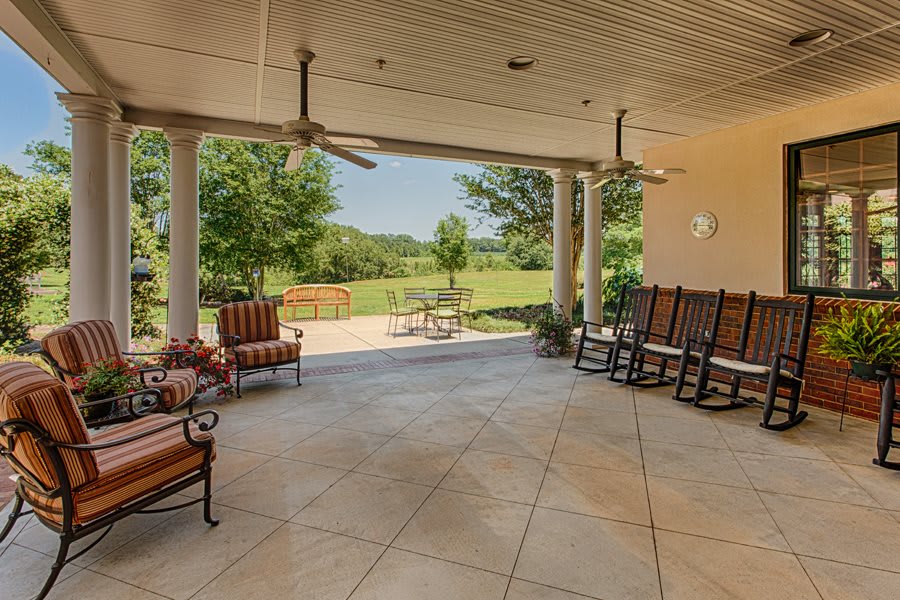
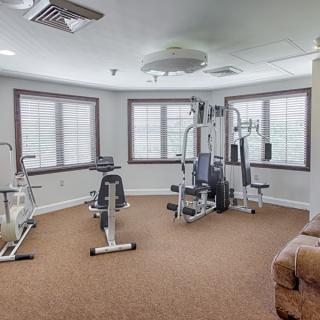
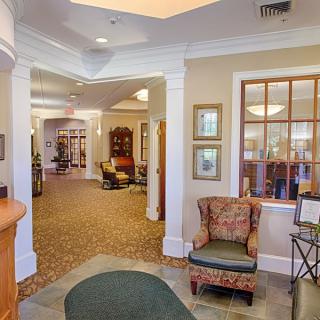
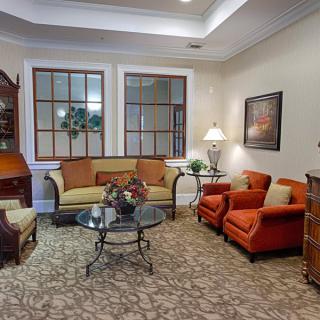
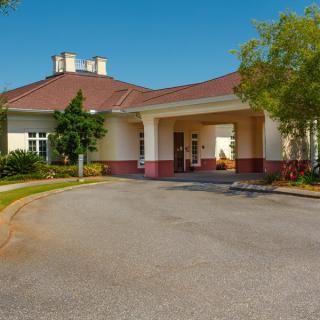
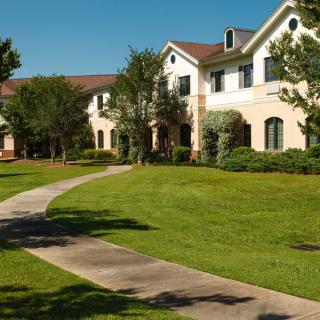
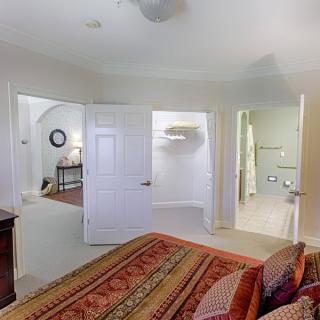
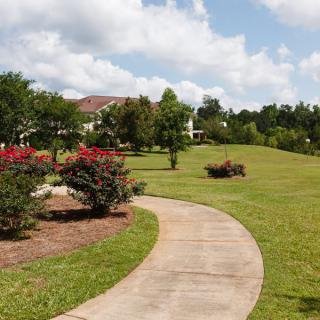
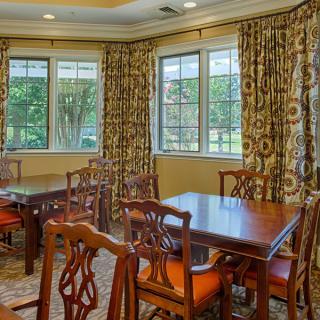
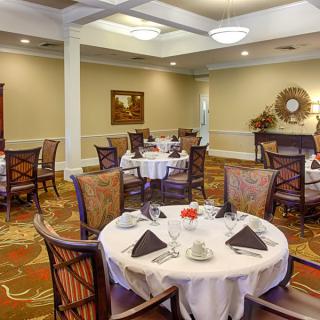
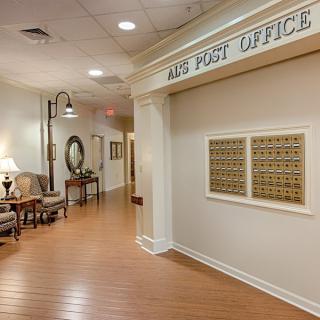
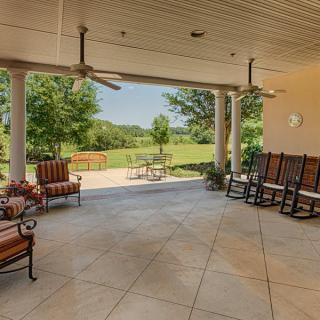
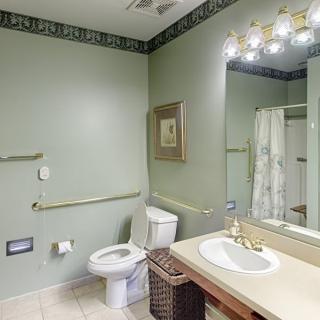
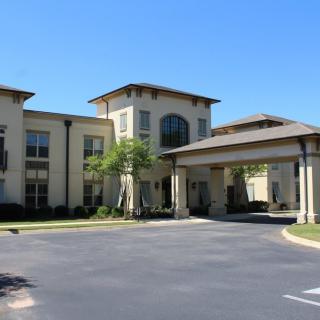
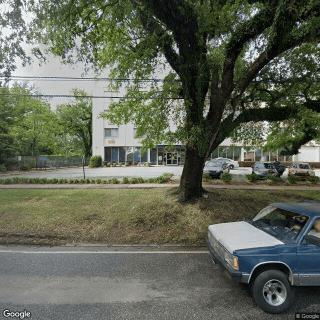
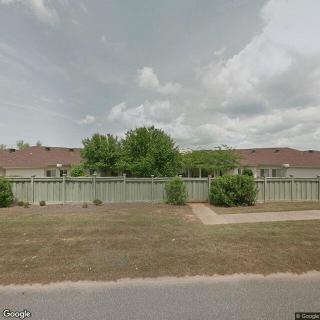
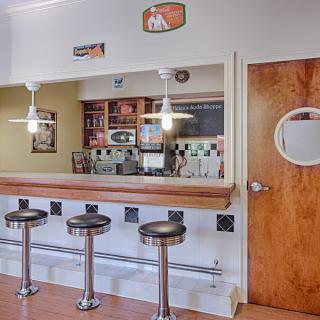
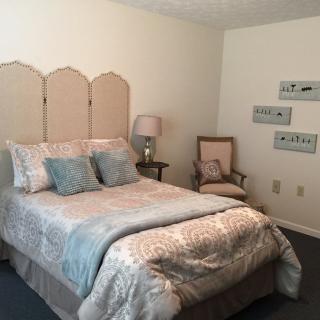
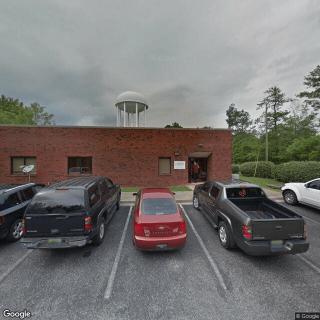
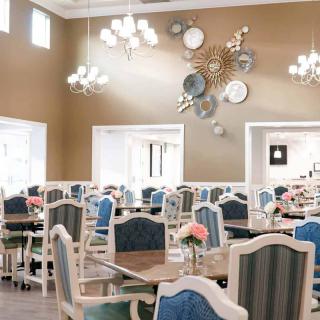
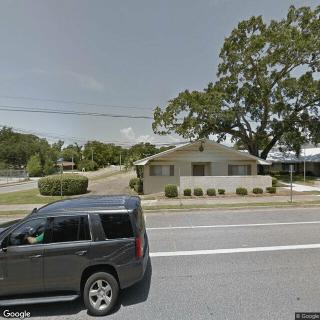
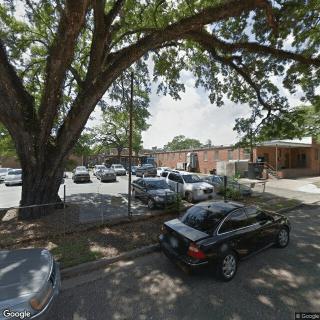
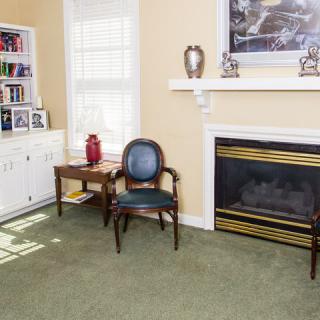
The Brennity at Daphne Assisted Living & Memory Care on seniors.fyi includes 28 photos including images showing interior, landscaping, windows, architecture, dining, trees, decor, living room, and more.
Nearby Communities
John McClure Snook Regional Center
Daphne, AL
$4,150 / month
Memory care services plus centralized access to nearby amenities (cafes, pharmacies, healthcare, restaurants) for a convenient lifestyle.
The Brennity At Daphne
Daphne, AL
4.4 from 50 reviews
Well-kept, clean facility with attentive staff and engaging activities.
Eastern Shore Rehabilitation And Health Center
Daphne, AL
2.1 from 26 reviews
24/7 care with extensive amenities and transportation.
Gardens of Daphne
Daphne, AL
4.8 from 70 reviews
$2,940 to $3,440 / month
Caring, family-like staff in a small, clean community with home-style meals and engaging activities.
Synergy HomeCare - Daphne, AL
Daphne, AL
4.5 from 48 reviews
Peaceful environment with personalized care and convenient access to nearby pharmacies, physicians, and dining options.
Seagrass Village Daphne
Daphne, AL
4.9 from 39 reviews
$3,150 to $4,250 / month
Strong management and responsive maintenance contributing to resident satisfaction.
Fairhope Health & Rehab
Fairhope, AL
2.3 from 24 reviews
$5,550 / month
Caring, knowledgeable staff with personalized attention.
Allen Memorial Home
Mobile, AL
3.7 from 22 reviews
Caring, attentive staff in a clean, welcoming facility with engaging activities.
The article compares assisted living and skilled nursing facilities, detailing their differing levels of assistance, medical support, cost structures, and day-to-day experiences. It emphasizes that assisted living is for those needing help with daily activities while maintaining independence, whereas skilled nursing facilities provide intensive medical care with 24-hour staff supervision.
Vibrant Senior Living emphasizes active senior living communities that promote independence and engagement through diverse amenities and activities, fostering wellness and social interaction among older adults. These communities range from independent to assisted living, with a focus on personal growth, family involvement, financial planning, and leveraging technology to enhance residents' experiences.
Assisted living provides moderate support for seniors seeking independence, while memory care offers specialized support for individuals with dementia or cognitive impairments through structured routines and trained staff. Key differences include care approaches, environment security measures, staff training levels, activity types, and cost considerations.
The Brennity at Daphne Assisted Living & Memory Care photos
×
Interior
Decor
Living Room
Building
Architecture
Bedroom
Trees
Windows
Dining
Landscaping
Seating Area
Floor Plan
Patio
Bathroom
Interior
Decor
Bedroom
Dining
Living Room
Landscaping
Windows
Floor Plan
Building
Architecture
Bathroom
Trees
Television, Conference Room, and Office Space
Seating Area, Hallway, and Traditional Decor
Entrance
Patio, Outdoor Seating, Nature, and Rocking Chairs
Lobby, Waiting Area, and Reception
Exercise Equipment, Gym, and Fitness Room
Pathway
Salon
Bookshelves
Wall Art, Shower, and Grab Bars
Painting and Reading Room
Library
Billiards, Game Room, and Recreation
Park
Meeting Room
Reading Area
Bar and Vintage
Table Settings
Chapel
Get PricingAsk A QuestionSchedule A TourContact Senior Advisor
By clicking submit, you agree to our Partner's Terms of Use. You
also consent to receive calls and texts, which may be autodialed, from our Partner. Your consent is not a condition to
using our Partner's service. Please visit our Partner's Privacy Policy for information about their privacy practices.

 Assisted Living
 Memory Care
 Activities off-site
 Air-conditioning
 Bath tubs
 Beautician on-site
 Cable or satellite TV
 Devotional services off-site
 Ground floor units
 Handicap accessible
 Indoor common areas
 Kitchenette
 Outdoor common areas
 Wheelchair accessible showers
 Wi-Fi/high-speed internet available
 Mobile Regional (24 miles away)
 Ambulatory care
 Diabetic care
 High acuity care
 Incontinence care
 Medication management
 Gluten-free
 Art classes
 Catholic services
 Cooking classes
 Day trips and outings
 Educational speakers / life long learning
 Karaoke
 Live well programs
 Memory care services plus centralized access to nearby amenities (cafes, pharmacies, healthcare, restaurants) for a convenient lifestyle.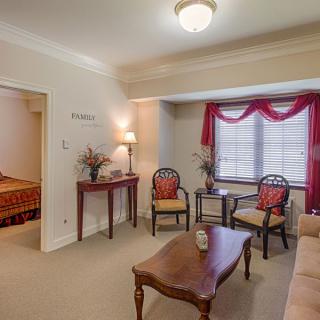

 Exploring the Contrasts Between Assisted Living and Skilled Nursing
 Vibrant Senior Living: A Comprehensive Guide for Active Older Adults
 Assisted Living and Memory Care: Understanding Their Core Differences