

8895 Al Highway 69, Arab, AL 35016
To contact a resident: (256) 753-6324
For more information about senior living options: (866) 208-4318
Overall Review of Assisted Living of Arab
Pros
 The facility feels very quiet and very clean.
- The staff at Assisted Living of Arab are great, friendly, helpful, and knowledgeable.
- The location is very good.
- The food is very good.
- The pricing is very reasonable and better than nursing home costs.
- The unit is newer with a bright sitting room and ample space for furniture.
- She smiles all the time there, and her happiness is evident.
Cons
 Assisted Living of Arab was unpleasant.
- The rooms were dirty.
- They smoke right outside the front door and all that smoke goes inside.
- They don’t do any activities.
- The shower was dirty and not in the resident’s room.
- There was no way to leave her there.
- The sitting area was dirty.
- It needed repainting.
Review
Assisted Living of Arab is best suited for budget-conscious seniors who want a small, home-like setting with approachable, dependable staff and solid meals, and who can tolerate an older building with modest programming. It fits residents who do not require intensive medical oversight and who place a premium on proximity to family and affordability over sleek finishes. Families should consider alternatives if meticulous housekeeping, a robust activity calendar, or a pristine, modern look are non-negotiable; if smoke entering living spaces from an exterior entrance is a deal-breaker; or if a highly structured social program is essential for daily life.
From a practical standpoint, the facility’s strongest assets are the people and the price. Reviewers repeatedly highlight a staff that's pleasant, helpful, and knowledgeable, with warmth that translates into attentive daily care. Food is consistently described as good, and the location earns praise for convenience. The pricing often sits below nearby nursing homes, delivering real value for families seeking a balance between care and budget. An intimate 16-room footprint can create a manageable, neighborly feel, which eases navigation for residents and caregivers alike. There are anecdotes of staff going above and beyond, such as helping with personal errands off-shift, which signals a culture of genuine regard for residents.
Yet the flip side cannot be ignored. The most troubling feedback centers on cleanliness and maintenance concerns: at least one firsthand account describes dirty rooms and a dirty sitting area, with repeated mentions of a front-door smoking area whose smoke infiltrates interior spaces. Additional criticisms include a lack of activities and an older facility feel, with some areas needing repainting. A shower outside the resident’s room and other basic conveniences not being in-room can translate into friction for those who value dignity and ease of daily routines. Taken together, these red flags suggest that the environment can feel this way to families who expect a higher standard of upkeep and more structured social engagement.
How the positives measure against the negatives depends on what a family most values. For residents who prize personal attention, reliable meals, safe proximity to loved ones, and a budget-conscious option, the caring staff and solid daily life can offset cleanliness gaps and a thinner activity slate. The positive stories, residents smiling, caregivers forming real connections, and a sense that a loved one is well-cared-for, carry meaningful weight. A newer-appearing unit within the community and private-room configurations in some cases further tailor the experience to individual needs, reducing crowding and enhancing comfort where possible. Still, those gains do not fully neutralize concerns about upkeep and programming for families seeking a more polished, event-rich environment.
Who should seriously consider alternatives? Families with very high standards for cleanliness and odor control, or those who require a robust, fully scheduled activity program on daily basis, will likely find this community lacking. Residents who are smoke-sensitive or who must have a smoke-free entryway should scrutinize the building’s policy and smoke-management realities before moving in. Those needing more intensive medical oversight than assisted living offers would be wiser to look at communities with higher nursing ratios and more medical staffing. And anyone chasing a newer, brighter facility with modern amenities may find this setting incongruent with those expectations.
If this community remains on the short list, approach the process with a clear decision framework. Schedule a live tour focused on current housekeeping standards, odor control near entryways, and the state of common areas. Request to observe an actual meal service and a resident activity if available, and ask current families about how often staff initiate social opportunities and how maintenance issues are addressed. Inspect a few room options, ideally a private unit with a bath, to gauge space, safety features, and how well the environment supports daily independence. Finally, verify the current staffing levels and turnover, because consistency in care staff often translates directly into the quality of daily life. With those checks, families can decide confidently whether the value proposition aligns with their loved one’s needs and expectations.
 16 resident community capacity
 Assisted Living
 Board and Care Home
 Activities on-site
 Cable or satellite TV
 Devotional services off-site
 Dining room
 Fully furnished
 Garden
 Housekeeping services
 Indoor common areas
 Move-in coordination
 Outdoor space
 Telephone
 Wi-Fi/high-speed internet available
 24-hour supervision
 Ambulatory care
 Assistance with bathing
 Assistance with dressing
 Assistance with transfers
 Diabetes diet
 Diabetic care
 Meal preparation and service
 Medication management
 Special dietary restrictions
 Transportation arrangement (medical)
 Transportation to doctors appointments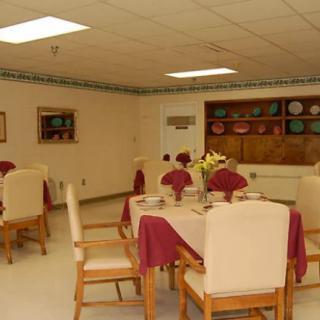







 Choosing the Right Senior Care: A Detailed Exploration of Assisted Living and Nursing Homes
 Understanding the True Cost of Assisted Living in 2025: A Comprehensive Guide
 Understanding Medicaid Coverage for Assisted Living: A Comprehensive Guide