For more information about senior living options: (866) 208-4318
3.1 from 119 reviews
5 stars
52
4 stars
9
3 stars
5
2 stars
2
1 stars
51
Ivinson Memorial Hospital Extended Care Costs & Pricing
Ivinson Memorial Hospital Extended Care offers competitive pricing for its services, particularly when compared to both Albany County and the state of Wyoming. For a studio room, residents can expect to pay $2,800 per month, which is notably lower than the county average of $2,928 and significantly less than the state average of $3,322. The semi-private room option at Ivinson is priced at $4,505 - above Albany County's rate of $4,050 but higher than Wyoming's average of $3,691. In contrast, the one-bedroom accommodation stands out with a cost of $6,235 per month; while this exceeds both Albany County's price of $4,735 and Wyoming's broader market rate of $3,890. Overall, Ivinson Memorial Hospital Extended Care presents an attractive range of options that cater to varying needs and budgets within the local healthcare landscape.
Floor plans
Ivinson Memorial Hospital Extended Care
Albany County
Wyoming
Studio
$2,800
$2,928
$3,322
Semi-Private
$4,505
$4,050
$3,691
1 Bedroom
$6,235
$4,735
$3,890
Overall Review of Ivinson Memorial Hospital Extended Care
common18 reviews mention this
Staff care and responsiveness stand out
Residents describe nurses and staff as caring, attentive, and professional during treatment.
Many reviews praise the day-to-day human support, with residents and families highlighting nurses who were responsive, kind, and patient with questions and concerns. Several also mention staff being efficient and not rushing people during appointments or recovery. A recurring thread is that communication mattered—reviews describe providers explaining medical terms and checking in frequently, which helped families feel supported.
caveat10 reviews mention this
Billing and collections create friction
Billing problems and collections come up repeatedly in residents’ accounts of their care.
A significant portion of reviews focus on billing issues, including double billing, bills arriving without clear explanations, and statements that felt inconsistent with what was provided. Multiple reviews also mention collections calls or letters, with some describing difficulty getting billing questions resolved. Even positive experiences sometimes come with a caution that billing support can be harder to navigate than the medical care itself.
caveat3 reviews mention this
Wait times and bed delays
Some residents report long waits and delays in getting a bed or a doctor.
A few reviews describe extended waiting in emergency areas, including time spent in hallways before being placed in a bed. Others mention waiting for a doctor to arrive or for a system check-in process that slowed down getting seen. These accounts suggest that promptness can vary by visit.
differentiator4 reviews mention this
On-site care reflects skilled nursing
Residents discuss ongoing clinical care that aligns with a skilled nursing setup.
Several reviews describe experiences that sound like continuity of treatment—surgeries and longer stays—supported by medical teams and nursing care. That theme fits the community’s listed focus as a skilled nursing facility. Still, review tone varies, so it’s worth weighing the strong praise for care against the repeated billing concerns.
How we summarize
Counts show how many written reviews mention each theme; a review can touch several themes, and only frequently mentioned themes are displayed.
Ivinson Memorial Hospital Extended Care offers competitive pricing for its services, particularly when compared to both Albany County and the state of Wyoming. For a studio room, residents can expect to pay $2,800 per month, which is notably lower than the county average of $2,928 and significantly less than the state average of $3,322. The semi-private room option at Ivinson is priced at $4,505 - above Albany County's rate of $4,050 but higher than Wyoming's average of $3,691. In contrast, the one-bedroom accommodation stands out with a cost of $6,235 per month; while this exceeds both Albany County's price of $4,735 and Wyoming's broader market rate of $3,890. Overall, Ivinson Memorial Hospital Extended Care presents an attractive range of options that cater to varying needs and budgets within the local healthcare landscape.
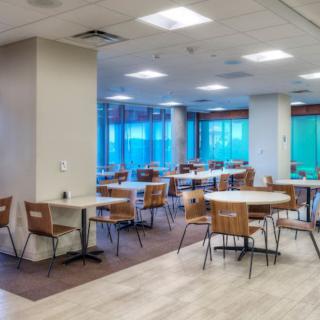
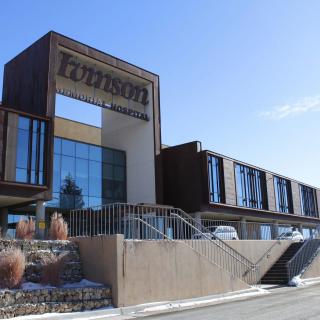
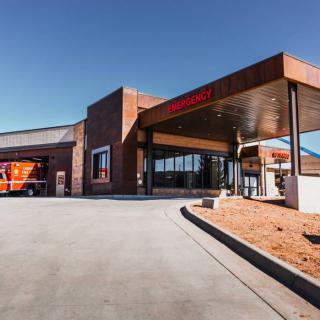
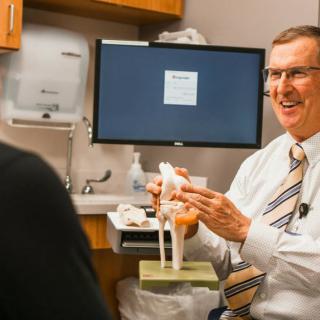
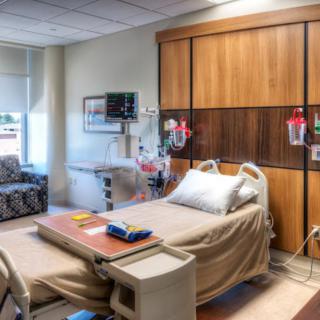
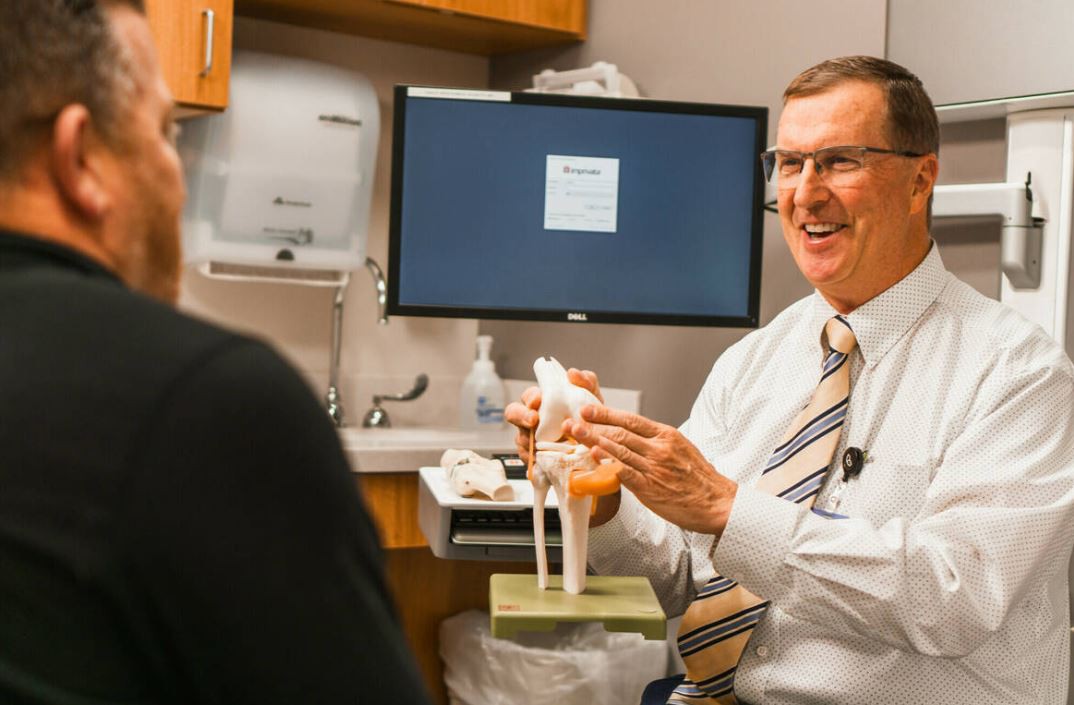
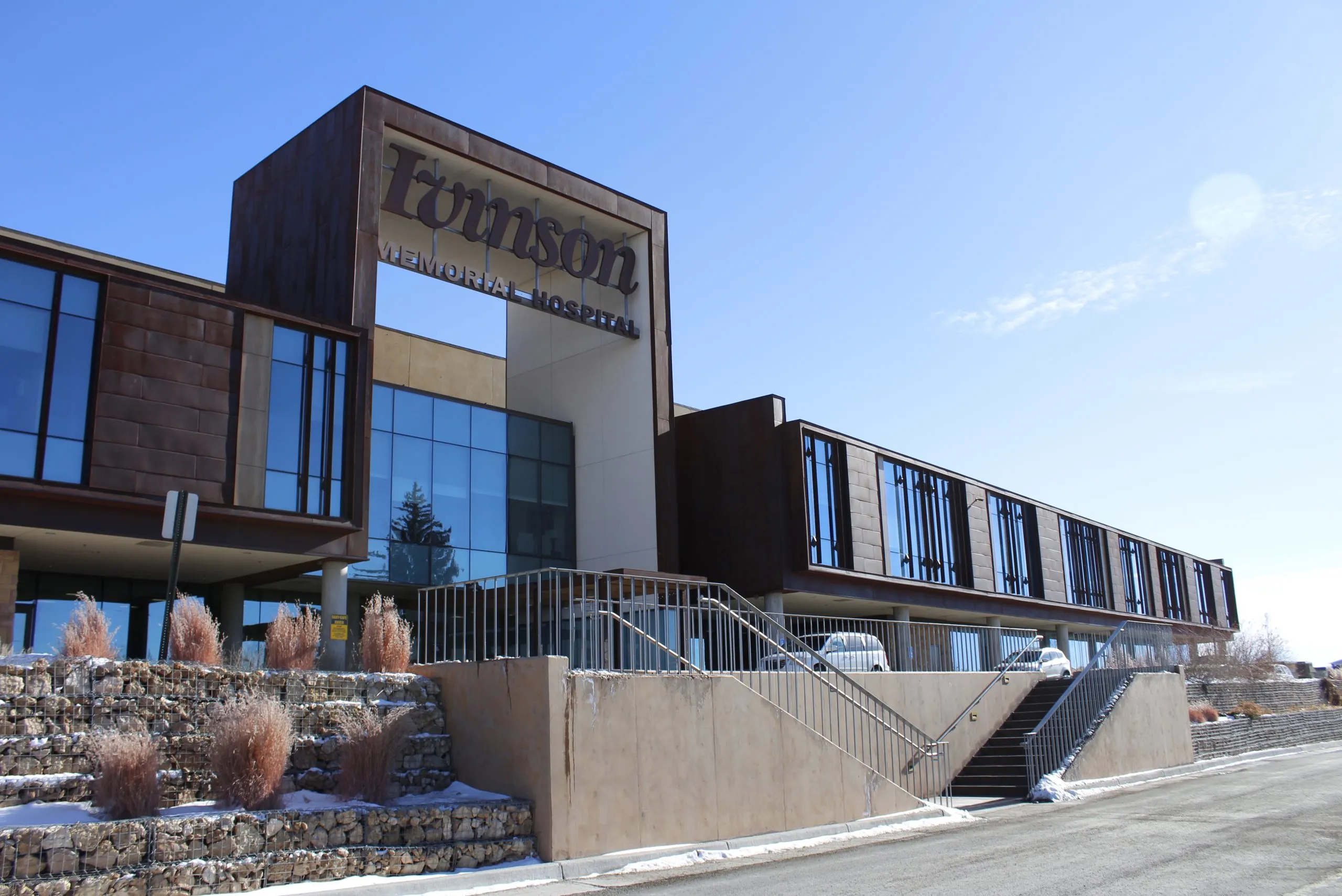
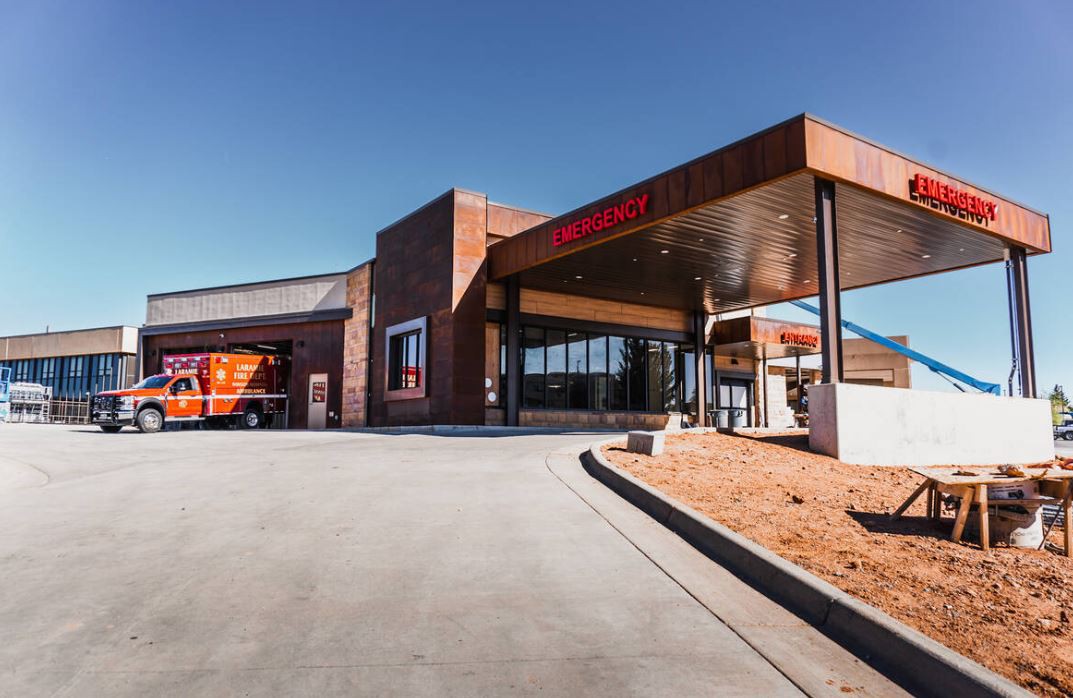
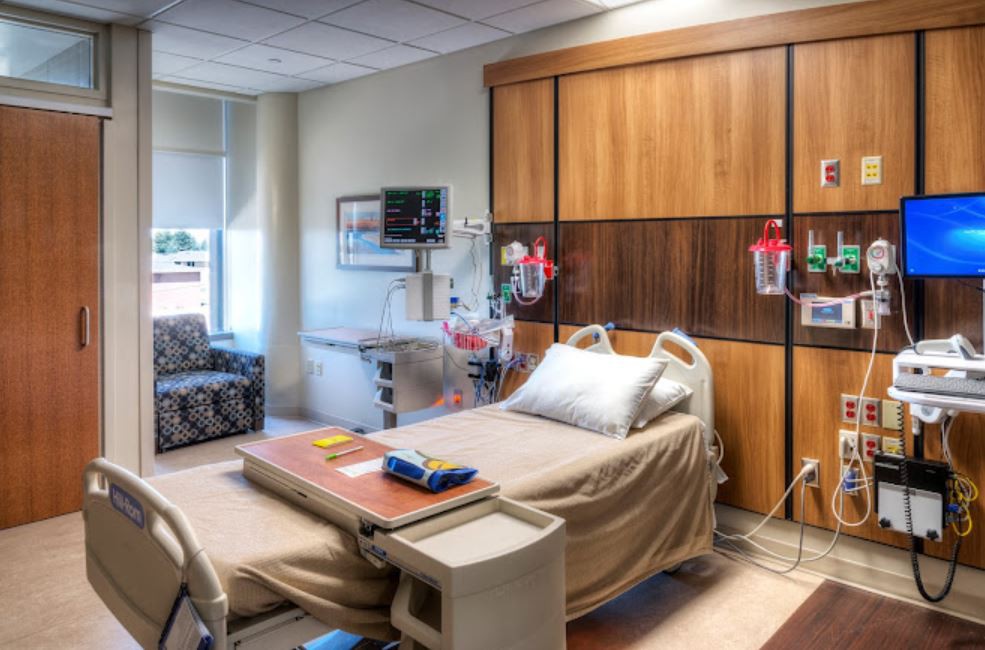
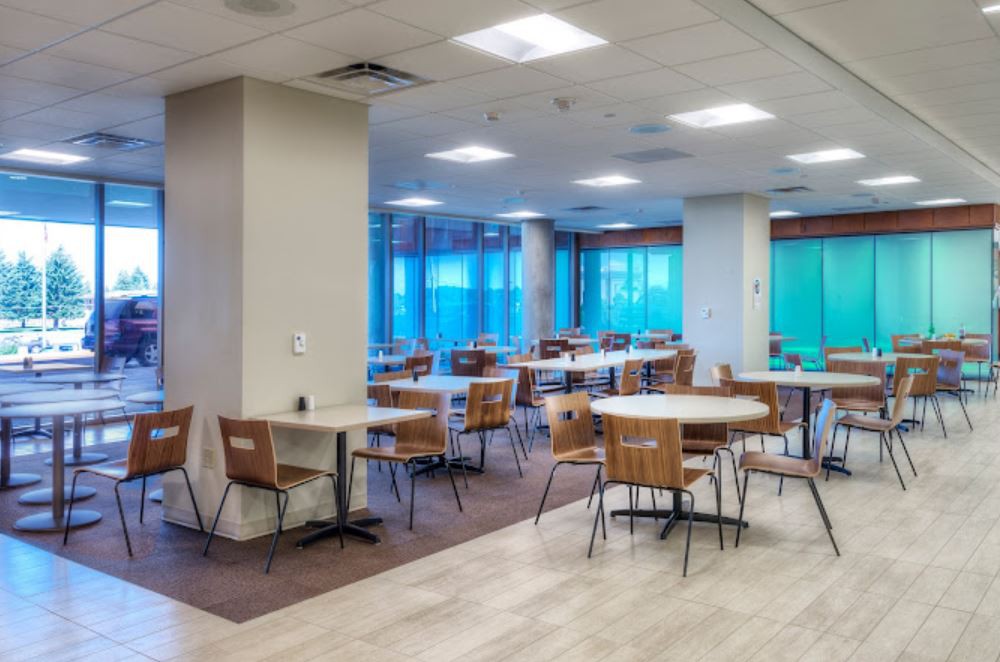
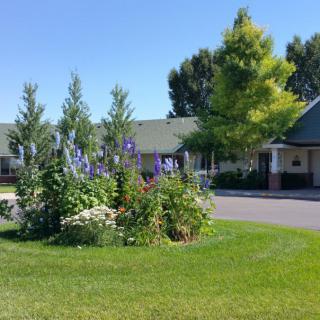
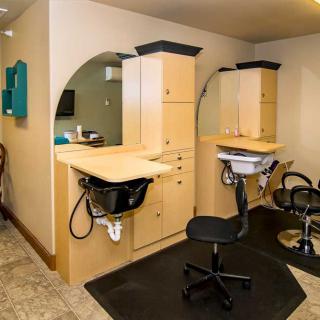
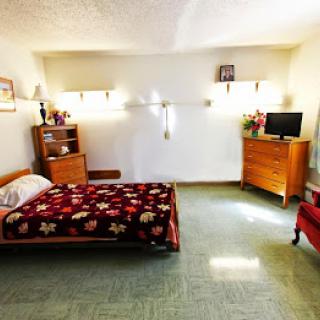
Ivinson Memorial Hospital Extended Care on seniors.fyi includes 6 photos including images showing architecture, windows, interior, lighting, office, building, outdoors, exterior, and more.
Nearby Communities
Ivinson Memorial Hospital
Laramie, WY
3.1 from 100 reviews
Small, intimate setting enabling personalized care with comprehensive on-site services and amenities.
Quality Home Health Care
Laramie, WY
24/7 care with medication management and care coordination
The guide outlines the rising costs of 24/7 in-home care, ranging from $10,000 to over $20,000 monthly, driven by factors such as location and caregiver qualifications. It discusses the limited coverage by Medicare and private insurance, potential Medicaid support, and the emotional and living condition considerations influencing families' decisions on care arrangements.
Home health nursing is an expanding field where licensed professionals provide specialized medical care in patients' homes, addressing the needs of an aging population through personalized services like assessments and medication management. Effective collaboration with healthcare teams, cultural sensitivity, and quality assurance measures are essential for fostering trust and ensuring positive patient outcomes.
Medicare covers in-home health care services, which are medical and provided by licensed professionals under a physician's supervision, whereas non-medical personal assistance is generally not covered unless part of a broader skilled care plan. Eligibility for benefits depends on being homebound and needing intermittent skilled services from a Medicare-certified agency, with specific coverage limitations and additional resources available for navigating options.
Get PricingAsk A QuestionSchedule A TourContact Senior Advisor
By clicking submit, you agree to our Partner's Terms of Use. You
also consent to receive calls and texts, which may be autodialed, from our Partner. Your consent is not a condition to
using our Partner's service. Please visit our Partner's Privacy Policy for information about their privacy practices.


 Skilled Nursing Facility
 Laramie Regional (6 miles away)
 Small, intimate setting enabling personalized care with comprehensive on-site services and amenities.

 Understanding the Full Cost of 24/7 In-Home Care: A Detailed Overview
 Exploring the World of Home Health Nurses: Qualifications, Roles, and Hiring Tips
 Navigating Medicare Coverage for In-Home Care Services