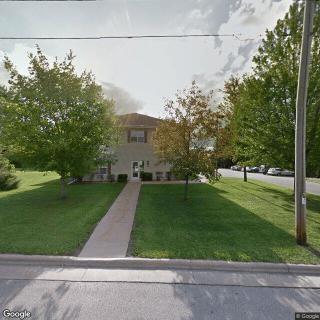
Bethel Home And Services

614 South Rock Avenue, Viroqua, WI 54665

For more information about senior living options: (844) 490-3973

3.4 from 16 reviews
5 stars
9
4 stars
0
3 stars
1
2 stars
0
1 stars
6

Skilled Nursing Facility

Overall Review of Bethel Home And Services

Pros

  • pro The staff were lovely.
  • pro The staff were very caring and attentive, and they were quick to address any issues.

Cons

  • pro The facility provides horrible care and does not care about residents.
  • pro Families receive nothing but attitude from staff when they have questions or concerns.
  • pro Residents are not checked on and call lights go unanswered.
  • pro Nurses ignore residents who yell for help.
  • pro Food is left out all day and not fed to residents.
  • pro The DON is described as having a horrible attitude and being complicit in inadequate care.
  • pro There is no compassion or care for loved ones here; it's about money.
  • pro Some staff allegedly post five-star reviews to make the facility look legitimate.
  • pro During a resident's last months, care was horrible with falls, weight loss, and neglected dietary needs.

Review

A number of families have threaded through Bethal Home with stories that paint a troubling picture of care, compassion, and communication. The accounts are not uniform, but a common thread runs through many of them: concern that residents at the end of life were not being treated with the attention, dignity, and responsiveness they deserve. Several reviewers speak in unequivocal terms about neglect and poor treatment, while others note that there are individual staff members who show kindness and attentiveness. Taken together, the comments form a complex portrait of a facility that some families believe fails to meet basic standards of care, even as it is intermittently described as home to caring individuals.

A recurring accusation centers on the responsiveness of staff. Families recount scenes of frustrated calls for help that went unanswered or were met with indifference. The impression given is that call lights were not addressed promptly, and nurses would "walk right by" when residents cried out for assistance. In some cases, this lack of attention extended beyond routine tasks and into day-to-day safety and well-being, with concerns about residents being left unattended for long periods. The sense across these narratives is that questions from families were met with attitude rather than with empathy or clear explanations, creating a climate in which families felt unheard and residents felt unseen.

Food and nutrition figures prominently in several stories, described as a troubling sign of neglect. One reviewer notes seeing meals that had sat out all day, unreached by staff and never opened or served. The implication is that residents did not receive timely meals, and that family members had to intervene to help feed their loved ones during visits. The image of discarded or ignored food, paired with reports of residents' weight loss and inadequate dietary follow-up, contributes to a broader narrative about a lack of attentive, ongoing care at the end of life - precisely the type of support families expect when a loved one is in fragile health.

There are strong allegations about the administrative leadership as well. Some reviewers describe the Director of Nursing (DON) as being "in on it" or sharing the same approach as the bedside staff, suggesting a systemic issue rather than isolated episodes of negligence. Voices in the reviews argue that the leadership lacks compassion and does not model the standards expected for residents' end-of-life care. The combination of alleged on-the-ground neglect and perceived management complicity has led some families to conclude that the facility prioritizes other concerns - such as appearances or financial incentives - over genuine, patient-centered care.

Among these accounts are heartbreaking specifics that sharpen the perceived severity of the problem. A mother's last months are described as marked by frequent falls, with bruising described "from head to toe." Weight loss and a failure to follow through on dietary assessments are painted as not only disappointing but harmful to a vulnerable person at the end of life. Reviewers emphasize a lack of kindness and compassionate care during those final days, urging others not to entrust their loved ones to a place where such neglect is tolerated. This set of experiences resonates deeply with families who fear that their loved ones were not safeguarded in their most vulnerable moments.

Not all voices align with the grim tone, however. A number of reviewers offer praise for the staff, describing them as lovely, caring, and attentive, quick to address issues when they arise. These positive reflections suggest that there is a spectrum of care within the facility, with some staff members providing meaningful, compassionate support. The mixed feedback underscores that the experience at Bethal Home is not uniform across the board and may depend on shifts, individual caregivers, or perhaps the specific unit in which a resident is placed.

Taken together, the collection of reviews presents a divided picture of Bethal Home. On one side lies a narrative of neglect, poor communication, missed meals, and management issues that many families find deeply troubling and worthy of scrutiny. On the other side sits testimony to warmth, attentiveness, and genuine care from some staff members who may be doing their best under demanding circumstances. For families evaluating a potential placement, the messages emphasize the importance of direct, in-person assessments, asking pointed questions about call-response times, meal service, fall prevention, and the involvement of leadership in daily care. The contrasting stories - ranging from urgent warnings not to place loved ones there to rare but real moments of compassionate care - make clear that experiences at Bethal Home are not uniform and that prospective residents and their families should gather as much firsthand information as possible before making a decision.

Features

Housing

  • 50 resident community capacity 50 resident community capacity

Types of Care

  • Skilled Nursing Facility Skilled Nursing FacilitySkilled Nursing Facilities are crucial for seniors as they provide round-the-clock medical care, rehabilitation services, and assistance with daily activities. These facilities ensure that seniors receive the specialized care they need to maintain their health and well-being as they age.

Amenities

  • Beauty salon Beauty salonBeauty salons are important for seniors because they provide a space for them to feel pampered, socialize, and maintain their personal grooming and hygiene. Regular visits to a beauty salon can help boost seniors' self-esteem and overall well-being.
  • Cable or satellite TV Cable or satellite TVCable or satellite TV is important for seniors because it provides entertainment, news, and companionship, helping to combat loneliness and boredom. It also offers a wide range of programming options tailored to different interests and preferences.
  • Dining room Dining roomDining rooms are important for seniors as they provide a space for socialization, connection, and nutritious meals. They offer opportunities for residents to bond over shared meals, foster a sense of community, and promote healthy eating habits. Dining rooms also ensure that seniors have access to well-balanced meals tailored to their dietary needs and preferences.
  • Fully furnished Fully furnishedFully furnished senior living communities are important for seniors because they provide convenience, comfort, and a hassle-free moving experience. Seniors can easily settle into their new living space without the stress of having to buy and move furniture. This allows them to focus on enjoying their new home and community.
  • Garden GardenGardens are important for seniors as they provide a peaceful and therapeutic environment for relaxation, physical activity, and socialization. Being in nature has been shown to reduce stress, improve mood, and promote overall well-being. Gardens also offer opportunities for seniors to engage in gardening activities, which can improve mobility, flexibility, and cognitive function. Additionally, gardens create a sense of community and connection with others who share a passion for plants and outdoor spaces.
  • Housekeeping services Housekeeping servicesHousekeeping services are important for seniors because they help maintain a clean and safe living environment, promote independence, and reduce the risk of accidents or illnesses. Additionally, having assistance with household chores can alleviate physical strain and allow seniors to focus on other aspects of their well-being.
  • Kitchenette KitchenetteKitchenettes are important for seniors living in senior living communities because they provide the convenience and independence of being able to prepare simple meals and snacks in the comfort of their own living space. This can help promote a sense of autonomy and well-being for seniors, allowing them to maintain some level of control over their dietary choices and daily routines.
  • Move-in coordination Move-in coordinationMove-in coordination is important for seniors because it helps ease the transition into their new living environment. It ensures that all logistics, such as packing, organizing movers, and setting up utilities are taken care of, allowing seniors to focus on settling in and adjusting to their new home. Having a smooth move-in process can alleviate stress and anxiety, making the transition smoother and more enjoyable for seniors.
  • Outdoor space Outdoor spaceOutdoor spaces are important for seniors as they provide opportunities for physical activity, social interaction, exposure to natural light and fresh air, and a sense of connection to nature. Having access to outdoor spaces can improve overall well-being and quality of life for older adults living in senior communities.
  • Restaurant-style dining Restaurant-style diningRestaurant-style dining is important for seniors because it allows them to enjoy delicious, nutritious meals in a social and upscale setting. This enhances their dining experience, promotes healthy eating habits, and fosters socialization with fellow residents, ultimately contributing to their overall well-being and quality of life.
  • Small library Small librarySmall libraries are important for seniors as they provide access to a variety of reading materials, including books, newspapers, and magazines. This can help stimulate their minds, keep them engaged, and provide a sense of community through book clubs and other social activities. Additionally, reading has been shown to improve cognitive function and overall mental well-being in older adults.
  • Telephone TelephoneTelephones are important for seniors as they provide a lifeline for communication with loved ones, emergency services, and healthcare providers. They offer a sense of security and independence, enabling seniors to stay connected and access assistance when needed.
  • Wi-Fi/high-speed internet available Wi-Fi/high-speed internet availableWi-Fi/high-speed internet is important for seniors to stay connected with loved ones, access online resources, and participate in virtual activities to combat feelings of loneliness and isolation. It also allows them to easily manage healthcare needs, access entertainment, and engage in lifelong learning opportunities.

Care Services

  • 24-hour call system 24-hour call system24-hour call systems are important for seniors because they provide peace of mind and immediate assistance in case of emergencies. This technology ensures that help is always available, promoting safety and security for elderly individuals living alone or in assisted living facilities.
  • 24-hour supervision 24-hour supervision24-hour supervision is important for seniors to ensure their safety, well-being, and access to immediate assistance in case of emergencies or health issues. This constant support provides peace of mind for both seniors and their loved ones, allowing them to age in place with dignity and security.
  • Activities of daily living assistance Activities of daily living assistanceActivities of daily living assistance are important for seniors because they provide essential support with tasks such as eating, bathing, dressing, and mobility. This assistance helps seniors maintain their independence, dignity, and overall quality of life as they age.
  • Assistance with bathing Assistance with bathingAssistance with bathing is crucial for seniors as it helps maintain personal hygiene, prevents infections, and ensures their overall well-being and comfort. It also provides a sense of dignity and independence for seniors who may struggle with this task on their own.
  • Assistance with dressing Assistance with dressingAssistance with dressing is important for seniors because it helps maintain their independence, promotes personal hygiene, prevents accidents and injuries, and improves overall quality of life. This service ensures that seniors can continue to dress comfortably and confidently, despite any physical limitations they may have.
  • Assistance with transfers Assistance with transfersAssistance with transfers is crucial for seniors as it helps prevent falls and injuries, maintains their independence, and ensures they can safely navigate their living environment. It also provides peace of mind for both seniors and their loved ones.
  • Diabetes diet Diabetes dietA diabetes diet is crucial for seniors as it helps manage blood sugar levels, reduce risks of complications, and improve overall health and well-being. By following a balanced and nutritious diet tailored to their specific needs, seniors can better control their diabetes and enhance their quality of life.
  • Meal preparation and service Meal preparation and serviceMeal preparation and service are crucial for seniors as they may have limited mobility or energy to cook nutritious meals. Having access to healthy and convenient food options can ensure they are getting the proper nutrition needed to maintain their overall health and well-being.
  • Medication management Medication managementMedication management is crucial for seniors to ensure they are taking the right medications at the correct dosages and times. This helps prevent adverse drug interactions, reduces the risk of medication errors, and promotes overall health and well-being. Proactive management also allows for adjustments as needed based on changing health conditions or new prescriptions.
  • Mental wellness program Mental wellness programMental wellness programs are essential for seniors as they promote cognitive stimulation, emotional support, and social engagement. These programs help prevent isolation, depression, and cognitive decline, ultimately enhancing the overall quality of life for older adults.
  • Special dietary restrictions Special dietary restrictionsSpecial dietary restrictions are important for seniors because age-related changes in metabolism and health conditions can make it difficult for their bodies to process certain foods. By following a diet tailored to their specific needs, seniors can maintain their overall health and well-being, manage chronic conditions, and reduce the risk of complications such as malnutrition or food interactions with medications.
Dining

  • Diabetes diet Diabetes dietA diabetes diet is crucial for seniors as it helps manage blood sugar levels, reduce risks of complications, and improve overall health and well-being. By following a balanced and nutritious diet tailored to their specific needs, seniors can better control their diabetes and enhance their quality of life.
  • Special dietary restrictions Special dietary restrictionsSpecial dietary restrictions are important for seniors because age-related changes in metabolism and health conditions can make it difficult for their bodies to process certain foods. By following a diet tailored to their specific needs, seniors can maintain their overall health and well-being, manage chronic conditions, and reduce the risk of complications such as malnutrition or food interactions with medications.

Activities

  • Community-sponsored activities Community-sponsored activitiesCommunity-sponsored activities are important for seniors as they provide opportunities for social interaction, mental stimulation, and physical activity. These activities can help improve overall well-being, combat loneliness and isolation, and promote a sense of belonging and purpose among older adults.
  • Resident-run activities Resident-run activitiesResident-run activities are important for seniors as they encourage social interaction, creativity, and a sense of autonomy. These activities empower seniors to stay engaged and active in their community while fostering meaningful connections with their peers.
  • Scheduled daily activities Scheduled daily activitiesScheduled daily activities are important for seniors because they provide structure, socialization, mental stimulation, and physical activity. Engaging in regular activities can improve overall well-being and quality of life for seniors living in a community setting.

Description

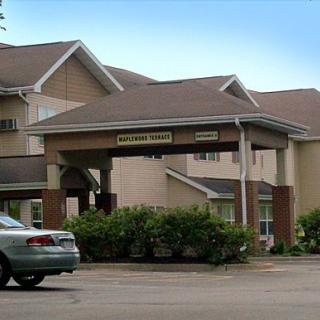
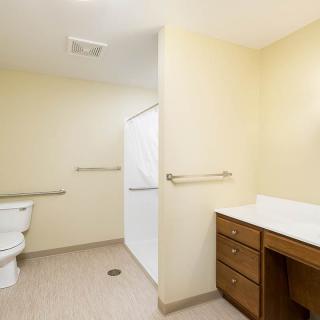
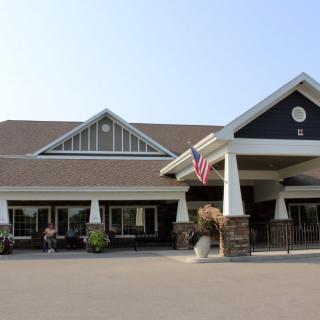
The Bethel Home and Services in Viroqua, WI is an assisted living community that offers a wide range of amenities and care services to meet the needs of its residents.

For the comfort and convenience of its residents, the community provides fully furnished accommodations that include cable or satellite TV, Wi-Fi/high-speed internet, a telephone, and a small library for leisurely reading. Each resident also has access to their own kitchenette for preparing snacks or light meals.

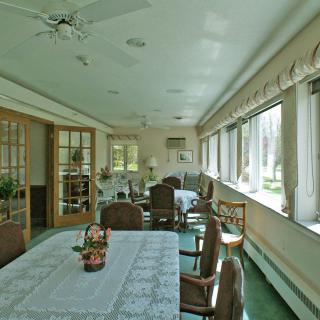
Meals at Bethel Home and Services are served restaurant-style in a dining room setting. The community takes special dietary restrictions into consideration when planning menus, ensuring that residents can enjoy delicious and nutritious meals that align with their specific needs.

Care services at this assisted living community are designed to provide 24-hour supervision and assistance with activities of daily living. Staff members are available to help with tasks such as bathing, dressing, transfers, and medication management. For those with diabetes or other dietary requirements, the community offers specialized diet plans to support their health.

In addition to meeting the physical needs of its residents, Bethel Home and Services also places importance on mental wellness. A mental wellness program is provided to promote emotional well-being and engagement within the community.

Residents have plenty of opportunities for socialization and engagement through resident-run activities and scheduled daily activities organized by staff members. Additionally, the community is located near various amenities and services including cafes, parks, pharmacies, physicians' offices, restaurants, transportation options, places of worship, and hospitals.

Overall, Bethel Home and Services in Viroqua offers a comfortable and supportive environment where residents can receive personalized care while enjoying a range of amenities and engaging in meaningful activities within easy reach of essential services in the area.

Nearby Places of Interest

Places of Worship

  • Good Shepherd Lutheran Church (0.1 miles)
  • Church of Jesus Christ of Latter Day Saints (0.2 miles)
  • Zion-Franklin Lutheran Church Parsonage (0.2 miles)
  • United Methodist Church-Viroqua (0.3 miles)
  • Believer's Fellowship Church (0.4 miles)
  • Viroqua Assembly of God Church (0.6 miles)
  • Wels (0.9 miles)

Physicians

  • Macasaet Anthony L Md Vernon Memorial Medical Center Emr Viroqua (0.1 miles)
  • Gundersen Eye Clinic Viroqua (0.2 miles)
  • Hirsch Clinic (0.2 miles)
  • Bland Medical Clinic-Vmh (7.4 miles)
  • La Farge Medical Clinic (12.8 miles)
  • Lafarge Medical Clinic-Vmh (12.8 miles)

Hospitals

  • Vernon Memorial Healthcare (0.1 miles)
  • Neighborhood Family Clinic Viroqua (1.7 miles)

Restaurants

  • Orange Julius (0.2 miles)
  • Cheese Corner (0.2 miles)
  • Rooted Spoon Kitchen Table (0.3 miles)
  • The Ark (0.4 miles)
  • Pacifico Mexican Bar & Grill (0.4 miles)
  • Viroqua Family Restaurant (1.1 miles)
  • Gassers Bar and Grill (1.2 miles)

Cafes

  • Kickapoo Coffee Cafe (0.2 miles)
  • Kickapoo Coffee Cafe (0.2 miles)
  • Driftless Cafe (0.4 miles)
  • Kickapoo Coffee (0.7 miles)
  • Dunnum's Cafe (1 miles)
  • Wonderstate Coffee (1.5 miles)
  • Kickapoo Coffee (1.5 miles)

Parks

  • Viroqua City Park (0.3 miles)
  • Washington Park (0.3 miles)
  • Viroqua City Parks & Rec (0.5 miles)
  • Sidie Hollow Park (3.4 miles)
  • Readstown Park (10.8 miles)

Transportation

  • Viroqua Cab Co. (0.5 miles)
  • Running (0.5 miles)
  • Onalaska/Holmen/W Salem Public (0.5 miles)
  • Westby Cab Co. (0.5 miles)
  • Viroqua Cab Company (0.6 miles)
  • U-Haul (7.8 miles)
  • Timberland Trophies Taxidermy (7.9 miles)

Pharmacies

  • Walgreens (0.7 miles)
  • Vernon Memorial Pharmacy (7.3 miles)
  • Solar Town Pharmacy (12.8 miles)

Frequently Asked Questions

Where is Bethel Home And Services?

Nearby Communities

Related Resources

  • palliative care vs hospiceUnderstanding the Nuances of Palliative Care and Hospice: A Comprehensive Exploration
    Palliative care focuses on alleviating distress at any stage of a serious illness and can accompany curative treatments, while hospice care is for those nearing the end of life with a prognosis of six months or less, emphasizing comfort over curative measures. Both prioritize holistic care for patients and families but differ in timing, goals, and scope.

  • fecal incontinenceFecal Incontinence in Older Adults: A Comprehensive Guide
    Fecal incontinence, prevalent among older adults, arises from factors like weakened pelvic muscles and nerve damage, significantly affecting well-being and social interactions. Diagnosis involves clinical evaluation and tests to inform tailored treatments, while caregivers and preventive measures can aid in managing the condition effectively.

  • gardening for seniorsNurturing Well-Being Through Gardening: A Detailed Guide for Senior Enthusiasts

    Gardening provides seniors with physical exercise, mental and emotional support, and social interaction opportunities, while accommodating their needs through raised beds and ergonomic tools. It promotes health benefits like improved dexterity and cardiovascular health, encourages sustainable practices, and allows for manageable upkeep with low-maintenance plants.