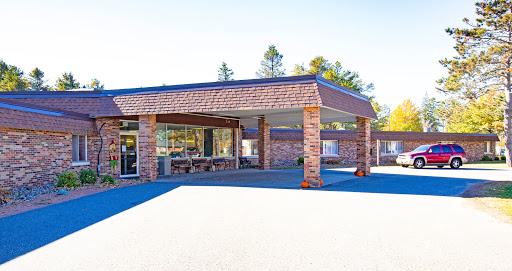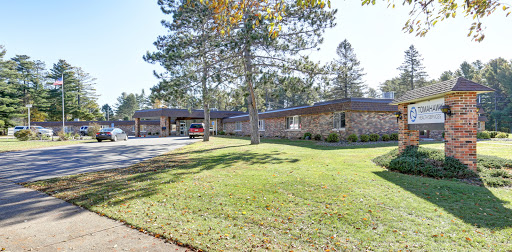
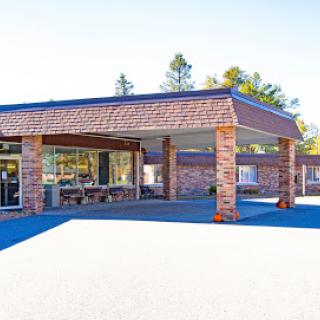
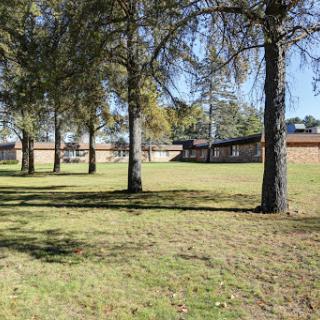
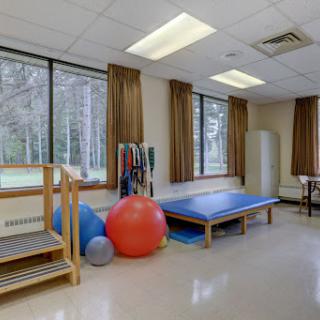

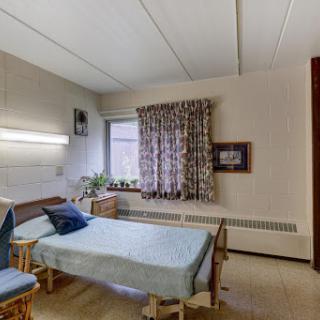
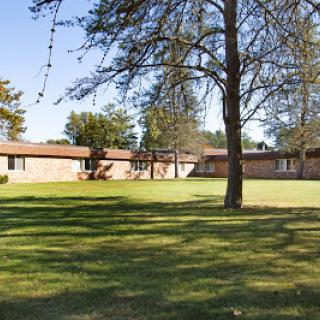
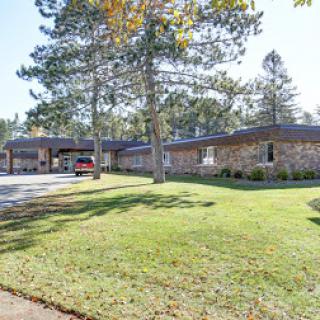
720 East Kings Road, Tomahawk, WI 54487
For more information about senior living options: (866) 208-4318
Tomahawk Health Services Costs & Pricing
At Tomahawk Health Services, the monthly costs for care reflect a commitment to providing quality services tailored to individual needs. For a semi-private room, the fee stands at $4,615, which is notably higher than both the Oneida County average of $3,556 and the state average of $3,977. In the case of private rooms, Tomahawk's charge is $4,915, surpassing Oneida County's typical cost of $4,080 and Wisconsin's average of $4,339. While these prices may be elevated compared to regional benchmarks, they are indicative of the comprehensive care and supportive environment that residents can expect from Tomahawk Health Services.
| Floor plans | Tomahawk Health Services | Oneida County | Wisconsin |
|---|---|---|---|
| Semi-Private | $4,615 | $3,556 | $3,977 |
| Private | $4,915 | $4,080 | $4,339 |
Skilled Nursing Facilities with a similar price nearby
-
from -$315 / mo
Milestone Senior Living Rhinelander
$4,300 to $5,999 / month18.8 miles away
Overall Review of Tomahawk Health Services
Pros
 The staff work in unity to provide excellent care to residents, from kitchen to nursing to support staff, creating a family atmosphere.
- Families feel at peace knowing their loved ones are in such good hands.
- The caring, loving staff stay on top of residents’ care and communicate well with families.
- The facility feels like a family environment rather than a nursing home.
- The staff show thoughtfulness through celebrations and daily acts of kindness, making residents feel loved and cared for.
- The staff are angels on earth, and their hard work and dedication are deeply appreciated.
Cons
 The reviews describe the facility as consistently understaffed and poorly managed, leading to inadequate care for residents.
- The staff are portrayed as underqualified, lacking the knowledge, background, or skills to meet basic resident needs.
- A resident is alleged to have been starved and fed improperly, with staff lying about feeding and failing to ensure safety.
- A nurse practitioner is accused of illegally medicating a patient and threatening to discontinue treatment to force compliance.
- A guardian notes a resident was never bathed for over a month and staff never returned phone calls.
- The facility is described as outdated and uncomfortable, with sweltering rooms, poor food, and limited in-room communication.
- A strong warning is given not to send loved ones there due to repeated harmful mistakes and poor care.
- COVID safety concerns are raised, including occasions where staff and residents were not wearing masks.
Review
Tomahawk Health Services is best suited for families that prize a warm, family-style care environment where staff cohesion and personal attention are plainly visible. The strongest threads in the most consistent reviews describe a facility that operates like a small community: a unified team across kitchen, nursing, and support staff, a responsive Activities Director, and care teams that treat residents as more than patients. For families with a loved one who needs rehabilitation with a clear path back home, this community’s emphasis on staying on top of care plans and keeping families in the loop can be a decisive advantage. The tone from many family members is that their relative is not just another resident but someone valued and tended to with diligence and affection.
However, there are clear reasons to consider alternatives, particularly for families who cannot tolerate any hint of miscommunication or oversights in management. Several reviews raise red flags about staffing levels and supervisory oversight, hinting at gaps in everyday operations that can translate into delayed responses, missed calls, or insufficient one-on-one attention during busy shifts. More troubling are accounts that question the safety and appropriateness of medical decisions, with highly charged anecdotes about medication management and consent. While these stories do not define every experience, they create a legitimate concern that should not be dismissed, especially for families managing complex medical needs or vigilant oversight expectations.
The core advantages, genuine warmth from a close-knit staff, smooth family communication, and a rehab-focused trajectory toward home, do carry substantial weight. Families repeatedly cite attentive caregivers who stay on top of care tasks, clear channels of communication, and a culture that feels more like a small family than a sterile institution. When rehab is involved, the ability to monitor progress, celebrate small milestones, and tailor activities to the resident’s interests helps keep morale high and can shorten the road back to independent living. These strengths can meaningfully offset other challenges for residents who fit the profile: those who value daily reassurance, predictable routines, and transparent family involvement as part of the care plan.
Yet the shadow of the more severe concerns cannot be ignored. Without dismissing the positive experiences, a prudent evaluator will probe into staffing stability, consistency of care decisions, and the facility’s governance. Ask for current staffing ratios by shift, staffing turnover data, and the process by which care plans are reviewed with families. Inquire about who oversees clinical decisions, how medication changes are communicated, and what safeguards are in place to prevent aggressive or inappropriate pharmacologic practices. Performance on state inspections and any recent corrective actions should be reviewed, along with a candid discussion about any past incidents and how the facility has addressed them. This diligence is essential to determine whether the positives can be sustained over time.
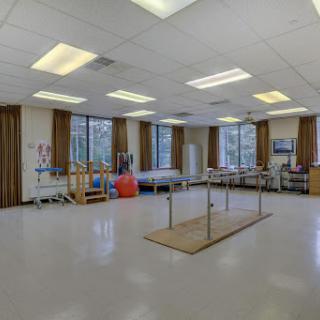
For families moving forward, practical next steps are straightforward. Schedule a tour during multiple times of day to gauge staffing presence, responsiveness, and the cadence of routine care like bathing, dressing, and mobility assistance. Request to speak with frontline caregivers and the administrator about daily operations, care plans, and family communications. Review the rehab program’s structure, goals, and expected timelines, and ask for recent outcomes, specifically how many residents returned home within a given period. Bring questions about meals, activities, and social engagement to conversations; observe how residents participate and how staff interact with them in real time. If any red flags persist after due diligence, or if transparency feels lacking, it is reasonable to broaden the search to other local options with demonstrable, consistently solid governance and staffing.
In the final assessment, Tomahawk Health Services offers a solid fit for families prioritizing a home-like atmosphere, compassionate daily care, and rehab-oriented paths back to independence. The strongest testimonials underscore a sense of belonging and dependable staff that families can trust to treat their loved one with dignity. However, serious concerns raised by some reviewers about staffing, communication gaps, and the potential for inappropriate clinical decision-making demand careful, up-front verification. When safety, timely responsiveness, and clear accountability are paramount, especially for residents with complex medical needs, these factors can determine whether the positive environment is enough to offset the risks. The prudent course is to proceed with a thorough, hands-on evaluation and an explicit plan for ongoing oversight before committing, while also keeping alternatives in view for a fall-back if any critical gaps emerge.
 83 resident community capacity
 Skilled Nursing Facility
 Cats allowed
 Dogs allowed
 Air-conditioning
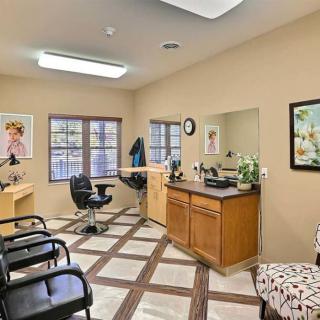
 Beauty salon
 Cable or satellite TV
 Computer center
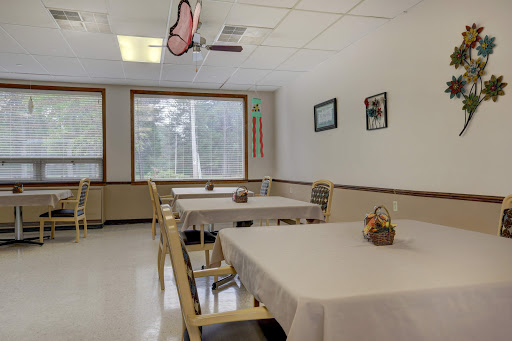
 Dining room
 Fitness room
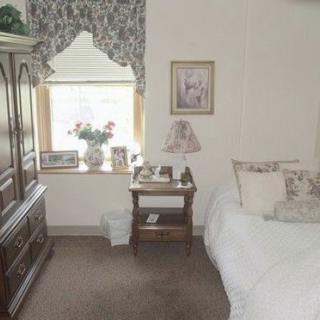
 Fully furnished
 Gaming room
 Garden
 Housekeeping services
 Kitchenette
 Move-in coordination
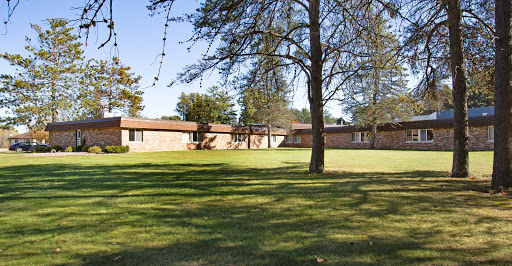
 Outdoor space
 Private
 Private bathrooms
 Restaurant-style dining
 Small library
 Telephone
 Wellness center
 Wi-Fi/high-speed internet available
 Rhinelander-Oneida County (15 miles away)
 Community operated transportation
 12-16 hour nursing
 24-hour call system
 Activities of daily living assistance
 Assistance with bathing
 Assistance with dressing
 Assistance with transfers
 Diabetes diet
 Medication management
 Mental wellness program
 Special dietary restrictions
 Concierge services
 Planned day trips


 Understanding Home Health Care: A Comprehensive Guide
 Home Health Care Demystified: A Comprehensive Guide for Families and Caregivers
 Seniors and Modern Transportation: Exploring Uber, Lyft, and Other Ride-Hailing Options