

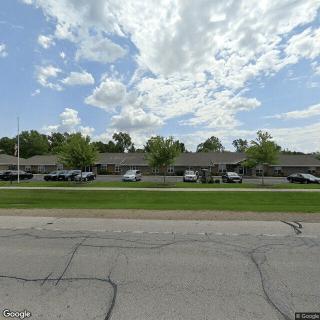
430 Manor Drive, Suring, WI 54174
For more information about senior living options: (866) 208-4318
Overall Review of Bay At Suring Health And Rehab Center
Pros
 The nursing staff were outstanding.
- The laundry staff were the sweetest.
- The cleaning staff were the sweetest.
- The staff are very helpful and knowledgeable.
- The therapy department is great at getting residents up and improving.
- Residents get along well and have smiles on their faces.
- The caring staff go above and beyond.
- The facility is clean and the staff truly care about the residents.
Cons
 The food was disgusting and did not meet the resident’s dietary needs.
- The facility is stuck in Jurassic times with out-of-date equipment and care products.
- The leadership of the facility is useless.
- Billing was mishandled, with payments claimed as paid in full yet later billed.
- The place was disgustingly unsanitary, with dirty bed pans and feces on commodes.
- Medications were not provided on time or in full, and doctors’ orders were changed without knowledge.
- Rotten meat was served; the food was not fit for pig slop.
- The place should be shut down and investigated by the state.
- The rudest nurse was unprofessional and condescending.
- Personal belongings, including a Harley-Davidson watch and wallet, were reported stolen.
Review
Bay At Suring Health And Rehab Center is best suited for families seeking a rehab-forward environment where therapy momentum and a home-like atmosphere are priorities. The center earns consistent praise for its therapy program and for nursing teams that are described as compassionate and knowledgeable. Residents and families report a clean, welcoming setting where aides and housekeeping staff contribute to a comfortable routine, and where therapy sessions drive real progress. The wooded Wisconsin location and approachable administration add to a sense of belonging. For those pursuing short- to medium-term recovery with a focus on functional gains, this facility often delivers meaningful improvement when the care plan rests on strong therapists and attentive nurses.
Alternatives should be considered by families prioritizing flawless medical management, predictable medication timing, and transparent billing. Several reviews raise concerns about medication delays, changes to orders without clear notification, and even billing disputes after paying in full. Reports of staffing gaps, occasionally curt frontline interactions, and periods of unsanitary conditions temper the otherwise positive impression. If a resident requires stringent oversight, strictly reliable operations, or a medical emphasis on safety and regulatory compliance, another local option with a steadier track record across nursing, pharmacy, and administration may be a wiser investment.
On balance, the strongest positives center on people. The nursing staff is repeatedly described as outstanding, with therapy personnel who tailor plans to individual goals and push progress. Therapy is frequently cited as the engine of improvement, with residents encouraged to participate and to regain function. The environment reinforces this progress: well-kept rooms, courteous aides, and a culture that treats residents like family. Several family members and even traveling CNAs note a level of care that feels deeply personal, making a difficult transition more manageable. When the care team operates at this level, the overall experience can be cohesive and reassuring.
However, significant caveats emerge in a subset of reviews. Instances described as unsanitary, such as bedpans and commodes not properly cleaned, medication timing and accuracy concerns, and even attempts to alter orders without notice raise red flags about daily operations. Billing concerns, including disputes over amounts paid versus remaining balances, add financial strain on families already navigating medical logistics. Allegations of rude interactions with front-line staff and even theft claims, while not universal, underscore the risk of inconsistent day-to-day experience. These gaps are not trivial; they signal potential fragility in systems that must be reliable for safety, dignity, and continuity of care.
Pros offset cons best when families stay vigilant and engage proactively with the care team. The decisive factor is whether the rehab-driven trajectory and the warm, capable staff can be sustained under tighter administrative discipline. If a family can secure clear documentation, confirm medication routines, review care plans, and request regular progress updates, the strong therapy and compassionate nursing can deliver genuine benefit. Without ongoing oversight, the same positives can be eclipsed by the negatives, leaving a resident exposed to medication timing lapses, billing confusion, and housekeeping inconsistencies.
Bottom line: Bay At Suring is a viable choice for those who want a rehab-forward setting with a genuinely caring staff and a home-like vibe, provided that families are prepared to demand reliability and to scrutinize operations closely. For those who prize flawless medical management, consistent billing transparency, and iron-clad safety practices, exploring alternatives with stronger track records in pharmacy accuracy, staffing consistency, and daily operations should be a priority. A candid campus visit is essential: talk with the therapy director, meet the administrator, review physician order protocols, and observe meals and housekeeping if possible. That due diligence will determine whether this community is the right long-term fit or if another Wisconsin option better aligns with the family’s priorities.
 50 resident community capacity
 Skilled Nursing Facility
 Beauty salon
 Cable or satellite TV
 Dining room
 Fully furnished
 Garden
 Housekeeping services
 Kitchenette
 Move-in coordination
 Outdoor space
 Restaurant-style dining
 Small library
 Telephone
 Wi-Fi/high-speed internet available
 24-hour call system
 Activities of daily living assistance
 Assistance with bathing
 Assistance with dressing
 Assistance with transfers
 Diabetes diet
 Medication management
 Mental wellness program
 Special dietary restrictions




 Comprehensive Insights and Practical Strategies to Help Older Adults Avoid Falls
 6 Crucial Ways an Elder Law Attorney Assists Families
 Navigating the Tax Landscape of Caregiving: Credits, Deductions, and Beyond